

Introduction
Medications that affect thyroid function are more common than most people realize, and they can silently change the way your thyroid hormones work. As a doctor, I often see patients who are surprised when their thyroid tests suddenly change despite making major lifestyle or dietary changes. The hidden culprit is often medication.
Some drugs that affect thyroid function from heart medications to psychiatric medications can mimic thyroid disease, worsen existing conditions, or even trigger new thyroid problems. Whether you’re managing hypothyroidism, hyperthyroidism, or just monitoring your thyroid health, understanding how these drugs interact with your thyroid is important.
In this guide, I will explain the medications that Affect thyroid function, their hidden dangers, symptoms to watch for, and safe management strategies based on both research and clinical experience.
What are the medications that affect thyroid function?
Medications that affect thyroid function are prescription or over the counter medications that can increase or decrease thyroid hormone levels. Some medications block the thyroid gland’s ability to produce hormones, while others interfere with the absorption, metabolism, or conversion of hormones. For example, amiodarone (a heart medication) can cause both hyperthyroidism and hypothyroidism, while lithium (a psychiatric medication) generally suppresses thyroid activity. It is important to understand these effects because they can cause fatigue, weight changes, mood swings, and even heart rhythm disturbances. If you are taking medication long term, your doctor may monitor your thyroid function with regular blood tests to prevent complications.
Why do medications affect thyroid function?
The thyroid gland is very sensitive to external influences. Some medications that affect thyroid function interfere with:
- Hormonal production – blocking iodine intake or thyroid enzyme activity.
- Hormone secretion – preventing stored hormones from entering the circulation.
- Hormone conversion – reducing the conversion of T4 to active T3.
- Hormone absorption – affecting the way thyroid medications (such as levothyroxine) are absorbed in the intestines.
Common Medications That Affect Thyroid Function
Let’s explore the main drugs that cause thyroid problems, how they work, and what patients need to know.
Effect of Amiodarone on Thyroid functions
How it affects the thyroid:
Amiodarone is a widely used antiarrhythmic drug that is very high in iodine. A 200 mg tablet provides about 75 mg of iodine, which is more than the daily requirement (~150 mcg). This iodine load can overwhelm the thyroid, causing two separate problems:
- Amiodarone Induced Hypothyroidism (AIH): The thyroid “shuts down” in response to excess iodine.
- Amiodarone Induced Thyrotoxicosis (AIT): The thyroid becomes overactive, releasing too much hormone.
Statistics:
About 14-18% of patients on long term therapy develop thyroid dysfunction (PubMed, 2021).
Hypothyroidism is more common in iodine rich areas. Hyperthyroidism is more common in iodine deficient areas.
Symptoms to watch for:
- Fatigue, lethargy, and cold intolerance (hypothyroidism).
- Palpitations, tremors, unexplained weight loss (hyperthyroidism).
Clinical Insight (Case):
One of my cardiac patients, after six months of taking amiodarone, complained of heat intolerance, irritability, and insomnia. Lab results revealed suppressed TSH and elevated free T4 classic signs of amiodarone induced thyrotoxicosis. After consultation with cardiology, we managed thyroid function while continuing essential cardiac treatment.
Management:
- Baseline thyroid function test before starting therapy.
- Repeat TSH and free T4 every 3-6 months.
- Treat hypothyroidism with levothyroxine.
- Manage hyperthyroidism with antithyroid drugs or steroids (depending on type).
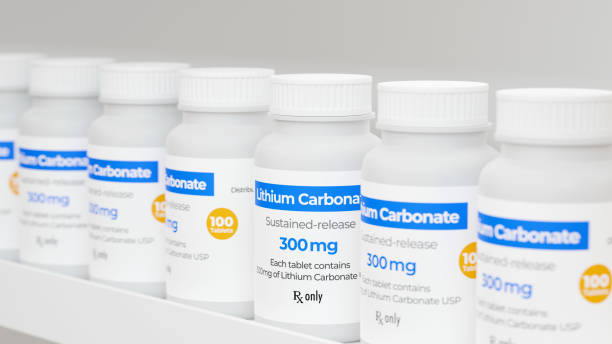
Lithium (Psychiatric Medication)
How it affects the thyroid:
Lithium, essential for the management of bipolar disorder, directly inhibits the release of thyroid hormone. It also increases the risk of autoimmune thyroiditis, which leads to long term hypothyroidism.
Statistics:
Up to 34% of patients develop hypothyroidism with long term lithium use (data from Mayo Clinic).
Women and middle aged patients are at higher risk.
Symptoms to watch for:
- Fatigue, hair loss, weight gain, dry skin.
- Slowed anxiety and mood swings are often mistaken for a psychotic relapse.
Clinical Insight (Case):
A 42 year old woman in my care began to experience persistent fatigue and thinning hair. At first, she attributed it to stress, but labs confirmed lithium induced hypothyroidism. Adjusting the lithium dose and adding levothyroxine dramatically improved her symptoms.
Management:
- Baseline TSH before lithium therapy.
- Monitor thyroid function every 6 months.
- Add levothyroxine if hypothyroidism persists.
Interferon alpha (antiviral and cancer therapy)
How it affects the thyroid:
Interferon alpha alters the immune system. In genetically susceptible individuals, it can trigger autoimmune thyroid disease, including Hashimoto’s thyroiditis or Graves’ disease.
Statistics:
Thyroid dysfunction occurs in 5-20% of patients treated with interferon (WHO data).
Women are more likely to develop thyroid problems.
Symptoms:
- Hypothyroidism: fatigue, constipation, feeling cold.
- Hyperthyroidism: Panic, heat intolerance, sweating.
Clinical Insight (Case):
During treatment for hepatitis C, one of my patients suddenly developed palpitations and anxiety. Thyroid testing revealed that hyperthyroidism was triggered by interferon. Adjustment of treatment and supportive care were necessary.
Management:
- Screen thyroid function before and during interferon therapy.
- Treat thyroid abnormalities according to standard guidelines.

Tyrosine Kinase Inhibitors (Cancer Drugs)
How They Affect the Thyroid:
TKIs, which are used for advanced cancers (such as sunitinib and sorafenib), affect thyroid hormone production and accelerate thyroid hormone metabolism.
Statistics:
About 25-50% of patients develop hypothyroidism on these treatments.
Some patients may need lifelong thyroid hormone replacement.
Symptoms:
Extreme fatigue, slow metabolism, and difficulty tolerating cancer treatments.
Unique concerns:
Unlike other drugs, TKIs can reduce thyroid hormone production and damage thyroid cells, which can be permanently disabled.
Management:
- Thyroid function tests before therapy and monthly for the first 6 months.
- Levothyroxine supplements are often needed.
Anticonvulsants (phenytoin, carbamazepine, valproate)
How they affect the thyroid:
These drugs stimulate liver enzymes, which speed up the metabolism of thyroid hormones. They can lower free T4 levels, which can cause symptoms or a poor response to levothyroxine in hypothyroid patients.
Data:
Long term therapy increases the risk of hypothyroidism.
Pediatric patients are particularly vulnerable.
Symptoms:
Fatigue, learning difficulties in children, uncontrolled seizures if thyroid hormones are low.
Management:
- Monitor thyroid hormones in those taking long term anticonvulsants.
- Adjust levothyroxine dosage if necessary.
Estrogens and oral contraceptives
How they affect the thyroid:
COCP are the most common among the medications that affect thyroid function. Estrogen increases thyroxine binding globulin (TBG). This reduces free (active) thyroid hormone in the blood.
Data:
Does not usually cause thyroid disease in healthy women.
But women taking levothyroxine may need higher doses to maintain euthyroid status.
Symptoms:
Patients with hypothyroidism may feel tired, lethargic, or gain weight if the diet is not adjusted.
Medical advice:
When women change birth control methods or start hormone replacement therapy, it is important to check thyroid function and adjust medications if necessary.

Steroids and Beta Blockers
How they affect the thyroid:
Steroids (e.g., dexamethasone): Suppress TSH secretion in high doses.
Beta Blockers (e.g., propranolol): Reduce the conversion of T4 to T3, which helps treat hyperthyroidism but can mimic hypothyroid symptoms if taken for long periods.
Therapeutic Uses:
Interestingly, these drugs are also among the medications that affect thyroid function and are also sometimes used to treat thyroid storm or severe hyperthyroidism.
Drugs that Cause Thyroid Problems in Special Populations
Drugs that cause thyroid problems in special populations include:
- Pregnancy: Antithyroid drugs can affect both the mother and fetus. Careful monitoring is important.
- Children: Long term anticonvulsants can inhibit growth and development if thyroid hormones are disrupted.
- Elderly: Polypharmacy adds subtle risks, often overlooked as “old age.”
Symptoms of thyroid dysfunction due to medications
Patients may experience:
- Unexplained fatigue
- Weight changes
- Mood swings.
- Dry skin, hair loss
- Intolerance to heat or cold
Case example (clinical insight):
An elderly man under my care experienced unexplained weight loss and tremors after starting amiodarone. Thyroid tests revealed thyrotoxicosis. Adjusting the treatment improved his condition without compromising heart treatment.
How do doctors monitor and manage these risks?
- Baseline thyroid function tests before starting high-risk medications.
- Routine testing every 3-6 months.
- Medication adjustments if thyroid function changes.
Team approach between endocrinologist, cardiologist, psychiatrist and oncologist.
Can thyroid friendly foods and supplements help?
Although diet cannot prevent drug induced dysfunction, it can support thyroid resilience:
- Iodine rich foods (fish, eggs, seaweed).
- Selenium and zinc (nuts, seeds, legumes).
- Vitamin D and B vitamins for thyroid support.
Read in Detail About:
Thyroid-Friendly Foods for Hypothyroidism
Best Vitamins and Minerals for Hypothyroidism
References:
CDC – Overview of Thyroid Disorders
A Rarely Discussed Point (Unique Insight)
Most patients are not told that drug interactions with thyroid medications are important. For example:
- Calcium, iron, and antacids can block the absorption of levothyroxine.
- Proton pump inhibitors (e.g., omeprazole) can reduce the efficiency of absorption.
Clinical Tip: Always take levothyroxine on an empty stomach, away from other medications.
Conclusion and Call to Action
Medications can be life saving, but they can also have hidden effects on your thyroid. By knowing which medications that affect thyroid function pose a risk, you can work with your doctor to monitor your health, prevent complications, and adjust your treatment as needed.
Doctor’s Tip: If you’re taking medications long term and notice symptoms like fatigue, mood swings, or weight changes, ask your doctor about a thyroid test.
Your Turn: Share your experiences in the comments, ask questions, or get advice if you suspect your medication is affecting your thyroid.
FAQS
Estrogen-containing oral contraceptives increase thyroid-binding proteins, which can lower free thyroid hormone levels. This doesn’t cause thyroid disease in most women, but hypothyroid patients on levothyroxine may need a dose adjustment.
Some antidepressants, especially SSRIs and lithium (used in bipolar disorder), can influence thyroid function. Lithium is more strongly linked to hypothyroidism. If you feel unusually tired, sluggish, or anxious, your doctor may check your thyroid.
Most patients should get thyroid blood tests every 3–6 months while on drugs known to cause thyroid issues. Your doctor may recommend more frequent monitoring if you already have thyroid disease.
Never stop any medication on your own. The benefits of heart, psychiatric, or cancer medicines often outweigh the thyroid risks. Instead, consult your doctor. They may adjust your dose or add thyroid hormone replacement if needed.
Amiodarone, lithium, interferon, tyrosine kinase inhibitors, and certain anticonvulsants are the top culprits. These drugs either block thyroid hormone production or alter hormone metabolism. If you are on these medications, your doctor may schedule regular thyroid function tests.
🧑⚕️ About the Author
Dr. Asif, MBBS, MHPE
Dr. Asif is a medical doctor and medical educationist with expertise in simplifying complex health topics for the general public. With a passion for preventive health and evidence-based writing, he helps readers make informed choices about their well-being.
✅ Medically Reviewed By
Dr. T.G., MBBS, FCPS (Endocrinology)
Associate Professor, Endocrinology Ward, HMC Hospital
With over 20 years of clinical experience in managing endocrine disorders, Dr. T.G. ensures that the content is accurate, reliable, and clinically relevant.
⚠️ Medical Disclaimer
This blog is intended for educational and informational purposes only. It is not a substitute for professional medical advice, diagnosis, or treatment. Always seek the advice of your physician or another qualified healthcare provider with any questions you may have regarding a medical condition. Never disregard or delay medical advice based on content you read here.
Leave a Reply