
Introduction
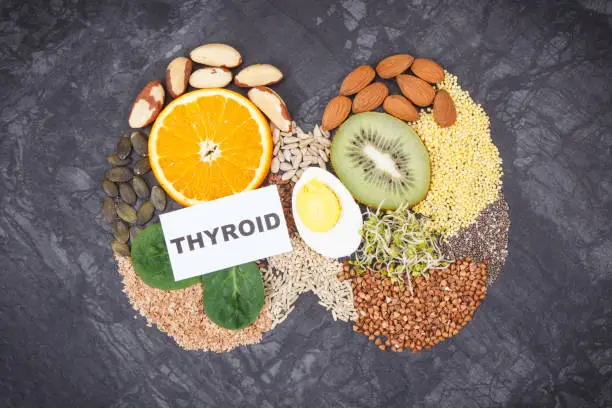
Thyroid friendly foods for hypothyroidism play a vital role in managing symptoms and naturally supporting your thyroid gland. As a doctor, I’ve seen firsthand how diet can improve energy, metabolism, and hormone balance in patients struggling with hypothyroidism. Adding the right nutrients can make a big difference in how you feel every day. In this comprehensive guide, we’ll explore the best doctor-approved thyroid friendly foods that can help improve your thyroid function and reduce fatigue, weight gain, and lethargy.
What is Hypothyroidism? Causes, Symptoms, and Diagnosis
Causes
The most common cause of hypothyroidism is Hashimoto’s thyroiditis, an autoimmune condition where the immune system attacks the thyroid gland.
- Other causes include:
- Thyroiditis (inflammation of the thyroid)
- Surgical removal of the thyroid gland
- Radiation therapy for head and neck cancer
- Congenital hypothyroidism (present at birth)
- Iodine deficiency (rare in developed countries but still a global concern)
- Certain medications (e.g., lithium) Read in Detail About:[Causes of Hypothyroidism in Female]
Symptoms
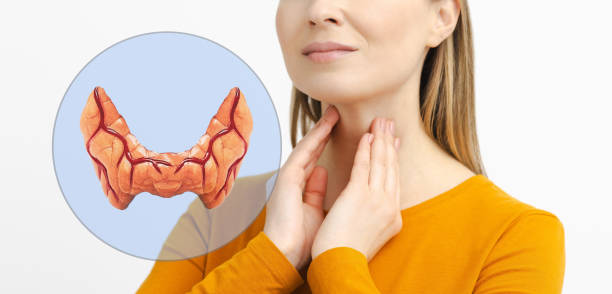
Symptoms of hypothyroidism can be subtle and develop gradually. Common symptoms include:
- Fatigue and lethargy.
- Weight gain
- Sensitivity to cold
- Constipation
- Dry skin and hair
- Depression
- Muscle weakness and joint pain
- Heavy or irregular menstrual periods
Read in Detail About:[ symptoms of hypothyroidism in females]
Diagnosis
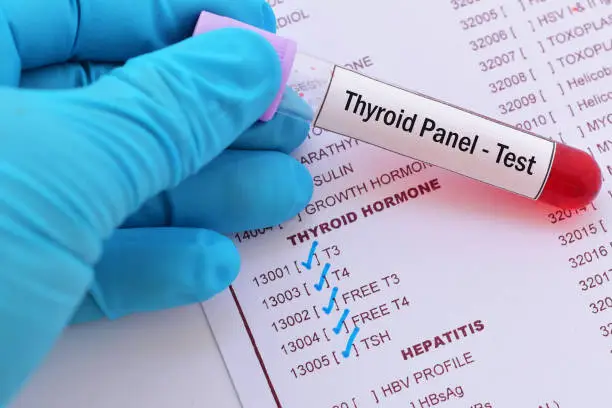
Diagnosis is usually made through blood tests that measure thyroid-stimulating hormone (TSH) and thyroid hormone levels (T4 and T3). If you suspect you have hypothyroidism, consult a healthcare provider for proper testing and diagnosis.
4. How Diet Affects Thyroid Health
Diet plays an important role in thyroid health, especially for people with hypothyroidism. The thyroid needs certain nutrients to produce hormones and function effectively. Deficiencies in iodine, selenium, zinc, and vitamin D can impair thyroid function, while certain foods can interfere with hormone production or the absorption of medications.
A well-balanced diet for hypothyroidism can:
- Support thyroid hormWA2one synthesis
- Reduce inflammation (especially in autoimmune thyroiditis)
- Improve energy levels and metabolism
- Help manage weight and other symptoms.
However, some foods such as those high in goitrogens or some processed foods can interfere with thyroid function if eaten in excess.
Comprehensive List of Thyroid Friendly Foods for hypothyroidism
Here is a detailed list of thyroid friendly foods that help with hypothyroidism and improve thyroid function.
1. Iodine-rich foods is the key in Thyroid friendly foods for hypothyroidism
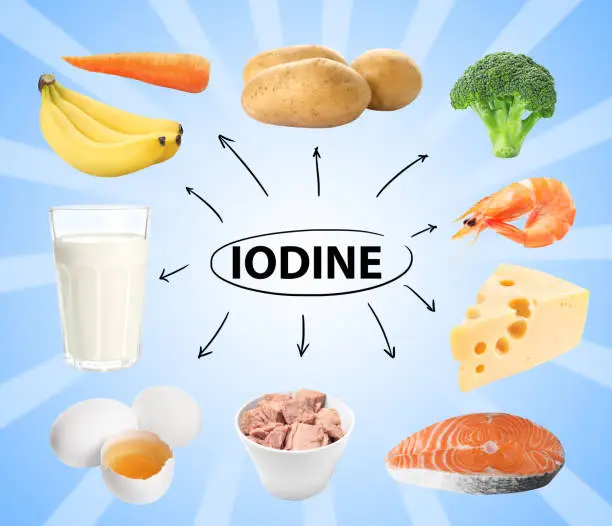
Rich food sources of iodine for thyroid
Examples: seaweed (kelp, nori, wakame), iodized salt
Iodine is essential for the production of thyroid hormones. People with hypothyroidism often have low iodine levels, especially if they avoid iodized salt or live in areas with iodine-deficient soil. Seaweed is one of the most iodine-rich natural foods and supports healthy thyroid function. However, iodine intake should be balanced, as too much consumption can also affect the thyroid.
2. Selenium-rich foods
Examples: Brazil nuts, sunflower seeds, eggs, tuna, turkey
Selenium is a powerful antioxidant and should be included in diet for hypothyroidism, that protects the thyroid gland from oxidative stress and helps convert T4 (inactive thyroid hormone) to T3 (active thyroid hormone). Brazil nuts are one of the richest sources of selenium just 1 or 2 per day can meet your daily needs.
3. Zinc-rich foods
Examples: Oysters, beef, chicken, legumes (chickpeas, lentils), pumpkin seeds
Zinc plays an important role in thyroid hormone production and immune function and should be a part of diet for hypothyroidism. Low levels of zinc can worsen hypothyroid symptoms. Including zinc-rich foods supports the enzymatic processes needed for thyroid health.
4. Tyrosine-Rich Foods
Examples: Chicken, Turkey, Dairy Products, Almonds, Avocado
Tyrosine is an amino acid used to synthesize thyroid hormones (T3 and T4). Protein-rich foods that contain tyrosine help in the formation of thyroid hormones. Avocados also provide healthy fats, which are beneficial for hormone balance.
5. Omega-3 Fatty Acids
Examples: Fatty fish (salmon, sardines, mackerel), flax seed, chia seeds, walnuts
Omega-3s reduce inflammation, which is often elevated in autoimmune thyroid conditions like Hashimoto’s thyroiditis. They also improve heart and brain function, both of which can be affected by low thyroid hormones.Read in Detail About:[Best Vitamins and Minerals for Hypothyroidism]
6. Antioxidant-rich fruits and vegetables
Examples: Berries, spinach, kale, bell peppers, carrots
These foods are packed with vitamins C and A, which protect the thyroid gland from oxidative damage and support immune health. Leafy greens and colourful vegetables provide a range of phytonutrients that help with detoxification and hormone balance.
7. Whole grains (in moderation)
Examples: Oats, quinoa, brown rice, buckwheat
Whole grains provide fiber, which helps relieve constipation a common symptom of hypothyroidism. They also provide B vitamins that support energy metabolism and reduce fatigue. However, those with gluten sensitivity or Hashimoto’s should consider gluten-free grains.
8. Legumes
Examples: Lentils, beans, chickpeas
Rich in protein, fiber, and minerals, legumes help maintain energy levels, support gut health, and provide plant-based nutrients. They are a good option for those looking for a meat-free, thyroid-friendly diet.
9. Dairy (in moderation)
Examples: Yogurt, cheese, milk
Dairy provides iodine and selenium and may benefit individuals without lactose intolerance. Probiotic-rich yogurts also support gut health, which is closely linked to thyroid function and autoimmune responses.
10. Water
While not a food, proper hydration is crucial. Drinking enough water helps prevent fatigue, supports metabolism, and reduces the risk of dry skin and constipation—common issues in hypothyroidism.

Scientific Evidence: How Food Choices Impact Thyroid Health
Iodine and Thyroid Function
Rich food sources of Iodine for thyroid is essential for the synthesis of thyroid hormones. Scientific studies confirm that both iodine deficiency and excess can lead to thyroid dysfunction. Seaweed, fish, dairy, and eggs are proven sources of dietary iodine.
Selenium and Zinc
Selenium is essential for the conversion of T4 to T3 and acts as an antioxidant. Zinc supports TSH production and hormone conversion. Deficiencies in these minerals have been linked to thyroid dysfunction.
Soy and Cruciferous Vegetables
Soy contains isoflavones that may modestly increase TSH levels, especially in people who are iodine deficient. Cruciferous vegetables contain goitrogens, but moderate, cooked consumption is generally safe.
Conclusion
Building a Thyroid-Supportive Lifestyle with Thyroid friendly foods for hypothyroidism
Managing hypothyroidism is a multifaceted process that includes medications, lifestyle changes, and, most importantly, nutrition. By focusing on thyroid friendly foods especially those rich in iodine, selenium, and zinc you can support your thyroid gland and improve your overall health.
Remember to avoid or limit foods that may interfere with thyroid function or medication absorption, and always consult your healthcare provider before making significant dietary changes. A balanced, nutritious diet not only supports thyroid health but also improves energy, mood, and quality of life. Use the meal plans and recipes provided as a starting point, and tailor your diet to your individual needs and preferences. With the right approach, you can thrive with hypothyroidism and enjoy an active, healthy life.(Here are Complete steps towards Healthy life)
FAQS
Eggs are rich in selenium, iodine, and protein—all of which support thyroid function and help maintain hormone balance.
Yes, especially from seaweed. Excessive iodine can also cause thyroid dysfunction. Moderation is key
It is generally recommended to take thyroid medication on an empty stomach, at least 30–60 minutes before eating, and to avoid high-fiber or soy foods close to medication time.
Iodine is essential for thyroid hormone production, supporting metabolism and energy. Top food sources include seaweed (kelp, nori), dairy products (milk, yogurt, cheese), eggs, fish, and iodized salt. Including these regularly in your diet helps maintain healthy thyroid function and prevents iodine deficiency.
Foods rich in iodine, selenium, zinc, tyrosine, and omega-3 fatty acids are beneficial. Examples include seaweed, Brazil nuts, eggs, salmon, chia seeds, berries, and whole grains.
🧑⚕️ About the Author
Dr. Asif, MBBS, MHPE
Dr. Asif is a medical doctor and medical educationist with expertise in simplifying complex health topics for the general public. With a passion for preventive health and evidence-based writing, he helps readers make informed choices about their well-being.
✅ Medically Reviewed By
Dr. T.G., MBBS, FCPS (Endocrinology)
Associate Professor, Endocrinology Ward, HMC Hospital
With over 20 years of clinical experience in managing endocrine disorders, Dr. T.G. ensures that the content is accurate, reliable, and clinically relevant.
⚠️ Medical Disclaimer
This blog is intended for educational and informational purposes only. It is not a substitute for professional medical advice, diagnosis, or treatment. Always seek the advice of your physician or another qualified healthcare provider with any questions you may have regarding a medical condition. Never disregard or delay medical advice based on content you read here.
Leave a Reply