

Introduction
“Why do I get indigestion after eating?” you’re not alone. You’ve just finished eating, but instead of feeling satisfied, you’re bloated, gassy, and uncomfortable. Sound familiar? If you’ve ever wondered,
In my daily practice, I often see patients who describe a burning or heavy feeling in the upper abdomen after eating. Many of them feel uneasy, thinking that something serious is happening. The good news? Most cases of indigestion (or indigestion) aren’t dangerous but they do need attention, especially if they’re persistent.
In this article, I’ll explain the common causes of indigestion after eating, when it can be a red flag, and how to avoid indigestion after eating based on medical knowledge and clinical experience.
What is indigestion?
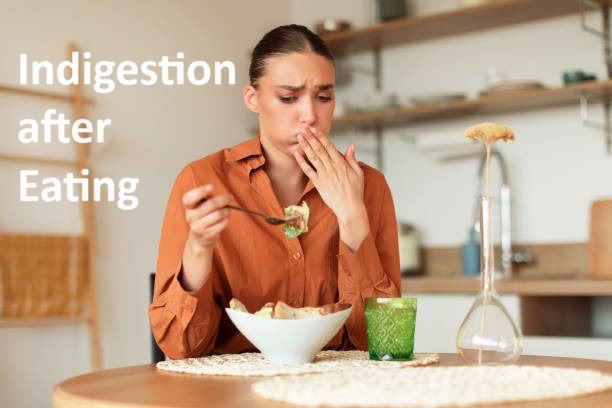
Indigestion, or indigestion, is a general term for discomfort or pain in the upper abdomen that occurs during or after eating. It is not a disease in itself but a group of symptoms – including bloating, nausea, belching, belching and heartburn.
It can range from mild discomfort to severe discomfort that interferes with daily life.
Common causes of indigestion after eating
So, why does indigestion happen after eating? Several everyday triggers can cause it:
1. Eating too fast or too much
When you eat too quickly or overload your stomach, your digestive system struggles to keep up. This causes acid and pressure to back up in the stomach, causing bloating, belching and pain.
2. Greasy or spicy foods
In my clinical practice, many patients experience indigestion after eating fast food, rich gravies, fried snacks, or spicy curries. These foods slow down digestion and irritate the stomach lining.
3. Acid reflux (GERD)
GERD is a major cause of postprandial heartburn. It occurs when stomach acid flows back into the oesophagus, causing heartburn, sour taste, and chest tightness.
4. Helicobacter pylori infection
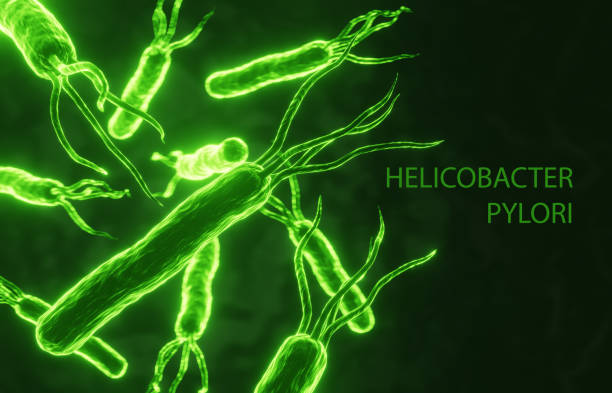
This common stomach bacteria disrupts digestion and can cause chronic gastritis or even peptic ulcers. Testing and treatment are essential in such cases. Learn more about H. pylori from the Mayo Clinic.
5. Food Intolerance
Intolerance to lactose (in milk) or gluten (in wheat) can cause bloating, pain, and gas shortly after eating certain foods.
6. Stress and Anxiety
The gut and brain are closely linked. I have seen many patients whose indigestion flares up during times of emotional stress or anxiety. This condition is often called functional dyspepsia.
7. Carbonated drinks
The fizz in sodas and sparkling waters comes from carbon dioxide. When you drink them, this gas builds up in your stomach, creating pressure that can push acid up into your esophagus, causing belching, bloating, and heartburn.
8. Caffeine and coffee
Caffeine relaxes the lower esophageal sphincter (LES), the valve that keeps stomach acid from flowing back up. When this muscle relaxes, acid can leak out, irritating the esophagus. Coffee is also acidic, which can directly cause heartburn.
9. Alcohol Consumption
Like caffeine, alcohol can relax the LES, promoting acid reflux. It also directly irritates the stomach lining and increases stomach acid production, creating a perfect storm for indigestion.
10. Smoking
Chemicals in cigarette smoke weaken the LES and impair the stomach’s ability to protect itself from stomach acid. Smoking also reduces saliva production, which naturally helps neutralize stomach acid.
When should you worry about indigestion?
Occasional indigestion is normal, but certain warning signs warrant medical evaluation:
- Unexplained weight loss
- Persistent vomiting
- Black or bloody stools
- Difficulty swallowing
- Severe, persistent upper abdominal pain
As I always tell my patients, if indigestion lasts more than two weeks or is accompanied by alarming symptoms, don’t delay a consultation. You may need tests like blood work, a breath test, or an endoscopy to rule out serious problems.
Natural Remedies for Indigestion Relief
Here are some simple, evidence-backed natural solutions that help many of my patients:
Ginger
Ginger speeds up stomach emptying and relieves heartburn. Try drinking ginger tea after meals or chewing a small piece raw.
Peppermint
Peppermint oil capsules or tea can reduce pain and bloating, especially in people with IBS-related indigestion.
Fennel Seeds
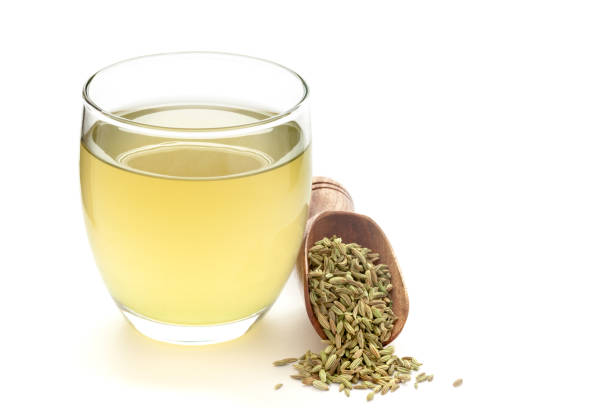
Fennel has carminative properties. Chewing 1 teaspoon of fennel seeds after a meal can help ease gas and bloating.
Warm Water with Lemon
Although lemon is acidic, when mixed with warm water, it can speed up digestion and reduce bloating.
Foods that help relieve indigestion after eating.
Choosing the right foods can make a big difference in managing digestive discomfort. Based on both science and patient feedback, here are some gut-friendly foods:
- Oatmeal – easy to digest, soothing to the stomach.
- Bananas – naturally antacid and rich in fiber.
- Boiled rice – light and bland, good during flare-ups.
- Yogurt with probiotics – restores healthy gut bacteria.
- Chamomile tea – calms the digestive system and nerves.
If you regularly experience indigestion after meals, try adding these to your diet.
Simple lifestyle changes to avoid indigestion after eating
1. Eat slowly and mindfully.
Chew well and avoid distractions while eating.
2. Avoid lying down after eating.
Wait at least 2-3 hours before lying down. Try a short walk instead.
3. Cut down on carbonated drinks.
Sodas and fizzy drinks increase stomach gas and pressure.
4. Limit alcohol and caffeine.
These can irritate the stomach lining and trigger reflux.
5. Reduce stress.
Yoga, breathing exercises, or journaling can help ease active indigestion.
Medical treatment (when needed) for indigestion after eating
If natural methods don’t work or symptoms are severe, medical treatment may be needed:
- Antacids – temporary relief from acid.
- H2 blockers (e.g., ranitidine) – reduce stomach acid.
- Proton pump inhibitors (e.g., omeprazole) – long-term acid suppression.
- Antibiotics – if H. pylori is detected.
Always check with your doctor before starting any medication. Read more about indigestion treatment on the NHS.
Final Thoughts: Know Your Gut, Take Action
Indigestion after eating is common but not something you have to live with. Whether it’s your food choices, eating habits, or an underlying medical condition, identifying the cause is the first step toward relief.
As I’ve experienced in my clinical practice, many patients find great relief simply by changing their diet, eating slowly, managing stress, and using natural remedies. Others may need testing and treatment.
If your symptoms persist or worsen, don’t ignore them. Seek medical advice for proper diagnosis and care.
Let’s keep your gut happy!
If this blog has helped you understand “why do I get indigestion after eating,” share it with friends and family. And don’t forget to subscribe to my blog for more expert-backed tips on gut health, nutrition, and lifestyle.
Let’s keep your digestion smooth and your meals enjoyable!
FAQS
To prevent indigestion, try to eat smaller, more frequent meals and chew your food thoroughly. Avoid known trigger foods like spicy, fatty, or acidic items. Managing stress through exercise or mindfulness can also help. Limiting alcohol and caffeine, and not lying down immediately after eating are also effective strategies.
Indigestion is often caused by eating too much, too quickly, or eating fatty and spicy foods. Other common triggers include stress, smoking, excessive alcohol consumption, and certain medications. In some cases, it can be a symptom of a more serious condition like GERD, ulcers, or gallbladder disease.
Certain foods can worsen indigestion. These include fatty and fried foods, which take longer to digest, and spicy foods that can irritate the stomach lining. It’s also best to limit or avoid acidic foods like tomatoes and citrus fruits, as well as caffeine, alcohol, and carbonated beverages, which can all increase stomach acid production.
While occasional indigestion is usually not a cause for concern, you should consult a doctor if your symptoms are severe, frequent, or persistent. Seek medical attention if you experience unexplained weight loss, difficulty swallowing, or black, tarry stools. These could be signs of a more serious underlying condition that requires professional diagnosis and treatment.
While occasional indigestion is usually not a cause for concern, you should consult a doctor if your symptoms are severe, frequent, or persistent. Seek medical attention if you experience unexplained weight loss, difficulty swallowing, or black, tarry stools. These could be signs of a more serious underlying condition that requires professional diagnosis and treatment.
🧑⚕️ About the Author
Dr. Asif, MBBS, MHPE
Dr. Asif is a licensed medical doctor and qualified medical educationist with a Master’s in Health Professions Education (MHPE) and 18 years of clinical experience. He specializes in gut health and mental wellness. Through his blogs, Dr. Asif shares evidence-based insights to empower readers with practical, trustworthy health information for a better, healthier life.
⚠️ Medical Disclaimer
This blog is intended for educational and informational purposes only. It is not a substitute for professional medical advice, diagnosis, or treatment. Always seek the advice of your physician or another qualified healthcare provider with any questions you may have regarding a medical condition. Never disregard or delay medical advice based on content you read here.


Leave a Reply