

Introduction
What helps constipation after gallbladder surgery? This is a question I hear often in my practice. Many patients feel relief after gallbladder removal (cholecystectomy) because it eliminates painful gallstone attacks, but some are surprised to experience constipation afterward.
I remember one of my patients, a 48 year old woman, who came in for a follow up a week after her surgery. She said, “Doc, I thought my pain would go away after gallbladder surgery but now I haven’t had a bowel movement in days.” Her story is not uncommon.
Constipation after gallbladder removal is often temporary, but it can make recovery painful. The good news? Constipation can be safely relieved with the right diet, lifestyle changes, and sometimes medical help.
In this guide, I’ll explain why constipation happens after gallbladder surgery and share doctor-approved strategies for what helps with constipation after gallbladder surgery from diet and hydration to medications and long-term lifestyle adjustments.
What Helps Constipation After Gallbladder Surgery: Understanding the Root Cause
Role of the Gallbladder in Digestion
The gallbladder is a small, pear-shaped organ located beneath the liver. Though it’s not essential for survival, it plays an important role in digestion especially in the breakdown of fats.
How the Gallbladder Works
Bile Production – The liver produces bile, a fluid that contains bile salts, cholesterol, and waste products.
Bile Storage – The gallbladder stores and concentrates this bile, making it stronger and more effective.
Bile Release During Meals – When you eat a fatty meal, the gallbladder contracts and releases bile into the small intestine through the bile duct.
Why Bile is Important
Fat Digestion: Bile breaks large fat droplets into smaller particles (emulsification), making it easier for enzymes like lipase to digest them.
Vitamin Absorption: It helps the body absorb fat-soluble vitamins (A, D, E, and K).
Waste Removal: Bile carries waste products like bilirubin and excess cholesterol out of the body.
What Happens Without a Gallbladder
When the gallbladder is removed (cholecystectomy):
Bile still comes from the liver, but instead of being stored and concentrated, it drips continuously into the intestine.
This can sometimes cause digestive changes diarrhea in some patients, constipation in others.
Over time, most people adjust, but dietary changes (smaller, balanced meals with fiber) help the transition.
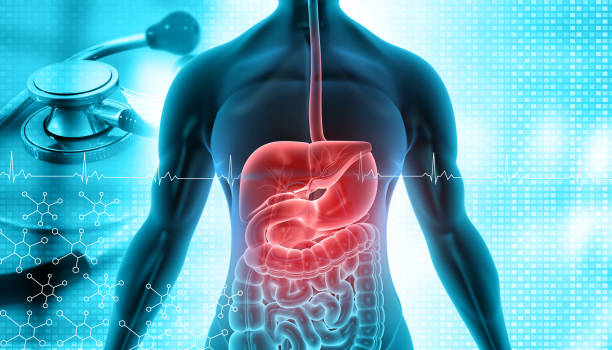
Clinical note: I often explain it to my patients like this: “The liver is like a factory making bile, while the gallbladder is like the warehouse storing and releasing it when needed. After surgery, the factory is still working, but the warehouse is gone so the supply system changes.”
Here are more causes of Constipation after Gallbladder Removal.
- Post surgery medications: Painkillers (especially opioids) and anesthesia slow down bowel movements.
- Decreased mobility: Many patients rest more than usual after surgery, which can lead to decreased bowel movements.
- Dietary restrictions: In the early days, patients avoid fatty or fibrous foods, which can lead to decreased fiber intake.
- Dehydration: Some patients drink less water after surgery due to nausea or discomfort.
In fact, a study published in Surgical Endoscopy (2017) found that up to 25-30% of patients experience changes in bowel habits in the first few weeks after cholecystectomy.
Signs You’re Experiencing Post Surgery Constipation
Constipation isn’t just about fewer bowel movements it can also cause:
- Hard, dry stools.
- Bloating and gas.
- Straining or discomfort during bowel movements.
- A feeling of incomplete evacuation.
- Abdominal heaviness or pain.
When to worry: If constipation persists for more than a week, is associated with severe abdominal pain, vomiting, or the inability to pass gas, it may indicate a complication that requires immediate medical attention.
What helps constipation after gallbladder surgery: Evidence-based solutions
It doesn’t take drastic measures to control constipation small but consistent changes make a big difference.
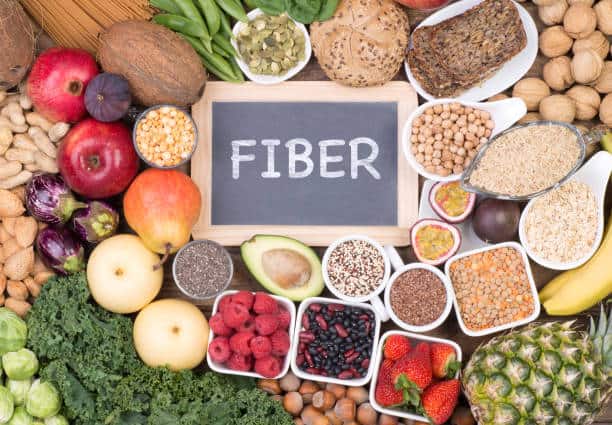
1. Increase your fiber intake. (Read fiber rich food)
- Aim for 25-30 grams of fiber (fruits, vegetables, whole grains, legumes) per day.
- Introduce fiber gradually to avoid gas and bloating.
2. Stay hydrated
- Drink 6-8 glasses of water per day.
- Warm fluids (such as herbal teas) can stimulate bowel movements.
3. Gentle physical activity
- Start taking short walks as soon as your doctor allows.
- Even a 10-15 minute walk can stimulate bowel movements.
4. Use of Probiotics for Constipation Relief
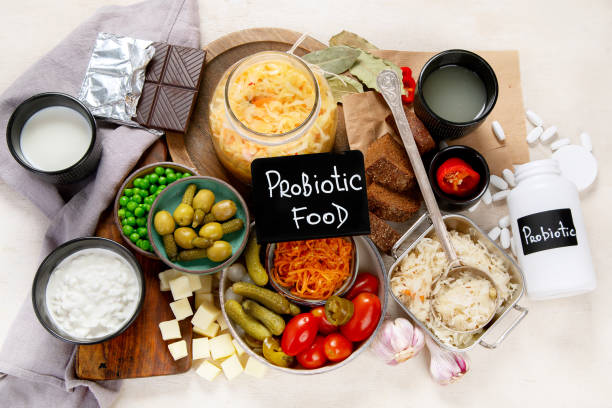
Probiotics are “good bacteria” that support a healthy gut environment. After gallbladder surgery, your digestive system can feel unsettled, and constipation may partly be linked to changes in gut flora.
How they help: Probiotics improve bowel regularity, soften stools, and restore balance in the intestines.
Sources: Yogurt with live cultures, kefir, sauerkraut, kimchi, and probiotic supplements.
Evidence: A review in Nutrients (2020) found that certain probiotic strains, especially Bifidobacterium and Lactobacillus, can significantly improve constipation.
5. Stool softeners and laxatives
- Over the counter stool softeners (such as dacosta sodium) can help.
- Osmotic laxatives (such as lactulose) may be prescribed if needed.
Always consult your doctor before prolonged use.
Bullet points: Quick relief tips
- Drink a glass of lukewarm water in the morning.
- Eat a small bowl of oatmeal with fruit.
- Avoid skipping meals.
- Take a short walk after meals.
Mayo Clinic – Constipation: Symptoms and Causes
Diet Tips: What Helps Constipation After Gallbladder Surgery
Your diet plays the biggest role in relieving and promoting constipation after gallbladder surgery.
Best Foods to Relieve Constipation
- Fruits: Apples, pears, plums, prunes.
- Vegetables: Leafy greens, broccoli, carrots.
- Whole grains: Oats, brown rice, quinoa.
- Legumes: Lentils, beans, chickpeas.
- Fermented foods: Yogurt, kefir, kimchi.
Foods to Avoid
- Fried and fatty foods.
- Processed foods that are low in fiber.
- Too much cheese or refined carbohydrates (white bread, pasta).
For more guidance, see my detailed blog on a diet plan for gallstone patients
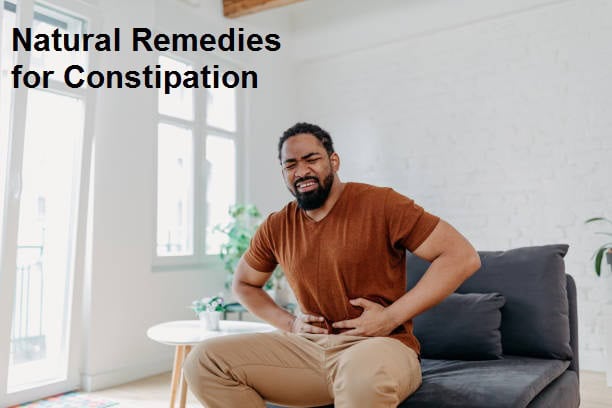
Home remedies and natural methods (Natural remedies for constipation)
Some simple natural methods can help with bowel regularity:
- Cabbage and cranberry juice – clinically proven natural laxatives.
- Add flaxseeds and chia seeds – soluble fiber + omega-3s.
- Warm lemon water in the morning – mild stimulant for the intestines.
- Gentle abdominal massage – improves bowel movements.
Clinical insight: In my experience, patients often respond well to probiotics (such as yogurt or supplements) after gallbladder surgery. They help restore healthy gut bacteria and improve digestion.
Medical interventions and when to see a doctor.
Medical Options for Constipation After Gallbladder Surgery
Sometimes, lifestyle and diet changes aren’t enough, and medications may be needed. Always use these under a doctor’s supervision:
Stool Softeners
Example: Docusate sodium (Colace®)
Usual dose: 100–200 mg once or twice daily.
Duration: Short-term use (a few days) until stools become softer.
Osmotic Laxatives
Example: Lactulose syrup (10–20 ml once or twice daily) or Polyethylene glycol (PEG 3350, MiraLAX®) (17 g dissolved in water once daily).
They work by drawing water into the bowel to ease stool passage.
Duration: Safe for a few days to weeks under medical guidance.
Prescription Prokinetic Agents (if motility is impaired)
Example: Prucalopride (2 mg once daily) or Itopride (50 mg three times daily).
These stimulate bowel movement when constipation is due to sluggish gut motility.
Duration: Only prescribed after evaluation by a gastroenterologist.
Important: Self medicating is not recommended. Always consult your doctor before starting any laxative, especially if constipation is severe, prolonged, or associated with abdominal pain.
When to seek immediate medical attention:
- Severe abdominal pain.
- No bowel movements for more than 5-7 days.
- Vomiting with bloating.
- Signs of a bowel obstruction.
What helps constipation after gallbladder surgery in the long term?
Long-term bowel health requires consistent habits:
- Balanced diet: Eat regular meals with fiber.
- Hydration: Keep water intake consistent.
- Regular physical activity: Walk, yoga, or light exercise.
- Gut microbiome maintenance: Add probiotics regularly.
Related reading:
Foods That Dissolve Gallstones
Rarely Discussed Insight: The Bile-Gut Motility Connection
Here’s something that most articles miss: Bile doesn’t just digest fat it also regulates bowel movements.
After the gallbladder is removed, bile continues to flow into the intestine, which can disrupt the natural rhythm of bowel movements.
Some patients develop IBS like symptoms (constipation alternating with diarrhea).
A study in the World Journal of Gastroenterology (2015) found that changes in bile acid metabolism significantly affect colonic transit time.
Clinical experience: I have seen patients improve when they adjust their fiber intake gradually rather than suddenly, as too much fiber at once can worsen bloating after surgery.
Conclusion
To summarize, what helps with constipation after gallbladder surgery comes down to a few simple but consistent habits:
- Eat a high fiber diet with fruits, vegetables, and whole grains.
- Stay hydrated, aiming to drink 6-8 glasses of water daily.
- Walk regularly or engage in light activity to help speed up digestion.
- Use probiotics and natural remedies like prunes or flaxseeds for gentle support.
- Seek medical help if constipation is severe, prolonged, or associated with other symptoms.
Recovery after gallbladder surgery is different for everyone. What works for one person may not work for another. Be patient with your body monitor how your bowels respond, and make small adjustments to your diet, hydration, and activity. With consistent effort, constipation usually improves, and long term digestion becomes much smoother.
Call to Action
Have you experienced constipation after gallbladder surgery? Share your recovery journey in the comments below your story may help others feel less alone.
If constipation continues to bother you after trying these tips, consult your doctor for personalized care. Every patient’s recovery is unique, and professional guidance ensures a safe healing.
FAQS
Constipation after gallbladder surgery is usually temporary. For most people, bowel function returns to normal within a few days to a week. If you’re taking opioids for pain, it may take a bit longer. If it persists for more than a week or becomes severe, you should contact your doctor.
Yes, it’s common in the first few weeks.
Yes, a change in bowel movements is very common after a cholecystectomy. The gallbladder stores bile, which helps digest fats. After its removal, bile flows directly from your liver into your small intestine. This can lead to various changes in your bowel habits, including:
- Diarrhea: Some people experience loose stools, especially after eating fatty meals. This is often called post-cholecystectomy diarrhea.
- Constipation: As mentioned, a change in diet, activity, and medication can cause constipation.
These changes usually improve over time as your body adjusts.
Here are some effective ways to relieve constipation after surgery:
- Increase fluid intake: Drink plenty of water. Staying hydrated is crucial for maintaining soft stools.
- Eat fiber-rich foods: Gradually add foods like whole grains, fruits, and vegetables to your diet.
- Move around: As soon as your doctor allows, get up and walk around. Even short walks can help stimulate your bowels. 🚶♂️
- Use stool softeners: Your doctor may recommend an over-the-counter stool softener like docusate sodium to make stools easier to pass.
- Avoid certain foods: In the initial days after surgery, it’s a good idea to limit fatty or processed foods, which can be harder to digest.
Constipation after gallbladder surgery, or cholecystectomy, is a common side effect. It can be caused by several factors:
- Pain medication: Post-operative pain relievers, especially opioids, are a major cause. Opioids slow down the movement of your intestines, leading to constipation.
- Anesthesia: The effects of general anesthesia can temporarily slow down your bowel function.
- Reduced physical activity: Lying in bed or being less active post-surgery slows your digestive system.
- Dietary changes: You may not be eating enough fiber or drinking enough fluids after your surgery, which can contribute to constipation.
🧑⚕️ About the Author
Dr. Asif, MBBS, MHPE
Dr. Asif is a licensed medical doctor and qualified medical educationist with a Master’s in Health Professions Education (MHPE) and 18 years of clinical experience. He specializes in gut health and mental wellness. Through his blogs, Dr. Asif shares evidence-based insights to empower readers with practical, trustworthy health information for a better, healthier life.
⚠️ Medical Disclaimer
This blog is intended for educational and informational purposes only. It is not a substitute for professional medical advice, diagnosis, or treatment. Always seek the advice of your physician or another qualified healthcare provider with any questions you may have regarding a medical condition. Never disregard or delay medical advice based on content you read here
Leave a Reply