

Introduction
What are the signs and symptoms of hepatitis B? This is one of the most common questions I receive from patients who come to me with liver concerns. Hepatitis B is often called the “silent infection” because many people don’t know they have it until significant liver damage has occurred.
As a licensed physician and medical educator, I want to explain it in a simple, clear, and humane way. Think of your liver as the body’s chemical factory. It works day and night, filtering toxins, storing energy, and manufacturing essential proteins. When hepatitis B strikes, it’s like a hidden enemy silently wreaking havoc on the factory. Sometimes the warning signs are loud (like jaundice), but other times, the signals are so subtle that they’re easily overlooked.
In this blog, I’ll walk you through 10 key signs and symptoms of hepatitis B that everyone should know. I will also explain how they manifest at different stages of the disease, share unique medical insights from my own practice, and provide helpful tips for prevention.
Understand hepatitis B before symptoms appear.
Before diving into the symptoms, it’s important to understand what hepatitis B actually does. The hepatitis B virus (HBV) primarily attacks liver cells (hepatocytes). When the immune system responds, inflammation occurs, causing liver damage.
- Acute hepatitis B → Symptoms appear within 1-4 months after exposure. Some recover completely, while others progress to chronic infection.
- Chronic hepatitis B → Long-term infection that can silently damage the liver for years without any obvious symptoms, leading to fibrosis, cirrhosis, or even liver cancer.
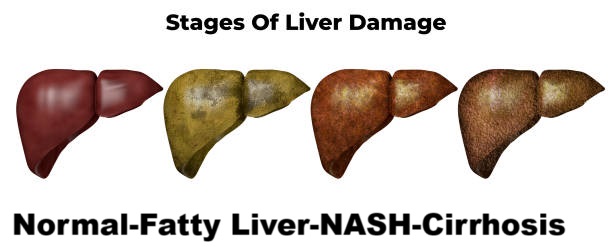
What are the signs and symptoms of hepatitis B? 10 warning signs you shouldn’t ignore.
Now let’s look at the 10 most important signs and symptoms of hepatitis B, explained in simple terms with real medical context.
1. Fatigue and unusual weakness.
One of the early and common symptoms of hepatitis B is persistent fatigue. Patients often describe it as “dragging around all day,” even after a good night’s sleep. This is because the inflamed liver cannot process toxins and nutrients effectively, which reduces the body’s energy.
Doctor’s insight: Many people dismiss fatigue as stress or overwork, but in my clinic, I first diagnosed hepatitis B when a simple blood test was done to check for persistent fatigue.
2. Loss of appetite and nausea
Early symptoms of hepatitis B often include a poor appetite, a bitter taste in the mouth, or nausea after eating. Think of it as your body rejecting food because the liver is struggling to process nutrients.
Patient story: I remember a young man who came in with months of “indigestion.” Routine labs showed hepatitis B infection something he never suspected.
3. Yellowing of the skin and eyes (jaundice)
Jaundice is one of the most obvious symptoms of hepatitis B. It occurs when bilirubin (a yellow pigment from the breakdown of red blood cells) builds up in the blood because the liver is not filtering it properly.
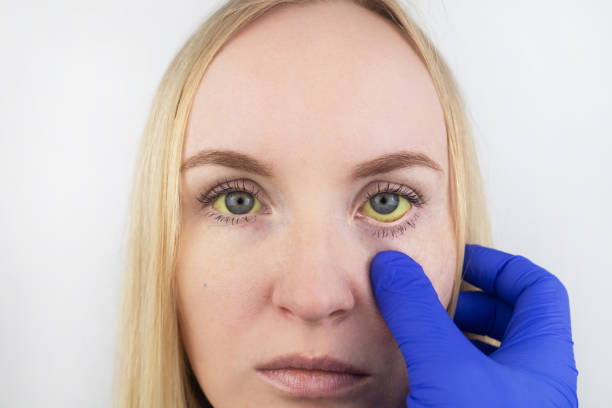
Doctor’s Note: Jaundice is often the first symptom that prompts patients to seek medical attention. If your eyes or skin turn yellow, it’s a clear red flag to see a doctor immediately.
4. Dark urine and pale stools
This combination is a classic symptom of hepatitis B. Dark urine results from excess bilirubin in the urine, while pale or clay colored stools are caused by a blockage in the flow of bile from the liver.
5. Upper right abdominal pain
The liver sits on the upper right side of your abdomen. Hepatitis B inflammation can cause dull or aching pain there, sometimes radiating to the back or shoulder.
6. Fever and flu like symptoms
During acute hepatitis B, the immune system’s fight against the virus can cause fever, chills, muscle aches, and joint pain. Many patients mistake it for a seasonal viral infection.
7. Joint pain and body aches
Interestingly, hepatitis B can also trigger immune related symptoms such as joint pain (arthralgia). This occurs when the body mistakenly attacks its own tissues while trying to fight the virus.
8. Swelling in the legs and abdomen
In chronic hepatitis B, when the liver becomes scarred, fluid retention can cause swelling in the legs (edema) and swelling in the abdomen (swelling). This indicates advanced disease and requires immediate medical attention.

9. Easy bruising and bleeding
A damaged liver cannot produce enough clotting proteins, which puts people with chronic hepatitis B at a higher risk of bruising easily, nosebleeds, or bleeding gums.
10. Mental Confusion (Hepatic Encephalopathy)
One of the most overlooked symptoms of hepatitis B is brain fog or confusion. When the liver fails to filter toxins, they build up in the blood and affect the brain. Patients may appear forgetful, irritable, or anxious.
Rarely Discussed Symptoms of Hepatitis B (Unique Insights)
As a doctor, I want to highlight lesser known symptoms of hepatitis B that don’t always make it into standard health articles:
- Skin Rash (Serum Scabies like Reaction): Some severe HBV patients develop an itchy rash due to immune complex buildup.
- Kidney Problems: Chronic hepatitis B can sometimes affect the kidneys, causing protein to build up in the urine.
- Silent carriers: Up to 70% of chronic carriers can remain symptom free for years but can still transmit the virus (WHO).
Why many people don’t show symptoms.
According to the CDC, about 2 in 3 adults with hepatitis B don’t show any obvious symptoms in the early stages. That’s why the infection spreads silently through families and communities. Getting tested is especially important if you:
- Were born in a high prevalence area (Asia, Africa).
- Live with someone who has hepatitis B.
- Have unprotected sex or share needles.
- Work in healthcare or with blood products.
Read in Details About: [Early symptoms of hepatitis B]
Complications associated with symptoms
The signs and symptoms of hepatitis B are not just discomfort, but they indicate possible complications:
- Persistent jaundice → Risk of liver failure
- Chronic fatigue and ascites → Cirrhosis
- Mental confusion → Hepatic encephalopathy
- Chronic infection → Causes liver cancer in up to 25% (PubMed study)
Read in Detail About: [can hepatitis b be cured permanently]
When to see a doctor
If you notice any of these symptoms of hepatitis B, especially jaundice, persistent fatigue, or abdominal swelling, consult a healthcare professional immediately. A simple blood test (HBsAg, anti-HBs, anti-HBc) can confirm your condition.
References:
CDC – Hepatitis B Information
https://www.cdc.gov/hepatitis/hbv/index.htmWHO – Hepatitis B Fact Sheet
https://www.who.int/news-room/fact-sheets/detail/hepatitis-b
Conclusion and Call to Action
What are the signs and symptoms of hepatitis B? They range from subtle fatigue to dangerous jaundice and abdominal swelling. The tricky part is that many people may not have any symptoms. That’s why awareness, regular testing, and timely vaccination are the keys to prevention.
As a physician, my advice is simple: Don’t ignore your body’s warning signs. If you or a loved one notices any of the symptoms discussed here, seek medical advice. Early diagnosis can prevent lifelong complications.
I’d love to hear from you. Have you or someone you know experienced these symptoms of hepatitis B? Share your thoughts in the comments, ask your questions, or schedule a consultation with your doctor.
For Detail on Vaccination Read:hepatitis B vaccine adult schedule
FAQS
Yes. While there is some overlap, hepatitis C often progresses more silently, whereas hepatitis B may cause more pronounced early signs like jaundice and fever.
Yes. In fact, most people with hepatitis B — especially in the chronic stage — may have no symptoms at all until severe liver damage occurs. This is why regular screening is so important.
No. Symptoms provide important clues, but a blood test is required to confirm hepatitis B. Relying on symptoms alone may lead to delayed diagnosis and treatment.
Symptoms usually appear 1–4 months after exposure to the virus (incubation period). However, some individuals may develop them earlier, while others remain asymptomatic.
The early symptoms of hepatitis B include fatigue, nausea, loss of appetite, mild fever, and sometimes abdominal discomfort. These can easily be mistaken for a flu-like illness.
🧑⚕️ About the Author
Dr. Asif, MBBS, MHPE
Dr. Asif is a licensed medical doctor and qualified medical educationist with a Master’s in Health Professions Education (MHPE) and 18 years of clinical experience. He specializes in gut health and mental wellness. Through his blogs, Dr. Asif shares evidence-based insights to empower readers with practical, trustworthy health information for a better, healthier life.
⚠️ Medical Disclaimer
This blog is intended for educational and informational purposes only. It is not a substitute for professional medical advice, diagnosis, or treatment. Always seek the advice of your physician or another qualified healthcare provider with any questions you may have regarding a medical condition. Never disregard or delay medical advice based on content you read here.
Leave a Reply