

Introduction
What are the common symptoms of gallstones?
As a doctor, one of the most common questions my patients ask me is: “How do I know if my gallstones are causing problems?” Gallstones often lie and people has “silent gallstones” for years, but when symptoms of gallstones do appear, they can be confusing or even worrisome.
In this article, I’ll walk you through the common symptoms of gallstones, what they feel like in real life, and when you should see a healthcare professional. I’ll also share insights from my own clinical experience, along with research based statistics and practical advice.
Did you know? According to the National Institute of Diabetes and Digestive and Kidney Diseases (NIDDK), about 10-15% of adults in the United States have gallstones, but only 20% develop significant symptoms. This means that most stones are silent but the symptoms that do occur can significantly impact daily life.
Understanding gallstones before symptoms
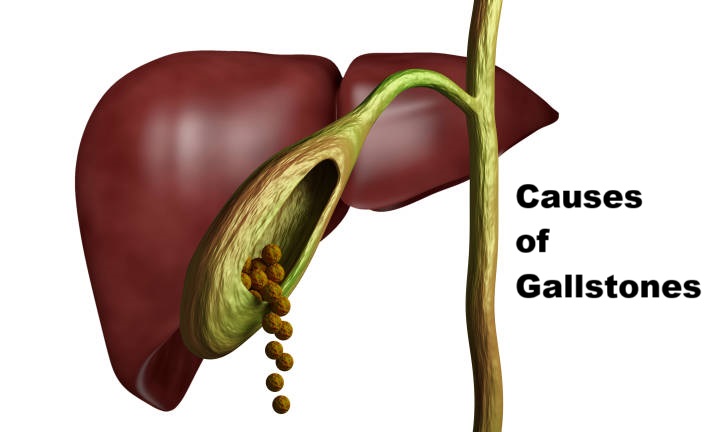
Stones are hard deposits of cholesterol, bile salts, or bilirubin that form inside the gallbladder. The gallbladder is a small organ under your liver that stores bile, which helps digest fats.
Not all stones cause problems, but symptoms occur when they block the flow of bile. These symptoms often mimic other digestive problems, which is why patients sometimes confuse stones with heartburn, heartburn, or even a heart attack.
Unique Insight (Clinical Note):
In my practice, I have seen many patients come to the emergency room convinced they were having a heart attack, when in fact, the pain was from a gallstone. This overlap makes it important to accurately recognize and differentiate between the symptoms of gallstones.
What are the common symptoms of gallstones?
Let’s dive into the common signs and symptoms of gallstones that patients commonly experience.
Gallbladder pain (biliary colic)
The hallmark symptom is sudden, sharp pain in the upper right abdomen. This pain can:
- Last from 30 minutes to several hours.
- Radiate to the right shoulder blade or back.
- Occur after eating a fatty or heavy meal.
- Patients often describe it as a “grabbing” or “stabbing” pain.
Case study: A 42 year old woman once told me, “It feels like someone has tied a belt around my stomach and won’t let go.” This is a classic description of biliary colic.
Nausea and vomiting
Many patients report nausea, indigestion, or vomiting especially after eating fatty foods. This is because gallstones block the flow of bile, interfering with the digestion of fats.
Indigestion and bloating
Discomfort related to gallstones often accompanies common digestive complaints:
- Gas and bloating
- Burping
- Feeling full even after small meals.
This is why gallstones are sometimes misdiagnosed as acid reflux or irritable bowel syndrome.
Jaundice (yellowing of the skin and eyes)
When a gallstone blocks the common bile duct, bile pigments leak back into the bloodstream, resulting in:
- Yellow skin and eyes
- Dark urine
- Yellow stools
This is a red flag sign that requires immediate medical attention.
Fever and chills
If the gallstone causes a gallbladder infection (cholecystitis), patients may experience:
- High fever
- Chills
- Severe abdominal pain
This is an emergency, as untreated infections can spread to the bloodstream.
Silent gallstones
Interestingly, about 80% of gallstone patients never develop symptoms (Mayo Clinic). These are called “silent gallstones” and are often discovered incidentally during an ultrasound scan.
Quick Recap – Common symptoms of gallstones:
- Sudden pain in the upper right abdomen
- Pain after eating fatty foods
- Nausea and vomiting
- Bloating and indigestion
- Jaundice (in severe cases)
- Fever/chills (if affected)
How it differs from other conditions.
Heartburn can mimic many other health problems, which is why patients often misinterpret their symptoms. Here’s how it differs:
Heart attack:
- Chest pain or pressure, radiating to the left arm or jaw.
- It’s often accompanied by sweating, shortness of breath, and dizziness.
- Heartburn is usually in the upper right abdomen and occurs after eating.
Read Hidden Signs of Heart Disease.
Acid reflux (GERD):
- A burning sensation behind the breastbone.
- Worsened when lying down, relieved by antacids.
- Heartburn does not improve with antacids.
Peptic ulcer/gastritis:
- Mild, burning pain in the upper abdomen.
- The pain may be better with eating (in duodenal ulcers) or worse immediately after eating (in gastric ulcers).
Stone pain usually comes on suddenly after a fatty meal.
Kidney stones:
- Severe pain radiating to the lower back.
- Often associated with blood in the urine and urinary urgency.
Stone pain is located in the upper abdomen/right shoulder.
Muscle pain:
- Pain, tenderness, or soreness in the abdominal wall.
- Pain is aggravated by movement, twisting, or pressure on the area.
Stone pain is deep, internal, and not affected by body movement.
Costochondritis:
- Inflammation of the cartilage between the ribs.
- Sharp, localized chest pain is aggravated by deep breathing or pressure on the rib cage.
Stone pain is unrelated to breathing or chest wall pressure.
Liver conditions (eg, hepatitis, liver congestion):
- Cause a dull, constant pain in the right upper abdomen.
- Often associated with fatigue, jaundice, or loss of appetite.
Gallstone pain is associated with eating rather than being sudden, sharp, and constant.
Doctor’s note:
I often explain to patients: “Gallstone pain is like a storm it comes on suddenly, peaks, and then subsides. Other pain, such as muscle or liver-related pain, is more consistent and predictable.”
Risk factors: Who is more likely to develop symptoms of gallstones?
Although gallstones can affect anyone, some people are at higher risk of developing symptoms of gallstones. The well-known “4 F’s” are only part of the story.
Classic risk factors:
- Females: Women are twice as likely to develop gallstones due to the hormonal effects of estrogen and progesterone on bile formation.
- Forties: The risk increases with age, especially after 40.
- Fertile: Pregnancy increases estrogen levels, which slows down gallbladder emptying.
- Fatty: Obesity increases cholesterol levels in bile, which can lead to gallstone formation.
Additional risk factors:
- Diabetes: Changes the composition of bile and increases the risk of gallstones.
- Rapid weight loss: Crash diets or bariatric surgery can trigger gallstone formation due to the rapid mobilization of cholesterol.
- Sedentary lifestyle: Lack of physical activity slows down metabolism, increasing cholesterol imbalance.
- Family history: Genetic predisposition plays a role having a close relative with gallstones significantly increases your risk.
- Race: Certain groups (Native Americans, Hispanics) are more prone to gallstones due to genetic and dietary factors.
- High-fat, low-fiber diet: A diet rich in processed foods, fried foods, and low amounts of fruits/vegetables contributes to stone formation.
Read Causes of Gallstones
Facts:
According to the CDC, about 20 million Americans have gallstones, but only 20-30 percent develop symptoms. Women ages 20-60 are twice as likely to be symptomatic as men.
Diagnosis: How do doctors confirm gallstones?
If you see a doctor with symptoms that you suspect may have gallstones, they may recommend:
- Ultrasound (the most common and accurate test)
- CT scan or MRI (if complications are suspected)
- Blood tests (to check liver enzymes and bilirubin)
Unique approach:
Many patients are anxious about an ultrasound, but it is a painless, quick, and radiation-free test. I often reassure patients that the entire procedure takes less than 15 minutes and provides clear answers.
Managing Gallstone Symptoms: Lifestyle and Treatment
Gallstone symptoms once started, they tend to recur. While some people manage with lifestyle changes, others may require medical or surgical intervention.
Medications
In selected cases, ursodeoxycholic acid may be prescribed to dissolve cholesterol stones, although this is less common and requires months of treatment.
Read in details about “Medicine that dissolve Gallstones“
Surgery (cholecystectomy)
If symptoms of gallstones are recurrent or severe, surgery to remove the gallbladder is recommended. It is safe, commonly performed, and most patients recover within 1-2 weeks.
Read details about Laparoscopic Gallbladder Surgery
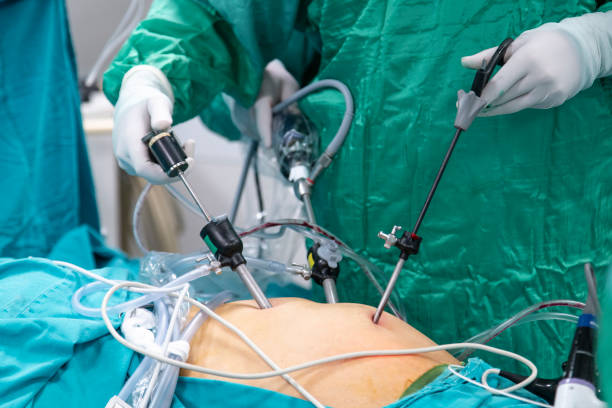
Clinical Note: Many patients are concerned about their digestion after gallbladder removal. In fact, most lead normal lives with only minor dietary adjustments.
Lifestyle and Diet Adjustments
Foods to Avoid:
- Fried Foods (Fries, French Fries, Fried Chicken)
- Full Fat Dairy (Cheese, Cream, Butter)
- Red Meat and Processed Meats (Sausages, Kebabs)
- Sweets and Refined Carbohydrates
Foods to Include:
- High Fiber Fruits and Vegetables (Apples, Pears, Spinach)
- Whole Grains (Brown Rice, Oats, Quinoa)
- Lean Protein (Chicken, Fish, Beans)
- Healthy Fats (Olive Oil, Nuts, Avocado in Moderation)
Practical Advice: I often advise patients, “Think of your gallbladder as a picky eater it likes light, fiber rich foods, not greasy fast food.”
Read in Details “FOODS TO DISSOLVE GALLSTONES”
Preventing Gallstone Symptoms: Doctor’s Tips
- Maintain a high fiber diet (fruits, vegetables, whole grains)
- Avoid crash diets or extreme fasting.
- Exercise regularly.
- Get regular checkups if you’re at high risk.
When to Seek Medical Help
If you experience any of the following, see a doctor immediately:
Severe abdominal pain lasting more than 4 hours
Yellowing of skin/eyes (jaundice)
High fever with chills
Persistent vomiting
These may indicate cholecystitis, pancreatitis, or bile duct obstruction, which are medical emergencies.
Mayo Clinic – Gallstones Symptoms and Causes
Conclusion: Key Takeaways
So, what are the common symptoms of gallstones? They range from sharp abdominal pain and nausea to bloating, jaundice, and in severe cases, fever. While many gallstones are silent, the symptoms that cause them should never be ignored.
From my clinical experience, I always advise patients: “Listen to your body if the pain recurs after eating or you develop warning signs like jaundice or fever, seek medical attention immediately.”
Call to Action
Stones can be confusing, but you don’t have to face them alone. If you’ve ever wondered, “What are the common symptoms of gallstones?” and now recognize some of them in yourself, I encourage you to:
Leave a comment below with your questions or experiences.
Share this article with friends or family who may be at risk.
If you suspect you have stones, consult your doctor for personalized advice.
Your health deserves attention – don’t wait until the pain becomes unbearable.
FAQS
No, many people have gallstones without ever knowing it. These are often called “silent stones” because they don’t cause any noticeable symptoms or require treatment. Symptoms typically only appear when a gallstone blocks a bile duct, leading to a gallbladder attack and the associated pain and discomfort.
If a gallstone causes a significant blockage, more severe symptoms can arise. These include a high fever with chills, a rapid heartbeat, and yellowing of the skin and the whites of the eyes, which is known as jaundice. If you experience any of these more severe symptoms, it is crucial to seek immediate medical attention.
The most frequent and noticeable symptom is a sudden, intense pain in the upper right part of your abdomen. This pain, often called a gallbladder attack or biliary colic, can also be felt in the center of your abdomen, just below the breastbone. It can be quite severe and may last from a few minutes to several hours.
Besides the upper abdomen, gallstone pain can radiate to other areas. It’s common to feel discomfort between your shoulder blades or in your right shoulder. This referred pain occurs because the nerves in that area are connected to the same pathways as the nerves from the gallbladder, sometimes confusing the brain about the pain’s origin.
🧑⚕️ About the Author
Dr. Asif, MBBS, MHPE
Dr. Asif is a licensed medical doctor and qualified medical educationist with a Master’s in Health Professions Education (MHPE) and 18 years of clinical experience. He specializes in gut health and mental wellness. Through his blogs, Dr. Asif shares evidence-based insights to empower readers with practical, trustworthy health information for a better, healthier life.
⚠️ Medical Disclaimer
This blog is intended for educational and informational purposes only. It is not a substitute for professional medical advice, diagnosis, or treatment. Always seek the advice of your physician or another qualified healthcare provider with any questions you may have regarding a medical condition. Never disregard or delay medical advice based on content you read here.
Leave a Reply