

Introduction
Weight gain in hypothyroidism is one of the most frustrating issues my patients face. As a physician and medical educator, I often see people struggling with what feels like an invisible enemy. The scale keeps climbing, or refuses to budge, even when they are careful with diet and try to stay active. Many patients come to me with the same concern: “Doc, why am I gaining weight even when I hardly eat?” This is not just about calories it’s about the way hypothyroidism slows metabolism, alters hormones, and affects fluid balance. Understanding this connection is the first step toward regaining control of your health.
If you’re facing this challenge, you’re not alone. Studies estimate that up to 70% of people with untreated hypothyroidism experience weight gain (PubMed, 2016).
In this article, I’ll break down the science behind weight gain in hypothyroidism, share clinical insights from real life patient experiences, and provide practical strategies for managing it effectively.
What is weight gain in hypothyroidism?
Weight gain in hypothyroidism occurs because low thyroid hormone slows metabolism, reduces energy expenditure, and causes fluid retention. On average, people with untreated hypothyroidism gain 5-10 pounds, mainly due to water and salt retention rather than fat. Proper thyroid treatment, a balanced diet, and regular activity can help reverse these changes. (American Thyroid Association, 2020).
Does hypothyroidism cause weight gain?
Yes, but not always in the way the patient expects.
- Mild hypothyroidism (subclinical): Weight change may be minimal.
- Moderate to severe hypothyroidism: Weight gain is more pronounced due to fluid retention, slow metabolism, and increased fatigue (reduced physical activity).
Research evidence:
A landmark study in the Journal of Clinical Endocrinology and Metabolism (2011) found that correcting hypothyroidism with levothyroxine resulted in an average weight loss of 3-5 kg.
Another PubMed study (2016) confirmed that most hypothyroid related weight gain is due to extracellular fluid retention, not fat mass.
What causes weight gain in hypothyroidism?
Weight gain in hypothyroidism is caused by a number of interrelated mechanisms. Thyroid hormones are responsible for regulating metabolism, energy balance, and fat utilization. When hormone levels drop, the body begins to conserve calories and store excess fat, while also retaining fluids. As a result, patients often experience gradual weight gain, even without a change in diet. Let’s look at the main reasons for this in detail:
1. Decreased metabolic rate
Thyroid hormones (T3 and T4) control how quickly your body burns energy. In hypothyroidism, the metabolic rate drops significantly, meaning you burn fewer calories at rest and during daily activities. Even if your eating habits do not change, the body stores excess calories as fat. This is why many patients see slow but steady weight gain despite eating “normally.” A slow metabolism is the most important factor linking hypothyroidism to weight changes.
2. Water and salt retention
One of the lesser known causes of weight gain is fluid retention. Hypothyroidism alters kidney function and reduces the body’s ability to process sodium and water efficiently. This causes swelling in the hands, feet, and face, adding up to several pounds that are not actual fat gain. Clinically, I often see patients lose some of this “water weight” when their thyroid levels are corrected with treatment.
3. Increased fat storage
When thyroid function is low, the body conserves energy as a survival mechanism. Instead of burning calories for energy, more of them are converted to fat, especially around the stomach and thighs. This explains why hypothyroid patients often gain weight without eating much. Studies show that hypothyroid people are more likely to have central obesity, which is linked to other health risks, such as diabetes and heart disease.
4. Hormonal imbalances beyond the thyroid
Hypothyroidism doesn’t just affect thyroid hormones; it also disrupts other metabolic regulators. Low thyroid hormone can reduce insulin sensitivity, leading to higher blood sugar and fat storage. Cortisol (the stress hormone) can increase, which also promotes weight gain. In women, estrogen imbalances can worsen fat storage. These combined effects make weight management more difficult than for people with normal thyroid function.
5. Decreased physical activity
Patients with hypothyroidism often feel tired, weak, or even depressed. This reduces the incentive for physical activity, resulting in fewer calories burned each day. Over time, even a small decrease in daily activity can lead to significant weight gain. Muscle fatigue and joint stiffness also contribute to a sedentary lifestyle, creating a cycle where inactivity further slows metabolism and makes it harder to control weight.
6. Altered lipid metabolism
The thyroid gland plays a key role in fat metabolism. With hypothyroidism, the body becomes less efficient at breaking down cholesterol and triglycerides. This leads to high cholesterol levels, but it also means that fat is stored instead of used as energy. This dual effect slow fat burning and increased fat storage can lead to weight gain as well as increased cardiovascular risk.
7. Changes in appetite
Some people with hypothyroidism report changes in appetite. This may be due to a hormonal imbalance in leptin and ghrelin, hormones that regulate hunger and satiety. While not everyone feels hungry, those who do may eat more without realizing it. Combined with a slow metabolism, even a small increase in calorie intake can lead to significant weight gain over time.
8. Medication related factors
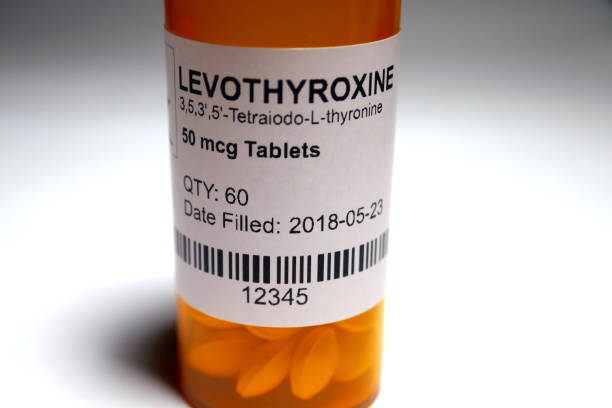
Levothyroxine, the standard treatment for hypothyroidism, usually helps with weight gain. However, the wrong diet can either under or over correct thyroid levels. Insufficient replacement keeps metabolism low, while over treatment can cause weight fluctuations. Other medications that are often prescribed with thyroid medications, such as beta blockers, steroids, or antidepressants, can also contribute to weight gain, adding to the complexity of management.
9. Loss of muscle mass
Low levels of thyroid hormone lead to muscle protein breakdown and decreased muscle strength. Since muscle tissue is metabolically active and burns calories even at rest, losing muscle further reduces your daily energy expenditure. This creates a vicious cycle: the less muscle you have, the fewer calories you burn, making it easier to store fat. Many sufferers experience both weight gain and loss of muscle tone.
10. Psychological Effects
Hypothyroidism can cause mood swings, low motivation, and depression. Emotional stress often leads to “comfort eating” or cravings for high carb, high fat foods. In my clinical experience, patients sometimes struggle with weight not only because of the physical changes but also the emotional ones. This psychological impact should not be underestimated it plays a significant role in how hypothyroidism indirectly promotes weight gain.
Weight gain in hypothyroidism vs. obesity
It’s important to make the distinction.
- Weight gain in hypothyroidism: Typically 5-10 lbs, partially reversible with treatment.
- Obesity: Multifactorial calories, lifestyle, genetics, environment.
Doctor’s Tip: Many patients diagnosed with obesity sometimes mistakenly believe that it’s all because of thyroid problems. In fact, hypothyroidism contributes to it, but it’s rarely the sole cause of significant obesity.
How to control your weight with hypothyroidism.
Medical treatment first
Weight management is impossible without correcting the root of the problem. Levothyroxine replacement restores thyroid hormone balance. Once treatment stabilizes TSH, metabolism begins to return to normal.
Data: According to the American Thyroid Association (ATA, 2020), most patients lose about 50% of the weight they gained after treatment for hypothyroidism.
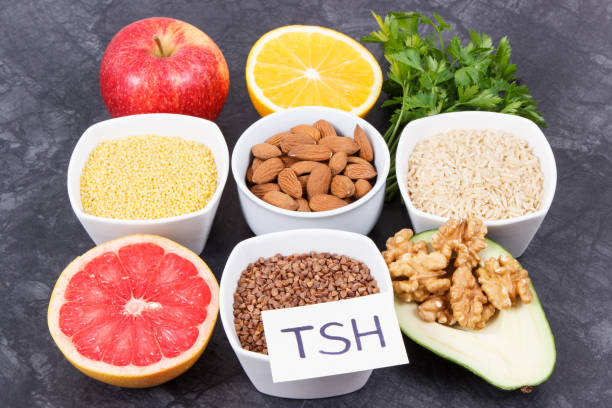
Thyroid friendly diet
- Focus on protein rich foods → Maintains muscle mass and increases satiety.
- Include fiber rich foods → Helps with digestion and weight control.
- Eat foods rich in iodine (Read in detail About: Iodine-rich foods).
- Choose thyroid-friendly foods (Read in details About: Thyroid-friendly foods for hypothyroidism).
Exercise and movement
- Light to moderate activity also helps:
- Brisk walking 30 minutes per day
- Resistance training (2–3x per week) Prevents muscle loss from slow metabolism.
- Yoga improves mood and energy levels.
Medications that affect the thyroid and weight.
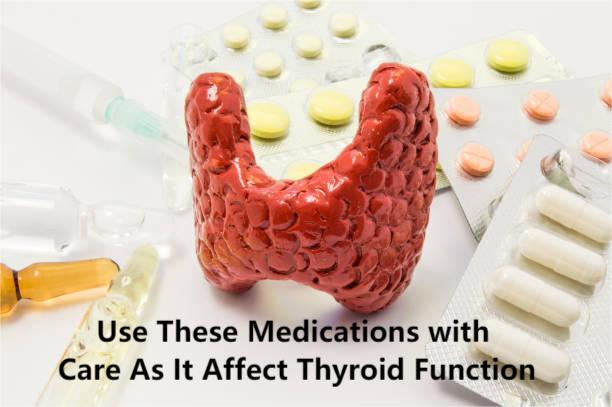
Certain medications (such as beta blockers, lithium, or corticosteroids) can worsen weight gain when combined with hypothyroidism (Read in details about: Medications That Affect Thyroid Function). Always consult your doctor before making changes.
Rarely Discussed Factors in Hypothyroid Weight Gain
As a clinician, here are insights often missing from general blogs:
- Gut health plays a role Hypothyroidism slows digestion, leading to constipation, bloating, and changes in the gut microbiome, which can indirectly affect weight.
- Sleep quality Poor sleep due to fatigue related to hypothyroidism disrupts leptin and ghrelin, the hormones that control appetite.
- Mental health Depression and low energy often reduce motivation to be active, resulting in gradual weight gain.
Patient story (case example)
A 36 year old woman visited my clinic, frustrated by a 12 pound gain in 6 months. Despite calorie control, she felt constantly bloated. After blood work, she was diagnosed with hypothyroidism (TSH: 12 mIU/L).
We started levothyroxine therapy, and within 3 months, she lost 7 pounds, mostly water weight. With dietary adjustments (more protein, more fiber) and light exercise, she gradually stabilized.
Monitoring and Maintaining Normal TSH
Thyroid function needs to be within the normal range to stabilize weight. Regular follow up tests are important. (Read in details About: How to Maintain Normal TSH).
Reference: CDC: Thyroid Disease Information
Conclusion and Call to Action
Weight gain in hypothyroidism is a real, biologically driven phenomenon not just a “loss of energy.” With the right combination of thyroid treatment, diet, activity, and follow up, most patients can successfully control their weight.
As a physician, I encourage you not to give up hope. If you’re struggling, consult your physician, monitor your thyroid function, and implement the strategies discussed here.
Have questions or personal experiences about weight gain in hypothyroidism? Share them in the comments below I’d love to hear from you and guide you further.
FAQS
Yes. Once thyroid hormone levels are corrected with levothyroxine, about 50–70% of the weight gained is reversible. However, healthy diet and physical activity are needed for full results.
Not always. While weight gain in hypothyroidism is common, the degree varies. Some patients gain only a few pounds, while others may gain more if untreated for long. Most of this weight comes from fluid retention.
No. Hypothyroidism contributes to weight gain but usually only 5–10 lbs. Obesity is a complex condition involving diet, lifestyle, and genetics.
Focus on:
High-fiber diet
Adequate protein
Regular exercise
Stress reduction
Proper sleep
These lifestyle measures complement medication and make weight loss more sustainable.
Sometimes patients gain weight even with treatment due to:
Incorrect dosage
Coexisting insulin resistance
Medications interfering with thyroid function
Regular follow-up with your doctor is essential.
🧑⚕️ About the Author
Dr. Asif, MBBS, MHPE
Dr. Asif is a medical doctor and medical educationist with expertise in simplifying complex health topics for the general public. With a passion for preventive health and evidence-based writing, he helps readers make informed choices about their well-being.
✅ Medically Reviewed By
Dr. T.G., MBBS, FCPS (Endocrinology)
Associate Professor, Endocrinology Ward, HMC Hospital
With over 20 years of clinical experience in managing endocrine disorders, Dr. T.G. ensures that the content is accurate, reliable, and clinically relevant.
⚠️ Medical Disclaimer
This blog is intended for educational and informational purposes only. It is not a substitute for professional medical advice, diagnosis, or treatment. Always seek the advice of your physician or another qualified healthcare provider with any questions you may have regarding a medical condition. Never disregard or delay medical advice based on content you read here.
Leave a Reply