

Introduction
Strong painkillers play an important role in managing moderate to severe pain caused by injury, surgery, or chronic medical conditions. However, each drug’s strength, safety profile, and risk of dependence vary significantly. In this guide, we’ll rank the top 10 strongest painkillers from most to least potent, detailing when they should be used, and what safety precautions to consider.
1. Morphine – The Gold Standard in Acute Pain Relief
Morphine is one of the strongest painkillers used in hospitals around the world. It’s commonly prescribed for severe pain, such as post-surgical recovery, advanced cancer pain, or traumatic injuries. As a full opioid agonist, it acts directly on the central nervous system to block pain.
- Strength: High
- Form: Oral, injectable, IV
- Risks: High risk of tolerance, respiratory depression, and dependence
- Use only under: Hospital supervision or specialist prescription

2. Oxycodone – Powerful but high-risk painkiller
Oxycodone is often used for moderate to severe pain, especially after surgery or cancer-related pain. It is stronger than morphine on a milligram-for-milligram basis and is usually available in a controlled-release form.
- Strength: Very high
- Common brands: OxyContin, Percocet (with acetaminophen)
- Risks: Addiction, respiratory depression, abuse potential
- Safety advice: Avoid alcohol; do not crush or chew extended-release tablets.
3. Hydromorphone – Fast-acting and powerful
Hydromorphone (brand name Dilaudid) is many times more potent than morphine, making it effective for managing severe pain in surgical or cancer care settings. It works quickly, making it ideal for breakthrough pain.
- Strength: Very high
- Form: IV, tablets, oral liquid
- Caution: Potential for overdose; not recommended for opioid-naïve patients
4. Fentanyl – Very strong synthetic opioid
Fentanyl is one of the most powerful synthetic opioids available and is commonly used in operating rooms or for patients with severe chronic pain who are already tolerant to other opioids. It is 50 to 100 times more potent than morphine.
- Form: Patch, injection, lozenge
- Dangers: Fatal in overdose; respiratory failure; highly addictive
- Warning: Never use without strict medical supervision.
5. Methadone – Strong, long-lasting painkiller
Methadone is unique because of its long-lasting action and use in both pain relief and the treatment of opioid addiction. It works differently from other opioids and may be suitable for chronic pain, especially in cancer patients.
- Strength: High
- Risks: Heart rhythm problems, dangerous drug interactions
- Monitoring: Regular ECGs and dose adjustments are needed.
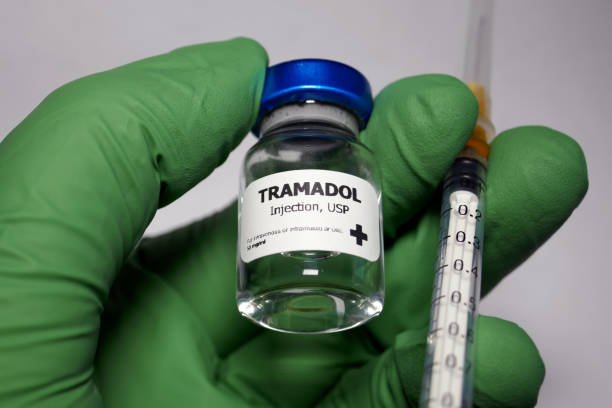
6. Tramadol – A Weak Opioid with Dual Action
Tramadol is a moderately strong painkiller with a dual mechanism of action it acts as an opioid and also increases serotonin and norepinephrine. It is used for moderate pain, including arthritis, back pain, or injury.
- Strength: Moderate
- Benefits: Less risk of addiction than stronger opioids
- Disadvantages: Can cause seizures, especially when combined with antidepressants.
- Safe Use: Short-term only; avoid in patients with epilepsy.
7. Codeine – Mild opioid for moderate pain
Codeine is widely prescribed for mild to moderate pain, often with Paracetamol or ibuprofen. It is converted to morphine in the body but is very weak and generally well tolerated.
- Strength: Low to moderate
- Uses: Toothache, muscle pain, post-injury recovery
- Caution: Not suitable for children under 12; genetic variation in metabolism
8. Diclofenac – Powerful NSAID for inflammation-based pain
Diclofenac is a strong NSAID that is effective for inflammatory pain such as arthritis or swelling related to injury. Although not an opioid, its strength earns it a place on this list.
Forms: Oral, topical, injection
Risks: Heart attack, stroke, GI bleeding
Advice: Use the lowest effective dose for the shortest duration.
9. Ibuprofen – A reliable OTC option with moderate strength
Ibuprofen is one of the most commonly used non-opioid painkillers. It is suitable for toothache, menstrual cramps, fever, or inflammation and is available over the counter.
- Strength: Mild to moderate
- Best for: Short-term use
- Warning: Avoid in people with kidney disease, ulcers, or heart problems.
10. Paracetamol (Acetaminophen) – The safest painkiller when used correctly
Paracetamol is a mild but effective painkiller for headaches, fever, and muscle aches. It is usually a first-line medication when used correctly due to its high safety profile.
- Strength: Mild
- Safe Use: Maximum 4,000 mg per day for adults
- Risk: Serious liver damage if taken in large doses or combined with alcohol.
Common Conditions Where Strong Painkillers Are Prescribed
Strong painkillers are usually reserved for conditions where pain cannot be controlled with regular medicines like paracetamol or NSAIDs. Doctors prescribe them only when the benefits outweigh the risks, and they are often used for short-term relief or in carefully monitored long-term cases. Some of the most common conditions include:
Post-surgical pain: After major operations such as orthopedic or abdominal surgery, strong painkillers help patients recover comfortably.
Severe injuries: Broken bones, burns, or accidents may require powerful medications until the pain becomes manageable.
Cancer-related pain: Patients with advanced cancers often need strong painkillers to maintain quality of life.
Chronic pain disorders: Conditions like severe arthritis, nerve damage, or spinal problems may occasionally need stronger medication when other treatments fail.
End-of-life (palliative) care: Strong painkillers play an important role in easing pain and improving comfort in terminal illnesses.
Key point: Strong painkillers should only be used under medical supervision, as misuse can lead to side effects, dependence, or addiction.
Safety Tips for Using Strong Painkillers
While strong painkillers can provide effective relief for severe pain, they must be used with caution. Misuse or overuse can lead to serious health risks, including dependence, overdose, and even life-threatening complications. To ensure safe use, keep these essential tips in mind:
Always follow the recommended dosage and duration
Take strong painkillers exactly as prescribed by your doctor. Never increase the dose or extend the duration on your own, even if the pain feels uncontrolled. Long-term or unsupervised use can quickly lead to tolerance and dependence.Do not mix opioids with alcohol or sedatives
Combining strong painkillers (especially opioids) with alcohol, sleeping pills, or anti-anxiety medications significantly increases the risk of dangerous side effects such as extreme drowsiness, confusion, or slowed breathing. This combination can be fatal.Avoid driving or operating heavy machinery
Strong painkillers often cause dizziness, drowsiness, or slowed reaction times. For your safety and the safety of others, do not drive, use heavy machinery, or perform activities that require full alertness while under their effect.Report side effects immediately
If you notice concerning symptoms such as difficulty breathing, severe constipation, confusion, or unusual drowsiness, seek medical help immediately. These may be signs of opioid overdose or serious side effects that require urgent attention.Regularly review your medication with your doctor
Long-term use of strong painkillers should always be monitored by a healthcare professional. Routine check-ups help assess whether the medication is still needed, whether the dose can be lowered, and if safer alternatives may be available.
Key reminder: Strong painkillers are powerful tools in medicine, but they must be used responsibly. Safe use not only reduces the risk of side effects but also ensures the medicines remain effective when you truly need them
When to Consult a Doctor
Consult your doctor if:
You need painkillers more than 3–4 times a week
Pain persists beyond 7–10 days
You feel the need to increase your dose
You experience dizziness, confusion, or slowed breathing
Conclusion:Use Strong Painkillers Wisely and Safely
Strong painkillers are essential in pain management but come with risks if misused. The right painkiller depends on the severity of pain, your health condition, and potential side effects. Always prioritize medical supervision, especially with high potency opioids, and consider non-drug alternatives for chronic conditions whenever possible.
FAQS
Yes. Depending on the cause of pain, options like physiotherapy, acupuncture, certain herbal remedies, and lifestyle changes may help, but they are not substitutes in cases of severe pain.
Tramadol is a moderate-strength opioid. It is less potent than morphine or fentanyl but stronger than regular painkillers like paracetamol.
The strongest painkillers include opioids like morphine, fentanyl, oxycodone, hydromorphone, and methadone. These are typically used for severe pain under medical supervision.
Consult your doctor immediately. Gradual tapering, medical detox, and addiction support services can help in recovery.
Opioids work on the brain’s pain receptors and are stronger, while NSAIDs reduce inflammation and are used for mild to moderate pain.
🧑⚕️ About the Author
Dr. Asif, MBBS, MHPE
Dr. Asif is a licensed medical doctor and qualified medical educationist with a Master’s in Health Professions Education (MHPE) and 18 years of clinical experience. He specializes in gut health and mental wellness. Through his blogs, Dr. Asif shares evidence-based insights to empower readers with practical, trustworthy health information for a better, healthier life.
⚠️ Medical Disclaimer
This blog is intended for educational and informational purposes only. It is not a substitute for professional medical advice, diagnosis, or treatment. Always seek the advice of your physician or another qualified healthcare provider with any questions you may have regarding a medical condition. Never disregard or delay medical advice based on content you read here.
Leave a Reply