

Introduction
Thyroxine dose according to TSH level is one of the most important aspects of managing hypothyroidism. For many patients, adjusting medication can feel confusing and even scary. You may wonder: Why does my doctor keep changing my dosage? Or what is the right TSH levels for me? As a licensed physician and medical educator, I have guided many patients through this journey. In this article, I will simplify the science, show you real-world dosage tables, and help you understand how doctors decide on the right thyroxine dose according to TSH level for each individual.
What is the right Thyroxine Dose According to TSH Level
Thyroxine dosage based on TSH levels is determined by measuring your thyroid-stimulating hormone (TSH) in the blood and adjusting your dose of levothyroxine (synthetic T4) to bring your TSH into the normal range. For most adults, the starting dose is about 1.6 mcg per kilogram of body weight per day, but this is adjusted based on age, body weight, pregnancy, and heart health.
If your TSH is high, it usually means you are undertreated (hypothyroid) and your doctor may increase the dose by 12.5–25 mcg per day. If your TSH is low, it may indicate overtreatment (hyperthyroid), so the dose is reduced. TSH levels are rechecked every 6–8 weeks after the change.
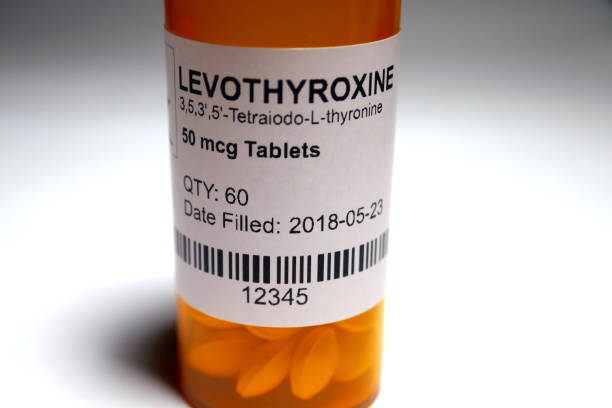
Normal TSH levels vary by age:
- Adult: 0.4–4.0 mIU/L
- Seniors: Slightly higher acceptable levels
- Pregnancy: Narrow range (about 0.1–2.5 in the first trimester).
The right diet helps maintain energy, metabolism, and heart health while avoiding the risks of over- or undertreatment.
Read in Detail: How to maintain Normal TSH
Why TSH levels matters in thyroxine therapy.
TSH as a thermostat: Think of your thyroid as a house heater and TSH as the thermostat. If thyroid hormone is low, TSH rises to “turn up the heat.” If thyroid hormone is high, TSH falls.
The goal of thyroxine replacement is to keep TSH in the right zone not too high, not too low.
Laboratory monitoring is essential: Symptoms alone are not reliable. Laboratory values guide safe treatment.
Normal TSH levels by age and why they vary
Normal TSH levels by age and different conditions,Here is a detail break down.
| Age Group | Normal TSH Range (mIU/L) |
|---|---|
| Newborn (0–4 days) | 1.0 – 39.0 |
| Infants (2–11 months) | 0.7 – 8.4 |
| Children (1–5 years) | 0.7 – 6.0 |
| Adolescents (12–20 yrs) | 0.5 – 4.3 |
| Adults (21–70 yrs) | 0.4 – 4.0 |
| Elderly (>70 yrs) | 0.4 – 6.0 (mildly higher acceptable) |
| Pregnancy (1st trimester) | 0.1 – 2.5 |
| Pregnancy (2nd trimester) | 0.2 – 3.0 |
| Pregnancy (3rd trimester) | 0.3 – 3.5 |
(Source: Cleveland Clinic, ATA Guidelines 2021, PubMed ID: 29113943)
See how pregnancy requires strict control, while elderly patients can tolerate slightly higher TSH to avoid overtreatment.
How doctors calculate thyroxine dosage based on TSH levels.
Starting dose
- Healthy adults <60 years, no heart disease:
- 1.6 mcg/kg/day (based on ideal body weight).
Elderly or with heart disease:
- Start low, about 25-50 mcg/day to avoid arrhythmias.
Adjustment rules
- High TSH (>4.5 mIU/L): Increase dose (usually +12.5–25 mcg/day).
- Low TSH (<0.4 mIU/L): Decrease dose (–12.5–25 mcg/day).
- Check again in 6-8 weeks after each change.
Table: Dose Adjustment According to TSH
| TSH Level (mIU/L) | Interpretation | Typical Action |
|---|---|---|
| <0.1 | Over-treated | Decrease thyroxine by 25 mcg/day |
| 0.1 – 0.4 | Mild suppression | Reduce by 12.5–25 mcg/day |
| 0.4 – 4.0 | Target range (normal) | Continue same dose |
| 4.1 – 10.0 | Mild under-treatment | Increase by 12.5–25 mcg/day |
| >10.0 | Significant hypothyroid | Increase by 25–50 mcg/day |
(Adapted from ATA and Endocrine Society guidelines, PubMed ID: 33286889)
Case example (narrative)
A 42 year old woman, recently diagnosed with hypothyroidism, was started on 75 mcg of levothyroxine. At 8 weeks, her TSH was still 7.2 mIU/L higher than normal. Her doctor increased her dose to 100 mcg. Six weeks later, her TSH had improved to 2.3 mIU/L, and her fatigue had resolved. This illustrates why careful monitoring and small dose adjustments are important.
Special circumstances for dose adjustments
Pregnancy
Early pregnancy requires an increase of 30-50%.
Target TSH:
- First trimester: 0.1–2.5
- Second trimester: 0.2–3.0
- Third trimester: 0.3–3.5
Read in Details About: Hypothyroidism Treatment in Pregnancy
:Treatment of Hyperthyroidism in Pregnancy

Elderly
- More sensitive to excess thyroxine → risk of atrial fibrillation and bone loss.
- Aim for TSH 1–5 mIU/L.
Children and adolescents
Require higher mcg/kg doses than adults.
| Age | Typical Dose (mcg/kg/day) |
|---|---|
| Newborn | 10–15 |
| Infant | 4–6 |
| Child | 3–5 |
| Adolescent | 2–4 |
| Adult | 1.6 |
Factors that affect the dosage of Thyroxine.
Drug interactions
Increase TSH (reduce absorption):
- Iron supplements
- Calcium carbonate
- Aluminum hydroxide Antacids
- Proton pump inhibitors
- Sucralfate
- Other medications: Beta blockers (such as propranolol) may interfere with conversion.
Read more: [Drugs that affect thyroid function tests]
Food interactions
- Soy, high fiber foods, and coffee may impair absorption.
- It is best to take on an empty stomach, 30-60 minutes before breakfast.
Dangers of incorrect dosage
Too low dosage (high TSH):
- Fatigue, weight gain, constipation, infertility, increased cholesterol.
Too high dosage (low TSH):
- Palpitations, anxiety, osteoporosis, atrial fibrillation.
Conditions that can cause high or low TSH levels and how to manage them.
When adjusting your thyroxine dosage based on your TSH level, it’s important to know that sometimes TSH readings are misleading. Certain medical conditions, laboratory factors, and medications can cause falsely high or low TSH values, which can lead to confusion in treatment.
False TSH levels (even when your thyroxine dose is adequate)
- Poor absorption of medication, taking thyroxine with calcium, iron, antacids, or coffee.
- Noncompliance, missing a dose before a blood test.
- Assay interference, heterophilic antibodies can falsely elevate TSH.
- Chronic kidney disease, can affect hormone metabolism.
- High doses of steroids or dopamine, suppress pituitary TSH secretion.
- Severe illness (non-thyroid disease syndrome) TSH may be temporarily low.
- Lab test problems, Biotin supplementation may interfere with immunoassays.
- Pregnancy (especially first trimester) hCG temporarily lowers TSH.
How doctors deal with it:
- Ask about recent illness or medications.
- Measure free T4 and free T3 with TSH.
- Temporarily stop biotin supplements at least 48 hours before the test.
- In pregnancy, follow trimester-specific TSH ranges.
Key insight (doctor’s perspective):
Many patients are concerned when they see an “abnormal” TSH on a report. But as a physician, I emphasize that one value does not always mean a change in dosage is needed. Repeating the test, checking for free hormones, and considering the clinical context prevents unnecessary adjustments.
Unique doctor’s perspective
- Something other blogs often miss: “Target TSH” is not the same for every patient.
- A young woman trying to conceive may need a TSH <2.5.
- A 75 year old with heart disease may be safe with a TSH of around 4-5.
- The art of medicine is to personalize the diet not just follow a number.
Authoritative Sources:
American Thyroid Association – Thyroid Hormone Treatment
PubMed – Levothyroxine Dosage and TSH Monitoring
Conclusion
Adjusting thyroxine dosage according to TSH levels is not a one size fits all process. It requires careful interpretation of laboratory results, consideration of age, pregnancy, and other medical conditions, as well as an understanding of drug and food interactions. While standard tables and guidelines provide a foundation, the best results are achieved with personalized adjustments under the guidance of a qualified physician. Keeping TSH within the right range helps maintain energy, metabolism, fertility, bone health, and heart health ensuring long term well being.
Call to Action
If you’re currently on thyroxine or are concerned about your thyroid health, don’t go it alone. Ask your doctor about your TSH target and whether your current dose is really right for you.
Questions about your thyroid diet, symptoms, or lab reports? Leave them in the comments below I’d love to hear your thoughts and answer your questions.
Your thyroid journey is unique let’s keep it safe, accurate, and empowered.
FAQS
Yes. High-dose biotin can cause falsely low TSH and high T4/T3. The FDA warns about this risk. Stop biotin 2–3 days before thyroid testing to avoid misleading results.
Most patients with permanent hypothyroidism need it lifelong. Some temporary thyroiditis cases may recover, but this is rare.
It may mean your dose is too low, or absorption is reduced. Doctors may increase your dose or check for drug/food interactions.
The most common are lithium, amiodarone, glucocorticoids, dopamine, and biotin. These drugs either affect thyroid physiology or distort lab assays. Always share your medication history before thyroid testing.
🧑⚕️ About the Author
Dr. Asif, MBBS, MHPE
Dr. Asif is a medical doctor and medical educationist with expertise in simplifying complex health topics for the general public. With a passion for preventive health and evidence-based writing, he helps readers make informed choices about their well-being.
✅ Medically Reviewed By
Dr. T.G., MBBS, FCPS (Endocrinology)
Associate Professor, Endocrinology Ward, HMC Hospital
With over 20 years of clinical experience in managing endocrine disorders, Dr. T.G. ensures that the content is accurate, reliable, and clinically relevant.
⚠️ Medical Disclaimer
This blog is intended for educational and informational purposes only. It is not a substitute for professional medical advice, diagnosis, or treatment. Always seek the advice of your physician or another qualified healthcare provider with any questions you may have regarding a medical condition. Never disregard or delay medical advice based on content you read here.
Leave a Reply