

Introduction
Symptoms of hypothyroidism in females often appear gradually and are easily confused with stress, aging, or lifestyle changes. As a physician, I have met countless women who lived for years with fatigue, weight gain, hair loss, and mood swings believing that these were just “a normal part of life.” Unfortunately, their real struggle was with an underactive thyroid.
Women are disproportionately affected by hypothyroidism, with rates approximately 5-8 times higher in women than in men (American Thyroid Association, 2023). Yet many cases go undiagnosed. This silent condition doesn’t just affect metabolism it also impacts mental health, fertility, heart function, and overall quality of life.
What are the symptoms of hypothyroidism in women?
Symptoms of hypothyroidism in women include fatigue, unexplained weight gain, thinning hair, constipation, cold intolerance, depression, irregular menstrual periods, infertility, and dry skin. Some women also experience memory problems, puffiness around the eyes, brittle nails, and a hoarse voice. Because these symptoms overlap with the stresses of normal life, hypothyroidism is often overlooked or misdiagnosed. A simple thyroid blood test (TSH, Free T4) can confirm the condition. Early diagnosis and treatment are crucial to prevent complications such as heart disease, infertility, and severe metabolic slowdown.
Why are women more likely to have hypothyroidism?
Women are significantly more likely to have hypothyroidism than men. In fact, studies show that 5-8% of adult women are affected, compared to less than 1% of men (American Thyroid Association, 2023). Several factors contribute to this increased risk:
1. Autoimmune thyroid disease (Hashimoto’s thyroiditis)
The most common cause of hypothyroidism in women is Hashimoto’s thyroiditis, an autoimmune condition where the immune system attacks the thyroid gland. Over time, this damage reduces thyroid hormone production, leading to hypothyroidism. Women are more prone to autoimmune diseases due to hormonal and genetic differences.
2. Hormonal fluctuations
Hormones play a central role in thyroid function. Life stages such as pregnancy, postpartum, and menopause can alter immune responses and thyroid hormone metabolism, increasing the risk of hypothyroidism.
3. Iodine deficiency or excess
Iodine is essential for the synthesis of thyroid hormones. Both insufficient and excessive iodine intake can trigger hypothyroidism. Women with restrictive diets or certain health conditions are particularly vulnerable.
4. Genetic predisposition
A family history of thyroid disease increases the likelihood of hypothyroidism. Women whose relatives are affected by autoimmune thyroid disorders are at higher risk.
5. Certain medications and treatments
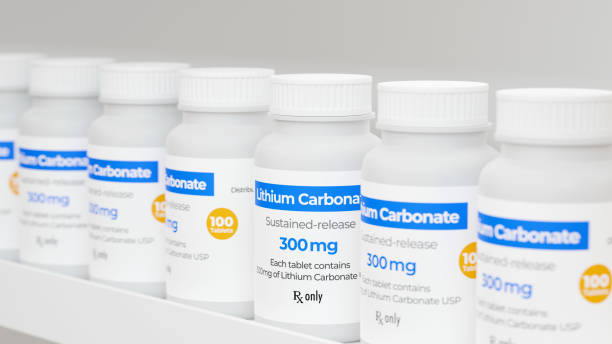
Medications such as lithium, amiodarone, and some immunotherapies can impair thyroid function. Women may be exposed to these medications for conditions such as psychiatric disorders or autoimmune diseases.
How these factors cause hypothyroidism:
The thyroid gland produces two important hormones T3 (triiodothyronine) and T4 (thyroxine) that regulate metabolism, energy, and organ function. When the gland is attacked by the immune system, damaged by iodine imbalance, or suppressed by medications, hormone production decreases. This hormone deficiency slows metabolism, disrupts organ function, and causes a wide range of symptoms in women, from fatigue and weight gain to menstrual irregularities and mood swings.
Common Symptoms of Hypothyroidism in Females
1. Persistent fatigue and low energy
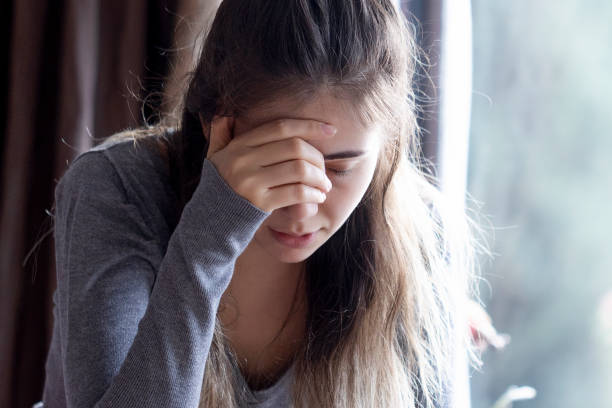
Women often describe waking up feeling tired despite a full night’s sleep. The fatigue is profound, not just fatigue from a busy day.
Story example: A 32 year old teacher I treated thought her exhaustion was due to long school hours. Tests revealed that her TSH levels were severely elevated.
2. Unexplained weight gain
One of the most frustrating symptoms of hypothyroidism in females is weight gain despite diet and exercise. Thyroid hormones regulate metabolism, so a deficiency can slow down calorie burning.
Read in Detail About: [Weight gain in hypothyroidism]
3. Cold intolerance
Many female patients report feeling cold even in warm weather. This is because the thyroid regulates body temperature.
4. Hair, skin, and nail changes
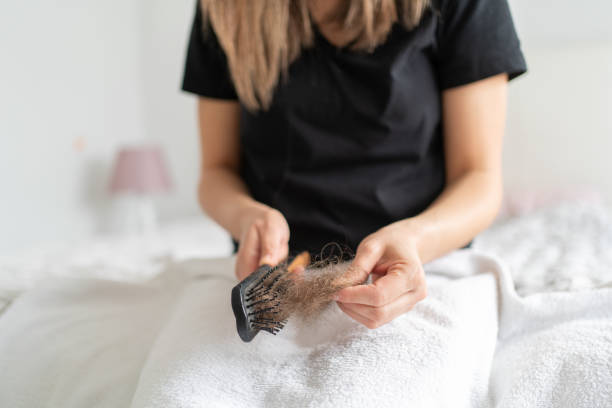
- Thinning or coarse hair
- Dry, rough skin
- Broken nails that break easily.
I often remind my patients: Hair and skin are a window into thyroid health.
5. Menstrual irregularities and fertility problems
- Heavy, long periods (menorrhagia)
- Short or irregular cycles
- Increased risk of infertility and miscarriage
Reference: Mayo Clinic – Hypothyroidism and Women’s Health
6. Mood swings and depression
Hypothyroidism often mimics psychiatric conditions. Patients may experience:
- Depression
- Anxiety
- Irritability
- Brain fog and memory loss
Unique insight: Many women are started on antidepressants without a thyroid diagnosis delaying appropriate treatment.
7. Swelling and puffiness
- Puffiness of the face, especially around the eyes
- Swelling of the hands and feet
- Hoarseness due to swelling around the vocal cords
8. Constipation and digestive symptoms
Slow metabolism slows down bowel movements Women may complain of chronic constipation and bloating.
Read in Detail About: Natural remedies for constipation
9. Muscle and joint pain
- Muscle pain
- Joint stiffness.
- Slow reflexes
10. Cognitive impairment
Memory impairment and poor concentration are often overlooked symptoms among the symptoms of hypothyroidism in females. Women may describe it as “being in a fog.”
Rarely Discussed Symptoms of Hypothyroidism in females (Doctor’s Insight)
- Carpal Tunnel Syndrome Due to Fluid Retention
- Hearing Loss (Rare but Reported in Literature)
- Slow Wound Healing
- Loss of the Outer Third of the Eyebrow (Hertoghe’s Sign)
Complications of Untreated Hypothyroidism
If left untreated, symptoms progress to serious complications, the complications of untreated hypothyroidism include:
- Infertility and Pregnancy Loss
- Goiter (Enlargement of the Thyroid)
- Heart Disease (Caused by High LDL Cholesterol)
- Myxedema Coma (Life threatening)
Reference: CDC – Thyroid Disease Statistics
How Symptoms Vary in Women at All Stages of Life
Hypothyroidism in Teenage Girls
- Delayed Puberty
- Slow Growth
- Mood Swings
Hypothyroidism in women of childbearing age
- Infertility
- Irregular menstrual cycles
- Postpartum thyroiditis
- Hypothyroidism in older women
- Memory loss similar to dementia.
- Weak bones and fractures
Hypothyroidism in old women after menopause.
- Symptoms can mimic normal aging, making the diagnosis less likely.
- Memory loss and confusion may resemble dementia.
- Depression, low mood, or apathy are more pronounced.
- Muscle weakness and joint pain increase the risk of falls.
- Slow heart rate and increased risk of heart failure.
- Dry skin, thinning hair, and brittle nails worsen with age.
- Untreated hypothyroidism can accelerate osteoporosis and fractures.
Diagnosis of hypothyroidism
- TSH test (most sensitive)
- Free T4 and free T3
- Thyroid antibodies (for Hashimoto’s)
Read in Detail About: [How to maintain normal TSH levels]
Treatment outlook
Hypothyroidism is treated with levothyroxine, a synthetic thyroid hormone.
Read in Detail About: [Latest treatment for hypothyroidism]
Doctor’s advice: The right dosage should be individualized what works for one woman may not work for another.
Lifestyle and Nutrition Support
- Get adequate iodine intake (but avoid excess)
- Selenium and zinc for thyroid function
- Exercise regularly to combat fatigue and weight gain.
- Manage stress through yoga or meditation
Conclusion and call to action
The symptoms of hypothyroidism in women are often overlooked or mistaken for everyday stress. As a doctor, I encourage women to listen to their bodies: If you feel constantly tired, cold, or unable to lose weight, don’t dismiss it. Get your thyroid checked.
Have you experienced any of these symptoms? Share your thoughts or questions in the comments below I’d love to hear your story. If you suspect hypothyroidism, consult your healthcare provider for a proper diagnosis.
FAQS
Yes. Hypothyroidism disrupts ovulation, causes irregular cycles, and increases miscarriage risk. Treating thyroid imbalance often restores fertility.
No. Hypothyroidism is usually lifelong and requires medical treatment. Symptoms may worsen if untreated.
Both genders share fatigue and weight gain, but women experience unique issues like heavy periods, infertility, and postpartum thyroiditis.
Yes, hair loss—especially thinning at the crown—is a common symptom. With treatment, hair regrowth is possible though it may take months.
Fatigue, weight gain, dry skin, and hair thinning are often the first noticeable symptoms of hypothyroidism in females. Many women ignore them, mistaking them for stress or aging.
🧑⚕️ About the Author
Dr. Asif, MBBS, MHPE
Dr. Asif is a medical doctor and medical educationist with expertise in simplifying complex health topics for the general public. With a passion for preventive health and evidence-based writing, he helps readers make informed choices about their well-being.
✅ Medically Reviewed By
Dr. T.G., MBBS, FCPS (Endocrinology)
Associate Professor, Endocrinology Ward, HMC Hospital
With over 20 years of clinical experience in managing endocrine disorders, Dr. T.G. ensures that the content is accurate, reliable, and clinically relevant.
⚠️ Medical Disclaimer
This blog is intended for educational and informational purposes only. It is not a substitute for professional medical advice, diagnosis, or treatment. Always seek the advice of your physician or another qualified healthcare provider with any questions you may have regarding a medical condition. Never disregard or delay medical advice based on content you read here.
Leave a Reply