

Introduction
Period and diarrhea, Two words most women never want to hear together. Yet, for millions of women, diarrhea during their period is an uncomfortable reality. Over the years, many of my patients have come to me with an embarrassed whisper, “Doc, is it normal to have diarrhea during period?” The truth is, yes it’s common, but it can also feel disruptive and confusing.
If you’ve ever noticed your stomach acting up during menstruation, you’re not alone. This blog answers the top 10 questions about period and diarrhea with medical accuracy, patient friendly explanations, and even real-life insights from my clinical practice.
Top 10 Questions About Women’s Period and Diarrhea
Many women wonder about the link between period and diarrhea. To make things easier, I’ve listed the top 10 most common questions patients ask me in the clinic and that women search online every day.
- Why do I have diarrhea during period?
- Is diarrhea during period normal, or should I be worried?
- What’s the connection between period and diarrhea?
- Can hormones really cause changes in digestion during menstruation?
- Is it normal to have both diarrhea and bloating at the same time?
- Why is my diarrhea worse on the first or second day of my period?
- How can I manage diarrhea during period at home?
- When should I see a doctor about menstrual diarrhea?
- Does diet affect diarrhea during period?
- Can birth control or lifestyle changes help reduce diarrhea during period?
1. Why do I have diarrhea during period?
Diarrhea during period is mainly caused by prostaglandins, hormone like chemicals that help shed the lining of the uterus. These prostaglandins don’t just reside in the uterus they also stimulate the intestines, speeding up bowel movements. A patient in my clinic once laughed and said, “It feels like my stomach is on its own menstrual cycle!” She was right research shows that about 50-60% of women experience changes in their digestion during their cycle (PubMed). The good news? It’s usually short-lived, peaking in the first 2 days of their period before settling down.
2. Is diarrhea during period normal, or should I be worried?
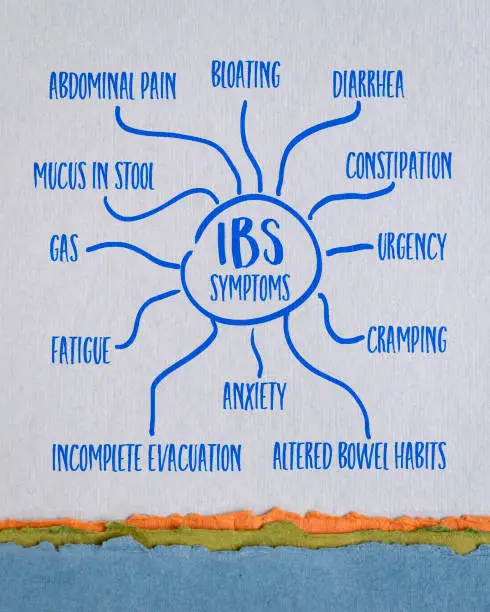
For most women, yes it’s normal. Diarrhea during period is a natural response to hormonal changes and the release of prostaglandins. But here’s a red flag: If diarrhea is severe, persistent, or accompanied by blood, fever, or significant weight loss, it could be a sign of something more serious, like irritable bowel syndrome (IBS), inflammatory bowel disease, or endometriosis. One of my patients ignored her symptoms for years until we diagnosed her with underlying IBS. According to the American College of Gastroenterology, women with IBS often report a flare up of symptoms during their menstrual cycle. So, don’t dismiss the normal but unusual patterns in most cases.Read In Detail About: Irritable bowel syndrome
3. What’s the connection between period and diarrhea?
A common culprit for both period and diarrhea is prostaglandins. These chemical messengers cause the uterus to contract (causing pain) and stimulate the intestines (causing diarrhea). Think of prostaglandins as a group text message both the uterus and the intestines “get an alert” at the same time. Many of my patients tell me that when their cramps are bad, their bowel symptoms are also worse. Studies confirm this link: Women with higher prostaglandin levels often report more severe cramps and more frequent loose stools (Mayo Clinic).
4. Can hormones really cause digestive changes during menstruation?
Absolutely. The rise and fall of estrogen and progesterone directly affect how your digestive system works. For example:
- High progesterone before your period → slows down digestion, sometimes causing constipation.
- Drop in progesterone + increase in prostaglandins during menstruation → speeds up digestion, causing diarrhea.
One of my patients put it perfectly: “It’s like my bowels run on the same monthly calendar as my uterus.” Research backs this up hormonal fluctuations affect bowel movements and sensitivity (WHO data). That’s why women often experience consistent digestive patterns with each cycle.
5. Is it normal to have both diarrhea and bloating at the same time?
Yes, and it’s more common than you think. Bloating is caused by water retention and gas, while diarrhea is caused by increased bowel activity. It’s as if your body is sending mixed signals holding on to fluids while also speeding up digestion. A 2021 survey published in BMC Women’s Health found that nearly 70% of women experience bloating and changes in bowel habits during their period. Many patients tell me that this combination feels exhausting. The key is to manage diet, hydration, and activity levels which can reduce both symptoms at once.
6. Why is my diarrhea worse on the first or second day of my period?
This timing is no coincidence. Prostaglandins are at their highest during the first 48 hours of my period. This is also when the pain is most intense. One patient once shared: “The first day is like a double whammy stomach cramps and bathroom trips.” The study backs this up: Prostaglandin levels peak on the first day, then drop as the bleeding continues (PubMed). So if your diarrhea feels the worst at first, you’re just experiencing your body’s natural hormonal rhythms.
7. How can I manage diarrhea during period at home?
Here are some evidence-based, doctor-approved tips:
- Stay hydrated with water or oral rehydration solutions.
- Eat light: bananas, rice, applesauce, toast.
- Avoid triggers: caffeine, fatty foods, and artificial sweeteners.
- Use heat therapy: A hot water bottle can help both pain and relax the muscles in your intestines.
- Gentle exercise: Yoga or walking can improve circulation and bowel movements.
One of my patients reported that replacing coffee with chamomile tea during her period made a noticeable difference. (Read in Detail About: Home remedies for chronic diarrhea)
8. When should I see a doctor about menstrual related diarrhea?
You should seek medical advice if your diarrhea:
- Lasts outside of your period.
- Wakes you up at night.
- Contains blood or mucus.
- Comes with unexplained weight loss, fever, or severe pain.
A 2019 study in the Journal of Obstetrics and Gynecology found that women with endometriosis often experience severe bowel symptoms that are mistakenly called “period only diarrhea.” So, while mild cases are normal, don’t ignore symptoms that interfere with daily life.
9. Does diet affect diarrhea during menstruation?
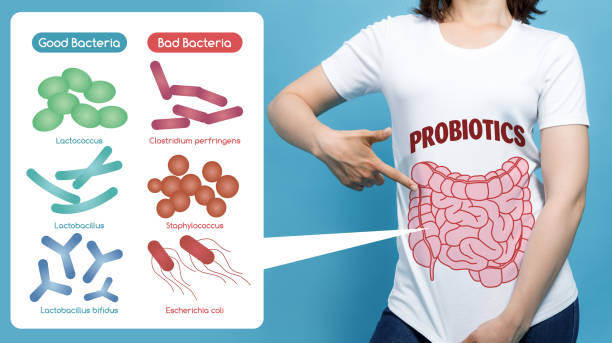
Yes diet plays a huge role. Spicy, fatty, or high-caffeine foods can worsen diarrhea. Meanwhile, fiber-rich foods, probiotics, and complex carbohydrates help balance digestion. “Whenever I cut back on fast food before my period, I notice I’m going to the bathroom less,” one patient told me. Science agrees women who eat more fiber and less processed foods report fewer digestive complaints during their periods (Mayo Clinic). (Read in Detail About: Diarrhea after eating)
Read in detail About: Fiber rich food
10. Can birth control or lifestyle changes help reduce period diarrhea?
Yes, hormonal birth control can stabilize prostaglandin levels, reducing both pain and diarrhea. Lifestyle changes are also important:
- Regular exercise → balances hormones.
- Stress reduction (yoga, meditation) → calms gut-brain signals.
- Balanced diet → supports smooth digestion.
A patient once shared that after starting birth control pills, her “standard bathroom worries” almost disappeared. Studies confirm this women using hormonal contraceptives often experience digestive fluctuations (PubMed).
Precautions to Avoid Diarrhea During Periods
Managing diarrhea during menstruation involves a combination of lifestyle adjustments, dietary choices, and medical guidance. Important preventive measures include:
- Eat a balanced diet rich in fiber, lean protein, and complex carbohydrates to stabilize digestion.
- Limit trigger foods such as caffeine, fried foods, processed sugars, and very spicy foods.
- Stay well hydrated with water and oral rehydration fluids if you are having frequent bowel movements.
- Track your menstrual cycle to prepare in advance for possible bowel changes.
- Practice stress management with yoga, meditation, or breathing exercises, as stress worsens bowel sensitivity.
- Use probiotics (yogurt, kefir, or supplements) to strengthen gut health.
Consult your doctor if diarrhea is persistent, severe, or associated with other medical problems.
Doctor’s Insight:
“In my clinical experience, many women don’t realize that small dietary changes before and during their period – like cutting back on caffeine and adding probiotics can make a big difference. I often advise patients to keep a ‘period diary’ to identify personal food triggers.”
Patient Story:
Sarah, 28, shared how her period-related diarrhea disrupted her work life. After tracking her diet, she discovered that coffee and fried snacks made her symptoms worse. By switching to herbal teas and bland foods, her symptoms improved significantly.
Conclusion and Call to Action
Periods and diarrhea may not be the most glamorous of topics, but it’s one that deserves honest conversation. For most women, it’s a normal part of the menstrual cycle, tied to natural hormone changes. But as a doctor, I encourage you to listen to your body persistent or severe symptoms are your body’s way of saying, “Please pay attention.”
Have you experienced diarrhea during your period? How do you manage it? Share your story in the comments below.
If your symptoms are interfering with your daily life, don’t hesitate consult a healthcare professional. Your health and well-being are important.
Reference: Mayo Clinic on IBS
FAQS
Diarrhea during period can often be reduced by limiting caffeine, alcohol, and fatty foods, while focusing on a fiber-rich diet. Hydration and stress management also play a role.
Yes, probiotics support gut health and may reduce severity, though results vary among individuals.
Not usually. It’s most often linked to prostaglandins and hormone changes.
Occasional use is safe, but frequent reliance may mask underlying issues. Always consult your doctor if you need medication often.
🧑⚕️ About the Author
Dr. Asif, MBBS, MHPE
Dr. Asif is a licensed medical doctor and qualified medical educationist with a Master’s in Health Professions Education (MHPE) and 18 years of clinical experience. He specializes in gut health and mental wellness. Through his blogs, Dr. Asif shares evidence-based insights to empower readers with practical, trustworthy health information for a better, healthier life.
⚠️ Medical Disclaimer
This blog is intended for educational and informational purposes only. It is not a substitute for professional medical advice, diagnosis, or treatment. Always seek the advice of your physician or another qualified healthcare provider with any questions you may have regarding a medical condition. Never disregard or delay medical advice based on content you read here.
Leave a Reply