

Introduction:
MRCP vs ERCP in Everyday Practice
As a practicing physician, I often encounter patients who are concerned when they hear complex medical terms like MRCP and ERCP. Picture this: A 45 year old woman comes in with severe upper abdominal pain, nausea, and jaundice. Her ultrasound reveals that a stone is blocking her bile duct. The family asks me, “Doctor, should we go for an MRCP or ERCP? Which is better?”
This question MRCP vs ERCP is not only common but also important for making the right medical decision. While both procedures help evaluate and manage bile duct and pancreatic conditions, they are very different in nature. MRCP is primarily diagnostic, while ERCP can be both diagnostic and therapeutic.
In this blog, I will break down the differences between MRCP vs ERCP in simple language, supported by research, statistics, and my own clinical insights.
What is MRCP?
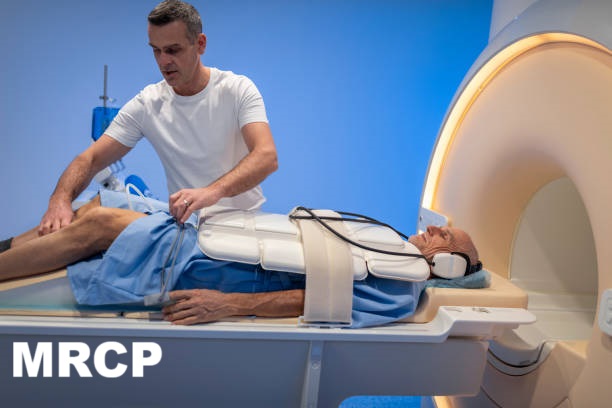
Magnetic Resonance Cholangiopancreatography (MRCP) is a non invasive MRI based scan that provides detailed images of the bile ducts, pancreas, gallbladder, and liver.
- It works without the need for instruments to be inserted into the body.
- No sedation or anesthesia is required.
- Uses a strong magnetic field and radio waves (like MRI).
Clinical Insight: In my practice, I often recommend MRCP as a “first look” when ultrasound results are unclear, especially if stones are suspected in the bile duct.
What is ERCP?
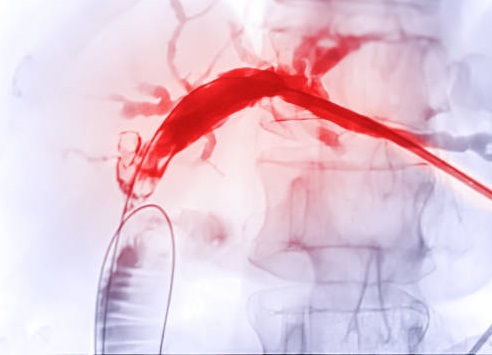
Endoscopic Retrograde Cholangiopancreatography (ERCP) is a non invasive endoscopic procedure that combines endoscopy + X-rays to both diagnose and treat conditions of the bile and pancreatic ducts.
- A flexible tube (endoscope) is passed through the mouth into the stomach and duodenum.
- A dye (contrast) is injected into the ducts, followed by X-rays.
- Stones, strictures, or tumors can be treated during the same procedure.
Unique Approach: While ERCP used to be a common diagnostic test, today it is rarely done solely for diagnosis as MRCP has largely replaced it for imaging. ERCP is now used primarily when intervention is needed.
How is the preparation for the procedure different?
MRCP vs ERCP preparation is not the same, as one is a diagnostic MRI based scan, while the other is an endoscopic procedure.
MRCP preparation:
- Typically, you are asked to fast for 4-6 hours before the test so that the bile ducts and gallbladder are clear.
- No anesthesia is required.
- You will need to remove any metal objects, jewelry, or belts before entering the MRI machine.
- Patients with pacemakers, cochlear implants, or metal implants may not be eligible.
ERCP preparation:
- It is necessary to fast for at least 8 hours, as sedation or anesthesia will be used.
- You may need routine blood tests (such as a clotting profile) before the procedure.
- Some medications (such as blood thinners) may need to be stopped beforehand.
- An IV line is placed for sedation, and throat anesthesia is often given to reduce discomfort.
In short, MRCP preparation is simple and non-invasive, while ERCP requires intensive preparation due to sedation and its invasive nature.
MRCP vs ERCP: Key Diagnostic Differences
When comparing MRCP vs ERCP, the most important difference is noninvasive imaging versus invasive therapeutic intervention.
Advantages of MRCP
- Completely non-invasive
- No risk of pancreatitis (a known ERCP complication)
- Quick (usually 20-40 minutes)
- Can clearly show stones, strictures, or tumors.
Advantages of ERCP
- Can treat immediately: remove stones, place a stent, or take a biopsy.
- Necessary in emergencies (such as obstructive jaundice with infection)
Real data: According to a study published in the Gut Journal (UK), MRCP has a sensitivity of over 90% for detecting bile duct stones, making it an excellent first-line tool. However, when intervention is needed, ERCP remains the gold standard for both diagnosis and treatment.
MRCP vs ERCP: Risks and safety
When I counsel patients, safety is their number one concern. Let’s compare:
Risks of MRCP
- Virtually none, except for rare problems such as claustrophobia or contrast allergy (if contrast is used).
- There is no radiation exposure.
Risks of ERCP
Risks of ERCP are more compared to MRCP and included:
- Pancreatitis in 3-10% of cases (source: Mayo Clinic).
- Bleeding, perforation, or infection (rare but possible).
- Sedation or anesthesia is required.
This is why I often advise: “If you only need diagnosis, MRCP is safer. If you need treatment, ERCP is necessary.”
MRCP vs ERCP: When do doctors choose one over the other?
When do I recommend an MRCP?
- Bile duct stones are suspected but the patient is stable.
- Pancreatic duct malformations
- Preoperative planning (before gallbladder surgery)
- When the patient is unfit for invasive procedures.
When do I recommend an ERCP?
- Jaundice with signs of infection (cholangitis)
- Confirmed bile duct stones that need to be removed.
- Stricture or leak of the pancreatic duct
- Need for stent placement or biopsy
Case example: A middle-aged man presented with obstructive jaundice. His MRCP confirmed a large stone in the bile duct. Since he was stable, we scheduled an ERCP to remove it. This step-by-step approach (first MRCP, then ERCP if needed) avoids unnecessary risks.
MRCP vs ERCP: Role in Stone Disease
Since many of you reading this are looking for stone-related issues, here’s where MRCP and ERCP fit in:
MRCP: Detects stones in the bile duct when ultrasound is unclear.
ERCP: Removes these stones when confirmed.
If you’re interested, I’ve also written detailed guides that you can explore:
These will help you understand how lifestyle, diet, and risk factors play a role in stone management.
MRCP vs ERCP: Statistics and global guidelines
According to the American Society for Gastrointestinal Endoscopy (ASGE), MRCP has replaced ERCP as the diagnostic gold standard in suspected bile duct obstruction.
ERCP is now considered the only treatment modality.
The WHO and CDC emphasize avoiding unnecessary invasive procedures when non-invasive alternatives are available.
Statistical fact: A PubMed meta-analysis shows that MRCP avoids unnecessary ERCP in 25-40% of patients, significantly reducing complications.
(Mayo Clinic – ERCP)
(NIDDK – Gallstones)
MRCP vs ERCP: A Rarely Discussed Insight
An important, less discussed point:
ERCP can sometimes worsen pancreatitis if performed too early.
In such cases, performing an MRCP first helps avoid unnecessary ERCP until the patient is stabilized.
This important decision-making often comes only with clinical experience, which is why a patient-centered decision is so important.
Which procedure is right for you?
The choice between MRCP vs ERCP depends on your medical condition and the goal of the test.
MRCP is right for you if:
- Your doctor only needs a clear diagnosis of stones, strictures, or bile duct blockage.
- You want a non-invasive, low-risk option.
- You are not a candidate for sedation or invasive procedures.
ERCP is right for you if:
- Stones, strictures, or blockages are already suspected and need immediate treatment.
- Your doctor may want to combine the diagnosis with therapy (such as stone removal, stent placement, or biopsy).
- You are suitable for sedation and can tolerate endoscopy.
MRCP as the first step to avoid unnecessary risks. If the MRCP confirms an obstruction or stone that needs to be removed, an ERCP becomes the next step the two tests often complement each other rather than compete.
What about the cost?
The cost of MRCP vs ERCP varies significantly depending on the country, hospital setup, and whether insurance covers it.
MRCP Cost:
Typically less expensive than ERCP.
In most areas, it costs between $300–$1,000 USD.
Since it is purely diagnostic and non-invasive, it usually does not require a hospital stay, which reduces overall costs.
ERCP Cost:
Typically more expensive because it is both diagnostic and therapeutic.
The cost can be $1,500–$5,000 USD or more, depending on whether additional procedures (stone removal, stenting, biopsy) are performed.
Anesthesia, endoscopy equipment, and often a short hospital stay are required, which increases costs.
Insurance Factor:
In many cases, insurance companies are more likely to cover ERCP because it is a treatment. MRCP may or may not be fully covered, depending on the policy.
Medical Insight: Although MRCP may seem cheaper up front, if a stone or obstruction is confirmed, an ERCP will still be needed to remove it meaning some patients pay for both.
Conclusion: Which is better, MRCP or ERCP?
The MRCP vs ERCP debate is not about which is better overall but about which is better for the specific patient situation.
- MRCP: Best for diagnosis, safe, no risks.
- ERCP: Best for treatment, effective, but with risks.
Think of it this way: MRCP is the “camera,” while ERCP is the “toolbox.” Sometimes you just need to see, other times you need to fix.
Call to Action
I hope this guide has helped you understand MRCP vs ERCP in a clear, patient-friendly way. If you or a loved one is facing this decision, don’t hesitate to talk to your doctor every case is unique.
Share your thoughts below:
- Have you or someone you know had an MRCP or ERCP?
- What was your experience like?
Your questions and comments are always welcome I’d be happy to answer them.
FAQS
The most significant difference is that MRCP is a non-invasive diagnostic test, while ERCP is an invasive procedure that can be both diagnostic and therapeutic.
- MRCP: Simply takes pictures of the ducts from outside the body. It does not use radiation (like an X-ray) and has a very low risk of complications. It is a great first-line test to determine if a problem exists.
- ERCP: Involves inserting a scope into the body and injecting a dye directly into the ducts. This allows for both visualization with X-ray and immediate treatment, such as removing a gallstone or placing a stent. Because it is invasive, it carries a higher risk of complications.
ERCP Risks: Because it is an invasive procedure, ERCP has a higher risk of complications. The most common and serious risk is pancreatitis (inflammation of the pancreas), but other risks include bleeding, infection, or a tear in the ducts or intestines.
MRCP Risks: MRCP is very safe. The main risks are related to the MRI itself, such as claustrophobia or the use of contrast dye if a standard MRI is combined with the MRCP. It is not performed on patients with certain metal implants or pacemakers.
ERCP stands for Endoscopic Retrograde Cholangiopancreatography. It is a medical procedure that combines the use of an endoscope (a long, flexible, lighted tube with a camera) and X-ray imaging. It is a more invasive procedure than MRCP and is used to both diagnose and treat problems in the bile ducts and pancreatic ducts.
MRCP stands for Magnetic Resonance Cholangiopancreatography. It’s a non-invasive medical imaging technique that uses a powerful magnetic field, radio waves, and a computer to produce detailed images of the liver, gallbladder, bile ducts, and pancreas. It is a specialized form of MRI (Magnetic Resonance Imaging).
🧑⚕️ About the Author
Dr. Asif, MBBS, MHPE
Dr. Asif is a licensed medical doctor and qualified medical educationist with a Master’s in Health Professions Education (MHPE) and 18 years of clinical experience. He specializes in gut health and mental wellness. Through his blogs, Dr. Asif shares evidence-based insights to empower readers with practical, trustworthy health information for a better, healthier life.
⚠️ Medical Disclaimer
This blog is intended for educational and informational purposes only. It is not a substitute for professional medical advice, diagnosis, or treatment. Always seek the advice of your physician or another qualified healthcare provider with any questions you may have regarding a medical condition. Never disregard or delay medical advice based on content you read here.
Leave a Reply