

Introduction: Why Your Liver Needs Attention.
Liver cleanse diet plan could be just what your body needs if you’ve been feeling sluggish, bloated, or simply not yourself lately.“
Many patients I see in my clinic come in complaining of vague symptoms like fatigue, poor digestion, or dull skin often without realizing that their liver could be the underlying cause.
Your liver works 24/7, detoxifying harmful substances, processing nutrients, and keeping your metabolism in check. But modern lifestyles think processed foods, alcohol, medications, and stress can overburden it.
A liver cleanse diet plan isn’t about extreme fasting or trendy juice detoxes. It’s about giving your liver the right nutrients to heal, repair, and function optimally. In this post, I’ll walk you through an evidence based approach to liver cleansing with real food, practical advice, and my own clinical insights.
What is a Liver Cleanse Diet Plan?
A liver cleanse diet plan is a systematic way of eating that supports your liver’s natural detoxification process. Unlike detox diets that often lack scientific support, this diet focuses on nutrient rich foods that help the liver repair itself, produce bile, and eliminate toxins.
In my daily practice, I often see patients who ask for a “quick detox.” I always emphasize that true liver health isn’t about quick fixes it’s about sustainable, liver loving habits.
Benefits of a Liver Cleanse Diet
A well planned liver cleanse can lead to:
- Improved digestion and reduced bloating.
- Improved energy levels and mental clarity
- Improved skin health
- Strong immune function
- Balanced blood sugar and cholesterol levels
A healthy liver means you’re healthier. And the best part? It all starts with what’s on your plate.
Best Liver friendly Foods to Include
Let’s get to the heart of the liver cleanse diet: the best liver foods. Here’s what to load up on:
1. Leafy Greens
Spinach, kale, arugula, and dandelion greens are high in chlorophyll, which binds toxins and supports bile production.
2. Cruciferous Vegetables
Broccoli, cauliflower, Brussels sprouts, and cabbage boost the liver’s detox enzymes especially glucosinolates.
3. Garlic and Onions
Rich in sulfur compounds that boost the liver detox pathways.
4. Beets and Carrots
High in antioxidants like beta-carotene, which support liver cell regeneration.
5. Citrus Fruits
Lemons, limes, and oranges are high in vitamin C and help flush out toxins.
6. Avocados
They contain glutathione, a powerful antioxidant that is important for detoxification.
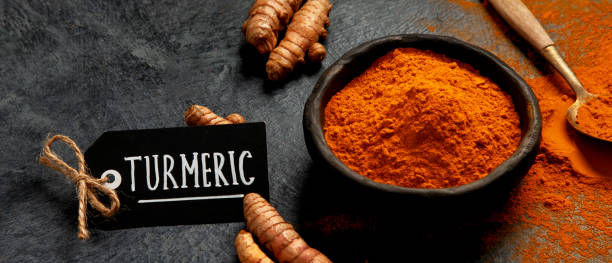
7. Turmeric
Curcumin, the active compound, has anti-inflammatory and liver-protective effects.
8. Green Tea
Green tea, loaded with catechins, supports liver enzyme activity and fat metabolism.
9. Olive Oil
Cold-pressed extra virgin olive oil provides healthy fats that reduce oxidative stress in the liver.
10. Walnuts
Another glutathione rich food that helps clear ammonia from the liver.
Avoid foods on a liver cleanse diet.
What you excrete is just as important. During a liver cleanse, avoid these things:
- Processed foods
- Refined sugars and white flour
- Fried or fatty foods
- Alcohol
- Excessive caffeine
- High-sodium salt
- Red or processed meats
As I have experienced in my clinical practice, many patients experience significant improvements in energy and digestion simply by eliminating processed foods.
Sample 7 Day Liver Cleanse Diet Plan
Here is a simple yet effective 7 day plan to kick start your liver cleanse. Customize it to your preferences and nutritional needs.
Days 1-3: Clean Start
Morning:
Warm water with lemon
Oatmeal with chia seeds and berries
Lunch:
Lentil soup + mixed green salad (olive oil dressing)
Dinner:
Poached salmon + quinoa + steamed spinach with garlic
Snacks:
Carrot sticks, apple slices, green tea
Days 4-5: Nutrition Boost
Morning:
Beetroot and carrot smoothie with turmeric
Lunch:
Grilled chicken breast + roasted broccoli and sweet potato
Dinner:
Stir-fried tofu with bananas, mushrooms, and brown rice
Snack:
Handful of walnuts, herbal tea
Days 6-7: Clean Wrap-up
Morning:
Avocado toast on whole grain bread + poached egg
Lunch:
Quinoa tabbouleh + lemon tahini dressing
Dinner:
Baked cod + steamed asparagus + mashed cauliflower
Snacks:
Fresh citrus, cucumber slices with hummus
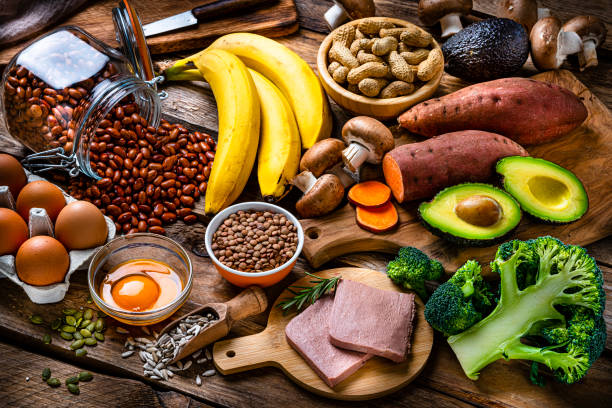
fruits and vegetables are best for liver cleansing
Hydration Matters: The Liver’s Best Friend
Hydration is a key component of any liver cleanse. Water flushes out toxins, aids in bile production, and keeps the entire digestive system running smoothly.
Goal:
8-10 glasses of water daily
Add lemon or cucumber for extra flavour and cleansing support.
Herbal teas (dandelion root, milk thistle, green tea)

Natural liver support supplements (optional)
While food should always be your foundation, some patients benefit from evidence based liver support supplements.
Common supplements I recommend in clinical settings:
- Milk thistle (silymarin): Antioxidant and regenerator for liver cells
- N-acetyl cysteine (NAC): Increases glutathione levels.
- Alpha lipoic acid: Helps prevent fat accumulation in the liver.
Always consult your healthcare provider before starting supplements.
Liver cleansing myths busted
It’s easy to fall into internet myths. Here are a few that I regularly clarify for patients:
Myth: You need to fast for days to cleanse your liver.
Fact: Your liver cleanses itself daily. Eating nutritious foods helps this process better than fasting.
Myth: All “detox” teas are good for you.
Fact: Some contain harsh laxatives or unregulated herbs. Stick with gentle, proven options like green tea.
Myth: Juice cleanses are a must.
Fact: Juice cleanses are often lacking in protein and fiber. Whole foods are better for liver function.
Who should consider a liver cleanse diet?
You may benefit from this diet plan if you experience:
- Fatigue or brain fog
- Bloating and indigestion.
- Acne or dull skin
- Hormonal imbalances
- High cholesterol or blood sugar levels
In my clinical experience, patients with fatty liver (nonalcoholic fatty liver disease or NAFLD) show significant improvement with a liver friendly diet and lifestyle.
Lifestyle habits that help cleanse the liver.
Clean eating is only part of the equation. Support your liver daily:
- Exercising regularly (30-45 minutes, 5x/week)
- Limiting or avoiding alcohol intake
- Managing stress through yoga, meditation, or deep breathing
- Getting 7-8 hours of sleep per night to allow the liver to repair itself
- Maintaining a healthy weight
These habits enhance the effects of your liver cleanse diet.
Medical conditions that require liver support diets.
Certain conditions make liver care even more important:
- Fatty liver disease (NAFLD)
- Hepatitis B or C
- Alcohol related liver damage
- Cirrhosis of the liver
- Elevated liver enzymes
Always talk to a healthcare professional before starting a cleanse if you have an underlying liver condition. The goal is to help your liver, not stress.
American Liver Foundation – Diet and Nutrition for Liver Health
Harvard Health – Liver Detox: Is It Necessary?
After the cleanse: How to transition back without losing progress.
Completing a liver cleanse is a great accomplishment but what you do afterwards is just as important. Many of my patients ask, “How do I go back to eating normally without undoing the benefits?”
The key is to gradually, mindfully, and mindfully reintroduce foods while maintaining the liver-supporting habits you’ve built.
- Here’s how to ease back into your system without shocking your system:
Reintroduce slowly: Start by adding one new food every 1-2 days. Start with whole grains, lean meats, and fermented dairy (like yogurt). - Limit sugar and fried foods: Even after the cleanse, try to keep processed sugars and deep-fried snacks to an occasional meal not a daily habit.
- Keep up the hydration and vegetables: Keep up the water intake and leafy greens they’re daily liver heroes, not just for the cleanse.
- See how your body reacts: Notice how certain foods affect your digestion, skin, or energy. You may discover a sensitivity.
- Maintain a 70/30 balance: Aim for liver-friendly foods 70% of the time, leaving 30% for flexibility. This helps you maintain your results without any restrictions.
In my clinical practice, patients who also maintain part of the cleanse diet especially cutting back on sugar and alcohol feel better long term and show better liver lab results.
Final Thoughts: Give Your Liver the Care It Deserves.
Your liver does so much for you now it’s time to return the favour. By following a nutritious liver cleanse diet plan, staying hydrated, and creating healthy habits, you’re not just detoxing, you’re rejuvenating your entire body.
As I tell my patients, “You don’t need a miracle cleanse. You need real food, smart choices, and a little consistency.”
Ready to start cleansing your liver?
If you found this article helpful, please share it with someone who could benefit! And don’t forget to explore our expert-led health guides on gut and liver health.
Subscribe to my newsletter for weekly health tips from a doctor you can trust.
FAQS
Yes—in moderation. One cup of black coffee daily has been shown to benefit liver health. Avoid sugary or creamy versions.
For most people, 7–14 days is a good starting point. However, many foods in the cleanse can and should be part of your long-term diet.
Incorporate them daily for optimal benefits—balanced meals with fiber-rich and antioxidant-packed foods enhance liver health.
Generally, yes—but pregnant women, people with chronic liver disease, or those on multiple medications should consult a doctor first.
Foods like leafy greens, garlic, beets, apples, and turmeric support liver detox by boosting enzymes and flushing toxins.
🧑⚕️ About the Author
Dr. Asif, MBBS, MHPE
Dr. Asif is a licensed medical doctor and qualified medical educationist with a Master’s in Health Professions Education (MHPE) and 18 years of clinical experience. He specializes in gut health and mental wellness. Through his blogs, Dr. Asif shares evidence-based insights to empower readers with practical, trustworthy health information for a better, healthier life.
⚠️ Medical Disclaimer
This blog is intended for educational and informational purposes only. It is not a substitute for professional medical advice, diagnosis, or treatment. Always seek the advice of your physician or another qualified healthcare provider with any questions you may have regarding a medical condition. Never disregard or delay medical advice based on content you read here
Leave a Reply