

Introduction
Life after gallbladder removal can feel daunting, especially if it’s your first major abdominal surgery. Many patients worry about how their digestion will adjust, what foods they can eat, and how long it will take for it to feel normal again.
As a physician and medical educator, I have guided numerous patients through this transition. Understanding what to expect during recovery, making smart dietary choices, and adopting lifestyle habits can make life after gallbladder removal smoother and healthier.
Life after gallbladder removal involves both physical and emotional adjustments. While some may experience temporary digestive changes like bloating or diarrhea, others may be anxious about adjusting to the “new normal.” Knowing what’s normal and what requires medical attention is essential for a confident recovery.
This comprehensive guide will cover everything you need to know about life after gallbladder removal, including recovery timelines, potential complications, dietary guidance, lifestyle tips, and psychological considerations. By the end, you’ll be equipped to navigate this transition with confidence.
Understanding Life After Gallbladder Removal
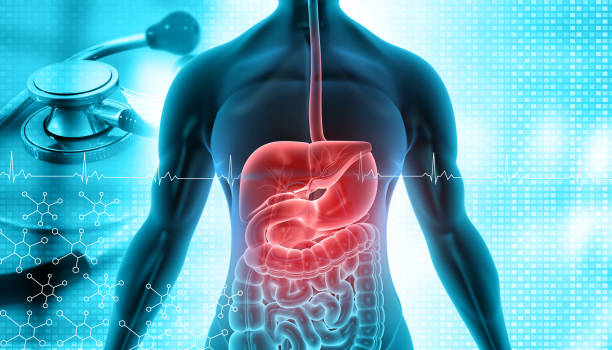
Life after gallbladder removal starts with understanding what the gallbladder does. The gallbladder stores bile, which helps digest fats. Without it, bile would flow continuously from the liver into the small intestine. This can slightly alter the digestion of fats, but most patients adapt well over time.
Some people experience temporary changes such as:
- Increased bowel movements or mild diarrhea
- Bloating or gas after fatty meals
- Occasional indigestion
These symptoms usually improve as your body adjusts. Most patients can resume regular activities within a few weeks, especially after laparoscopic surgery, which is minimally invasive.
Recovery Timeline After Open Gallbladder Surgery
Recovery varies based on the surgical procedure and individual health. Here’s what patients typically experience.
Immediately after surgery (first few days)
- Mild abdominal pain or discomfort
- Shoulder pain (from laparoscopic gas)
- Fatigue and mild nausea
- Short hospital stay (usually same day or overnight for laparoscopic surgery)
- Most symptoms improve within a few days. Pain can be controlled with prescribed medications.
Weeks 1-4: Adjusting to changes
- Gradual return to daily activities and light exercise.
- Changes in bowel movements are common.
- Eat smaller, lower-fat meals to ease digestion.
Month 1 and beyond
- Most patients feel close to normal.
- Occasional digestive symptoms may persist.
- Persistent pain, jaundice, or fever require medical evaluation.
Recovery Time After Laparoscopic Gallbladder Surgery
Laparoscopic cholecystectomy is the most commonly performed gallbladder removal surgery because it is minimally invasive and allows for a faster recovery. Here’s is the details of recovery time after laparoscopic Gallbladder surgery :
Hospital Stay: Most patients go home the same day or after an overnight stay.
Pain and Discomfort: Mild to moderate abdominal pain or shoulder tip pain (from gas used during surgery) usually improves within a few days.
Return to Daily Activities: Light activities and short walks can often be resumed within 3–5 days.
Return to Work: Many patients can return to desk work or light duties within 1–2 weeks. Physical or strenuous activity should be avoided for at least 2–3 weeks.
Incision Healing: Small incisions typically heal within 4–6 weeks, leaving minimal scarring.
Clinical Insight: Because laparoscopic surgery uses small incisions, patients experience less pain, fewer complications, and quicker return to normal life compared to open surgery.
Common Symptoms After Gallbladder Removal
Even with a smooth recovery, some patients may experience the following symptoms after gallbladder removal:
- Bloating
- Gas or diarrhea
- Indigestion after fatty foods.
- Nausea
These are usually temporary. If symptoms persist for more than a few weeks or worsen, it may indicate Post-cholecystectomy Syndrome (PCS).
Diet Plan for Gallstone Patients
PubMed on Postcholecystectomy Syndrome
Post-cholecystectomy Syndrome: Understanding Life After Gallbladder Removal
Up to 43% of patients report symptoms of PCS post-surgery (PubMed). PCS includes:
- Persistent abdominal pain
- Diarrhea
- Bloating and indigestion.
Causes may include:
- Sphincter of Oddi dysfunction
- Retained bile duct stones
- Gastrointestinal motility disorders.
Most cases improve with diet adjustments and occasional medication. Rarely, further intervention may be needed.
Dietary guidance for life after gallbladder removal
Diet plays an important role in adjusting to life without a gallbladder. Here’s how to support digestion:
Recommended foods
- High-fiber fruits, vegetables, and whole grains
- Lean protein (chicken, fish, tofu)
- Small amounts of healthy fats (olive oil, avocado)
- Plenty of water

Foods to avoid
- Fried and fatty foods
- Full fat dairy
- Spicy foods
- Excess caffeine or carbonated beverages
Tips
- Eat small, frequent meals.
- Reintroduce foods gradually to test tolerance.
- Track symptoms to identify triggers.
Foods that dissolve gallstones
Mayo Clinic: Diet after gallbladder surgery
Lifestyle adjustments after gallbladder removal
Lifestyle changes can help improve life after gallbladder removal:
- Light exercise: Walking or gentle yoga to support digestion
- Stress management: Meditation, deep breathing, or counseling
- Regular follow-up: Monitor recovery and address new symptoms promptly.
- Avoid smoking and limit alcohol: Supports liver and digestive health.

Psychological and emotional thoughts
Life after gallbladder removal is not just physical. Many patients experience stress or anxiety about dietary restrictions, body changes, or lingering digestive symptoms.
Medical Insight: In my experience, patients who discuss concerns with their doctor or join support groups recover faster and feel more confident in managing their health.
Journaling symptoms and improvements can reduce anxiety.
Support groups or counseling can help with lifestyle adjustments.
When to seek medical help.
Although most post-surgery problems are mild, seek medical attention if you experience:
- Persistent or severe abdominal pain
- Jaundice (yellowing of the skin or eyes)
- Fever
- Unexplained weight loss
- Severe nausea or vomiting
Early intervention ensures that complications are addressed promptly.
Patient Journey: Life After Gallbladder Removal
Every patient experiences a slightly different journey after gallbladder removal. Here are some common scenarios:
Case 1: Smooth Recovery
One of my patients, a 45-year-old woman with symptomatic gallstones, underwent laparoscopic cholecystectomy. Within a week, she resumed light activities and experienced mild bloating after fatty meals, which resolved within two months with adherence to a low fat, high fiber diet. She returned to work after 10 days and now enjoys a healthy, unrestricted lifestyle.
Case 2: Digestive Adjustments
One of my patients, a 52-year-old man, had been experiencing intermittent diarrhea for several weeks after surgery. Through dietary adjustments small, frequent meals and avoiding fried foods his digestive system returned to normal within three months. She also added probiotics to help restore the gut microbiome.
Case 3: Postcholecystectomy Syndrome (PCS)
One of my patients, 38, experienced persistent bloating and abdominal discomfort two months after surgery. Investigations ruled out bile duct stones, and she was diagnosed with mild PCS. With a structured diet, medications for bile acid regulation, and stress management techniques, her symptoms gradually improved over six months.
Clinical Insight: These examples highlight that recovery timelines and digestive adaptations vary. Personalized follow-up care, diet, and lifestyle changes are key to optimal recovery.
Long-term effects of gallbladder removal
Life after gallbladder removal is generally safe, but some long-term effects may occur in a subset of patients:
Digestive changes
Mild diarrhea or frequent bowel movements: Usually temporary, but some patients experience intermittent changes for years.
Fat intolerance: Large, fatty meals can cause bloating or discomfort.
Nutrient absorption
A slight decrease in the absorption of fat-soluble vitamins (A, D, E, K) may occur in rare cases.
A balanced diet and occasional supplementation are often sufficient.
Risk of bile duct stones
Rarely, bile duct stones can still form after gallbladder removal.
Gut microbiome changes
Research has identified subtle changes in the gut microbiome post-cholecystectomy, which may affect digestive or metabolic health. Probiotics and a diet rich in fiber can help restore balance (PubMed).
Postcholecystectomy syndrome (PCS)
Up to 10-15% of patients may experience long-term mild PCS symptoms, such as bloating or indigestion.
Life expectancy after gallbladder removal
Several studies have shown that gallbladder removal does not shorten life expectancy. In fact, cholecystectomy effectively prevents complications of gallstones, such as gallbladder inflammation, infection, or pancreatitis, which can be fatal if left untreated.
A large population study has indicated that patients who undergo cholecystectomy have a similar life expectancy compared to age-matched controls (WHO, PubMed).
Long term survival is generally best if patients adopt a healthy lifestyle, maintain a balanced diet, and follow up for any digestive problems.
Medical Insight: While digestive adjustments are common, they rarely affect overall health or longevity. Most patients can enjoy a normal life after surgery.
Conclusion: Life after gallbladder removal
Life after gallbladder removal is a journey of adjustment, not a destination. With knowledge, planning, and support, most patients make a full recovery and enjoy a healthy, active lifestyle. By understanding what to expect, making dietary and behavioral changes, and addressing emotional well-being, you can thrive without a gallbladder.
Call to Action
If you are living after gallbladder removal, don’t hesitate to ask questions, share your experiences, or consult with your doctor. Your journey is important, and support is available to help you recover with confidence and comfort.
FAQS
Yes, but you may need to reintroduce them gradually. Some people tolerate small amounts of healthy fats like olive oil or avocado, while fried or very fatty foods may trigger discomfort. Monitoring your body’s response helps identify what works best for you.
Your doctor will provide specific guidelines for post-operative exercise. In the early days, you’ll need to rest and avoid heavy lifting. Most people can gradually resume their normal exercise routine within a few weeks, starting with light activities like walking and progressing as they feel stronger.
Yes, absolutely! The gallbladder’s main function is to store and concentrate bile, which is produced by the liver to aid in digestion. After its removal, your liver will simply secrete bile directly into the small intestine. Your body adapts very well to this change, and most people don’t experience any significant long-term issues.
Recovery depends on the type of surgery. After laparoscopic removal, many patients resume light activities within 3–5 days and return to work in 1–2 weeks. Full healing, including incision recovery, may take 4–6 weeks.
Many people notice temporary changes in digestion, like bloating or mild diarrhea, but these usually improve within a few weeks to months. Most patients adapt well by eating smaller, low-fat meals and staying hydrated.
Gallbladder removal itself does not typically lead to weight loss. Any initial weight change is likely due to a temporary change in diet and appetite as you recover from surgery. Maintaining a healthy weight is still important for your overall health, and a balanced diet is key.
🧑⚕️ About the Author
Dr. Asif, MBBS, MHPE
Dr. Asif is a licensed medical doctor and qualified medical educationist with a Master’s in Health Professions Education (MHPE) and 18 years of clinical experience. He specializes in gut health and mental wellness. Through his blogs, Dr. Asif shares evidence-based insights to empower readers with practical, trustworthy health information for a better, healthier life.
⚠️ Medical Disclaimer
This blog is intended for educational and informational purposes only. It is not a substitute for professional medical advice, diagnosis, or treatment. Always seek the advice of your physician or another qualified healthcare provider with any questions you may have regarding a medical condition. Never disregard or delay medical advice based on content you read here.
Leave a Reply