

Introduction
Irritable Bowel Syndrome Symptoms and Causes is a topic I see in the clinic every week.
Many patients come in because they are bothered by abdominal pain, bloating or strange bowel habits.
They want a clear answer and a plan that makes sense for everyday life.
This guide explains what IBS looks like, why it happens and what you should watch for.
It is written in plain language by a doctor and includes practical steps you can use right away.
What Are Irritable Bowel Syndrome Causes And Symptoms
Irritable bowel syndrome symptoms and causes refers to a pattern of recurring abdominal pain accompanied by changes in bowel habits such as diarrhea, constipation or both.
IBS is a functional gut disorder which means that tests appear normal but the symptoms are real and can be disabling.
Common symptoms include abdominal pain that improves after a bowel movement, excessive gas, or a feeling of incomplete emptying.
The causes are complex and often include changes in gut motility, increased sensitivity of the gut microbiome to stress or mood issues that affect bowel function.
Diagnosis is based on symptoms and the Rome criteria and excluding conditions such as celiac disease and inflammatory bowel disease.
Treatment focuses on symptom control with dietary changes such as a low FODMAP approach when stress management is indicated, gut directed therapies, and sometimes medications.
You should see a doctor immediately if you have warning signs such as rectal bleeding with weight loss or a new onset after age 50.
How doctors define IBS.
Doctors use a symptom based criteria called the Rome criteria.
Under Rome IV, a person needs to have abdominal pain at least 1 day per week in the past 3 months, usually associated with changes in bowel habits.
This approach helps distinguish IBS from other conditions that require different treatments.
IBS subtypes and why they are important.
IBS is grouped by the usual bowel pattern into IBS with diarrhea, IBS with constipation, and mixed type.
Knowing your subtype helps with treatment options like fiber or antidiarrheal medications and guides dietary choices like a low FODMAP approach. (Read the best probiotics for IBS diarrhea)
How common are the symptoms and causes of IBS?
IBS is common worldwide.
A recent review using modern diagnostic criteria found a global prevalence of around 14%.
In many countries, only a fraction of people with symptoms are formally diagnosed and therefore recognized.
The Brain Gut Axis and Nervous System Sensitivity
Your gut communicates with your brain through nerve hormones and immune signals.
In IBS, this communication can be sensitive, so normal gut activity feels painful or urgent.
This is why stress, anxiety, or sleep problems can make symptoms worse.
Microbiome changes and IBS after infection
Altered gut bacteria are common in IBS patients and can alter gut function and immune response.
Some people develop IBS after an episode of infectious diarrhea, which can alter the microbiome and trigger long-term symptoms.
Motility and visceral hypersensitivity
Changes in the speed of bowel movements and increased pain sensitivity in the intestinal lining contribute to pain and altered stool.
Some people have faster transit times, which causes diarrhea; others have slower transit times, which causes constipation.
Pain can occur because the intestines are unusually sensitive to normal gas and stool.
Immune and low grade inflammatory factors
A mild ongoing immune response to food proteins or infection can affect nerves and muscles in the gut.
This low grade inflammation is not the same as inflammatory bowel disease, but it can persist in some people.
Psychological and social contributors
Anxiety, depression, and trauma change how the brain interprets gut signals.
Treating mood and stress often improves gut symptoms because there is a strong mind gut link.
Read in Detail About: Irritable Bowel Syndrome Causes
10 warning signs and causes of irritable bowel syndrome that you should never ignore.
Below are 10 warning signs that should prompt a medical evaluation.
Use them as a checklist to decide whether to seek additional urgent care testing or a referral to a specialist.
1. New onset after age 50 or 60
If symptoms start later in life, seek immediate medical attention.
New onset after age 50 increases the risk of other conditions, such as colon cancer or inflammatory bowel disease.
Don’t assume new symptoms are IBS without a diagnosis.
2. Unintentional weight loss or loss of appetite
Losing weight without trying suggests a more serious problem and requires evaluation.
IBS does not usually cause weight loss. See a doctor if you or a family member is losing weight.
3. Gastrointestinal bleeding or black stools
Any blood in the stool or black tarry stools should be evaluated immediately.
These symptoms are not specific to IBS and may indicate ulcers, polyps, or inflammatory bowel disease.
4. Persistent fever or night sweats
Systemic symptoms such as fever suggest an infection or inflammatory disease rather than IBS.
Contact your healthcare provider for a prompt diagnosis.
5. Family history of colon cancer or inflammatory bowel disease
If you have a first degree relative with colon cancer or IBD, you may need earlier or different testing, even if your symptoms look like IBS.
Family history changes how doctors evaluate your symptoms.
6. Severe new symptoms such as constipation or obstruction
If you can’t have a bowel movement or you have severe constipation with vomiting, you may have an obstruction or motility disorder.
This is a red flag that requires immediate medical attention.
7. Persistent severe diarrhea and dehydration
Severe ongoing watery diarrhea can cause dehydration and electrolyte problems.
Seek emergency care if your stools are watery and you become light headed or weak.
8. Malabsorption symptoms such as steatorrhea or nutrient deficiencies
Slightly greasy stools, weight loss, and vitamin deficiencies may indicate malabsorption or pancreatic or small bowel disease rather than simple IBS.
These symptoms deserve expert investigation.
9. Sudden, severe change in bowel habits or persistent worsening
If symptoms worsen rapidly or your menstrual pattern changes significantly, talk to your doctor.
IBS usually fluctuates, but persistent worsening requires evaluation.
10. Symptoms that stop responding to previously effective treatments.
If previously helpful foods or medications stop working, it may be a sign of a new problem or complication.
See your doctor for a re evaluation and up to date testing.
Irritable Bowel Syndrome Symptoms and Causes Explained.
IBS symptoms vary from person to person and over time.
Common complaints include abdominal pain, bloating, gas, constipation, diarrhea, and a feeling of incomplete bowel emptying.
Abdominal pain and discomfort
The pain is usually in the lower abdomen and often improves after a bowel movement.
It can range in severity from mild discomfort to severe pain that interferes with daily life.
Bloating and gas
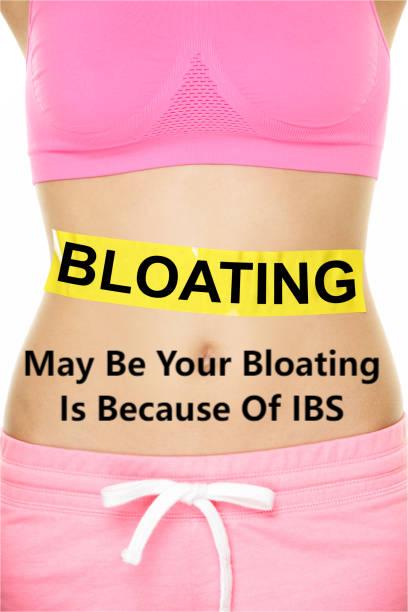
Many patients report that their stomach feels and looks bloated, especially after eating.
Gas and bloating are sometimes even more bothersome symptoms than pain.
Stool changes
You may notice loose, watery stools or hard, lumpy stools, or both.
Ask your doctor to describe your stool form, as this helps guide the subtype of IBS and treatment.
Urgent and incomplete emptying
Urgency means you need to go to the bathroom.
Incomplete emptying is the feeling that you need to pass more stool even after you have had a bowel movement.
Additional gut symptoms
Some people have nausea, headache, fatigue, and pain in other parts of the body that often accompany IBS.
These symptoms reflect the systemic nature of the gut brain interaction.
Read in Detail About: Irritable Bowel Syndrome Symptoms
How doctors diagnose the symptoms and causes of irritable bowel syndrome
There is no single blood test or scan that proves IBS.
Diagnosis relies on a history of symptoms and selected tests to rule out other conditions.
Role of history and Rome criteria
Doctors ask about the timing of bowel habits and symptoms related to red flags.
Meeting Rome criteria and the absence of red flags often supports a diagnosis of IBS.
Tests doctors may order
Common tests include basic blood tests to check for anemia and infections, testing for celiac disease, and sometimes colonoscopy for older patients or those with red flags.
Selective testing helps avoid unnecessary procedures while protecting safety.
When to see a specialist.
Refer to a gastroenterologist if symptoms are severe, don’t respond to initial care, or if testing shows abnormalities.
Specialists can provide advanced testing and specialized treatments.
Read in Detail: Irritable Bowel Syndrome Diagnosis
Evidence based treatments for the symptoms and causes of irritable bowel syndrome
The goal of treatment is to reduce symptoms, improve quality of life, and address contributing factors.
A combination of dietary changes, medication, targeted psychotherapy, and lifestyle measures often helps.
Dietary and nutritional interventions
Dietary changes are central to many patients.
Options include individualized avoidance of regular fiber and stimulants for constipation, and a structured low FODMAP plan for appropriate patients.
Work with a dietitian when possible. (Read Best Foods for Irritable Bowel Syndrome)

Gut directed psychotherapy.
Cognitive behavioral therapy, gut directed hypnotherapy, and mindfulness-based approaches reduce the severity of symptoms by changing the way the brain processes gut signals.
These treatments are supported by clinical trials and often help when stress or anxiety worsens symptoms.
Medications
Medications are chosen based on the type of symptoms.
Options for diarrhea include antidiarrheal medications and some gut specific medications.
For constipation, there are laxatives and newer agents that alter bowel motility.
At low doses, certain antidepressants can reduce pain by altering the perception of pain in the gut.
Use medications under the supervision of a doctor.
Probiotics and the Microbiome Perspective
Some probiotics help select patients, but the evidence is mixed.
Research into targeted microbiome therapies is evolving and holds promise for future healthcare.
Exercise Sleep and Lifestyle
Regular physical activity, better sleep, and reduced alcohol and caffeine consumption often reduce symptom burden.
Lifestyle changes are the foundation of long-term symptom control.
Read in Detail About: Irritable Bowel Syndrome Treatment
Doctor insights are rarely discussed in blogs.
These are clinical points I share in the clinic that you won’t find in many short posts.
Symptom Clusters and the Case for Personal Care
Patients rarely fit a neat box.
Two patients with the same pain may respond to very different treatments because of differences in microbiome dynamics and stress responses.
Treatment works best when personalized and not copied from someone else.
Reassurance Treatment.
Labeling a patient with IBS and providing a clear plan reduces anxiety and improves outcomes.
Sometimes the conversation is as important as the pill or diet.
Watch for an evolving diagnosis
IBS can coexist with other conditions.
If new red flags appear, keep testing and re diagnosing with an open mind.
Small Changes Stack Up
A small change in sleep quality plus a targeted dietary change and a short course of therapy often yield measurable benefits.
Patients often assume they need dramatic intervention, but incremental steps often restore function.
Patient Story A Real World Case
Sarah is 32 years old and came to the clinic worried about months of bloating and loose stools that were causing her to avoid social events.
She tried over the counter treatments with little help.
Her symptoms started last year after a bad stomach infection.
She was worried about work and poor sleep.
We came up with a plan together.
We had celiac and basic blood tests which were normal.
We started a 6 week low FODMAP trial with a dietitian and added a short course of gut-directed cognitive behavioral therapy to help with anxiety.
She also increased her daily walking and sleep habits.
Within 8 weeks, Sarah reported a 60% improvement in bloating and pain and felt confident returning to a normal social life.
Her story shows how combining a diet lifestyle and a mindful gut approach can make a big practical difference.
Living with Irritable Bowel Syndrome Symptoms and Causes Practical Tips
IBS can be managed.
Here are practical steps you can start today.
Start a symptom and food diary.
- Record what you eat when you are stressed, how you sleep, and how your symptoms change.
- Patterns often emerge after a few weeks.
Focus on regular meals and hydration.
- Eating at regular times and staying hydrated helps regulate bowel rhythms.
Work with professionals.
- Dietary therapists and gastroenterologists each bring skills that help with different aspects of IBS.
- Multidisciplinary care is often more effective.
Create a Sleep and Stress Routine
- Good sleep and stress management reduce symptom flares.
- Simple behaviors like evening screen limits and short daily walks can help.
The role of sleep quality
- Poor sleep exacerbates pain sensitivity and bowel symptoms.
- Improving sleep often makes a measurable difference in symptom burden.
The impact of health anxiety
- Fear of serious illness exacerbates symptom severity and reduces quality of life.
- Cognitively addressing health anxiety is often essential for recovery.
Final Doctor’s Note to Patient and Call to Action
The symptoms and causes of irritable bowel syndrome can be frustrating but can usually be managed properly.
If you have any of the warning signs above, please seek medical attention without delay.
If your symptoms are chronic but without red flags, a symptom aware diet and a step by step plan for mindful bowel care often lead to lasting improvement.
If you found this guide helpful, please comment below with your questions, share your experience, or ask to be assessed for your symptom pattern.
If you prefer private advice, consider booking a consultation with your therapist.
References:
Cleveland Clinic — Irritable Bowel Syndrome (IBS)
NIH / NIDDK — Symptoms & Causes of IBS
FAQS
Yes. People often have “flare-up” periods where symptoms worsen, and times when symptoms are mild or absent
IBS is fairly common. Studies estimate that between 10% and 15% of adults in the United States have it.
Some of the most common symptoms include:
Recurrent abdominal pain or cramping, often relieved by bowel movements
Bloating, gas, and abdominal distension
Changes in bowel habits: diarrhea, constipation, or alternating between the two
Feeling like you can’t completely empty your bowels
Mucus in the stool (whiteish mucus)
Sometimes nausea, backache, urinary symptoms, fatigue (less frequent)
IBS is a chronic disorder affecting the large intestine, characterized by abdominal pain and changes in bowel habits (diarrhea, constipation, or both). It is a functional gastrointestinal disorder meaning the gut appears normal structurally but doesn’t function normally.
🧑⚕️ About the Author
Dr. Asif, MBBS, MHPE
Dr. Asif is a licensed medical doctor and qualified medical educationist with a Master’s in Health Professions Education (MHPE) and 18 years of clinical experience. He specializes in gut health and mental wellness. Through his blogs, Dr. Asif shares evidence-based insights to empower readers with practical, trustworthy health information for a better, healthier life.
⚠️ Medical Disclaimer
This blog is intended for educational and informational purposes only. It is not a substitute for professional medical advice, diagnosis, or treatment. Always seek the advice of your physician or another qualified healthcare provider with any questions you may have regarding a medical condition. Never disregard or delay medical advice based on content you read here.
Leave a Reply