

Introduction
How to Prepare for Colonoscopy?
When patients ask me, “Doctor, how do I prepare for a colonoscopy?” my answer is always the same: Preparation is the most important part of the procedure. Colonoscopy is one of the most accurate ways to screen for colon cancer, polyps, and other bowel conditions but it only works if the colon is completely clean.
In my years of clinical practice, I’ve seen patients who followed the preparation instructions carefully and had a smooth, quick colonoscopy. I’ve also seen others who skipped steps, leading to poor visibility, repeated procedures, and unnecessary stress.
This guide will walk you through every detail dietary changes, bowel preparation, medications, and lifestyle adjustments so you know exactly how to prepare for a colonoscopy without any confusion or anxiety.
Why is colonoscopy preparation important?
Think of your colon as a long tunnel. In order for your doctor to see inside clearly, the tunnel must be clean. Even a small amount of stool can block the view, making it difficult to see polyps or cancerous lesions. According to the American Cancer Society, colonoscopy can reduce colorectal cancer deaths by 68% when done with proper preparation (ACS, 2023).
Without proper colonoscopy preparation:
- The exam may take longer.
- Important findings may be missed.
- You may need to repeat the procedure.
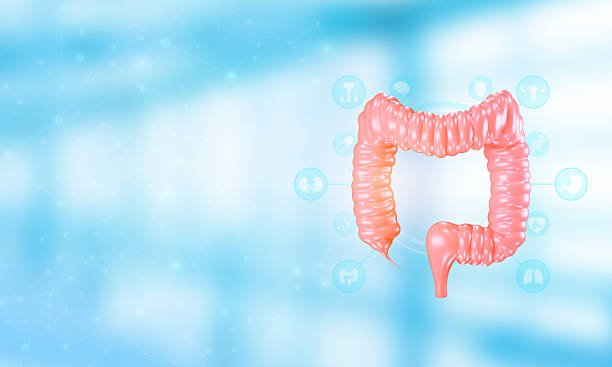
Step 1: How to prepare for colonoscopy with the right diet
Diet is the first and often most confusing step for colonoscopy preparation. I usually explain this with a simple analogy: “Imagine you’re cleaning out your kitchen drain before the exam you wouldn’t put a heavy meal down it the night before.”
3-5 days before your colonoscopy
Go on a low fiber diet to reduce residue in your intestines.
Avoid:
- Whole grains (brown rice, whole wheat bread)
- Nuts, seeds, popcorn
- Raw fruits and vegetables with skin
- Beans and lentils
Instead, eat:
- White bread, pasta, rice
- Eggs, chicken, fish
- Blanched, cooked vegetables
- Bananas, melons, applesauce.
24 hours before your colonoscopy
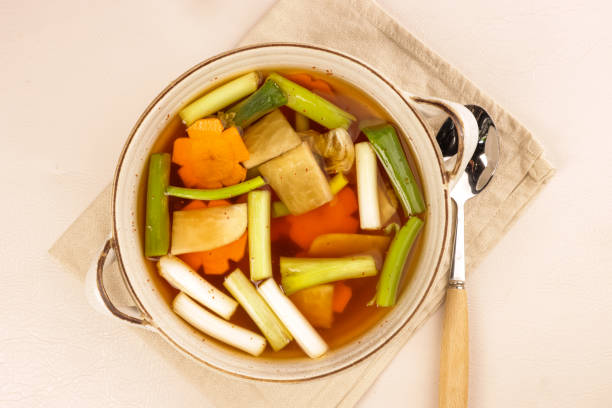
This is the clear liquid diet phase. You can eat:
- Clear broth (chicken, vegetable, or beef)
- Plain tea or coffee (no milk or cream)
- Apple juice, white grape juice
- Clear sports drinks.
- Gelatin (avoid red, blue, or purple colors)
- Avoid milk, dairy, alcohol, or solid foods.
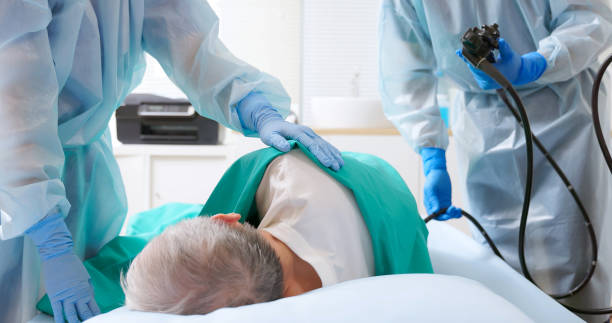
Step 2: How to prepare for colonoscopy with a bowel prep solution.
This is the part that patients worry about the most the “cleansing drink.” Each hospital may recommend a slightly different solution, but the principle is the same: flush out the colon.
Commonly used preparations
- Polyethylene glycol (PEG) solutions, large volume (4 liters) but very safe.
- Split dose prep, half solution the night before, half the morning of the procedure.
- Sodium phosphate tablets/solution, small volume, but not suitable for kidney or heart patients.
Tips to make colonoscopy preparation easier
- Chill the solution in the refrigerator, it tastes better cold.
- Drink with a straw to avoid an aftertaste.
- Add a slice of lemon or sugar free flavoring (if allowed).
Stay close to a bathroom, you will need it often.
Medical advice: Many patients are afraid of dehydration. I recommend drinking clear fluids (such as oral rehydration solution or sports drinks) between meals to keep electrolytes balanced.
Step 3: How to prepare for colonoscopy if you take medications.
In colonoscopy preparation this is where many patients get confused. Some medications can interfere with a colonoscopy or increase the risk of bleeding.
General recommendations
- Blood thinners (warfarin, apixaban, clopidogrel): Always inform your doctor. You may need to stop or adjust them.
- Diabetes medications (insulin, metformin): Since you will be fasting, the dosage usually needs to be adjusted.
- Iron supplements: Stop 5-7 days in advance, as they can darken stools and reduce visibility.
- Blood pressure and heart medications: Usually continue, but check with your doctor.
Medical Insight: In my practice, I once had a patient who continued taking iron supplements despite instructions. Black stools mimic blood and cause unnecessary discomfort during the exam. Please take the preparation instructions seriously.
Step 4: How to prepare for colonoscopy on the day of the procedure
By now, your colon should be clean, but there are a few final steps:
- Stop all liquids at least 2-4 hours before the procedure (follow your hospital’s exact instructions).
- Wear loose, comfortable clothing.
- Arrange for a family member or friend to accompany you, as you will be unconscious and unable to drive.
- Bring a list of medications and allergies.
IF YOU WANT TO KNOW IN DETAIL HOW COLONOSCOPY IS PERFORMED READ THIS
Step 5: What to expect during and after your colonoscopy
Understanding the procedure can help reduce anxiety.
During the colonoscopy
- You will receive mild sedation or anesthesia.
- The procedure takes 30-45 minutes.
- If needed, the doctor may remove polyps or take a biopsy.
After a colonoscopy
- You may feel mild bloating or gas this usually goes away within hours.
- Most people can eat normally once they are fully awake.
- Avoid driving, working, or making major decisions for 24 hours due to the sedation.
IF YOU ARE WORRIED ABOUT THE COMPLICATION READ THIS
Rarely discussed point: Some patients worry about embarrassment or discomfort. From a doctor’s perspective, a colonoscopy is a routine procedure our focus is on your well-being, not judgment.
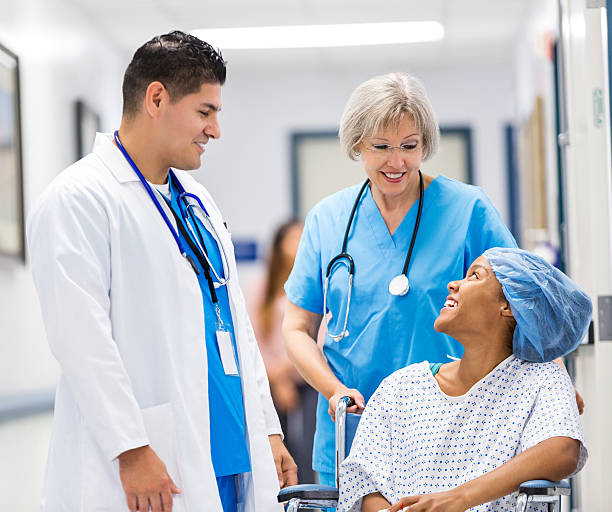
Rarely discussed but important step in colonoscopy preparation: Emotional Preparation
Most online guides focus only on the physical steps, but in my clinical experience, emotional preparation is just as important. Patients often worry about:
- “Will it hurt?”
- “What if something is found?”
- “Is it embarrassing?”
As a doctor, I always reassure:
- A sedative makes the procedure painless.
- Early detection saves lives.
- We perform colonoscopies every day, your health is our only concern.
If you are anxious, practice relaxation techniques, talk openly with your doctor, or bring a family support person with you.
Key statistics on the effectiveness of colonoscopy
- Colorectal cancer is the second leading cause of cancer deaths worldwide (WHO, 2023).
- Colonoscopy can prevent 60% of colon cancer cases by removing polyps early (CDC, 2023).
- A poorly prepared colon increases the risk of missed polyps by up to 42% (PubMed, 2021).
CDC: Colonoscopy Preparation Guidelines
Mayo Clinic: Colonoscopy Procedure Overview
Avoid foods and drinks before a colonoscopy.
While following a clear liquid diet, avoid red, orange, and purple foods and drinks. These colors can stain the lining of the colon and may be mistaken for blood or abnormal tissue during the exam, which can interfere with accurate results. Stick to clear or light colored options instead.
Diagnostic value of colonoscopy: Conditions it can detect.
Colonoscopy is not just for screening for cancer. It helps doctors diagnose a variety of conditions, including:
- Colorectal cancer and precancerous polyps
- Ulcerative colitis and Crohn’s disease
- Diverticolosis and diverticulitis
- Unexplained bleeding, anemia, or chronic diarrhea
- Sticky and abnormal growths in the colon
This makes colonoscopy one of the most valuable tools in modern medicine for both prevention and diagnosis.
Colonoscopy screening guidelines: When should you get screened?
According to the U.S. Preventive Services Task Force (USPSTF) and the American Cancer Society (ACS), average-risk adults should start colonoscopy screening at age 45. If the results are normal, the test is usually repeated every 10 years.
However, people at higher risk such as those with a family history of colon cancer, inflammatory bowel disease, or certain genetic conditions may need to start earlier and be screened more frequently (every 3-5 years).
Doctor’s advice: Even if you feel healthy, don’t skip your recommended screening. Colon polyps and early cancers often have no symptoms, and a colonoscopy is the best way to catch them early.
Read complete screening guidelines here
Conclusion
Summary of Key colonoscopy Preparation Steps
To summarize, knowing how to be ready for colonoscopy is key to success:
- Start a low fiber diet 3-5 days before your procedure.
- Go on a clear liquid diet 24 hours before.
- Take your prescribed bowel preparation solution exactly as directed.
- Review your medications with your doctor, especially blood thinners, diabetes medications, or iron supplements.
- Arrange for assistance for the day of the procedure, including transportation.
It may feel overwhelming at first, but remember, there is a purpose to each step. The more closely you follow your doctor’s instructions, the smoother the procedure will be, and the more accurate the results will be. Think of preparation as an investment in your health. A few days of adjustment can protect you for years to come.
Final Thoughts on the Importance of Regular Screening
A colonoscopy isn’t just about diagnosing disease it’s about stopping it before it starts. Early detection and removal of polyps can prevent colorectal cancer from developing. The World Health Organization highlights that colorectal cancer is one of the leading causes of cancer deaths worldwide, yet it is largely preventable with timely screening.
Regular colonoscopies, combined with a healthy lifestyle, give you the best chance of staying ahead of the disease and living a long, healthy life.
Call to Action
Have you ever had a colonoscopy? What worked well for you or what challenges did you face? Share your experience in the comments below.
If you’re preparing for your first colonoscopy and feeling unsure, don’t hesitate to consult your doctor for personalized guidance. Your comfort, safety, and health always come first.
FAQS
Yes, you can drink clear water before a colonoscopy up until a few hours before the procedure, depending on your doctor’s advice. Staying hydrated is important during bowel preparation, but avoid red, purple, or orange-colored liquids. Always follow the exact timing and fluid intake instructions provided by your healthcare provider.
Preparation for colonoscopy usually starts 2–3 days before the procedure. You’ll need to switch to a low-fiber diet, followed by a clear liquid diet the day before. Your doctor will prescribe bowel cleansing medication, which is typically taken in split doses. Starting early ensures your colon is completely clean for accurate results.
To prepare for colonoscopy at home, follow your doctor’s instructions carefully. Usually, this includes switching to a clear liquid diet, avoiding solid foods, and taking prescribed bowel prep medication. Proper preparation ensures a clean colon, which helps doctors detect polyps or abnormalities accurately during the procedure.
When preparing for colonoscopy, avoid high-fiber foods such as whole grains, nuts, seeds, raw vegetables, and red-colored drinks. These can interfere with the bowel cleansing process. Instead, follow a clear liquid diet with broths, clear juices, and plain tea or coffee without milk. This ensures your colon is properly cleaned for an accurate examination.
The goal of a colonoscopy is for your doctor to get a perfectly clear view of the inside of your colon to screen for polyps and other abnormalities. The bowel prep’s job is to completely clean out your colon. If the prep is incomplete, the doctor’s view can be obscured, potentially hiding small polyps. This might mean the procedure has to be repeated, which no one wants! A thorough prep is the key to a successful colonoscopy.
🧑⚕️ About the Author
Dr. Asif, MBBS, MHPE
Dr. Asif is a licensed medical doctor and qualified medical educationist with a Master’s in Health Professions Education (MHPE) and 18 years of clinical experience. He specializes in gut health and mental wellness. Through his blogs, Dr. Asif shares evidence-based insights to empower readers with practical, trustworthy health information for a better, healthier life.
⚠️ Medical Disclaimer
This blog is intended for educational and informational purposes only. It is not a substitute for professional medical advice, diagnosis, or treatment. Always seek the advice of your physician or another qualified healthcare provider with any questions you may have regarding a medical condition. Never disregard or delay medical advice based on content you read here.
Leave a Reply