

Introduction
How to maintain normal TSH level is one of the most important aspects of supporting your thyroid gland, the small butterfly shaped organ in your neck that affects metabolism, energy, mood, and overall health. Many of my patients often ask me, “Doc, how can I keep my thyroid levels in a healthy range without waiting for symptoms to appear?”
As a licensed physician and medical educator, I have seen firsthand how small lifestyle adjustments, proper monitoring, and timely medical care can make a huge difference in thyroid health. The good news? There are clear, practical steps you can follow to balance your TSH (thyroid stimulating hormone) levels and keep your thyroid healthy for life.
How to maintain normal TSH level?
You to maintain normal TSH level by eating a diet rich in iodine, selenium, and zinc. Exercise regularly; manage stress; get quality sleep; avoid smoking and excessive alcohol; and follow your doctor’s advice about medications or supplements. Regular thyroid function tests help monitor progress and ensure timely adjustments.
Understanding TSH and Thyroid Function
Thyroid stimulating hormone (TSH) is the key regulator of thyroid function, regulating the release of thyroid hormones that maintain energy balance, metabolism, and organ function. Produced by the anterior pituitary gland, TSH ensures that the thyroid gland secretes appropriate levels of thyroxine (T4) and triiodothyronine (T3).
How TSH is synthesized.
Source:
TSH is synthesized by thyrotroph cells in the anterior pituitary.
Trigger:
The hypothalamus releases thyrotropin-releasing hormone (TRH), which binds to TRH receptors on thyrotroph cells.
Molecular structure:
TSH is a glycoprotein composed of two subunits:
- The alpha subunit (shared with LH, FSH, and hCG).
- Beta subunit (contributes to biological specificity, unique to TSH).
Secretory pathway:
TRH binding activates intracellular signaling via phospholipase C, leading to calcium influx and release of TSH into the circulation.
Role of the pituitary and HPT axis
The hypothalamic-pituitary thyroid (HPT) axis tightly controls thyroid hormone levels:
- The hypothalamus releases TRH.
- The pituitary secretes TSH in response.
- The thyroid gland produces T3 and T4 under TSH stimulation.
Negative feedback: Elevated T3/T4 suppress TRH and TSH, while low levels stimulate the release of more TSH.
This loop ensures that thyroid hormones remain stable to regulate metabolism, heart rate, digestion, brain development, and temperature regulation.
Factors affecting TSH synthesis and control
Several variables affect TSH release:
- Thyroid hormone levels: low T4/T3 → ↑TSH; high T4/T3 → ↓TSH.
- Iodine intake: deficiency increases TSH (goiter formation); excess iodine may temporarily suppress TSH (Wolff Chaikoff effect).
- Drugs: Dopamine, glucocorticoids, and somatostatin inhibit TSH secretion. Amiodarone and lithium may also alter regulation.
- Illness and stress: Acute illness (nonthyroidal illness syndrome) reduces TSH. Chronic stress increases cortisol, suppressing TRH and TSH.
- Circadian rhythm: TSH peaks at night (midnight early morning).
- Age and gender: Older adults may show slightly higher TSH. Women, especially in pregnancy, need careful monitoring.
- Genetic effects: Rare mutations in the TSH receptor or pituitary signaling pathways alter synthesis.
Clinical prevalence and significance
- Subclinical hypothyroidism (normal T4/T3 but elevated TSH) is reported in 4–10% of the general population, with higher rates in women and the elderly.
- Iodine deficiency, a major global cause of altered TSH and thyroid dysfunction, still affects approximately 2 billion people worldwide, according to the WHO.
- TSH screening is one of the most sensitive markers for early detection of thyroid disease, often identifying abnormalities before clinical symptoms appear.
Physician’s clinical insights
In my clinical practice, I often see patients with normal TSH levels but no overt symptoms. Many of these cases are associated with stress, poor sleep, or the effects of medications rather than with persistent thyroid disease. This highlights the importance of interpreting TSH values within context rather than relying on a single test result.
References (for credibility and SEO):
Vanderpump MP. Epidemiology of thyroid disease. Br Med Bull. 2011; 99:39-51. PubMed
WHO. Iodine deficiency disorders. World Health Organization fact sheet.
Biondi B, Cooper DS. Clinical significance of subclinical thyroid disease. Endocr Rev. 2008; 29(1):76-131.
How to maintain normal TSH level: 7 doctor-approved tips
1. Eat a thyroid friendly diet.
Eat thyroid friendly food if you are worried about how to maintain a normal TSH level.
Your thyroid needs specific nutrients to produce hormones effectively.
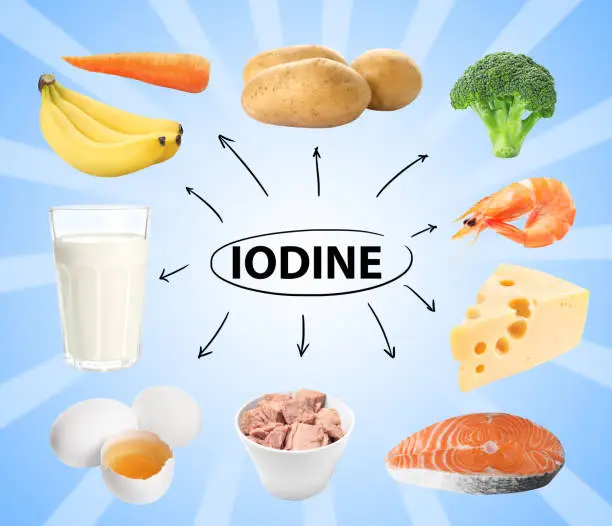
Iodine: Essential for thyroid hormone synthesis.
Sources: Iodized salt, seaweed, dairy, fish.
Caution: Too much iodine can worsen thyroid imbalances.
Read in Detail About: Iodine-rich diet
Selenium: Protects the thyroid from oxidative damage.
Sources: Brazil nuts, tuna, eggs, sunflower seeds.
Zinc: Supports hormone production.
Sources: Pumpkin seeds, beans, beef, oysters.
Iron and vitamin D: Deficiencies can worsen hypothyroidism.
Doctor’s insight: I often see patients with “borderline” hypothyroidism improve their energy when they correct their vitamin D and iron deficiencies.

2. Stay consistent with thyroid medications
For those diagnosed with hypothyroidism or hyperthyroidism, consistency is key.
- Take levothyroxine (if prescribed) on an empty stomach, at the same time every day.
- Avoid taking it with calcium or iron supplements (they interfere with absorption).
- Do not stop or adjust medications without medical advice.
Read in Detail About: Medication that affects thyroid function.
3. Manage stress levels.
Stress activates the hypothalamic pituitary adrenal (HPA) axis, which can suppress thyroid function.
- Practice mindfulness, yoga, or meditation.
- Spend time outdoors (sunlight boosts vitamin D and mood).
- Deep breathing exercises reduce cortisol, indirectly supporting thyroid balance.
Case example: One of my patients with mildly elevated TSH saw improvement after incorporating daily meditation and a structured sleep routine.

4. Prioritize sleep quality.
Poor sleep disrupts hormone regulation. Adults need 7-9 hours per night.
Tips:
- Keep your sleep-wake times consistent.
- Avoid blue light exposure (phone/laptop) 1 hour before bed.
- Limit caffeine after 2 p.m.
Research shows that even short-term sleep deprivation can alter TSH secretion (PubMed study, 2018).
5. Exercise regularly (but avoid overtraining)
- Moderate physical activity supports metabolism and helps regulate TSH.
- Best exercises: brisk walking, swimming, cycling, yoga.
- Avoid extreme endurance training, which can stress the thyroid.
- WHO recommends at least 150 minutes of moderate activity per week for adults.
6. Limit environmental triggers.
Certain lifestyle habits and exposures can affect thyroid health:
- Smoking: Contains thiocyanate, which interferes with iodine uptake.
- Alcohol: Can directly suppress thyroid hormone secretion.
- Plastics (BPA, phthalates): Endocrine disruptors linked to thyroid dysfunction (WHO).
7. Regular monitoring and doctor visits
Get your TSH levels checked annually if you are healthy.
More frequent monitoring if you:
- Are taking thyroid medication.
- Are pregnant.
- Have a family history of thyroid disease.
Doctor’s insight: Patients often wait until symptoms worsen. I encourage proactive testing early detection means easier management.
Secondary focus: How to achieve healthy thyroid levels.
- In addition to TSH, your thyroid health depends on balanced T3 and T4.
- Healthy TSH levels ensure proper signaling.
- Balanced thyroid hormones keep your metabolism, mood, and heart rate stable.
- A combined approach of nutrition, medication, lifestyle, and regular monitoring achieves long-term balance.
Read in Detail About: Thyroid-Friendly Diet for Hypothyroidism
A Doctor’s Unique Insight: Why “Borderline” TSH Matters.
One area that is often overlooked is subclinical hypothyroidism (slightly high TSH but normal T4). Many patients have it despite being told their labs are “normal.”
In my clinical experience, addressing lifestyle factors diet, vitamin deficiencies, stress often improves symptoms before medication is needed.
Conclusion and Call to Action
Maintaining healthy TSH levels isn’t about quick fixes it’s about a lifelong balance of diet, medication, stress management, and regular monitoring. As a physician, I encourage you to stay proactive: understand your labs, ask questions, and take small daily steps toward thyroid wellness.
Now it’s your turn:
Have you had your thyroid checked recently? Share your experience in the comments below or reach out if you’d like personalized advice. Your thyroid is small, but its impact on your health is huge don’t ignore it.
References
FAQS
Diet is important but not always enough. Some thyroid conditions (like autoimmune hypothyroidism) require lifelong medication. However, diet supports overall hormone balance and reduces complications.
Yes. Chronic stress raises cortisol, which can suppress thyroid hormone production and alter TSH regulation. Stress management techniques are essential for thyroid health.
Healthy adults: once a year.
On medication or high risk (pregnancy, family history): every 6–12 weeks initially, then every 6–12 months once stable.
Pregnancy increases demand for thyroid hormones. TSH levels should be kept lower (often below 2.5 mIU/L in the first trimester). Close monitoring with your obstetrician is vital.
You can support TSH balance through iodine-rich foods, selenium, zinc, vitamin D, stress reduction, quality sleep, and regular exercise. Always confirm with blood tests before starting supplements.
Most labs consider 0.4–4.0 mIU/L normal. However, optimal levels may differ slightly by age, pregnancy, and clinical condition. Discuss your target with your doctor.
Generally 0.4–4.0 mIU/L, but pregnancy and elderly patients have different target ranges.
🧑⚕️ About the Author
Dr. Asif, MBBS, MHPE
Dr. Asif is a medical doctor and medical educationist with expertise in simplifying complex health topics for the general public. With a passion for preventive health and evidence-based writing, he helps readers make informed choices about their well-being.
✅ Medically Reviewed By
Dr. T.G., MBBS, FCPS (Endocrinology)
Associate Professor, Endocrinology Ward, HMC Hospital
With over 20 years of clinical experience in managing endocrine disorders, Dr. T.G. ensures that the content is accurate, reliable, and clinically relevant.
⚠️ Medical Disclaimer
This blog is intended for educational and informational purposes only. It is not a substitute for professional medical advice, diagnosis, or treatment. Always seek the advice of your physician or another qualified healthcare provider with any questions you may have regarding a medical condition. Never disregard or delay medical advice based on content you read here.
Leave a Reply