

Introduction:
How to Lower SGPT Level A Concern for Every Liver Patient
Imagine a 42-year-old patient, Mr. Ahmed, walking into my clinic, worried about his liver test report. His SGPT levels are significantly elevated, and he is anxious. Like many people, he asks, “Doctor, how do I lower SGPT levels naturally? Do I need medication, or can lifestyle changes help?”
This is a common but serious concern. SGPT (Serum Glutamate Pyruvate Transaminase), also known as ALT (Alanine Aminotransferase), is an enzyme that rises when the liver is inflamed or damaged. While mild elevations may be temporary, persistent elevations may indicate liver disease.
In this detailed guide, we will explore what is the normal sgpt levels,how to lower SGPT level using science backed methods, practical lifestyle tips, and insights from clinical experience, presented in simple language for patients and families.
What is SGPT (ALT) and why does it increase?
SGPT is an enzyme found mostly in liver cells. When liver cells are injured, SGPT is released into the bloodstream. High SGPT level usually indicate liver inflammation or damage.
Common causes of high SGPT
- Fatty liver disease (nonalcoholic or alcoholic)
- Hepatitis B and C
- Excessive alcohol consumption
- Obesity and metabolic syndrome
- Certain medications (e.g., statins, painkillers)
- Viral infection or autoimmune liver disease
According to the CDC, more than 100 million Americans have some form of liver disease, and elevated SGPT is often the first indication [Source: CDC Liver Disease Statistics].
How to Lower SGPT Level Naturally: 8 Proven Strategies
Let’s take a look at doctor approved steps to safely lower your SGPT level and support your liver.
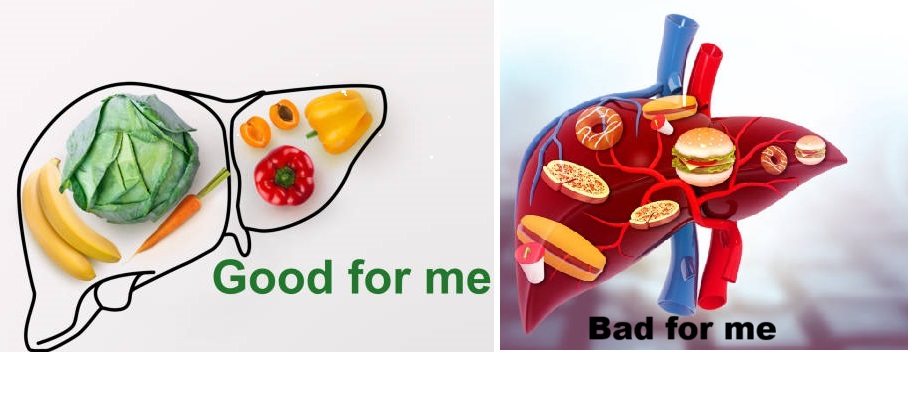
1. Eat a liver friendly diet
How to lower SGPT level through diet? It starts with reducing stress and inflammation on the liver.
Best foods include:
- Fresh fruits and vegetables
- Whole grains like oats and brown rice
- Beans and legumes
- Lean proteins (fish, tofu, chicken)
- Healthy fats (olive oil, nuts)
Avoid:
Avoid these foods to lower your sgpt level.
- Fried foods and fast food
- Sugar-sweetened beverages
- Processed meats
- Alcohol
For detailed eating guidelines, check out our [Liver Cleanse Diet Plan].
2. Maintain a healthy weight
Obesity is directly linked to nonalcoholic fatty liver disease (NAFLD), which is a major cause of elevated SGPT.
Aim for gradual weight loss (1-2 pounds per week).
Combine a calorie-controlled diet with regular physical activity.
Even a 5-10% weight loss can significantly reduce liver enzymes [Source: PubMed – NAFLD and Weight Loss Study].

3. Stay physically active
Exercise increases liver metabolism, reduces fat accumulation, and reduces inflammation.
Recommended activities:
- Brisk walking (30-45 minutes per day)
- Swimming or cycling
- Resistance training (2-3 times per week)
Medical advice:
Patients with mildly elevated SGPT often see improvement within 6-8 weeks of consistent activity.
4. Limit or eliminate alcohol.
Alcohol is toxic to liver cells. If your SGPT is elevated:
Quit alcohol completely even moderate consumption can worsen inflammation.
If quitting is difficult, seek help (e.g., counseling, rehabilitation).
Unique insight:
Even patients with social drinking habits and symptoms cannot silently develop alcoholic fatty liver. I have seen SGPT return to normal within months of complete abstinence.
5. Review your medications and supplements.
Some over-the-counter medications and herbal products can harm your liver:
- Pain relievers (acetaminophen in high doses)
- Statins
- Antibiotics (e.g., isoniazid, amoxicillin-clavulanate)
- Herbal remedies with unknown ingredients
Doctor’s advice:
Do not stop taking prescription medications without your doctor’s advice. But report any supplement use many “natural” products can raise liver enzymes.
6. Get vaccinated and screened for hepatitis.
Viral hepatitis is a major cause of persistently high SGPT.
Get screened for hepatitis B and C.
If you’re negative, get the [Read Hep B vaccine schedule for adults] to protect your liver.
Data from WHO:
Hepatitis B and C affect more than 325 million people worldwide, with liver damage often going unnoticed until enzymes are elevated [Source: WHO Hepatitis Fact Sheet].
7. Try natural liver support herbs (with caution)
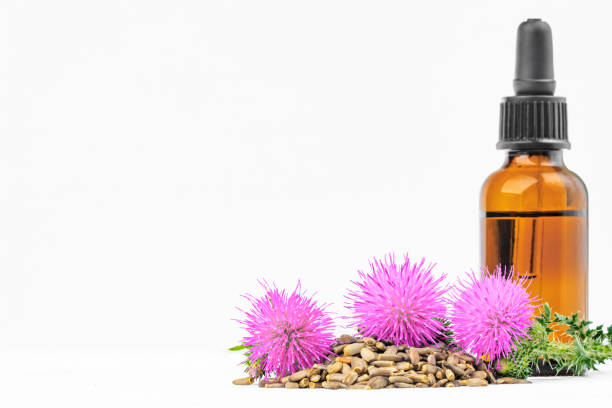
Milk thistle (silymarin) is one of the few herbs with moderate evidence to support liver health.
Antioxidant and anti-inflammatory properties
May help lower SGPT in mild liver failure.
Important note:
Use herbal supplements only under medical supervision. Avoid “liver detox” products purchased online some are harmful.
8. Manage metabolic conditions.
How to lower SGPT level if you have diabetes or high cholesterol?
Control blood sugar levels high glucose damages liver cells.
Use cholesterol lowering medications with caution.
Adopt a Mediterranean style diet.
Clinical experience:
Pre diabetics often normalize SGPT through lifestyle changes before needing medication.
Understanding your SGPT test results if it has low SGPT or high
Normal SGPT levels:
- Men: 7 to 56 units per liter (U/L)
- Women: 7 to 45 U/L
What if SGPT is mildly elevated?
- It may be temporary due to a recent illness or minor liver stress.
- Recheck in 4-6 weeks after making lifestyle changes.
When is it serious?
- Persistently above 100 U/L
- With symptoms such as fatigue, yellowing of the eyes (jaundice), abdominal pain
- If this happens, see your doctor immediately.
Rarely Discussed Insight:
The Role of Gut Health in Liver Enzymes
Not many people know this but your liver and gut are deeply connected.
A condition called “leaky gut” allows harmful bacteria and toxins to enter the bloodstream, putting strain on the liver and raising SGPT.
How to Support Gut and Liver Health:
- Eat a high fiber diet.
- Take probiotics.
- Avoid unnecessary antibiotics.
Clinical Note:
I’ve observed that addressing stomach issues like bloating or IBS can indirectly help normalize liver enzymes over time.
When to Seek Medical Help.
Always consult a doctor if:
- SGPT is rising over time.
- You have other abnormal liver enzymes (e.g., SGOT, ALP, bilirubin)
- A family history of hepatitis or liver disease.
- Symptoms such as fatigue, itching, or nausea develop.
Final thoughts: How to lower SGPT level isn’t just about the numbers.
Low SGPT isn’t just about “normalizing” a lab report it’s about protecting your liver, the body’s main detox organ.
As a doctor, I’ve seen countless patients reverse elevated liver enzymes with timely lifestyle changes, professional guidance, and dedication.
Your liver has an amazing ability to heal if you give it a chance.
Call to Action
Questions about your liver test?
Post your question in the comments or consult your doctor for a personalized plan.
If you found this article helpful, please share it with friends and family who could benefit. Your liver deserves the best care.
References
CDC. Liver Disease Statistics.
PubMed. Effect of Weight Loss on Liver Enzymes in NAFLD Patients. https://pubmed.ncbi.nlm.nih.gov/
FAQS
It’s crucial to consult your doctor before taking any supplements, as some can be harmful to the liver. However, some supplements that have been studied for liver health include:
- Milk Thistle: Contains a compound called silymarin, which is known for its antioxidant and anti-inflammatory properties.
- Omega-3 Fatty Acids: Found in fish oil, these can reduce inflammation.
- Vitamin D: Low levels of Vitamin D have been linked to liver disease
The time it takes to lower SGPT levels depends on the underlying cause and the consistency of your efforts. For mild elevations due to fatty liver disease, you may see improvement in a few months with consistent lifestyle changes. However, if the cause is a chronic condition, it may take longer, and the focus will be on managing the underlying disease. Your doctor will monitor your progress with regular blood tests.
High SGPT levels can be caused by various factors, including:
- Fatty Liver Disease: Both alcoholic and non-alcoholic fatty liver disease are leading causes.
- Hepatitis: Viral infections like Hepatitis A, B, and C can cause significant liver inflammation.
- Alcohol Abuse: Excessive alcohol consumption can damage liver cells.
- Certain Medications: Some drugs, including statins, pain relievers, and antibiotics, can affect liver function.
- Obesity and Diabetes: These conditions are closely linked to non-alcoholic fatty liver disease.
- Other Liver Conditions: Cirrhosis, liver cancer, and autoimmune diseases.
Normal SGPT levels can vary slightly depending on the lab, but generally, they are considered to be:
- For Men: 29-33 IU/L (International Units per Liter)
- For Women: 19-25 IU/L
It’s important to note that these are general guidelines, and your doctor will interpret your results in the context of your overall health.
SGPT stands for Serum Glutamic Pyruvic Transaminase. It is an enzyme primarily found in your liver cells. A blood test measures SGPT levels to assess liver health. Elevated SGPT levels often indicate liver cell damage or inflammation, as the enzyme leaks into the bloodstream.
🧑⚕️ About the Author
Dr. Asif, MBBS, MHPE
Dr. Asif is a licensed medical doctor and qualified medical educationist with a Master’s in Health Professions Education (MHPE) and 18 years of clinical experience. He specializes in gut health and mental wellness. Through his blogs, Dr. Asif shares evidence-based insights to empower readers with practical, trustworthy health information for a better, healthier life.
⚠️ Medical Disclaimer
This blog is intended for educational and informational purposes only. It is not a substitute for professional medical advice, diagnosis, or treatment. Always seek the advice of your physician or another qualified healthcare provider with any questions you may have regarding a medical condition. Never disregard or delay medical advice based on content you read here.
Leave a Reply