

Introduction
How hepatitis B spreads? One of the most important questions patients ask me when they come to me concerned about a liver infection. Many people worry: “Doctor, can I get hepatitis B from sharing food? What about hugging, or being around someone who has it?”
Hepatitis B is a viral infection that attacks the liver, and while it is preventable and manageable, it can be devastating if misdiagnosed. What makes it difficult is that hepatitis B is not always transmitted in obvious ways. Some routes are common and well-known, while others are subtle but just as dangerous.
As a physician and medical educator, I want to explain it in clear, simple terms. Think of the hepatitis B virus (HBV) as an “unwanted guest” that can enter your body through certain doors. Some doors are open (such as direct contact with infected blood), others are hidden (such as mother-to-child transmission at birth).
In this article, I will share with you the 10 most important facts that how hepatitis B spreads, backed by research, patient friendly explanations, and practical prevention tips.
What is Hepatitis B
Hepatitis B is a viral infection that attacks the liver, caused by the hepatitis B virus (HBV). It can lead to short term illness with symptoms like fatigue, fever, nausea, and jaundice, but in some people it becomes chronic, silently damaging the liver over years. Chronic hepatitis B increases the risk of cirrhosis and liver cancer if untreated. The virus spreads through blood and body fluids, but it is preventable with vaccination and manageable with proper medical care.
How is hepatitis B spreads (10 important facts you should know).
1. Mother to child transmission (perinatal spread)
One of the most common ways hepatitis B spreads is from mother to child during childbirth. Even if the mother is asymptomatic, the virus can be passed through blood and body fluids at the time of delivery.
Doctor’s Insight: In high prevalence regions such as Asia and Africa, perinatal transmission is the leading cause of chronic hepatitis B. That’s why vaccination of newborns within 24 hours is a global recommendation (CDC)
Read in Detail About: [Hepatitis B Vaccine Adult Schedule] to be safe.
2. Sexual Transmission
How is hepatitis B transmitted sexually? Through semen, vaginal fluids, or blood during unprotected intercourse. Unlike HIV, HBV is 50-100 times more infectious (WHO)
3. Sharing needles and syringes
Injecting drugs with shared needles is a high risk route for hepatitis B transmission. The virus can survive outside the body for at least 7 days on contaminated equipment (PubMed).
Doctor’s Note: Even small, invisible traces of blood are enough to cause infection.
4. Unsafe medical procedures
In areas where sterilization practices are weak, blood transfusions, dental work, or surgery with unsterile equipment remain a risk. Although most countries now screen blood donations, disparities still exist.
5. Household contact through sharp objects
Hepatitis B is not spread through eating or sharing utensils, but it can be spread in the home through razors, toothbrushes, or nail clippers if contaminated with blood.
Read in Detail About: [Can hepatitis B be spread through saliva]
6. Occupational exposure
Healthcare workers, laboratory personnel, and emergency responders are at high risk of needlestick injuries or contact with infected blood. That is why vaccination is mandatory in medical professions.
7. Blood to blood contact in everyday life
Accidental exposures such as open wounds that touch infected blood can transmit the virus. This is why it is important to cover cuts and practice proper hygiene.
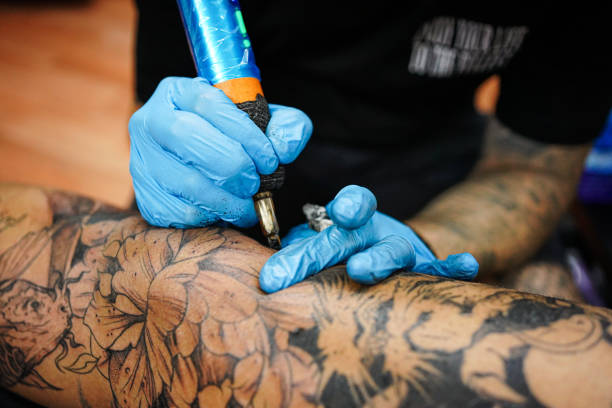
8. Tattoos and body piercing
Non sterile needles or ink in tattoo shops or piercing studios can transmit HBV. Always make sure that the equipment is single-use or properly sterilized.
9. Rare transmission routes
Although less common, HBV spread through:
- Dialysis units with inadequate sterilization.
- Sharing drug snorting straws (nasal drips).
- Deep cuts where blood is exchanged.
Unique insight (doctor’s perspective): I once treated a patient who had acquired HBV from repeated dental procedures in a small clinic with poor sterilization protocols. Such cases remind us that even “routine” care can pose risks if safety is neglected.
10. Myths about transmission (how HBV is not spread)
Many patients fear that hepatitis B spreads through casual contact, but this is not true. It is not spread by:
- Hugging, shaking hands, or sharing food.
- Coughing, sneezing, or kissing on the cheek.
- Sharing toilets or swimming pools.
Read in Detail About: [Early symptoms of hepatitis B]
Why it’s important to understand how hepatitis B spreads.
According to the CDC, there are 1.5 million new HBV infections worldwide each year, yet many can be prevented with vaccination and awareness.
Understanding how hepatitis B spreads:
- Protecting families and communities.
- Breaking the cycle of silent transmission.
- Reducing stigma by correcting myths.
Read in Details About: [Can hepatitis B be permanently cured?]
Preventing hepatitis B transmission
Preventing Hepatitis B Transmission
- Get vaccinated – The hepatitis B vaccine is the most effective way to prevent infection and provides long-term protection.
- Practice safe sex – Use condoms and avoid unprotected sex with partners whose hepatitis B status is unknown.
- Avoid sharing needles or sharps – including razors, syringes or tattoo equipment.
- Make sure medical and dental equipment is sterile – always choose licensed health care facilities.
- Screen pregnant women – Early testing allows for timely vaccination and treatment to prevent mother to child transmission.
- Use only screened blood and organs – Transfusions and transplants should be from certified, safe sources.
- Educate family members – Awareness reduces household transmission through shared personal items.
Rarely discussed insights into hepatitis B transmission
- Silent household carrier: In some families, children become infected through small cuts at a young age and remain asymptomatic until adulthood.
- Long virus survival: HBV is one of the most tenacious viruses, surviving on surfaces for up to a week.
- Cultural methods: In some regions, scarification or ceremonial cutting still plays a role in transmission.
When to get tested
If you are in a high risk group (healthcare workers, drug users, unvaccinated adults, with multiple sexual partners), testing is essential. A simple HBsAg blood test reveals infection status.
Conclusion and Call to Action
How hepatitis B spreads is not just a scientific fact it is important knowledge that can save lives. From childbirth to unsafe injections, the virus has many doors, but the good news is: with awareness and prevention, every door can be closed.
As a doctor, I urge you: Don’t let myths mislead you. Encourage yourself and your loved ones to get vaccinated, practice safe habits, and get tested when needed.
Your turn: Have you ever worried about hepatitis B transmission in your family or workplace? Share your concerns in the comments, or consult your doctor for personalized advice. Together, we can break the chain of HBV spread.
References:
FAQS
No. Hepatitis B is not spread like hepatitis A. It requires blood or body fluid exposure, not contaminated food or water.
Yes, especially during birth or early childhood through small wounds. That’s why newborn vaccination is crucial.
HBV can survive up to 7 days on surfaces and still be infectious if it enters the bloodstream
Not necessarily. If you’re vaccinated and use protection, your risk is very low. Testing and vaccination are key for partners.
Hepatitis B spreads more easily through sexual contact and perinatal routes, while hepatitis C is more blood-borne (mostly through needles and transfusions).
🧑⚕️ About the Author
Dr. Asif, MBBS, MHPE
Dr. Asif is a licensed medical doctor and qualified medical educationist with a Master’s in Health Professions Education (MHPE) and 18 years of clinical experience. He specializes in gut health and mental wellness. Through his blogs, Dr. Asif shares evidence-based insights to empower readers with practical, trustworthy health information for a better, healthier life.
⚠️ Medical Disclaimer
This blog is intended for educational and informational purposes only. It is not a substitute for professional medical advice, diagnosis, or treatment. Always seek the advice of your physician or another qualified healthcare provider with any questions you may have regarding a medical condition. Never disregard or delay medical advice based on content you read here.
Leave a Reply