

Introduction
Hepatitis B causes are often misunderstood, yet they are key to protecting yourself and your loved ones from this silent infection. As a licensed physician and medical educator, I often see patients who believe that the virus is only spread through “unhygienic” practices, but the truth is much broader than that. Hepatitis B is a viral infection that silently affects an estimated 296 million people worldwide (WHO, 2023). By learning about its hepatitis B causes, you can take the first step toward prevention.
Think of hepatitis B virus (HBV) as a stealthy intruder it slips silently through blood, bodily fluids, or even from mother to child during birth. Some people recover quickly, while others develop chronic infections that can damage the liver over time. In this blog, I will explain the hepatitis B causes in clear, relevant language, supported by patient examples and clinical evidence.
What causes hepatitis B?
Hepatitis B is caused by the hepatitis B virus (HBV), which is spread primarily through contact with infected blood, semen, or other bodily fluids. Major causes include unprotected sex with an infected partner, sharing contaminated needles or syringes, unsafe blood transfusions, and transmission from mother to child during childbirth. Unlike casual contact such as hugging or sharing food, HBV requires direct exposure to infected fluids. People with weakened immune systems or those living in areas with high HBV prevalence are at higher risk. Prevention includes vaccination, safe sex practices, sterile medical equipment, and prenatal screening.
Read in Detail About: Early Symptoms of Hepatitis B
Understanding the causes of hepatitis B
Hepatitis B causes are not limited to any one factor. The virus spreads predictably but is sometimes overlooked. Let’s break it down into everyday situations so you can identify the risks in your life.
The Root Cause – Hepatitis B Virus
At the heart of every hepatitis B infection is the hepatitis B virus (HBV). Think of it like a tiny seed it needs the right conditions to grow. That “condition” is your liver, where HBV multiplies and can cause damage over time.
- HBV is 10 times more infectious than HIV (CDC, 2023).
- Even small amounts of infected blood can transmit the virus.
- The virus can survive outside the body for up to 7 days, making contaminated surfaces dangerous if blood is present.
Major Routes of Hepatitis B Transmission
Sexual Transmission.
Unprotected sex with an infected partner is one of the most common causes of hepatitis B worldwide. The virus is present in semen, vaginal fluids, and blood.
Case example: A 28 year old patient once asked me if an unprotected intercourse could transmit HBV. Answer: Yes, even one exposure carries a risk.
Sharing needles or syringes
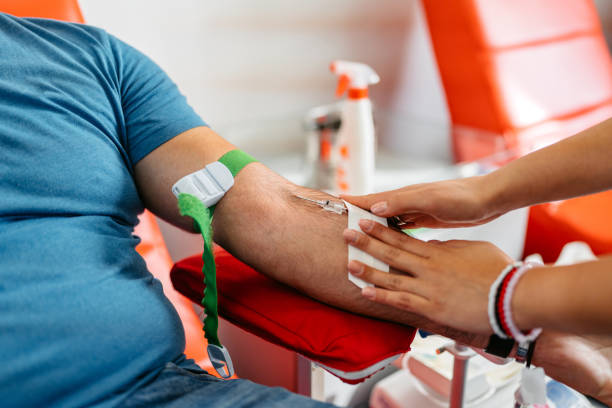
People who inject drugs are at higher risk because HBV is transmitted effectively through blood. Even medical procedures with unsterile syringes can transmit the virus.
Statistics: The WHO reports that unsafe injections cause 16 million new HBV infections annually.
This is not limited to drug use there is also a risk in traditional tattooing or piercing with unsterile equipment.

Blood transfusions and unsafe medical practices
Before stricter screening, blood transfusions were a major cause of hepatitis B. Today, in many developed countries, this risk is low due to testing. However, in some regions with limited resources, it still occurs.
Doctor’s Note (Unique Insight): In my clinical practice, I have seen patients who contracted HBV not through transfusion, but through routine medical procedures with unsterile equipment such as dental work in rural clinics. This risk is often overlooked in public discussions.
Mother to child transmission (vertical transmission)
One of the most heartbreaking causes of hepatitis B is when a newborn contracts HBV from the mother during childbirth. Without intervention, 90% of infected infants develop chronic hepatitis B (WHO).
Read in Detail About: [Hepatitis B vaccine schedule for adults]

Less common but important hepatitis B causes
Household contact with infected blood
HBV is not spread through casual contact, but infection can occur if family members share razors, toothbrushes, or come into contact with open wounds.
Occupational exposure
Healthcare workers are at risk from accidental needlestick injuries. I remember a young medical intern who pricked her finger during an injection fortunately, she had been vaccinated, which prevented infection.
Cultural or traditional practices
Practices such as scarification, ritual circumcision, or acupuncture with unsterile needles can transmit HBV. These causes are rarely discussed but remain relevant in many communities.
Hepatitis B risk factors you should know
In addition to direct hepatitis B causes, you should also know common hepatitis B risk factors to be safe.
- Unvaccinated people, the vaccine is the strongest protection.
- Multiple sexual partners without protection.
- People with HIV or a weakened immune system.
- Babies born to mothers infected with HBV.
- People living in high prevalence areas such as Asia and sub Saharan Africa.
Why some people develop chronic hepatitis B.
Not everyone infected with HBV ends up with a long term illness. The way the body responds to the virus determines whether the infection clears up or becomes chronic.
- Adults vs. infants: About 90-95% of healthy adults who get hepatitis B recover completely within 6 months, developing lifelong immunity. In contrast, 90% of newborns infected at birth develop chronic hepatitis B, because their immune systems are still immature (WHO, 2023).
- Children and adolescents: The risk of chronic infection decreases with age. About 30-50% of children infected before the age of 6 become chronic carriers.
- Immune response matters: Think of your immune system as a “defense army.” If it mounts a strong response, the virus is eliminated. A weak response allows HBV to remain hidden in liver cells, leading to chronic disease.
- Co-infections and health conditions: People living with HIV, hepatitis C, or other immune-suppressing conditions are more likely to develop chronic HBV.
- Genetic and environmental factors: Research suggests that family history and certain genetic traits may influence who becomes a chronic carrier.
Doctor’s perspective: In my clinical practice, I often see patients with chronic hepatitis B feel guilty, as if they did something “wrong” to deserve it. The truth is, it’s mostly about the timing of the infection and your body’s immune response, not personal fault. This is important to understand so that patients don’t unnecessarily stigmatize themselves.
Debunking myths about the causes of hepatitis B
You cannot get HBV from…
- Sharing food, hugging, or shaking hands.
- Using public restrooms or swimming pools.
- Coughing or sneezing.
Why are these myths important?
Many patients suffer from stigma because of these misconceptions. I have counseled individuals who were unfairly isolated from their families because of false beliefs about HBV transmission.
Prevention strategies linked to causes
Knowing the causes helps us avoid infection.
- Vaccination – highly effective and safe.
- Safe sex – using condoms.
- Sterilized medical equipment – both in hospitals and at home.
- Antenatal screening – essential during pregnancy.
- Education – dispelling myths in communities.
Read in Detail: [Can Hepatitis B be spread through saliva]
References:
Outbound link: WHO Hepatitis B fact sheet
A doctor’s perspective (what patients overlook).
In my years of practice, the most overlooked hepatitis B causes is unsafe routine procedures such as injections using shared equipment at a local clinic or beauty salon. Ignoring these everyday risks, patients often focus solely on sex or drug use. This insight is missing from many blogs but is crucial for real prevention.
Conclusion and call to action
The causes of hepatitis B may seem complicated, but the truth is simple: it is spread through infected blood and body fluids, not casual contact. By understanding the real causes and risk factors, you can protect yourself and your loved ones.
As a doctor, my advice is: get vaccinated, practice safe practices, and never hesitate to ask questions about the safety of medical procedures.
Have you or someone you know ever wondered about the causes of hepatitis B? Share your thoughts in the comments below. If you have personal health concerns, consult a healthcare professional prevention and early detection save lives.
FAQS
Casual kissing does not cause hepatitis B. The virus is not spread through saliva in normal conditions. Only deep kissing with bleeding gums or sores could theoretically pose a minimal risk.
Unvaccinated status, multiple partners, unsafe medical practices, living in high-prevalence regions, and weak immunity are the main risk factors.
Chronic hepatitis B develops when the body’s immune system fails to clear the virus. This is common in infants (90%) and less common in adults (5–10%). Genetics, immunity, and co-infections play roles.
In adults, hepatitis B is most often caused by unprotected sex with an infected partner or sharing contaminated needles. Medical procedures with unsterilized equipment are also important causes in some regions.
The main cause is transmission from mother to child during childbirth. Without preventive measures, most infected babies develop chronic hepatitis B.
🧑⚕️ About the Author
Dr. Asif, MBBS, MHPE
Dr. Asif is a licensed medical doctor and qualified medical educationist with a Master’s in Health Professions Education (MHPE) and 18 years of clinical experience. He specializes in gut health and mental wellness. Through his blogs, Dr. Asif shares evidence-based insights to empower readers with practical, trustworthy health information for a better, healthier life.
⚠️ Medical Disclaimer
This blog is intended for educational and informational purposes only. It is not a substitute for professional medical advice, diagnosis, or treatment. Always seek the advice of your physician or another qualified healthcare provider with any questions you may have regarding a medical condition. Never disregard or delay medical advice based on content you read here.
Leave a Reply