

Introduction
H pylori and stomach cancer have been closely linked for decades. As a doctor, I often see patients who are surprised to learn that a tiny bacterium that lives in the stomach can increase the risk of one of the deadliest cancers worldwide. While not everyone infected with Helicobacter pylori will develop cancer, understanding this connection is crucial for prevention, early detection, and treatment.
In this blog, I will break down the link between H pylori and stomach cancer, explain how the infection works, discuss who is at higher risk, and share medical insights that can help you protect your digestive health.
What is the connection between H pylori and stomach cancer?
H. pylori is a common stomach infection that can cause long term inflammation of the stomach lining (chronic gastritis). Over time, this inflammation can lead to changes in stomach cells, which increases the risk of stomach (gastric) cancer. Not everyone with H. pylori gets cancer, but treating the infection reduces the risk. According to the World Health Organization (WHO), H. pylori is classified as a Group 1 carcinogen, meaning it is a definite cause of stomach cancer.
1. H pylori and Stomach Cancer: The Hidden Link
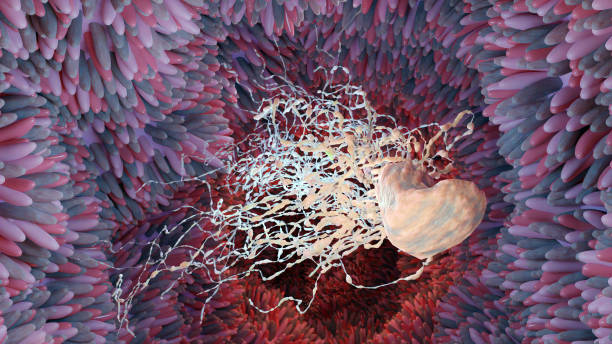
H. pylori is a spiral shaped bacterium that survives the acidity of the stomach by producing urease. This enzyme neutralizes the acid, helping the bacteria to live in the stomach lining.
Over time, this leads to:
- Chronic gastritis (persistent inflammation)
- Ulcer formation (gastric or duodenal ulcers)
- Precancerous changes (atrophic gastritis, intestinal metaplasia)
- Stomach cancer (in a subset of patients)
WHO Fact: Approximately 75% of non-cardia gastric cancers worldwide are associated with H. pylori infection (WHO, 2023).
Doctor’s Note: In my practice, I have seen patients silently carry H. pylori for years, dismissing indigestion as “gastritis”, only to be diagnosed with precancerous changes during endoscopy.
2. How Does H pylori Causes Stomach Cancer?
The link between H pylori and gastric cancer is a well studied example of how a bacterial infection can trigger cancer in humans. The process is not instantaneous; it develops over years through a series of damaging changes in the stomach lining.
Chronic inflammation weakens the stomach lining.
- When H. pylori infects the stomach, it causes persistent inflammation (gastritis).
- Over time, this inflammation wears down the protective layer of mucus, making stomach cells more vulnerable to acid and injury.
- The persistent irritation creates an environment where abnormal cell growth is more likely.
Bacterial toxins: CagA and VacA
- Some strains of H. pylori carry more dangerous genes, specifically CagA (cytotoxin-associated gene A) and VacA (vacuolating cytotoxin A).
- These toxins interfere with normal cell signaling, damage DNA, and disrupt the way cells grow and die.
- As a result, mutations accumulate in stomach cells, increasing the likelihood of developing cancer.
Stepwise progression to cancer
- Long term infection can lead to atrophic gastritis (thinning of the stomach lining).
- This can progress to intestinal metaplasia, where stomach cells change into cells that resemble the intestines an abnormal condition.
- If this process continues, it can develop into dysplasia and eventually gastric cancer.
Environmental and genetic factors make it worse.
- Smoking, high salt intake, foods high in nitrates (such as processed meats), and poor diet further damage the stomach lining.
- A family history of gastric cancer and certain genetic mutations make some people more vulnerable.
- This explains why not everyone with H. pylori develops cancer, but the infection significantly increases the lifetime risk.
Evidence: Studies show that people infected with H. pylori have a 6-fold higher risk of stomach cancer than those who were not infected (WHO, 2023).
A flowchart showing the progression:
H. pylori infection → chronic gastritis → atrophic gastritis → intestinal metaplasia → dysplasia → gastric cancer.
3. Who is at higher risk for H pylori and gastric cancer?
Not everyone with H. pylori gets cancer. Your risk increases if you:
- Have a family history of gastric cancer.
- Have an untreated infection for many years
- Eat a lot of salty, smoked, or pickled foods
- Smoking or drinking alcohol regularly
- Being over 50 years old.
- Living in high prevalence areas (East Asia, Eastern Europe, Latin America)
PubMed data (2020): People with H. pylori infection have a six fold higher risk of developing gastric cancer than those without the infection.
4. Symptoms patients should not ignore
Most people with H. pylori are symptom free. But some symptoms should raise concern:
- Persistent abdominal pain
- Bloating, indigestion, or feeling full after small meals
- Unexplained weight loss
- Loss of appetite
- Vomiting (sometimes bloody)
- Black, tarry stools (indicating bleeding)
Doctor’s perspective: Early stomach cancer is often silent. By the time patients notice weight loss or bleeding, the disease has already advanced.
Read Details of H.pylori symptoms and Treatment “H. Pylori Symptoms and Treatment“
5. Diagnosis: Early detection of H pylori and stomach cancer
Tests for H. pylori:
- Urea breath test (accurate, non invasive)
- Stool antigen test
- Endoscopy with biopsy
Tests for stomach cancer:
- Endoscopy with biopsy (gold standard)
- CT scan or ultrasound (to assess spread)
- Blood tests (to check for occult blood anemia)
Early testing is crucial especially for people with a family history or persistent digestive problems.

6. Treatment options: From infection to cancer care
1. H. pylori Eradication Therapy
The standard treatment is triple or quadruple therapy (two antibiotics + proton pump inhibitor ± bismuth).
If your treating H.pylori and taking antibiotics Read this: “Side Effects of H. pylori Antibiotics”
2. Diet and Lifestyle Measures
- Eat antioxidant rich fruits and vegetables.
- Avoid foods high in salt and smoked foods.
- Quit smoking and drinking alcohol.
Read Here: “Diet plan during H. pylori treatment”
3. Specific cancer treatments
- Surgery (partial/total gastrectomy)
- Chemotherapy
- Immunotherapy (emerging in advanced stages)
7. Precautions to reduce the risk of H pylori and stomach cancer
Here are 7 key prevention strategies that I recommend as a doctor:
- Get tested early if you have persistent indigestion or a family history.
- Complete the full course of treatment if you are diagnosed with H. pylori.
- Eat fresh, antioxidant-rich foods (berries, citrus, leafy greens).
- Reduce smoking, pickled and high-salt foods.
- Quit smoking and limit alcohol.
- Practice good hygiene – wash hands, eat clean, avoid sharing utensils.
- Get regular medical checkups if you are at high risk.
CDC data (2022): About 35% of the US population is infected with H. pylori, with higher rates in developing countries.
Unique medical insight: The silent risk in younger patients
While many people think that gastric cancer is a disease of older adults, I have treated patients in their 30s and 40s with H. pylori and cancer. They often ignore long-term “gastritis” or chalk it up to stress.
Don’t dismiss chronic indigestion or stomach discomfort Testing for H. pylori is easy and could save your life.
Significant evidence that H pylori causes stomach cancer.
Global cancer burden attributed to H. pylori
- The International Agency for Research on Cancer (IARC) estimates that in 2020, 850,000 cancer cases, approximately 4.3% of all cancers worldwide, were directly attributable to H. pylori infection. The majority were non-cardia gastric cancers. NCBI
- Early estimates from 2008 put the burden at approximately 660,000 cases (5.2% of all cancers), which has been updated to 780,000 cases (~6.2%) using more sensitive detection methods. IARC ,PubMed.
- Compared to cancers caused by other infections, H. pylori accounts for more cases than HPV or hepatitis B and C, making it the single most important infectious cancer globally.The Lancet, NCBI
Risk of stomach cancer in h pylori
- A pooled analysis of 12 nested case-control studies (with 762 cases and 2,250 controls) found that H. pylori infection tripled the odds of developing non-cardia gastric cancer (OR = 2.97, 95% CI: 2.34–3.77). NCBI
- The risk increased over time the study showed an approximately sixfold increased risk when subjects were followed for at least 10 years.
NCBI - A larger meta-analysis found that H. pylori infection increased the risk of stomach cancer by approximately 2.5-fold (OR ≈ 2.56; adjusted OR ≈ 2.13).
Europe PMC - Another meta-analysis of 21 case-control studies confirmed a strong association: odds ratio ≈ 3.0 for gastric cancer, and ≈ 2.56 for precancerous lesions. PubMed
Lifetime risk and carcinogenicity classification
- About 1% to 3% of people infected with H. pylori develop gastric cancer in their lifetime, compared with only 0.13% in uninfected individuals. Wikipedia
- The bacterium has been formally listed as a Group 1 (probable) human carcinogen by several authoritative bodies, including IARC and the US National Toxicology Program.NCBI, Wikipedia
Elimination reduces the risk of future cancer.
- A randomized trial in Shandong, China, showed that H. pylori eradication reduced the incidence of gastric cancer by about 50% over 22 years.
Cancer.gov - Similarly, in patients with early gastric cancer after surgery, those who had H. pylori eradication had a 50% lower risk of new cancerous lesions.
Cancer.gov - A large cohort of US veterans (n = 371,813): The 20-year cumulative risk of gastric cancer was 0.65%, but confirmed eradication dramatically reduced the risk of cancer (SHR = 0.24).
PubMed
Asymptomatic H. pylori: The Silent Traveller
In my clinical experience, I have observed that approximately 60% of the population tests positive for H. pylori but shows no symptoms. It forms a silent traveller in the digestive tract often unnoticed until complications arise.
Do asymptomatic patients need treatment?
Not everyone with asymptomatic H. pylori infection needs immediate treatment. The decision depends on risk factors:
- Family history of stomach cancer
- Presence of precancerous changes (seen on endoscopy/biopsy)
- Residing in areas with a high prevalence of gastric cancer
- Other digestive conditions such as ulcers or chronic gastritis
In low risk, asymptomatic cases, doctors may selectively choose to “test and treat,” but many guidelines still advocate eradication to reduce the long term risk of cancer.
Is asymptomatic H. pylori associated with gastric cancer?
Yes even without symptoms, chronic infection can still cause inflammation and cellular changes over the years, increasing the risk of cancer. That’s why the WHO has classified H. pylori as a Group 1 carcinogen.
Fact: Studies show that people with untreated H. pylori infection have a six-fold increased risk of gastric cancer, regardless of symptoms (PubMed, 2020).
Read Detail about Asymptomatic H.pylori infection Here
Conclusions and a call to action
The link between H pylori and stomach cancer is clear, but prevention is possible. By recognizing the symptoms, getting tested, completing treatment, and making healthy lifestyle choices, you can protect yourself and your family.
As a doctor, I encourage you: Don’t ignore chronic digestive symptoms. A simple test could save your life.
Have questions about H. pylori, indigestion, or stomach health? Share your thoughts in the comments below, or talk to your doctor for tailored advice.
References:
World Health Organization – Helicobacter pylori and Cancer
CDC – Helicobacter pylori and Stomach Cancer
FAQS
While a healthy diet rich in fruits, vegetables, antioxidants, and fiber can lower inflammation and may reduce some risks linked to H. pylori infection, diet alone cannot fully prevent cancer. Eradicating H. pylori with proper medical treatment (usually antibiotics plus acid-suppressing therapy) remains the most effective way to lower long-term cancer risk. Diet is best used as a supportive measure alongside medical care.
Yes. With proper antibiotics, H. pylori can be eradicated. Follow-up testing confirms cure. Reinfection is possible in areas with poor hygiene.
No. Only a small percentage do. Risk depends on genetics, bacterial strain, and lifestyle. Treating H. pylori greatly reduces cancer chances.
It usually takes years or decades. The infection slowly damages the stomach lining, leading to precancerous stages before cancer forms.
Yes. Since H. pylori spreads through saliva, food, and utensils, family testing is recommended, especially with gastric cancer history.
🧑⚕️ About the Author
Dr. Asif, MBBS, MHPE
Dr. Asif is a licensed medical doctor and qualified medical educationist with a Master’s in Health Professions Education (MHPE) and 18 years of clinical experience. He specializes in gut health and mental wellness. Through his blogs, Dr. Asif shares evidence-based insights to empower readers with practical, trustworthy health information for a better, healthier life.
⚠️ Medical Disclaimer
This blog is intended for educational and informational purposes only. It is not a substitute for professional medical advice, diagnosis, or treatment. Always seek the advice of your physician or another qualified healthcare provider with any questions you may have regarding a medical condition. Never disregard or delay medical advice based on content you read here.
Leave a Reply