

Introduction
Gallbladder stones diet plan is essential for anyone dealing with gallstones a common digestive problem that affects millions of people worldwide. These small, hard deposits can silently form in your gallbladder and may cause sudden pain, nausea, or even complications like inflammation or infection.
As I’ve experienced in my clinical practice, many patients are surprised to learn how much diet affects stone formation and symptoms. If you or a loved one has been diagnosed with gallstones, adopting the right diet can make a real difference not only in relieving symptoms but also in preventing further complications.
In this article, I’ll walk you through the causes of gallstones, foods to avoid in gallstones, and most importantly a carefully crafted 7-day gallstone diet plan that can naturally support your health and digestion.
What are gallstones?
Gallstones are solid particles that form in the gallbladder from bile cholesterol and bilirubin. They range in size and can be as small as a grain of sand or as large as a golf ball.
While many people live with gallstones without symptoms, others may experience:
- Sudden, sharp pain in the upper right abdomen
- Nausea or vomiting
- Bloating, especially after eating
- Indigestion and gas
Causes of gallstones
In my daily practice, I often see patients who are unaware of the factors that contribute to the formation of stones. Common causes of gallstones include:
- Obesity or rapid weight loss
- A high-fat and high cholesterol containing food, low-fiber diet
- Genetics and family history
- A sedentary lifestyle
- Pregnancy or hormonal therapy
- Certain medical conditions, such as diabetes or liver disease
Diet and lifestyle choices play a big role, which is why it’s important to follow a gallbladder-friendly eating plan.
Read in Detail About: What Causes Gallstones
Gallbladder Stones diet plan: Foods to Avoid in Gallstones
Certain foods should be avoided in gallbladder stones diet plan these foods can trigger a gallstone attack by causing the gallbladder to contract or produce more bile.
❌ Avoid these foods:
- Fried foods and fast food (burgers, fries, fritters)
- High-fat dairy (butter, cheese, cream)
- Fatty cuts of meat (beef, mutton, organ meats)
- Refined carbohydrates (white bread, sweets, baked goods)
- Full-fat sauces and gravies
- Carbonated drinks and sugary drinks
- Egg yolks (high in cholesterol)
⚠️ These foods can increase bile cholesterol levels and contribute to stone formation or trigger painful attacks.
Gallbladder Stones Diet Plan: What to Eat
Adopting a diet that supports healthy bile production and fat digestion can significantly reduce gallstone symptoms and prevent new stone formation. In my clinical practice, I’ve observed that simple, consistent dietary changes can help patients avoid painful gallstone attacks and even delay or eliminate the need for surgery.
Here’s a deeper look at the foods that support gallbladder health and why they work:
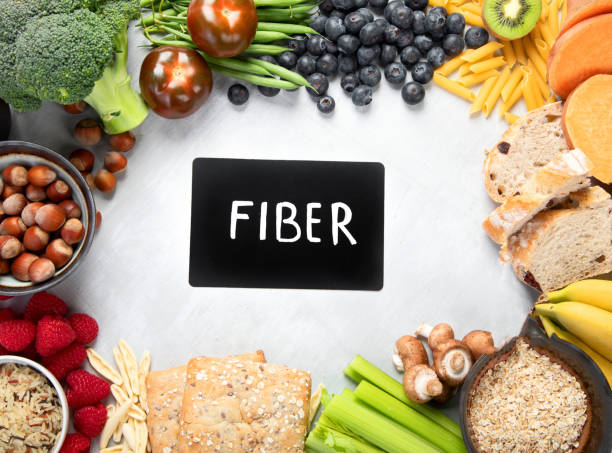
✅ High-Fiber Vegetables (Spinach, Okra, Carrots)
Fiber is crucial for regulating digestion and promoting smooth bowel movements. It binds to excess cholesterol in the intestines and helps excrete it before it can be converted into gallstones. Vegetables like spinach and carrots also provide antioxidants and phytonutrients that support liver and gallbladder function.High fiber food play a vital role in gallbladder stones diet plan.
Spinach: Rich in magnesium and vitamin E, which may reduce gallstone formation.
Okra: Contains mucilage and fiber that soothe the gut lining and improve bile flow.
Carrots: High in beta-carotene and soluble fiber, which lowers LDL cholesterol.
Fresh Fruits (Apple, Pear, Papaya, Berries)
Fruits are naturally rich in fiber, antioxidants, and water all of which support bile health and reduce cholesterol levels in the bile.
- Apples & Pears: High in pectin, a soluble fiber that binds cholesterol and toxins in the gut.
- Papaya: Contains digestive enzymes (like papain) that aid in protein digestion and reduce gallbladder strain.
- Berries: Packed with antioxidants that reduce inflammation and support liver detoxification.
💡 Tip: Include at least 2 servings of fruit per day to support digestive health and bile balance.
Whole Grains (Brown Rice, Oats, Whole Wheat Roti)
Whole grains are unrefined and retain their fiber, B-vitamins, and trace minerals all essential for proper metabolism of fats.
Brown Rice: Helps stabilise blood sugar and improve satiety without burdening the gallbladder.
Oats: Rich in beta-glucan, a soluble fiber that lowers LDL cholesterol and aids bowel movement.
Whole Wheat Roti: Provides complex carbohydrates and sustained energy without triggering bile overproduction.
In my dietary recommendations, I advise replacing white rice, bread, and refined carbs with whole-grain alternatives to reduce gallstone risk.

Lean Proteins (Skinless Chicken, Fish, Lentils, Tofu)
Protein is essential for tissue repair and immune health, but fatty meats can worsen gallstone issues. Lean sources ensure adequate protein intake without causing bile overload.
Skinless Chicken & Fish: Provide high-quality protein with minimal saturated fat.
Lentils & Tofu: Plant-based, low-fat options that are easy to digest and fiber-rich.
Including plant-based proteins a few times a week also supports better cholesterol levels and gut health.
Healthy Fats in Moderation (Olive Oil, Flax seeds)
Contrary to popular belief, small amounts of healthy fat are essential. They stimulate the gallbladder to release bile regularly, preventing it from stagnating and forming stones.
Olive Oil: A monounsaturated fat that helps lower bad cholesterol and improves bile consistency.
Flax seeds: Rich in omega-3s and fiber; support digestion and reduce gallbladder inflammation.
⚠️ Too much fat even healthy fat can still trigger symptoms in sensitive individuals, so moderation is key.
Plenty of Water (8–10 Glasses Daily)
Hydration is critical for optimal bile production and flow. Dehydration can lead to thicker bile and increased cholesterol saturation a major risk factor for stone formation.Hydration play a vital role in gallbladder stones diet plan.
Water helps:
Flush out toxins through the liver and kidneys
Maintain healthy digestion and prevent constipation
Support consistent bile secretion and movement
In my experience, many patients unknowingly worsen their gallbladder symptoms by not drinking enough fluids especially in hot climates or while dieting.
Final Word on What to Eat
Building a diet rich in fiber, lean protein, plant-based nutrients, and hydration doesn’t just reduce the risk of gallstones it also improves overall digestive, liver, and metabolic health and are the key part of gallbladder stone diet plan.
The key is balance and consistency. By choosing the right foods and avoiding gallbladder irritants, you can protect your digestive system and lead a more comfortable, symptom-free life.
Here is complete 1 week diet plan for you
Below is a practical, doctor-approved 1-week meal plan. You can rotate or adjust the portions based on your needs.
Day 1
Breakfast: Oatmeal with sliced banana and chia seeds
Lunch: Grilled chicken with brown rice and steamed broccoli
Dinner: Lentil soup with whole wheat toast
Day 2
Breakfast: Papaya slices + boiled egg white.
Lunch: Fish curry (grilled or baked) with quinoa and sautéed spinach
Dinner: Mung beans + steamed vegetables + brown rice
Day 3
Breakfast: Smoothie with low-fat yogurt, flaxseeds and berries
Lunch: Chicken salad with olive oil vinaigrette
Dinner: Vegetable khichdi + mint chutney.
Day 4
Breakfast: Whole grain toast + low-fat cheese
Lunch: Fried tofu + brown rice + green beans
Dinner: Mixed vegetable soup + bread (no ghee)
Day 5
Breakfast: Apple slices + peanut butter (in moderation)
Lunch: Lentil curry + red rice + cucumber salad
Dinner: Grilled fish + boiled sweet potato + spinach
Day 6
Breakfast: Porridge + almonds (4-5 soaked)
Lunch: Chicken breast + whole wheat pasta + roasted black pepper.
Dinner: Tomato soup + vegetable sandwich (no cheese/mayo)
Day 7
Breakfast: Papaya with peas + Poha
Lunch: Tofu tikka + Millet roti + Mixed salad
Dinner: Vegetable pulao (light oil) + Raita (low-fat yogurt)
💡 Tip: Avoid skipping meals – eating regularly keeps bile flowing and prevents crystals from forming.
Lifestyle tips to support gallbladder health
A good diet alone is not enough. These daily habits help improve your digestive health:
- Maintain a healthy weight gradually (not crash dieting)
- Engage in 30 minutes of physical activity daily.
- Stay hydrated throughout the day
- Eat smaller, more frequent meals.
- Limit alcohol and caffeine.
📖 Harvard Health offers more insight into how diet affects gallstone development.
When to see a doctor.
If you experience:
- Persistent or severe abdominal pain
- Fever with chills
- Jaundice (yellowing of the eyes or skin)
- Nausea and vomiting that don’t get better.
– Seek immediate medical attention. These could be signs of complications such as cholecystitis or bile duct obstruction.
For more information on gallstone complications and surgery options, visit the Mayo Clinic.
Conclusion
Gallstones can be painful and disruptive, but a well-balanced diet can significantly reduce your symptoms and help you live a comfortable life without surgery.
As a doctor, I strongly advise my patients to use diet as part of their medication. The right gallstone treatment plan, paired with a healthy lifestyle, can make a significant difference.
Start by following the 7-day plan above, and keep a list of foods to avoid in gallstones, and consult your healthcare provider if symptoms persist.
✅ Your Next Step
If you found this article helpful, share it with someone who might be struggling with gallbladder issues.
Want a personalised gallbladder stones diet plan or want to have a complete list of foods to eat and foods to avoid in gallstones, Leave a comment or contact us — we’re here to help!
Stay healthy, stay informed your gallbladder will thank you!
FAQS
Diet may not dissolve stones but can prevent symptoms and new formation. Some small cholesterol stones may shrink over time with dietary changes.
Avoid egg yolks, as they are high in cholesterol. Egg whites are a safer protein source.
Moderate coffee intake (1–2 cups/day) may reduce the risk of gallstones, but excessive caffeine should be avoided.
Not always. If the stones are asymptomatic or small, a conservative approach with diet and monitoring may be advised.
Use heart-healthy oils like olive oil or canola oil in small quantities. Avoid ghee and butter.
🧑⚕️ About the Author
Dr. Asif, MBBS, MHPE
Dr. Asif is a licensed medical doctor and qualified medical educationist with a Master’s in Health Professions Education (MHPE) and 18 years of clinical experience. He specializes in gut health and mental wellness. Through his blogs, Dr. Asif shares evidence-based insights to empower readers with practical, trustworthy health information for a better, healthier life.
⚠️ Medical Disclaimer
This blog is intended for educational and informational purposes only. It is not a substitute for professional medical advice, diagnosis, or treatment. Always seek the advice of your physician or another qualified healthcare provider with any questions you may have regarding a medical condition. Never disregard or delay medical advice based on content you read here.
Leave a Reply