

Introduction
Foods good for celiac disease can make a significant difference in the way your body heals, feels, and functions. Living with celiac disease can feel like walking through a minefield of hidden gluten. Many of my patients describe how even a small exposure can trigger fatigue, bloating, or pain. But that’s the hopeful part by choosing the right foods, your gut can heal, inflammation can calm, and your energy can return.
In this article, we’ll explore foods good for celiac disease, explaining why they work, how to incorporate them into your daily diet, and the science behind their healing effects. As a licensed physician and medical educator, I simplify complex medical facts into practical, everyday advice the kind I share with patients who want to live healthy, confident, gluten free lives.
What are the best foods for celiac disease?
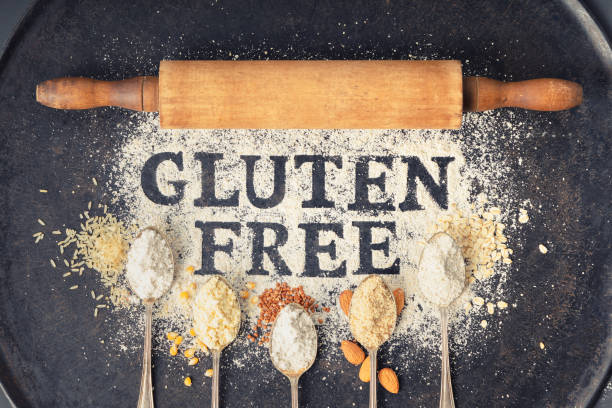
The best foods for celiac disease are naturally gluten free, nutritious, and easy on the digestive system. These include fresh fruits, vegetables, lean protein, fish, eggs, beans, nuts, seeds, and whole gluten free grains like quinoa, brown rice, and millet. These foods help repair damaged intestinal linings, reduce inflammation, and replenish essential vitamins and minerals lost due to malabsorption. Avoiding processed or cross contaminated products is key. Always check food labels for “gluten free” certification and consult your doctor or dietitian to ensure a balanced, healing diet plan. Read more: [Gluten-Free Foods]
Understanding Celiac Disease
Celiac disease is an autoimmune condition in which the body’s immune system reacts abnormally to gluten a protein found in wheat, barley, and rye. This immune response damages the villi (the tiny finger like structures in the small intestine) that are responsible for absorbing nutrients.
Over time, this damage leads to nutrient deficiencies, fatigue, skin problems, bloating, diarrhea, and even anemia. The basis of treatment is a strict lifelong gluten free diet. Choosing the right foods helps repair the intestinal lining and support overall gut health.
Read More: Foods to Avoid in Celiac Disease
Why an anti inflammatory foods are important.
When gluten triggers inflammation, the gut becomes like a wound that struggles to close. Anti inflammatory foods act as natural healers calming the immune response and promoting repair. Foods rich in antioxidants, omega-3 fats, and plant compounds are especially beneficial for people with celiac disease.
Good Foods for Celiac Disease (14 Healing Choices)
Below are 14 foods clinically recommended good foods for celiac disease, chosen for their gut soothing and anti-inflammatory properties.
1. Quinoa ( The Gluten-Free Power Grain)
Quinoa is a complete protein, meaning it contains all nine essential amino acids. It is naturally gluten free and is rich in fiber, magnesium, and iron nutrients often deficient in people with celiac disease.
Recipe: Cook quinoa with vegetable broth for extra flavor.
2. Brown Rice ( Gentle on the Gut)
Brown rice provides complex carbohydrates and B vitamins, which help maintain energy levels without causing digestive irritation. It is a safe, versatile base for many gluten-free meals.
Doctor’s Insight: Many celiac disease sufferers regain energy after replacing processed gluten-free flours with natural grains like brown rice.
3. Sweet Potatoes ( Nature’s Gut-Soothing Food)
Full of vitamin A, potassium and antioxidants, sweet potatoes are easily digested and help heal intestinal mucus. Their fiber helps maintain bowel regularity.
4. Leafy Greens ( Anti-Inflammatory Champions)
Spinach, kale and Swiss chard are rich in folate, iron and chlorophyll nutrients that help with red blood cell production and detoxification. These vegetables are best anti inflammation foods and improve gut barrier function.
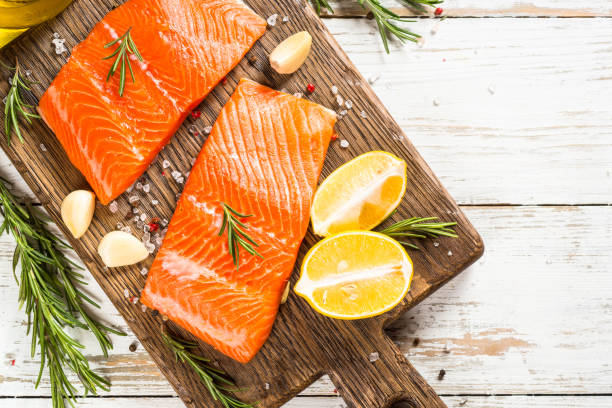
5. Salmon ( Rich in omega-3 fatty acids)
Salmon’s omega-3 fats are best among anti inflammatory foods and promote tissue repair. According to the Mayo Clinic, omega-3s may help reduce autoimmune inflammation.
Reference: Mayo Clinic – Omega-3 Fatty Acids
6. Eggs ( Easy protein for sensitive stomachs)
Eggs provide high quality protein, vitamin D, and choline. They are well-tolerated by most people with celiac disease and help with muscle repair and energy metabolism.
7. Lentils and beans ( Boost plant protein and fiber).
They are excellent sources of iron, folate, and magnesium. Soaking lentils before cooking reduces bloating and improves digestion. Lentils help keep blood sugar stable.
8. Blueberries ( Antioxidant-Rich Healing Berries)
Blueberries combat oxidative stress caused by chronic inflammation. Their natural compounds, anthocyanins, help protect intestinal cells from further damage.
Doctor’s Note: A handful of berries daily supports both gut and immune health.
9. Yogurt (gluten-free and probiotic-rich)
Gluten-free yogurt restores healthy gut bacteria in people with celiac disease. Choose unsweetened varieties with live cultures. Probiotics like Lactobacillus and Bifidobacterium improve digestion and reduce bloating.
10. Chia Seeds ( Tiny Nutritional Powerhouses)
Chia seeds provide omega-3s, fiber, and calcium. When soaked, they form a gel that supports healthy bowel movements and soothes the lining of the digestive tract.
11. Almonds ( Vitamin E for gut healing)
Almonds, rich in vitamin E and magnesium, help reduce oxidative stress. They are ideal as a snack but should be eaten in moderation for those with sensitive digestion.
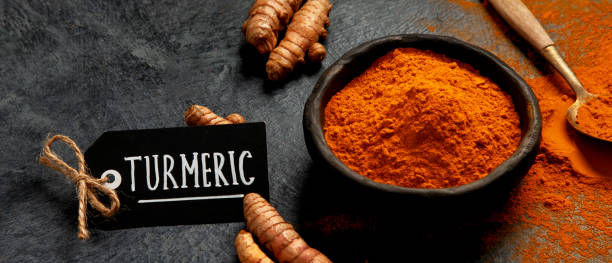
12. Turmeric ( Nature’s Anti-Inflammatory Spice)
Curcumin, the active compound in turmeric, has proven anti-inflammatory and antioxidant effects. A study reviewed in PubMed suggests that curcumin can modulate immune activity and aid in gut healing.
Reference: PubMed – Curcumin and Gut Health
13. Avocado ( Healthy Fats and Gut Repair)
Avocados are rich in monounsaturated fats, fiber, and potassium nutrients that reduce intestinal inflammation and help absorb nutrients.
14. Papaya ( Natural Digestive Enzyme Source)
Papaya contains an enzyme called papain, which helps break down proteins and facilitate digestion. This is especially helpful for those who still experience mild indigestion during recovery.
Doctor’s Insight: The Hidden Challenge of Cross Contamination
Even trace amounts of gluten can be detrimental to gut healing. I’ve seen patients improve dramatically when they learn to avoid hidden sources of gluten like sauces, soups, and processed snacks. Always use separate toasters, cutting boards, and utensils for gluten free foods.
Meal Planning Tips for People with Celiac Disease
- Choose fresh, whole foods over processed gluten free foods.
- Read labels carefully for “certified gluten free foods.
- Cook at home whenever possible to avoid cross contamination.
- Add probiotics and prebiotics to restore your gut microbiota.
- Stay hydrated and ensure adequate calcium and vitamin D intake.
Read more:[Best Ways to Improve Gut Health], [Foods That Relieve Gas and Bloating].
Unique Doctor’s Perspective
What many blogs overlook is that celiac recovery is not just about removing gluten it’s about rebuilding the gut ecosystem.
Patients often feel better after two weeks, but full intestinal recovery can take 6 to 12 months. During this period, consistent use of anti inflammatory foods and probiotics makes a significant difference.
Story from practice
A young teacher once came to me, exhausted and rapidly losing weight. After being diagnosed with celiac disease, he switched to a balanced gluten free foods based on the foods from this list. Within three months, his energy returned, his hemoglobin improved, and he rediscovered the joy of eating without pain. Healing is possible with the right diet, patience, and perseverance.
Final Thoughts and Call to Action
Healing from celiac disease starts with food not fear. Choosing the right diet for celiac disease gives you the power to restore your gut, energy, and confidence.
If you’re newly diagnosed or struggling to find balance on your gluten-free journey, remember: recovery is possible.
Consult your doctor for personalized nutritional guidance, and share your experience in the comments below your story may help someone else begin their journey to healing.
FAQS
Many patients temporarily develop lactose intolerance due to villi damage. Lactose-free or probiotic yogurt is usually well tolerated as the gut heals.
Pure oats are naturally gluten-free but often contaminated during processing. Choose only certified gluten-free oats, and introduce them gradually under medical supervision.
Healing varies by individual. Children often recover within months, while adults may take 6–24 months for complete intestinal recovery, depending on dietary consistency.
Naturally gluten-free foods like fruits, vegetables, lean meat, fish, eggs, rice, quinoa, and nuts are the safest. Always check for “gluten-free certified” labels and avoid processed foods that may contain hidden gluten
Safe snack ideas include fruit, nuts, rice cakes, roasted chickpeas, and smoothies. Avoid snacks with malt flavoring, soy sauce, or wheat-based additives.
🧑⚕️ About the Author
Dr. Asif, MBBS, MHPE
Dr. Asif is a licensed medical doctor and qualified medical educationist with a Master’s in Health Professions Education (MHPE) and 18 years of clinical experience. He specializes in gut health and mental wellness. Through his blogs, Dr. Asif shares evidence based insights to empower readers with practical, trustworthy health information for a better, healthier life.
⚠️ Medical Disclaimer
This blog is intended for educational and informational purposes only. It is not a substitute for professional medical advice, diagnosis, or treatment. Always seek the advice of your physician or another qualified healthcare provider with any questions you may have regarding a medical condition. Never disregard or delay medical advice based on content you read here.
Leave a Reply