

Introduction
Early symptoms of primary biliary cirrhosis are often subtle and easy to miss, yet they can hold the key to protecting your liver health before permanent damage occurs. As a licensed physician and medical educator, I have seen many patients who first came in with vague complaints feeling unusually tired, experiencing unexplained itching, or noticing a change in urine color without realizing that these are early warning signs of liver disease.
Think of your liver as the body’s natural filter system. When its tiny bile ducts are attacked and damaged, waste and bile begin to build up, causing silent but progressive injury. The challenge is that these early symptoms are often dismissed as “just stress” or “normal aging,” leading to a delay in diagnosis.
In this guide, I’ll walk you through the early symptoms of primary biliary cirrhosis, explain how they develop, and share unique insights from real patient cases. By the end, you’ll know what to look for, when to seek help, and how early recognition can make a life changing difference.
What are the early symptoms of primary biliary cirrhosis?
The early symptoms of primary biliary cirrhosis (PBC) are often subtle and develop slowly over years. The most common early symptoms include:
- Persistent fatigue: Feeling constantly tired even after rest.
- Itchy skin (pruritus): Often worse at night and without visible spots.
- Dry eyes and dry mouth: Caused by associated autoimmune changes.
- Upper right abdominal pain: A dull ache under the ribs.
- Unexplained joint or bone pain.
Some patients also report dark urine, pale stools, or unexplained darkening of the skin. Because these symptoms overlap with other conditions, Primary biliary cirrhosis often goes undiagnosed in its early stages.
If caught early, lifestyle changes and treatment can slow progression, prevent complications like cirrhosis, and improve quality of life. If you experience these symptoms especially in combination it’s important to see a doctor for a diagnosis, including liver function tests and blood tests for antimitochondrial antibodies (AMA).
Understanding Primary Biliary Cirrhosis (PBC)
Primary biliary cirrhosis (PBC) more accurately called primary biliary cholangitis is a long term (chronic) liver disease. It happens because the body’s immune system, which normally protects us from infection, mistakenly starts attacking the small bile ducts inside the liver.
What are bile ducts?
Think of bile ducts as small drainage pipes inside the liver. Their job is to carry bile (a yellow-green fluid produced by the liver) into the intestine.
- Bile helps digest fats from food.
- It also helps remove toxins, cholesterol, and waste products from the body.
What happens in Primary biliary cirrhosis?
When these small bile ducts are slowly destroyed by the immune system:
- Bile begins to build up inside the liver (like a back up in water-filled pipes).
- This buildup irritates and damages liver cells.
- Over time, the liver tries to heal, but repeated damage causes scar tissue.
- If left untreated for many years, this scarring can become severe, leading to cirrhosis a stage where the liver hardens and loses most of its function.
Who is affected?
- 90% of patients are women, usually between the ages of 40 and 60.
- It is considered an autoimmune disease, meaning it is not caused solely by alcohol, infection, or lifestyle.
Why is it important to catch it early?
Because the disease progresses slowly, people can live with it for years before symptoms become apparent. Early detection through blood tests and paying attention to subtle signs like fatigue or itching can make a big difference. Today, there are medications that can slow or stop progression if started early.
Analogy (to illustrate):
Think of your liver as a city water system. The bile ducts are the pipelines that carry waste water. In Primary biliary cirrhosis, the immune system attacks these pipes, clogging them. The waste water (bile) backs up into the city (liver), damaging the buildings (liver cells) and eventually destroying the structure (causing cirrhosis).
Read in Detail About: [What causes cirrhosis of the liver besides alcohol], [Can hepatitis cause cirrhosis].
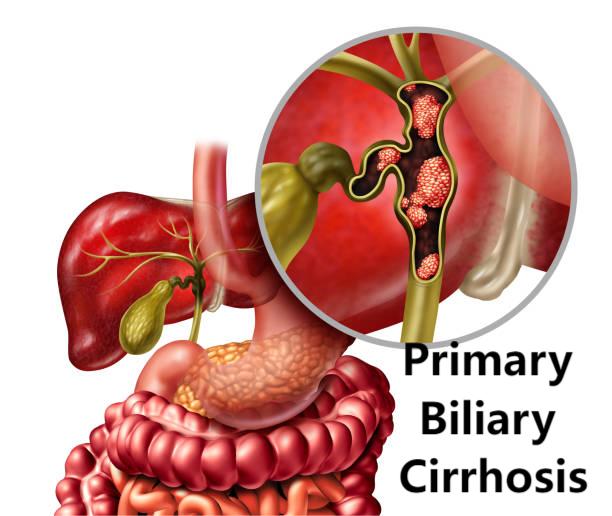
Early symptoms of primary biliary cirrhosis
Recognizing the early symptoms of primary biliary cirrhosis can be life saving. Let’s review them in detail.
Fatigue – the most overlooked symptom
- Fatigue in Primary biliary cirrhosis is not the usual tiredness of a busy day. It is a persistent, overwhelming exhaustion that does not improve with rest.
- Patients describe it as “walking through quicksand.”
- Studies show that 80% of PBC patients report fatigue in the early stages (PubMed, 2021).

Itchy skin (pruritus)
- One of the early symptoms of primary biliary cirrhosis is severe itching, which is often worse at night.
- It can appear on the palms, soles, or be generalized over the body.
- Unlike allergies, there is no rash.
- Caused by bile salts and toxins accumulating in the skin.
Read in Detail About: [Cirrhosis Self-Care] — Learn tips to soothe the skin and manage liver-related symptoms.
Dry eyes and mouth (Sicca syndrome)
Because PBC often overlaps with autoimmune conditions such as Sjogren’s syndrome, patients may experience:
- Difficulty swallowing dry food.
- Needing water at night.
- Burning or stinging sensation in the eyes.
Unique insight: Many patients see an eye doctor or dentist before realizing that their liver is the root of the problem.
Dark urine and yellow stools
- Dark tea-colored urine = excess bilirubin.
- Clay-colored stools = decreased bile flow.
These subtle changes often appear before jaundice.
Read in Detail: [First sign of cirrhosis].
Abdominal discomfort
A dull, nagging pain may appear in the upper right abdomen. While nonspecific, in the context of fatigue and itching, this is suspicious for PBC.
Skin Changes
- Hyperpigmentation (dark spots on the skin).
- Yellowing of the eyes or skin (later stages).
- Xanthelasma: Fatty deposits around the eyes due to altered cholesterol metabolism.
Rarely Discussed Early Signs (Doctor’s Perspective)
From my medical experience, not discussed on many blogs, rare but important early signs are:
- Bone pain or early osteoporosis – bile duct damage affects vitamin D absorption.
- Recurrent fractures in postmenopausal women.
- Mood changes – Chronic fatigue and itching often lead to anxiety or depression.
- Brain fog – Difficulty concentrating due to toxin accumulation.
Why it’s important to recognize the early signs of primary biliary cirrhosis
Recognizing the early signs of primary biliary cirrhosis isn’t just helpful it’s absolutely essential for protecting the long-term health of your liver. The disease progresses slowly and silently, often over several years. If early symptoms such as persistent fatigue, unexplained itching, or dark-colored urine are noticed and investigated early, treatment can begin before serious damage occurs.
1. Preventing irreversible liver damage
The liver is one of the most resilient organs in the body, but once scar tissue forms (cirrhosis), the damage cannot be reversed. Early recognition gives doctors a chance to intervene while the liver is still functioning well.
2. Better treatment outcomes
Drugs such as ursodeoxycholic acid (UDCA) or newer drugs work best when started in the early stages. They can reduce bile duct destruction, reduce symptoms, and significantly improve life expectancy. According to research published in Hepatology (2020), patients who received early treatment had a 60-70% lower risk of progression to liver failure than those diagnosed late.
Read in Detail:[Primary Biliary Cirrhosis Treatment]
3. Avoiding serious complications
Untreated primary biliary cirrhosis can lead to:
- Cirrhosis and liver failure.
- Severe itching that disrupts sleep and daily life.
- Osteoporosis and bone fractures due to poor vitamin absorption
- The risk of liver cancer increases in advanced stages.
Early detection helps prevent these complications, maintaining both health and quality of life.
4. Improving quality of life
Symptoms such as fatigue, itching, and dry eyes may seem minor at first, but they can affect daily activities, work, and relationships. Early diagnosis means patients can get not only medication, but also lifestyle advice and supportive care to improve daily life.
5. Psychological reassurance
Knowing what’s going on inside your body provides relief from uncertainty. Many patients feel less anxious after understanding their symptoms and creating a treatment plan.
Reader analogy:
Think of your liver like a car engine. If a warning light flashes (such as fatigue or itching), ignoring it can lead to complete engine failure. Recognizing the early signs of primary biliary cirrhosis is like taking your car to the mechanic as soon as possible before the damage becomes permanent.
How Doctors Diagnose PBC.
Blood Tests
- Elevated Alkaline Phosphatase (ALP).
- Anti-Mitochondrial Antibodies (AMA) – Positive in 90-95% of Cases.
Imaging
- Ultrasound, FibroScan for Staining.

Liver Biopsy.
- Sometimes needed to confirm the stage.
Reference: CDC – Primary Biliary Cholangitis
Patient Story (Storytelling Insights)
I once treated a 47-year-old woman who came in with just an itchy hand and felt “tired.” After routine blood work, her ALP was high, and the AMA was positive. She had early stage PBC. With early treatment and lifestyle changes, she avoided cirrhosis and continues to live a healthy, active life today.
This story illustrates why listening to the little body’s cues is important.
Lifestyle and Self-Care for Early Symptoms of primary biliary cirrhosis
- A balanced diet low in saturated fat.
- Avoid alcohol completely.
- Exercise to maintain bone strength.
- Avoid moisturizers, hot baths for itching.
Reference: WHO – Liver Health
Conclusion and call to action
The early symptoms of primary biliary cirrhosis fatigue, itching, dry eyes, abdominal discomfort may seem common at first. But together, they form a pattern that should never be ignored.
As a doctor, I urge you: listen to your body’s little whispers before they become screams. If you experience these symptoms, consult your doctor, ask about liver function tests, and advocate for your health.
Share your experience in the comments below: Have you ever had unexplained fatigue or itching that was dismissed as “stress”? Your story may help others recognize the symptoms earlier.
FAQS
They can relieve symptoms (itching, fatigue) and slow progression but cannot cure PBC. Medical treatment is still essential.
Yes. Up to 50% of patients are diagnosed incidentally through blood tests before symptoms appear.
Not necessarily. With early detection and treatment, progression can be delayed or even halted.
Yes. PBC itching is deeper, worse at night, and without a rash. Allergic itching usually has redness or bumps.
Fatigue and itching are the earliest and most common. Many patients ignore them until they worsen.
🧑⚕️ About the Author
Dr. Asif, MBBS, MHPE
Dr. Asif is a licensed medical doctor and qualified medical educationist with a Master’s in Health Professions Education (MHPE) and 18 years of clinical experience. He specializes in gut health and mental wellness. Through his blogs, Dr. Asif shares evidence-based insights to empower readers with practical, trustworthy health information for a better, healthier life.
⚠️ Medical Disclaimer
This blog is intended for educational and informational purposes only. It is not a substitute for professional medical advice, diagnosis, or treatment. Always seek the advice of your physician or another qualified healthcare provider with any questions you may have regarding a medical condition. Never disregard or delay medical advice based on content you read here.
Leave a Reply