

Introduction
Diarrhea after eating food is one of the most uncomfortable digestive issues that many people face. As a licensed physician and medical educator, I often see patients who ask anxiously: “Doc, why do I get diarrhea after eating?” It’s a frustrating experience you enjoy a plate of food only to find yourself running to the bathroom a few minutes later. Sometimes, it’s just your gut reacting to a harmless trigger, but other times it’s a warning sign of deeper health issues.
In this guide, you will get a clear answer to the question that why i get diarrhea after eating?I’ll walk you through the symptoms, treatment, and prevention strategies for diarrhea after eating. You’ll learn when to be concerned, what tests may be needed, and how to manage it naturally and medically. My goal is to explain everything in simple, friendly language, while adding unique insights from clinical practice that you don’t usually find online.
Understanding Postprandial Diarrhea
Postprandial diarrhea medically known as postprandial diarrhea refers to loose, watery stools that occur shortly after eating. It can strike within minutes to a few hours of eating, and it often leaves people feeling weak, anxious, or embarrassed.
Storytelling Example:
I remember a young professional who came to my clinic troubled by persistent diarrhea after lunch. He was skipping office lunches, avoiding social gatherings, and even declining promotions because traveling meant unpredictable bowel habits. After a diagnosis, we discovered lactose intolerance, and with simple dietary changes, his life returned to normal. This is just one example of how something seemingly small can have a big impact.
Diarrhea after eating: 10 dangerous causes you shouldn’t ignore.
1. Food intolerances and sensitivities
- Lactose intolerance: Inability to digest milk sugar.
- Fructose malabsorption: Poor absorption of fruit sugar.
- Gluten sensitivity: Seen in celiac disease.
According to the National Institutes of Health, about 68% of the world’s population has some degree of lactose malabsorption (PubMed, PMID: 20676269).
2. Infection from contaminated food (food poisoning)
Bacteria such as Salmonella, E. coli, Campylobacter, and viruses such as Norovirus can cause diarrhea within a few hours of eating.
The WHO reports 600 million cases of foodborne illness globally each year, with diarrhea being the most common symptom.
The CDC highlights that contaminated poultry and leafy greens are the top culprits (CDC).
3. Irritable Bowel Syndrome (IBS)
IBS is a functional gut disorder where the intestines overreact to triggers such as stress, fatty foods, caffeine, or spicy foods.
Doctor’s Insight: Many patients describe IBS related diarrhea as “sudden and explosive,” often associated with emotional stress. Unlike infections, IBS diarrhea does not cause fever or blood in the stool.
Read in Details About: Irritable Bowel Syndrome
4. Gallbladder and Bile Acid Problems
After the gallbladder is removed (cholecystectomy), many people experience diarrhea after eating fatty foods. This is because bile is constantly flowing into the intestines, irritating them.
Studies have shown that 20% of patients develop chronic diarrhea after gallbladder surgery (PubMed, PMID: 25115674).
5. Celiac disease and gluten sensitivity
In celiac disease, gluten damages the small intestine, causing diarrhea, bloating, and malnutrition.
Prevalence: About 1% of the world’s population has celiac disease (Mayo Clinic).
Long-term risks: Malnutrition, anemia, osteoporosis.
6. Inflammatory bowel disease (IBD) – Crohn’s and ulcerative colitis
IBD causes chronic inflammation of the intestines. Diarrhea is common after eating, especially with high fiber or high fat meals.
The CDC estimates that about 3 million adults in the United States live with IBD.
Red flags: blood in the stool, weight loss, fever.
7. Medications and Antibiotics
Antibiotics disrupt gut bacteria, which can lead to antibiotic-associated diarrhea. Metformin (a diabetes medication) and magnesium supplements are also common culprits.
Read in Detail About: Diarrhea after Antibiotics use
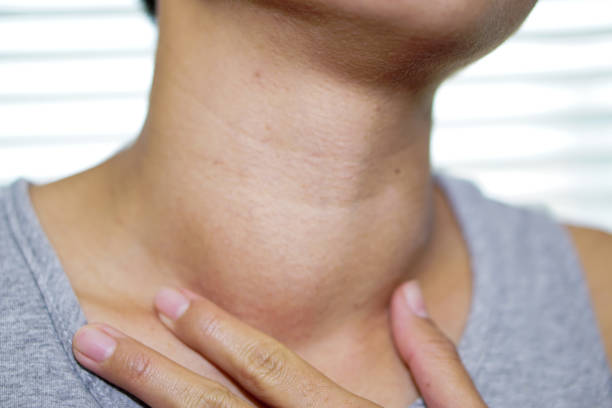
8. Thyroid Dysfunction (Hyperthyroidism)
The thyroid gland controls your body’s metabolism. In hyperthyroidism, excess thyroid hormone speeds up digestion, pushing food too quickly through the intestines. This often causes diarrhea after eating food, along with weight loss, anxiety, and palpitations.
Unique Insight: Many patients with unexplained chronic diarrhea are later diagnosed with thyroid disease during blood tests. Always consider thyroid screening if diarrhea persists.
Image OPTION: Diagram of thyroid gland affecting metabolism.
Read in Detail About: Symptoms of hyperthyroidism in Female
9. Dumping Syndrome (After Stomach Surgery)
Dumping syndrome happens when food moves too quickly from the stomach to the small intestine, often after surgeries like gastric bypass. The rapid shift draws water into the intestine, leading to cramping, bloating, and watery diarrhea shortly after meals.
Symptoms may include dizziness, sweating, and a rapid heartbeat.
Doctor’s Note: Unlike food poisoning, symptoms occur within 10–30 minutes of eating and are linked to surgical history.
10. Pancreatic Insufficiency
The pancreas produces enzymes that help break down fats, proteins, and carbohydrates. In pancreatic insufficiency (seen in chronic pancreatitis or cystic fibrosis), the lack of enzymes leads to poor digestion. Patients develop greasy, foul-smelling diarrhea after eating fatty meals.
Research shows up to 80% of patients with advanced chronic pancreatitis suffer from diarrhea and malabsorption (PubMed, PMID: 26468338).
Treatment often includes pancreatic enzyme replacement therapy (PERT).
Warning Signs: When to See a Doctor
While occasional diarrhea after eating food may not be dangerous, certain symptoms require urgent medical attention. Seek medical help immediately if you experience:
Diarrhea lasting more than 14 days → may suggest chronic infection, IBD, or malabsorption disorder.
Blood or mucus in the stool → could signal IBD, infections, or colorectal disease.
Severe dehydration (dry mouth, dizziness, decreased urination) → especially dangerous in children and elderly.
Unintentional weight loss → may suggest celiac disease, IBD, or cancer.
High fever → points to infections needing antibiotics.
These red flags mean the diarrhea is not just a simple food reaction but could be linked to a more serious condition. Don’t delay seeking care.
How to diagnose diarrhea after eating.
Doctors may recommend:
- Stool culture (check for infection)
- Blood tests (celiac antibodies, thyroid levels)
- Colonoscopy or endoscopy (rule out IBD)
- Breath test (lactose/fructose intolerance)
Treatment options for diarrhea after eating
1. Lifestyle and dietary changes
- Avoid trigger foods (dairy, fatty foods, caffeine).
- Keep a food diary.
- Eat smaller, more frequent meals.
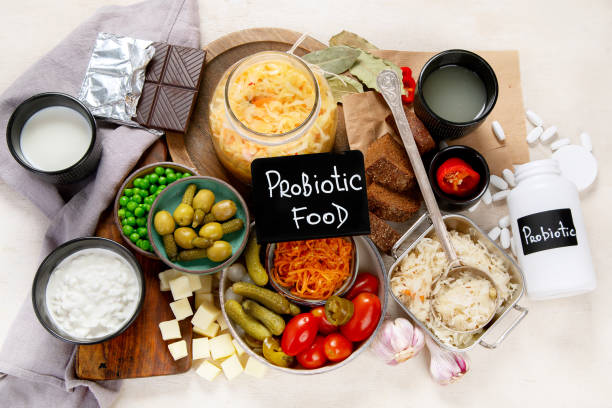
- Eat food rich in probiotics
Read in Detail: High-fiber foods
2. Hydration and oral rehydration solutions (ORS)
If diarrhea is severe, use ORS as recommended by the WHO (WHO).
3. Medications
- Loperamide (short term control).
- Probiotics (restore gut balance).
- Antibiotics (for bacterial infection, if confirmed).
Prevent diarrhea after eating
- Wash hands before eating.
- Avoid street food in unsafe conditions.
- Cook and store food at safe temperatures.
- Limit fatty, spicy foods if sensitive.
Read in Detail About: Why does indigestion occur after eating?
Unique medical insight (from my practice)
Many patients overlook emotional stress as a trigger. Stress activates the gut-brain axis, increasing motility and causing diarrhea after eating especially in IBS.
Doctor’s advice: Try to eat mindfully. Sit comfortably, chew slowly, and avoid eating quickly. In practice, I have seen patients reduce postprandial diarrhea simply by slowing down their eating.
Conclusion and Call to Action
Diarrhea after eating can be frustrating, but understanding its causes from food intolerances to serious intestinal diseases is the first step toward relief. Occasional episodes are common, but frequent or severe diarrhea warrants a medical evaluation.
Have you ever experienced diarrhea after eating food? Share your experiences in the comments, or ask your questions below. Don’t hesitate to consult a qualified doctor if your symptoms persist your digestive health is too important to ignore.
References:
FAQS
Yes. Stress activates the gut-brain connection, increasing bowel contractions. This is common in IBS patients.
Not always. Occasional diarrhea is common, but persistent or severe cases may signal a medical condition.
Common culprits include dairy, fatty foods, alcohol, caffeine, artificial sweeteners, and spicy meals.
Stay hydrated, eat bland foods (rice, bananas, toast), and try probiotics. Avoid fatty or sugary meals.
Sudden diarrhea after eating is often due to food poisoning or intolerance. If it resolves in a day, it’s likely harmless. But if it recurs, underlying issues like IBS or celiac disease may be involved.
🧑⚕️ About the Author
Dr. Asif is a licensed medical doctor and qualified medical educationist with a Master’s in Health Professions Education (MHPE) and 18 years of clinical experience. He specializes in gut health and mental wellness. Through his blogs, Dr. Asif shares evidence-based insights to empower readers with practical, trustworthy health information for a better, healthier life.
⚠️ Medical Disclaimer
This blog is intended for educational and informational purposes only. It is not a substitute for professional medical advice, diagnosis, or treatment. Always seek the advice of your physician or another qualified healthcare provider with any questions you may have regarding a medical condition. Never disregard or delay medical advice based on content you read here
Leave a Reply