

1. Introduction
Constipation treatment is one of the most common concerns in digestive health, as constipation affects people of all ages and lifestyles. Medically, it is defined as having fewer than three bowel movements per week, often accompanied by hard, dry stools and difficulty passing them.
As I have seen in my clinical practice, many patients struggle with constipation in silence for years, believing that it is just “how their body works.” But chronic constipation is not just uncomfortable it can affect your mood, energy, appetite, and even your long term health.
Most people will experience occasional constipation at some point, especially during times of stress, dietary changes, or travel. However, for some, it becomes a persistent problem that requires more attention.
This complete guide to constipation will help you understand:
- Causes of Constipation?
- What symptoms to look out for.
- How to diagnosed it.
- How to manage it with diet, natural remedies and medical treatment.
- When to seek professional help.
Let’s start by understanding what causes it.
2. Causes of constipation: Why does your bowel slow down?
Constipation doesn’t happen in isolation it’s usually the result of one or more contributing factors. Identifying the underlying cause is the first step towards lasting relief.
A. Lifestyle factors
Many cases of constipation are caused by everyday habits that affect bowel movements.
- Lack of fiber: A low intake of fruits, vegetables and whole grains is a major cause.
- Low fluid intake: Dehydration makes stools hard and more difficult to pass.
- Sedentary lifestyle: Physical inactivity slows down bowel movements.
- Ignoring the urge: Delaying the bathroom trains your body to suppress natural signals.
- Travel or routine changes: Changing time zones, changing sleep patterns, or changing diets can affect bowel habits.
B. Medical causes
Some health conditions interfere with the way your bowels work:
- Hypothyroidism
- Diabetes (autoimmune neuropathy)
- Parkinson’s disease
- Multiple sclerosis
- Irritable bowel syndrome (IBS-C)
C. Medications that cause constipation.
In my daily practice, I often see patients become constipated after starting new medications. Some common culprits include:
- Opioid painkillers
- Iron supplements
- Calcium channel blockers
- Antidepressants (especially tricyclics)
- Antacids containing aluminum or calcium
If you suspect your medication is the problem, never stop taking it without consulting your doctor. There may be safer alternatives or ways to counteract the side effect.
Next, let’s look at how to recognise constipation and when it may be a sign of something more serious.
3. Signs and symptoms of constipation: What’s normal, what’s not.
Symptoms of constipation vary from person to person, but most share some common characteristics.
Common symptoms include:
- Fewer than 3 bowel movements per week
- Hard, dry, or lumpy stools
- Straining during bowel movements
- Feeling of incomplete evacuation
- Abdominal bloating or discomfort
Red flags that require medical attention:
As a doctor, I always urge patients to take the following seriously:
- Blood or black stools in the stool
- Unexplained weight loss
- Severe abdominal pain
- New-onset constipation in older adults
- Persistent symptoms that do not improve with lifestyle changes.
Constipation is not just about how often you go it’s about the consistency of the stool, the ease of passing it, and how it makes you feel.
4. Diagnostic Approach: When to See a Doctor and What to Expect
Not all constipation requires medical evaluation, but persistent or severe cases require a closer look.
As I often tell my patients, if you’ve tried increasing fiber, hydration, and exercise for several weeks without any improvement, it’s time for a proper evaluation.
When to See a Doctor
Seek professional advice if you experience:
- Constipation that lasts more than 3 weeks.
- Blood in your stool
- Significant abdominal pain or bloating
- Unintentional weight loss
- Sudden change in bowel habits, especially after age 50
These symptoms can point to underlying conditions such as colorectal cancer, inflammatory bowel disease, or nerve/muscle disorders.
Common Diagnostic Tests:
1. Blood tests
To rule out anaemia, hypothyroidism, or electrolyte imbalances.
2. Abdominal X-ray or CT scan
To look for obstruction or stool impaction.
3. Colonoscopy
Recommended if there are red flags like bleeding or new symptoms if you are over 50. This helps rule out colon cancer or polyps.
4. Anorectal Manometry
Assess how well your pelvic floor muscles and rectum are working especially important in functional constipation.
5. Sitz Marker Study
You swallow a capsule containing tiny markers, and X-rays track how they move through your colon over several days.
Getting the right diagnosis helps you avoid unnecessary treatment and effectively target the underlying cause.
5. Diet for Constipation: Fiber, Fluids, and What to Avoid
Diet for constipation is the key factor in constipation relief as your diet plays a central role in preventing and relieving constipation. In fact, in my daily clinical consultations, poor fiber intake is the single most common cause I see in patients.
A. Increase your fiber intake.
Fiber adds bulk to your stool and helps it move more easily through your colon. Aim for 25-30 grams of fiber daily.
Types of Fiber:
Soluble Fiber (absorbs water for a gel-like consistency): Oats, psyllium, apples, carrots
Insoluble Fiber (adds bulk and promotes movement): Whole wheat, bran, nuts, cauliflower
Read: Top 10 Foods High in Fiber
The best high-fiber foods include
- Whole grains (brown rice, oats, whole wheat bread)
- Beans and lentils
- Plums and apples (with skin)
- Chia seeds and flaxseeds
- Leafy greens (spinach, kale)
B. Stay hydrated
Fiber without water can worsen constipation. Aim to drink 8-10 glasses of water daily. Herbal teas and warm water in the morning can help stimulate bowel movements.
C. Limit Constipating Foods:
Avoid or reduce:
- Processed foods
- Red meat
- Full-fat dairy (cheese, cream)
- Fried or fatty foods
- Refined carbohydrates (white bread, pastries)

6. Natural remedies for constipation relief
Many people prefer to try natural solutions before turning to medication and rightly so. Gentle, home remedies can often provide effective relief.
In my practice, I often recommend these remedies as first-line treatments, especially for patients with occasional constipation.
Read: Natural Treatments for Constipation in Adults
1. Warm water with lemon in the morning
stimulates digestion and can help move the bowels naturally.
2. Prunes or prune juice
are high in fiber and sorbitol, a natural sugar alcohol that softens stool. A few handfuls before bed can help with morning bowel movements.
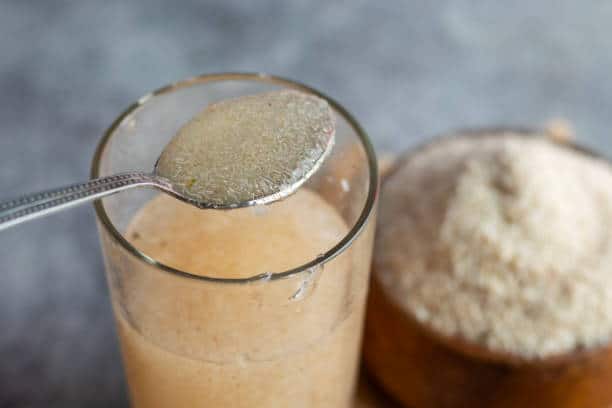
3. Psyllium Husk (Isabgol)
A natural soluble fiber supplement. Start with a small dose (1 teaspoon in water) and increase slowly.
4. Castor Oil (Use only occasionally)
A strong stimulant laxative. Use only when needed and not regularly.
5. Aloe Vera Juice
Soothes the intestines and helps with mild constipation. Start with a small amount to assess tolerance.
6. Triphala (Ayurvedic remedy)
A herbal combination that gently detoxifies the intestines. Use as directed by a qualified practitioner.
7. Warm compress or abdominal massage
A gentle clockwise massage of the abdomen or application of a warm compress can stimulate bowel activity, especially in children or the elderly.
8. Body positioning
Try the “squatty potty” method elevating your feet onto a small stool while sitting helps align the colon for easier elimination.
7. Lifestyle changes to relieve and prevent constipation
Adjusting your lifestyle long-term is key to managing constipation sustainably.
A. Increase physical activity.
Movement stimulates bowel function. Even a brisk 20-30 minute walk daily can make a difference.
Best exercises:
- Walking
- Swimming
- Gentle yoga or stretching
- Pelvic floor strengthening
B. Establish a bowel routine.
Your colon loves routine. Try these tips:
- Go at the same time every day after breakfast is best.
- Don’t ignore the urge to go.
- Take your time, and avoid rushing.
- Use the bathroom in a comfortable environment.
C. Improve toilet posture
Use a small footstool to raise your knees above hip level (mimics a natural squatting position). This helps to straighten the rectum and reduces tension.
D. Manage stress.
Emotional stress can directly affect bowel movements through the brain-gut axis. Techniques that can help include:
- Deep breathing
- Meditation or mindfulness
- A regular sleep schedule
- Counselings if needed
In my experience, patients with functional constipation often benefit greatly from addressing stress and anxiety with physical interventions.
8. Constipation Treatment with medicines: Over-the-Counter and Prescription Options
When lifestyle and natural methods fail, medical treatments may be necessary. But they should be used thoughtfully and ideally under medical supervision.
A. Over-the-Counter (OTC) constipation Treatment
1. Bulk-forming laxatives (e.g., psyllium, methylcellulose)
Add fiber and bulk to the stool.
Gentle and safe for long-term use
2. Osmotic laxatives (e.g., polyethylene glycol, lactulose)
Draw water into the intestines.
Soften stool and increase frequency.
3. Stool softeners (e.g., docusate sodium)
Make stools easier to pass by wetting them
Mild and often used short-term
4. Stimulant laxatives (e.g., senna, bisacodyl)
Stimulate intestinal contractions.
Effective but not for long-term daily use.
May cause pain and dependence.
B. Prescription medications
Used for chronic constipation or IBS-C when other treatments have failed.
- Lubiprostone – Increases fluid secretion in the intestines.
- Linaclotide – Helps with IBS-C and chronic idiopathic constipation.
- Prucalopride – Stimulates muscle contractions in the colon.
These medications are usually reserved for persistent, treatment-resistant cases and require follow-up to monitor for side effects.
C. Suppositories and Enemas
Sometimes useful for severe constipation or impaction. Use with caution and not habitually.
- Glycerin suppositories – mild, fast-acting
- Saline enemas – more intense; can expel stool quickly.
As I always remind my patients, while medications may provide temporary relief, long-term dependence can disrupt the natural rhythm of the bowel.
9. Complications if constipation is left untreated
Ignoring chronic constipation can lead to a number of complications some uncomfortable and others potentially serious.
A. Haemorrhoids
Stress increases pressure in the veins of the rectum, causing them to swell, itch, and bleed.
B. Anal Fissures
Small tears in the anus caused by hard stools painful and slow to heal.
C. Bowel Impaction
When stool becomes so hard and dry that it cannot be passed without medical assistance. Manual removal or an enema may be needed.
D. Rectal Prolapse
In severe cases, repeated straining causes part of the rectum to protrude through the anus requiring surgery.
E. Quality of Life Effects
Constipation affects appetite, mood, concentration, and even sleep. Many people also experience embarrassment and social anxiety.
F. Possible Warning Signs
Persistent constipation, especially with weight loss or bleeding, may indicate colon cancer or other serious conditions early screening is essential.
In my clinical practice, I have seen many patients who delayed constipation treatment until symptoms became unbearable. Treating constipation as soon as possible prevents these complications and restores peace and confidence.
Conclusion: Take Charge of Your Digestive Health Today
Constipation is a common but manageable condition that can significantly impact your quality of life if left untreated. Whether it’s caused by diet, inactivity, medications, or underlying health issues, the key to effective constipation relief lies in understanding your body and making consistent, gut-friendly choices.
As I often remind my patients, small daily changes like eating more fiber, staying hydrated, moving regularly, and responding to your body’s natural urges can make a big difference. For stubborn cases, don’t hesitate to seek medical guidance. The earlier you take action, the easier it is to prevent complications and restore comfort.
If you’re unsure where to start, explore natural remedies, adjust your diet, or speak with your healthcare provider for personalised constipation treatment options.
Have questions or personal tips that worked for you? Leave a comment I’d love to hear from you.
FAQS
Yes, several types of over-the-counter laxatives are available. These include bulk-forming agents (like fiber supplements), stool softeners, osmotic laxatives, and stimulant laxatives. Each type works differently to relieve constipation, so it’s important to read the labels and follow directions carefully. If constipation persists, it’s best to consult a healthcare professional.
To prevent constipation, ensure you have a high-fiber diet with plenty of fruits, vegetables, and whole grains. Stay hydrated by drinking enough water and engage in regular exercise.
Common causes include a low-fiber diet, dehydration, lack of physical activity, and ignoring the urge to have a bowel movement. Certain medications and medical conditions can also contribute.
Consult a doctor if constipation is severe, lasts for more than a few weeks, or is accompanied by other symptoms like abdominal pain, blood in the stool, or unexplained weight loss.
🧑⚕️ About the Author
Dr. Asif, MBBS, MHPE
Dr. Asif is a licensed medical doctor and qualified medical educationist with a Master’s in Health Professions Education (MHPE) and 18 years of clinical experience. He specializes in gut health and mental wellness. Through his blogs, Dr. Asif shares evidence-based insights to empower readers with practical, trustworthy health information for a better, healthier life.
⚠️ Medical Disclaimer
This blog is intended for educational and informational purposes only. It is not a substitute for professional medical advice, diagnosis, or treatment. Always seek the advice of your physician or another qualified healthcare provider with any questions you may have regarding a medical condition. Never disregard or delay medical advice based on content you read here.
Leave a Reply