

Introduction
Celiac disease cure a phrase that gives hope to millions of people who struggle daily with gluten intolerance and chronic intestinal inflammation. As a physician, I have seen countless patients yearn for freedom from lifelong dietary restrictions. They ask: “Doctor, will there ever be a real cure for celiac disease?”
This article explores this question with compassion and evidence. We will review current treatments, cutting edge research, and the science behind future treatments, so you can understand what is possible and what is still being studied.
Is there a cure for celiac disease?
Currently, there is no permanent cure for celiac disease, but symptoms can be completely managed with a strict gluten-free diet. This means avoiding all foods containing wheat, barley, and rye. When gluten is eliminated, the small intestine begins to heal, and nutrient absorption improves.
However, new studies are exploring potential treatments through enzyme therapies, vaccines, and immune modulating drugs that could allow patients to tolerate gluten in the future. Promising clinical trials are underway, including vaccines like Nexvax2 and enzyme supplements designed to break down gluten before it can cause damage.
While there is no complete cure yet, the medical community is hopeful that these innovative treatments could soon change how we manage celiac disease forever. (Source: CDC and Mayo Clinic)
Understanding Celiac Disease
Celiac disease is an autoimmune disorder, not a simple food allergy. When a person with celiac eats gluten, their immune system mistakenly attacks the small intestine, damaging the villi the tiny projections that absorb nutrients.
Over time, this damage leads to malnutrition, anemia, bone loss, and fatigue. In some cases, untreated celiac disease can also increase the risk of intestinal lymphoma.
Why finding a cure for celiac disease is important.
Living with celiac disease is a lifelong challenge. Even trace amounts of gluten from a piece of bread or shared kitchen utensils can trigger distressing symptoms such as:
- Abdominal pain and bloating
- Chronic diarrhea or constipation
- Fatigue and weakness
- Unexplained weight loss
- Skin rash (dermatitis herpetiformis)
For children, developmental delays and irritability are common early symptoms. Treating celiac disease would change millions of lives by eliminating the need for strict dietary vigilance and social anxiety around food.
Current Celiac Disease Treatment: Gluten-Free Diet
The Foundation for Healing
The only proven way to control celiac disease today is a 100% gluten-free diet. This approach allows for intestinal healing and symptom relief within weeks to months.
What foods are safe?
A gluten-free diet includes:
- Rice, quinoa, corn, buckwheat, and millet
- Fresh fruits and vegetables
- Eggs, poultry, fish, and lean meats
- Legumes and nuts
- Dairy (if tolerated)
Read more: [Gluten-Free Foods] [Good Foods for Celiac Disease]

What to Avoid
Avoid any foods containing wheat, barley, rye, malt, or triticale. Hidden gluten sources can appear in sauces, soups, soy sauce, and processed snacks.
Read more: Foods to Avoid in Celiac Disease
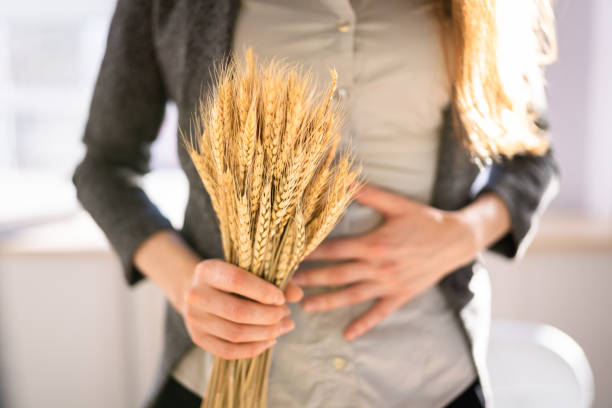
Emerging Research: The Future of Celiac Disease Treatment
1. Enzyme Therapy Breaking Down Gluten Before It Causes Damage
A promising area of research involves oral enzyme therapy, which helps digest gluten before it triggers an immune response.
Latiglutenase (ALV003) is an enzyme based drug that has shown significant reductions in gluten-induced damage in early clinical trials.
These enzymes act like “molecular scissors,” breaking down gluten into harmless pieces before it reaches the intestines.
(PubMed, 2024 Clinical Trial Data)
2. Vaccines ( Training the immune system to tolerate gluten)
The Nexvax2 vaccine is one of the most talked about potential treatments.
It works by desensitizing the immune system to gluten, much like allergy shots work to pollen.
Early trials showed promise, but phase 2 results were mixed – meaning more research is needed to refine the formula.
However, researchers are hopeful that future versions could train immune cells to completely stop overreacting to gluten.
3. Immune modulating drugs
Celiac disease involves T cell activation, A process that can be modulated by targeted immunotherapy. Drugs like larazotide acetate (a tight junction regulator) help reduce intestinal permeability, preventing gluten peptides from entering the bloodstream.
In a 2023 study published in Gastroenterology, larazotide acetate reduced the severity of symptoms in patients who accidentally consumed gluten, without any major side effects.
This could mean a “safety net” drug for patients who accidentally ingested gluten.
4. Microbiome Therapy ( The Gut-Brain Connection)
As a doctor, I often tell my patients: “Your gut bacteria are the silent conductors of your immune orchestra.”
Recent studies have shown that people with celiac disease have an unbalanced gut microbiome, which can worsen inflammation. Researchers are testing probiotic combinations and fecal microbiota transplants (FMT) to restore a healthy gut environment.
A balanced microbiome could one day naturally reduce gluten sensitivity a revolutionary concept in immune tolerance.
Read more: [Best Ways to Improve Gut Health]
5. Genetic and Stem Cell Research
Because celiac disease is strongly linked to the HLA-DQ2 and HLA-DQ8 genes, gene-editing technologies like CRISPR are being studied to alter these immune responses.
Although still in the experimental stages, stem cell therapy also shows the potential to “reset” the immune system, as it does for other autoimmune diseases.
These treatments may one day offer a true biological cure for celiac disease, not just symptom management.
Doctor’s Insight: What Most Blogs Don’t Tell You.
Here’s a truth I share with my patients, A gluten-free diet alone doesn’t always mean a complete cure.
Some individuals develop refractory celiac disease, where intestinal damage continues despite avoiding gluten.
In such cases, we need to look deeper, At underlying inflammation, gut dysbiosis, or nutritional deficiencies (especially vitamin D, iron, and folate). Regular follow-up and lab monitoring are essential to ensure a full recovery.
That’s why medical guidance, not self diagnosis, is key to effectively managing celiac disease.
Living with Hope: A Patient’s Story
Sarah, a 29 year old teacher, came to me exhausted and frustrated. After two years on a gluten-free diet, she was still experiencing bloating and fatigue.
After extensive testing, we discovered that her gut bacteria were severely imbalanced, and she was deficient in vitamin D. With targeted probiotics and supplementation, her energy returned reminding us that healing goes beyond avoiding gluten.
Practical Tips While We Wait for a Celiac Disease Cure
- Always read food labels carefully.
- Choose whole foods that are naturally gluten-free.
- Replace processed snacks with fruits, seeds, and yogurt.
- Take recommended supplements for iron, vitamin D, and B12.
- Follow up with your doctor regularly for antibody and nutrient testing.
- Manage stress, it can worsen gut inflammation.
Read more: [Diet that relieves gas and bloating]

Bottom line ( Is there a cure for celiac disease?)
While there is currently no celiac disease Cure, the future looks brighter than ever.
Advances in enzyme therapy, vaccines, and immune modulation are bringing us closer to a breakthrough that was once thought impossible.
For now, the most powerful medicine is gluten avoidance, supported by healthy gut care and regular medical follow up.
Call to action
If you are living with celiac disease, know that both healing and hope are possible.
Have questions or want to share your experience? Leave a comment below or consult with me together, we will get you on the path to better gut health and a gluten-free life full of confidence and vitality.
References:
FAQS
While no natural remedy can cure celiac disease, gut-healing foods, probiotics, and anti-inflammatory diets can support recovery. Learn more in [Foods Good for Celiac Disease].
No. Celiac disease is a lifelong autoimmune condition. Without treatment, it can cause serious complications such as osteoporosis and infertility.
Not yet. Currently, the only effective treatment is a strict gluten-free diet. However, ongoing clinical trials are testing vaccines and enzyme therapies that could change this in the near future.
Perhaps someday. Researchers are developing therapies that may allow safe gluten consumption by reprogramming immune tolerance — but they’re still experimental.
🧑⚕️ About the Author
Dr. Asif, MBBS, MHPE
Dr. Asif is a licensed medical doctor and qualified medical educationist with a Master’s in Health Professions Education (MHPE) and 18 years of clinical experience. He specializes in gut health and mental wellness. Through his blogs, Dr. Asif shares evidence-based insights to empower readers with practical, trustworthy health information for a better, healthier life.
⚠️ Medical Disclaimer
This blog is intended for educational and informational purposes only. It is not a substitute for professional medical advice, diagnosis, or treatment. Always seek the advice of your physician or another qualified healthcare provider with any questions you may have regarding a medical condition. Never disregard or delay medical advice based on content you read here.
Leave a Reply