

Introduction: Is your stress eating away at your stomach?
Can stress cause gastritis or ulcers? or does stress make gastritis worse
these are the most common and mysterious questions doctors encounter in clinical practice. Have you ever had an upset stomach during a test, a big presentation, or emotional distress? You’re not alone. Many people wonder if stress can cause gastritis or ulcers? While poor diet and infections like Helicobacter pylori are well known culprits, chronic stress is often overlooked as a cause of stomach inflammation and ulcers.
As a medical doctor, I’ve seen countless patients complain of stomach discomfort, heartburn, or acid reflux especially during stressful times in their lives. In this article, we’ll explore the science behind stress induced gastrointestinal issues and will discuss the answer to the question that can stress cause gastritis or ulcer. Will also give you practical tips to protect your digestive health.
What is gastritis and how is it different from an ulcer?
Gastritis refers to inflammation of the lining of the stomach. It can be acute (sudden onset) or chronic (long-lasting), and common symptoms include:
- Upper abdominal pain
- Bloating
- Nausea or vomiting
- Loss of appetite
- Indigestion or heartburn
On the other hand, stomach ulcers (also known as peptic ulcers) are open sores that form on the lining of the stomach or the upper part of the small intestine. They are usually deeper and more painful than gastritis.
Both conditions can be triggered or worsened by stress especially when it is long-term and poorly managed.
Can stress cause gastritis or ulcers?
Yes, stress can contribute to both gastritis and ulcers directly and indirectly.
In my daily practice, I often see patients who complain of recurring stomach discomfort for no apparent reason. Many of them are dealing with high stress jobs, personal loss, or emotional burnout.
Here is how stress affects you Gut:
The role of cortisol and the “fight or flight” response
When you’re stressed, your body releases a hormone called cortisol. This hormone prepares you to deal with danger by raising your heart rate and blood pressure but it also:
- Increases stomach acid production.
- Reduces the protective mucus barrier in the stomach lining.
- Slows down digestion.
- Changes the gut microbiota.
Over time, these changes can irritate the lining of the stomach, leading to gastritis and, in some cases, ulcers.
Stress can indirectly worsen gut health.
Stress often leads to behaviors that worsen gut problems:
- Skipping meals or eating junk food
- Overconsumption of caffeine or alcohol
- Smoking
- Poor sleep
- Overuse of NSAIDs for tension headaches or muscle pain
These habits damage the lining of the stomach and increase the risk of gastritis or ulcers.
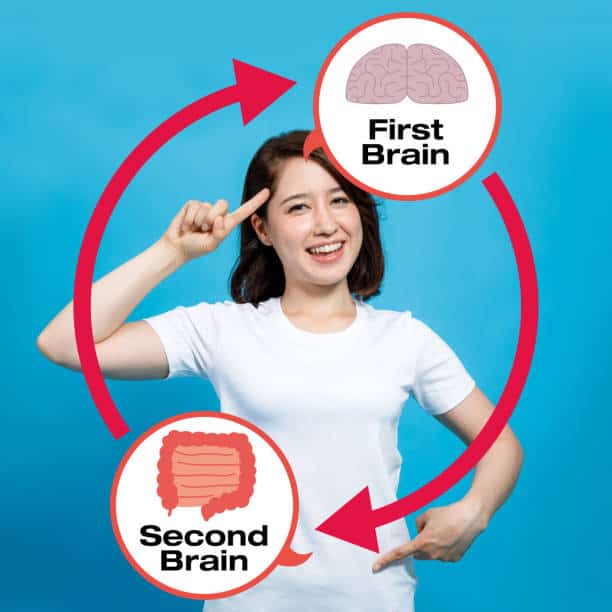
The Brain Gut Connection – Why Your Mind Affects Your Stomach
How stress affects the brain gut connection.
When you’re stressed, your brain sends signals to your gut through hormones and nerve pathways. This can increase stomach acid production, slow digestion, and irritate the stomach lining. For many patients, this explains why stressful events trigger gastritis symptoms or even contribute to ulcer flare ups. The brain gut connection highlights how powerfully emotional health can affect the physical digestive system.
The role of the vagus nerve in the brain gut connection
A key part of the brain gut connection is the vagus nerve, which directly connects the brain to the digestive tract. When working well, it helps regulate stomach acid, enzyme release, and bowel movements. However, chronic stress can disrupt vagus nerve signaling, making you more prone to heartburn and ulcers.
How gut health affects the brain.
Interestingly, the brain gut connection works both ways. An inflamed or irritated stomach can send signals back to the brain, which can cause anxiety, mood swings, or fatigue. Chronic gastritis sufferers often report feeling more stressed or emotionally drained, demonstrating how digestive issues can affect mental health.
Strengthening the Brain Gut Connection
The good news is that supporting the brain gut connection can help protect against gastritis and ulcers. Strategies include:
- Stress management – Yoga, meditation, or breathing exercises reduce harmful signals from the brain to the gut.
- Balanced diet – Eating gastritis-friendly foods like oatmeal, bananas, and yogurt can improve gut health.
- Probiotics – Restoring gut flora improves communication between the gut and the brain.
- Adequate sleep – helps regulate hormones and reduces stress-induced acid production.
Doctor’s Note:
In my clinical experience, patients who work on improving their brain-gut connection through stress management and dietary changes often experience significant relief from gastritis symptoms. Addressing both the mind and the stomach is key to long-term healing.
How to recognize the symptoms of stress related gastritis or ulcers.
If you suspect that stress related gastritis, look for the following warning signs:
Common symptoms
- Burning pain in the upper abdomen (especially between meals)
- Nausea or a feeling of fullness
- Loss of appetite or unexplained weight loss
- Acid reflux or sour taste in the mouth
- Dark or black stools (a sign of a bleeding ulcer – seek immediate medical attention)
As I have experienced in my clinical practice, many patients ignore these symptoms, attributing them to “just stress.” But chronic gastritis or ulcers can lead to serious complications if left untreated.
Stress management techniques to support gut health
Managing stress isn’t just good for your mind – it’s also very important for your digestive system. Here are some evidence-based techniques to reduce stress and promote healing:
1. Deep breathing and meditation
Slow, mindful breathing activates your parasympathetic nervous system, which promotes digestion and relaxation.
2. Regular exercise
Physical activity helps regulate cortisol levels and improves bowel movements. Aim for 30 minutes a day.
3. Limit caffeine and alcohol.
This irritation can worsen gastritis symptoms and trigger acid reflux.
4. Herbal teas
Chamomile, licorice root (DGL), and ginger teas have a soothing effect on the stomach lining.

5. Balanced diet
Eat small, frequent meals. Include:
Bananas, oats, and yogurt (gut-friendly foods)
Avoid spicy, fried, or acidic foods.
6. Sleep hygiene
Lack of sleep increases cortisol and worsens gut problems. Aim for 7-8 hours of quality sleep a night.
Diet, Cortisol, and Gut Health – A Vicious Cycle
Stress causes elevated cortisol, which disrupts your gut. But did you know that your diet can also affect your cortisol levels?
Foods that increase cortisol and should be limited:
- Refined sugars
- Processed snacks
- Caffeinated beverages
- Foods that reduce cortisol:
- Leafy greens
- Whole grains
- Fatty fish (omega-3s)
- Dark chocolate (in moderation)
You can learn more about cortisol and its effects from Harvard Health.
When to see a doctor
If your symptoms persist despite managing stress and making dietary changes, see your doctor. Tests such as an endoscopy or H. pylori screening may be needed to rule out infection or serious ulcers.
To learn more about how H. pylori affects your stomach, visit the CDC’s resource on H. pylori.
The bottom line: Healing your gut starts with easing your mind.
Stress and gut health are more connected than most people realize. Whether it’s through cortisol secretion, unhealthy coping behaviors, or the brain gut connection, chronic stress can wreak havoc on your digestive system and lead to gastritis or ulcers.
But the good news? You have the power to change it. With smart eating, stress management, and medical care when needed, your gut can heal.
As I always remind my patients, healing the gut isn’t just about medicine it’s about lifestyle, mindset, and daily habits.
FAQS
In some cases, medications that regulate mood (like SSRIs) can improve symptoms by calming the gut-brain axis.
While stress alone rarely causes ulcers, it can make the stomach more vulnerable by weakening the lining and increasing acid.
Yes, mild cases often improve with stress management and dietary changes. But persistent symptoms need medical evaluation.
Yes, stress can make gastritis worse. While stress alone does not usually cause gastritis, it increases stomach acid production and weakens the stomach’s protective lining, which can worsen irritation and symptoms like pain, bloating, or nausea. Managing stress with relaxation techniques, sleep, and exercise may help reduce flare-ups.
Easily digestible, non-acidic foods like oats, bananas, boiled rice, lean proteins, and probiotics.
Chronic emotional stress (like long-term anxiety or grief) tends to have the most damaging effect on your gut health.
🧑⚕️ About the Author
Dr. Asif, MBBS, MHPE
Dr. Asif is a licensed medical doctor and qualified medical educationist with a Master’s in Health Professions Education (MHPE) and 18 years of clinical experience. He specializes in gut health and mental wellness. Through his blogs, Dr. Asif shares evidence-based insights to empower readers with practical, trustworthy health information for a better, healthier life.
⚠️ Medical Disclaimer
This blog is intended for educational and informational purposes only. It is not a substitute for professional medical advice, diagnosis, or treatment. Always seek the advice of your physician or another qualified healthcare provider with any questions you may have regarding a medical condition. Never disregard or delay medical advice based on content you read here.
Leave a Reply