

Introduction
Can alcohol cause cirrhosis? This is one of the most common and serious questions I hear as a physician. Cirrhosis is a terminal liver disease that can be fatal, and alcohol is one of the leading causes of it worldwide. For many patients, the liver suffers silently for years until the damage becomes irreversible.
I have met with patients who believed that cirrhosis only happened to “heavy drinkers,” yet research shows that even moderate alcohol consumption over time can damage the liver if other risk factors are present. As a physician and medical educator, my goal here is to explain the truth about alcohol related cirrhosis in clear,we will also discuss that can cirrhosis from alcohol be reversed in a very compassionate language, with facts backed by science.
Can alcohol cause cirrhosis?
Can alcohol cause cirrhosis the answer is Yes, long term alcohol use is one of the leading causes of cirrhosis worldwide. Cirrhosis occurs when healthy liver tissue is replaced by scar tissue, which prevents the liver from functioning properly. According to the World Health Organization (WHO), alcohol is responsible for half of all deaths from cirrhosis worldwide.
The amount of alcohol that causes cirrhosis depends on several factors, including the amount and duration of drinking, gender, genetics, and co-existing conditions such as hepatitis or fatty liver disease. Studies have shown that drinking more than 30 grams of alcohol per day (about 2 drinks) in men or 20 grams per day (about 1 drink) in women significantly increases the risk of cirrhosis (PubMed, 2019).
The liver is resilient and can repair itself to a certain extent, but continued alcohol use overwhelms this ability, leaving permanent scarring. The good news? Alcohol related cirrhosis is preventable, and in the early stages, some of the damage can be reversed if alcohol is stopped.
What is cirrhosis and how does alcohol cause it?
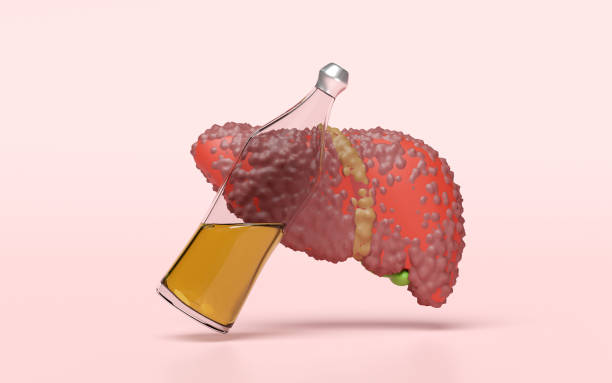
Cirrhosis is the final stage of chronic liver injury. The liver, normally soft and smooth, gradually becomes hard and scarred. Imagine a sponge that turns into hard rubber elasticity and function are lost.
The role of the liver
Your liver is your body’s chemical factory, responsible for:
- Detoxifying harmful substances (including alcohol)
- Producing proteins and clotting factors
- Storing vitamins and energy
- Supporting digestion with bile.
The Path to Alcohol Destruction
When you drink, the liver breaks down alcohol into a toxic substance called acetaldehyde. Over time:
- Fatty liver develops – excess fat accumulates in the liver.
- Inflammation begins – known as alcoholic hepatitis.
- Fibrosis and scarring develop – the hallmark of cirrhosis.
Can alcohol cause cirrhosis quickly or does it take years?
The timeline varies. Some patients develop cirrhosis after 10-15 years of heavy drinking, while others develop it more quickly due to genetic or viral hepatitis.
- Men: Higher risk if drinking 30-40 grams per day for 10+ years.
- Women: More vulnerable – risk increases at just 20 grams/day (CDC, 2022).
- With hepatitis C or obesity: Cirrhosis can progress very quickly over 5-7 years.
Unique insight: As a doctor, I have seen patients who only drink on weekends but drink heavily. This “holiday drinking pattern” is just as harmful as moderate daily use.
Warning signs and symptoms of alcohol related cirrhosis
Cirrhosis is often silent in the early stages. Patients are sometimes diagnosed incidentally during a routine ultrasound.
Early symptoms
- Fatigue
- Loss of appetite
- Mild abdominal pain

Advanced symptoms
- Jaundice (yellow eyes/skin)
- Swelling of the legs or abdomen (jaundice)
- Easy bruising/bleeding
- Confusion (hepatic encephalopathy)
Read more in my article [First signs of cirrhosis].
Risk factors that increase alcohol damage.
Even if two people drink the same amount, cirrhosis can develop more quickly in one. Why?
Factors that increase risk.
- Gender: Women are biologically more susceptible.
- Genetics: Enzyme differences in alcohol breakdown.
- Co-existing hepatitis: Especially hepatitis B or C.
- Obesity and diabetes: Double the risk of liver injury.
- Malnutrition: Poor diet accelerates liver injury.
Read in detail: [What causes liver cirrhosis besides alcohol consumption] .
Can Cirrhosis From Alcohol Be Reversed?
This is one of the most difficult questions that patients ask. The truth is:
- Early stage cirrhosis (compensation): Damage can be partially reversed if alcohol is stopped.
- Late-stage cirrhosis (decomposition): The damage is permanent, although stopping alcohol prevents it from getting worse.
- Liver transplant: Treatment only for advanced cases.
Read in Detail About: [Liver life expectancy stage 4 cirrhosis].
Treatment options for alcohol related cirrhosis
First step – stop drinking alcohol completely to be safe from alcohol related cirrhosis.
There is no safe limit once cirrhosis has started. Even “just one drink” can trigger a deficiency.
Medical treatment
- Nutritional support (vitamins, high-protein diet)
- Medications for complications (e.g., diuretics for ascites, lactulose for encephalopathy)
- Antivirals if hepatitis is present.
Advanced Options
- Endoscopic Treatment for Varices
- Liver Transplant in Eligible Patients
(Reference : Mayo Clinic – Alcoholic Liver Disease)
How much alcohol per day causes cirrhosis?
One of the most common questions patients ask me is: “Dr., how much alcohol per day causes cirrhosis?” The truth is that there is no completely safe level of alcohol when it comes to liver health, but research has identified clear thresholds where the risk increases dramatically.
Daily alcohol intake that is associated with cirrhosis.
- Men: Drinking more than 30-40 grams of alcohol per day (about 2-3 standard drinks) for 10+ years significantly increases the risk of cirrhosis.
- Women: The risk starts at just 20 grams per day (about 1-2 standard drinks), because women metabolize alcohol differently and are more vulnerable.
- Heavy drinking: Even if not daily, heavy drinking on weekends (“holiday drinking”) can be just as harmful.
Why is the amount important?
The liver can only process a certain amount of alcohol per hour. Drinking more than this amount can cause:
- Fat accumulation (fatty liver)
- Inflammation (alcoholic hepatitis)
- Scar tissue (cirrhosis)
Doctor’s advice
Even if you drink “moderately”, other risk factors such as obesity, hepatitis, or diabetes can reduce the extent of cirrhosis. I have seen patients who have developed cirrhosis with intakes below the so called “safe limits”.
Global statistics on alcohol related cirrhosis and liver disease
- According to a systematic review/meta-analysis, the worldwide prevalence of alcoholic liver disease (ARLD) is approximately 4.8%.(PubMed)
- In the same review, alcoholic liver cirrhosis comprised the highest proportion of ARLD disease spectrum about 32.9% of ARLD cases. (PubMed)
- The average daily alcohol intake among individuals with ARLD in this study was ~146.6 g/day (this is very high, indicating that long-term heavy consumption is strongly associated).(PubMed)
- Globally, the number of people living with compensated cirrhosis due to alcohol use in 2017 was ~23.6 million, and those with decompensated cirrhosis numbered 2.46 million.(PubMed)
- Alcohol was associated with approximately 25% of cirrhosis deaths worldwide in 2019.(PubMed)
- From WHO: In 2019, an estimated 2.6 million deaths globally were attributable to alcohol consumption (including liver disease, but not all cirrhosis).(World Health Organization)
Prevention of Alcohol related cirrhosis
The most powerful message I share with patients: Prevention of alcohol related cirrhosis is easier than cure.
Practical Prevention Tips
- Avoid excessive drinking or quit completely.
- Eat a balanced, nutritious diet.
- Get vaccinated against hepatitis B.
- Manage weight and diabetes.
- Get regular checkups with liver function tests.
Read in Detail : [How to Keep Your Liver Healthy].
Reference : WHO – Alcohol and Liver Health
A Doctor’s Unique Insight
Many blogs debate “how much alcohol is too much,” but what is rarely emphasized is the importance of being honest with your doctor. Patients often report drinking alcohol because of the stigma. As a doctor, I assure my patients: I am not here to judge, but to help. Full disclosure helps me catch cirrhosis early, when it is still manageable.
Conclusion and Call to Action
So, can alcohol cause cirrhosis? Of course, yes. It is one of the most preventable causes of liver disease worldwide. Cirrhosis doesn’t appear overnight it develops silently over years. But the moment you stop drinking, you give your liver a fighting chance.
As a doctor, I urge you: listen to your body, respect your liver, and seek medical help early.
Do you have questions about your liver health? Have you or someone you know struggled with alcoholism related cirrhosis? Share your thoughts in the comments or reach out I’d love to help.
FAQS
Yes. Regular social drinking, especially in large amounts, can still cause liver scarring over years. Weekend binge drinking is particularly dangerous.
If diagnosed early, yes. Stopping alcohol completely allows the liver to heal to some extent. Advanced cirrhosis, however, is irreversible.
We use liver function blood tests, ultrasound, FibroScan, and sometimes biopsy. Many cases are detected during routine health checks.
No. It’s the alcohol content, not the type of drink, that damages the liver. All alcoholic beverages carry risk.
Studies show 5-year survival is around 50% once cirrhosis is advanced. Early diagnosis and quitting alcohol improve outcomes significantly.
🧑⚕️ About the Author
Dr. Asif, MBBS, MHPE
Dr. Asif is a licensed medical doctor and qualified medical educationist with a Master’s in Health Professions Education (MHPE) and 18 years of clinical experience. He specializes in gut health and mental wellness. Through his blogs, Dr. Asif shares evidence-based insights to empower readers with practical, trustworthy health information for a better, healthier life.
⚠️ Medical Disclaimer
This blog is intended for educational and informational purposes only. It is not a substitute for professional medical advice, diagnosis, or treatment. Always seek the advice of your physician or another qualified healthcare provider with any questions you may have regarding a medical condition. Never disregard or delay medical advice based on content you read here.
Leave a Reply