

Introduction
Best foods for irritable bowel syndrome can make a world of difference for anyone living with this unpredictable digestive condition. Many people with IBS spend years trying to figure out what to eat often feeling frustrated when even “healthy” foods cause bloating, pain, or discomfort.
As a licensed therapist and medical educator, I’ve guided many patients who were stuck with their gut symptoms. The good news is that the right foods can calm your gut, reduce inflammation, and restore peace. The secret isn’t to avoid all foods it’s to choose the best foods for irritable bowel syndrome that are comforting, balanced, and easy to digest.
In this detailed guide, we’ll explore 15 scientifically proven, Best foods for IBS that really help. You’ll learn why each food works, how to incorporate it into your daily diet, and what to avoid to maintain a calm, predictable digestive rhythm.
Understanding Irritable Bowel Syndrome and Its Relationship to Food
IBS is a functional gastrointestinal disorder meaning it affects how your intestines work, not how they look on a scan. It causes symptoms such as:
- Abdominal pain or cramping
- Bloating and gas
- Constipation, diarrhea, or both
While the exact cause is unknown, gut brain communication, microbiome imbalances, and dietary triggers play a role. Many patients experience flare ups after eating certain foods especially those high in fermentable sugars (FODMAPs).
(Read more: [Causes of Irritable Bowel Syndrome])
Why diet matters in IBS management.
Diet is the first line of defense in IBS management. Unlike medications that target individual symptoms, dietary adjustments address the underlying cause, namely gut sensitivity and motility.
How food affects gut function.
- Soluble fiber slows digestion and prevents diarrhea.
- Low fat foods reduce colonic contractions.
- Probiotic rich foods balance gut flora.
- Hydration and electrolyte balance maintain bowel regularity.
According to a 2023 PubMed review, more than 70% of IBS patients report an improvement in symptoms after making dietary changes.
(Read more: [Irritable Bowel Syndrome])
15 Best Foods for Irritable Bowel Syndrome
Let’s explore top best foods for ibs each selected based on research and clinical experience.
1. Oats, The Gentle Fiber Hero
Oats are one of the best foods for ibs as its the best sources of soluble fiber (beta glucan). This fiber absorbs water and forms a soothing gel in the intestines, easing pain and alleviating both diarrhea and constipation.
Tip: Choose plain oats, not the flavored instant versions.

2. Bananas Nature’s Digestive Balm
Ripe bananas are rich in pectin, a soluble fiber that helps regulate bowel movements. They also contain potassium, which helps balance fluid loss during diarrhea.
3. White Rice Comfort Carb
White rice is easy to digest and low in FODMAPs. It provides sustained energy without irritating the gut perfect during an IBS flare up.
Doctor’s insight: Brown rice can sometimes worsen bloating due to its high fiber content.
4. Chia Seeds, A Natural Gut Lubricant
Rich in omega 3s and mucilaginous fiber, chia seeds absorb liquid and form a gel that soothes the intestines.
How to use: Mix one tablespoon of chia seeds with warm water or yogurt daily.
5. Lean Proteins IBS Safe Energy Source
Chicken, fish, eggs, and tofu provide essential amino acids without stimulating fermentation. Avoid fried meats; opt for grilled or baked versions.
6. Yogurt with Probiotics The Gut Healer
Live culture yogurt replenishes healthy gut bacteria Studies show that probiotics reduce IBS pain and bloating by up to 50% (PubMed, 2023).
(Read more: [Best Probiotics for IBS Diarrhea])
7. Peppermint, Nature’s Antispasmodic
Peppermint relaxes the muscles of the intestines. Peppermint oil capsules have been clinically proven to reduce the severity of IBS pain by 40-50% (Journal of Clinical Gastroenterology, 2022).
8. Zucchini, Low FODMAP Vegetable
Soft, high in fiber, and easy to digest. Zucchini supports bowel movements without causing gas.
9. Carrots, Soft and Healing
Steamed carrots are high in beta carotene and soluble fiber, which can help with both diarrhea and constipation.
10. Rice Porridge (Konji) Comfort Food
Common in Asian cuisine, this dish hydrates and calms the digestive system, ideal during a flare-up.
11. Kiwi, The Natural Laxative Fruit
Kiwi contains actinidin, an enzyme that promotes smooth digestion. In one 2023 study, kiwi improved bowel frequency in IBS patients with constipation by 20%.
12. Ginger, The Anti Bloat Root
Ginger reduces nausea, cramping, and bloating by aiding gastric emptying.
Doctor’s Tip: Sip fresh ginger tea before meals.

13. Pumpkin, The IBS Friendly Comfort Food
Pumpkin is gentle on the gut and rich in soluble fiber. It helps regulate stool consistency and reduces bloating.
14. Eggs, The Easily Digestible Protein
Eggs are low in FODMAPs and provide high quality protein without excess fat. Great for breakfast during IBS flare ups.
15. Papaya, The Enzyme Powerhouse
Papaya contains papain, an enzyme that helps break down proteins and prevents constipation and bloating.
Foods to Avoid in IBS (Even the “Healthy” Ones)
It’s not only about the best foods for ibs but to also avoid foods that triggers IBS and may worsen your symptoms:
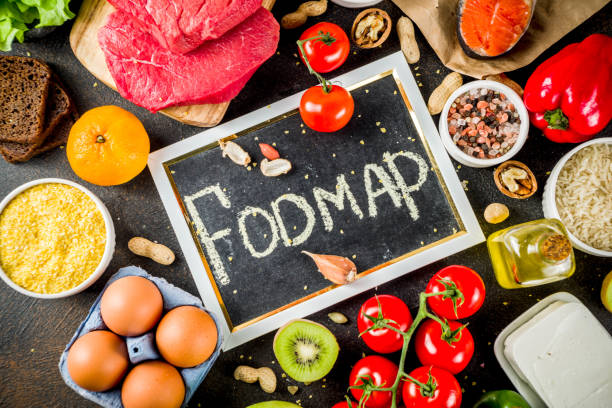
- Onions, garlic, and cauliflower (high FODMAPs)
- Whole beans and lentils (fermentable)
- Fried or fatty foods
- Caffeine and alcohol
(Read more: [Irritable Bowel Syndrome Foods to Avoid])
Unique Medical Insight: The “Gut Adaptation Window”
Here’s something most blogs miss the gut adaptation window.
When you change your diet, the microbiome needs 2-4 weeks to adjust. During this time, mild bloating or gas is normal and temporary.
I often tell my patients, “Don’t judge a food’s effect too soon. Give your gut time to reset.”
Consistency, not perfection, is key in IBS management.
Lifestyle Tips to Boost Results
Adding lifestyle tips to best foods for IBS improve gut health alot.
- Eat slowly and chew thoroughly.
- Avoid eating large meals late at night.
- Keep a food symptom diary to identify triggers.
- Manage stress through mindfulness or yoga.
When to Seek Medical Help
If you experience:
- Rectal bleeding
- Unexplained weight loss
- Severe abdominal pain
- Nighttime diarrhea
Consult your physician to rule out inflammatory bowel disease or celiac disease.
(Read more: [Irritable Bowel Syndrome Diagnosis])
Conclusion: Nourish Your Gut, Reclaim Comfort
IBS management isn’t just about avoiding triggers it’s about nourishing your gut with the best foods for irritable bowel syndrome that promote calm, balanced digestion.
As a doctor, I’ve seen remarkable transformations when patients shift from restriction to nourishment. Start small, track your body’s response, and celebrate progress.
Call to Action:
Have you tried any of these IBS friendly foods? Share your experience or ask your digestive health questions in the comments below let’s make gut health simple and achievable together.
Reference:
FAQS
Not all. Choose strains like Bifidobacterium infantis or Lactobacillus plantarum, proven to benefit IBS.
Not always. Only 6–8% of IBS patients have gluten sensitivity. Test before restricting.
No permanent cure exists, but a proper diet can reduce symptoms by up to 80%. Consistency is vital.
Absolutely. Stress affects gut motility and microbiome balance.
Yes, caffeine stimulates colon contractions and can worsen diarrhea.
Oatmeal with banana and yogurt is one of the best breakfasts for irritable bowel syndrome, balancing fiber and probiotics gently.
🧑⚕️ About the Author
Dr. Asif, MBBS, MHPE
Dr. Asif is a licensed medical doctor and qualified medical educationist with a Master’s in Health Professions Education (MHPE) and 18 years of clinical experience. He specializes in gut health and mental wellness. Through his blogs, Dr. Asif shares evidence-based insights to empower readers with practical, trustworthy health information for a better, healthier life.
⚠️ Medical Disclaimer
This blog is intended for educational and informational purposes only. It is not a substitute for professional medical advice, diagnosis, or treatment. Always seek the advice of your physician or another qualified healthcare provider with any questions you may have regarding a medical condition. Never disregard or delay medical advice based on content you read here.
Leave a Reply