

Introduction
Ascites caused by cirrhosis is one of the most common and serious complications of chronic liver disease. If you or a loved one has cirrhosis, you may have noticed that your abdomen is gradually becoming swollen and narrow. This fluid buildup isn’t “just bloat” it’s a sign that your liver is struggling to do its job.
As a physician and medical educator, I often explain to patients that ascites is like water leaking from a broken dam. When cirrhosis causes scarring of the liver, pressure builds up inside the blood vessels, which pushes fluid into your abdomen.
In this article, I’ll tell you what ascites due to cirrhosis really means, why it happens, how we treat it, and most importantly, what you can do about it.
What is ascites due to cirrhosis?
Ascites due to cirrhosis is an abnormal accumulation of fluid in the abdomen due to severe scarring of the liver. When cirrhosis develops, blood flow through the liver is blocked, causing high pressure in the portal vein (portal hypertension). This pressure, combined with decreased liver function, causes water and salt to leak from the blood vessels and accumulate in the abdomen. Ascites makes the abdomen appear swollen, tight, or heavy, and can cause discomfort, difficulty breathing, or loss of appetite. It usually indicates advanced liver disease and requires medical care, including salt restriction, diuretics, paracentesis (drainage of fluid), and sometimes liver transplantation.
Read in Detail About: [First signs of cirrhosis] and [ Can hepatitis C cause cirrhosis?]
Understanding Ascites caused by Cirrhosis
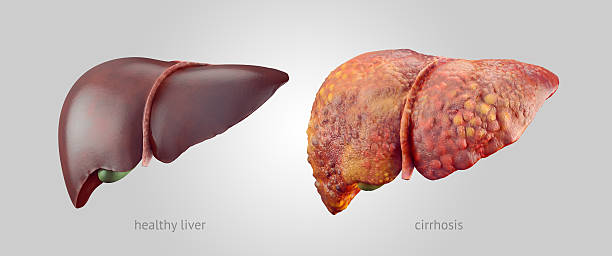
Ascites caused by cirrhosis is not a disease in itself it is a complication of cirrhosis, which is the most advanced sign of liver scarring.
- Normal liver: filters blood, makes proteins like albumin, and regulates fluid balance.
- Cirrhotic liver: scar tissue blocks blood flow and reduces protein production.
- Result: increased pressure (portal hypertension) + low protein levels → fluid leakage into the abdomen.
Why does ascites occur in cirrhosis?
Portal hypertension – a pressure problem
Think of the portal vein as a busy highway carrying blood to the liver. In cirrhosis, scarring blocks the traffic. This back up pressure increases, forcing blood to leak out of the vessels in the abdomen.
Low albumin – a sponge that stops working.
Albumin, a protein made by the liver, acts like a sponge, holding fluid inside the blood vessels. The cirrhotic liver produces less albumin, so fluid is excreted more easily.
Kidney hormones – salt and water retention
Cirrhosis tricks the body into thinking it has less blood volume. The kidneys respond by holding onto salt and water, which causes fluid buildup.
Symptoms of ascites caused by cirrhosis
Patients often describe ascites in everyday terms:
- “Doc, my stomach feels heavy and distended.”
- “I can’t button my pants anymore, but I’m not eating much.”
Common symptoms include:
- Swelling and tightness in the abdomen
- Rapid weight gain
- Shortness of breath (due to pressure on the diaphragm)
- Early pallor (feeling of fullness)
- Swelling in the ankles and legs
Diagnosis – How doctors detect ascites caused by Cirrhosis
Physical exam
Doctors can often detect ascites by pressing on the abdomen and checking for a “fluid wave.”
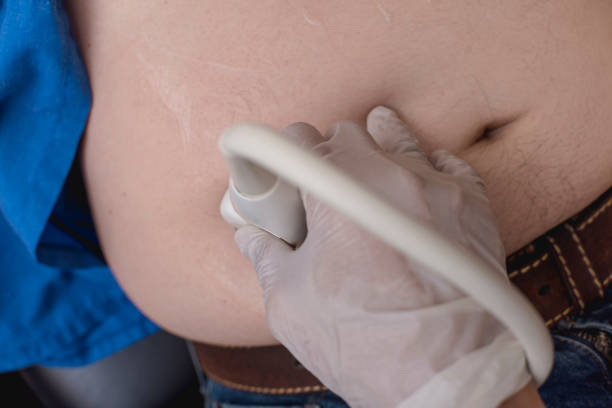
Ultrasound
A simple ultrasound can confirm the presence of fluid and measure the amount.
Paracentesis (Tapping the fluid)
A needle may be inserted to remove a small sample. This helps to rule out infection.
Complications of Ascites Due to Cirrhosis
Ascites is not just uncomfortable it signals advanced liver disease and can lead to:
- Spontaneous bacterial peritonitis (SBP): A life-threatening infection of the fluid
- Hernia: Caused by increased abdominal pressure
- Kidney failure (hepatorenal syndrome): Kidneys fail because circulation is impaired.
- Malnutrition: Caused by poor appetite and restricted diet
Treatment of Ascites in Liver disease – what really works
Treatment of ascites in liver disease, especially cirrhosis, requires a stepwise approach starting with lifestyle measures, moving on to medications, and finally considering more advanced interventions when ascites becomes refractory.
Salt restriction
The cornerstone of ascites management is to reduce dietary sodium intake to less than 2 grams per day. Excess salt acts like a magnet for water, drawing fluid into the stomach. Many patients do not realize that most of the salt they consume does not come from salt shakers it is hidden in breads, canned foods, sauces, and processed snacks. I generally advise patients to cook fresh meals at home, avoid restaurant meals when possible, and read nutrition labels carefully. Salt restriction alone can improve ascites in about 10-20% of patients.
Diuretics (water pills)
We prescribe diuretics if dietary changes are not enough. The most effective approach is a combination of spironolactone and furosemide, which work together to remove salt and water from the kidneys. As doctors, we monitor patients closely because aggressive diuretic use can lead to dehydration, kidney injury, or low sodium levels. I often tell patients to check their weight daily losing about 0.5 to 1 kg per day is safe. Rapid weight loss may indicate too much fluid removal.
Paracentesis (fluid drainage)
When the abdomen becomes very tense and uncomfortable, the most effective immediate relief is obtained with paracentesis, a simple procedure where fluid is removed with a thin needle under sterile conditions. Many patients are afraid of this procedure, but with ultrasound guidance it is safe and provides dramatic improvements in breathing and comfort. However, paracentesis is not a permanent solution the fluid often reaccumulates so it must be combined with other treatments.
TIPS procedure (transjugular intrahepatic portosystemic shunt)
For patients whose ascites does not respond to diuretics and repeated paracentesis, we consider TIPS. In this procedure, an interventional radiologist places a stent inside the liver to connect the portal vein to the hepatic vein, which reduces portal pressure. TIPS is highly effective in controlling refractory ascites, but it is not without risk. The most common side effect is hepatic encephalopathy, where toxins bypass the liver and affect the brain, causing confusion or forgetfulness. I carefully select patients for TIPS, weighing the benefits against the risks.
Human Albumin Infusion
Human albumin is more than just an adjunct therapy it is a cornerstone in the treatment of ascites in liver disease. Albumin maintains plasma volume and reduces the risk of circulatory collapse after paracentesis. According to clinical trials published in PubMed (PMID: 33246491), long-term albumin infusions can improve survival, reduce hospitalizations, and reduce the risk of infection in patients with cirrhosis. Although it is not always accessible due to cost, when available, it provides significant benefits beyond fluid control.
Automated Pump System (Alfapump®)
A new option in the treatment of ascites in liver diseases is the automated pump system, also known as Alfapump®. This small device is surgically implanted under the skin and continuously pumps ascitic fluid from the abdominal cavity to the bladder, from where it is naturally excreted during urination. Although it improves comfort and reduces the need for repeated paracentesis, it is not widely available and can have complications such as infection, device malfunction, or kidney strain. It is considered best in patients who are not candidates for TIPS or transplant.
Peritoneovenous Shunt
This is a surgically created channel that diverts ascitic fluid from the abdomen back into the venous circulation. Although it can control refractory ascites, it is rarely used today because of the high rate of complications, including infection, shunt blockage, and blood clots. In modern practice, peritoneovenous shunts are reserved for only very select patients who have no other options.
Liver Transplantation
The definitive and only curative treatment of ascites in liver disease is liver transplantation. All other measures are supportive, while transplantation replaces the diseased organ and permanently restores fluid balance.

Doctor’s Note (Unique Insight):
In my clinical experience, many patients and even some general practitioners are unaware of the evolving role of new technologies such as automated pump systems or long term albumin therapy. These options are not first line but can be life changing in carefully selected patients. They highlight how the management of ascites has moved beyond just “water pills and patting the stomach.”
Prevention – Can ascites due to cirrhosis be prevented?
Although not always preventable, people with cirrhosis can reduce their risk by:
- Abstaining from alcohol completely.
- Eating a liver-friendly diet (low salt, high in fruits/vegetables, moderate protein)
- Staying active (as tolerated)
- Getting vaccinated against hepatitis A and B
- Regular monitoring by a liver specialist
Read in Detail About: [How to keep your liver healthy] and [ Cirrhosis Self Care]
Prognosis – What does ascites mean for the future?
According to WHO estimates, 50% of patients with cirrhosis develop ascites within 10 years of diagnosis. Once ascites appears, 5-year survival without liver transplant drops significantly (PubMed, PMID: 24090961).
However, with careful management especially if patients respond well to diuretics and salt restriction quality of life can be maintained for years.
Read in Detail About: Life Expectancy Stage 4 Cirrhosis
A Doctor’s Perspective Rarely Discussed Insights
Many patients ask me:
- “Why does my stomach fill up so quickly even though I’m on medication?”
- “Is paracentesis dangerous?”
Here’s what I often explain:
- Not all ascites respond to medication. Some cases are “refractory ascites,” meaning they don’t shrink even with diuretics. These patients may require repeated paracentesis or TIPS.
- Paracentesis is safe. With ultrasound guidance and albumin support, complications are rare. Patients are often afraid of the procedure being unnecessary.
- Malnutrition is overlooked Many patients severely restrict their diet, thinking that this will help. But protein intake is essential unless the encephalopathy is severe.
This “hidden aspect” of ascites care is rarely highlighted in general health articles, but it makes a big difference in outcomes.
When to seek immediate help if you have ascites due to cirrhosis
Call your doctor immediately if you have:
- Fever or chills (possible infection of the ascites fluid)
- Severe abdominal pain
- Confusion or drowsiness
- Sudden worsening of swelling
Conclusion and call to action
Ascites due to cirrhosis is a serious but manageable condition. With the right lifestyle changes, medical care, and regular monitoring, many patients find relief and maintain a quality of life.
If you or someone you know is dealing with cirrhosis, don’t ignore the early warning signs. Discuss treatment options with your doctor and explore preventative measures.
I’d love to hear from you:
- Do you have questions about managing cirrhosis?
- Would you like me to write a practical diet guide for people with cirrhosis?
- Leave your thoughts in the comments or reach out I’m here to help.
References
FAQS
No. Ascitic fluid should be drained in a medical setting to avoid infection, bleeding, or low blood pressure. Always consult your liver specialist before procedures.
Not always, but avoiding alcohol, controlling hepatitis, and eating a balanced diet can delay or reduce the severity. Early cirrhosis management lowers the risk.
Survival varies. Some live years with controlled ascites, while others progress rapidly. Studies show median survival is about 2 years once ascites appears, but transplant can restore full life expectancy.
Not completely. While diuretics and drainage can control ascites, the underlying cirrhosis is permanent. The only cure is a liver transplant, but early treatment slows progression.
Gentle walking or stretching is safe, but avoid heavy lifting, which can worsen hernias or increase abdominal pressure. Always consult your doctor for personalized advice.
Avoid salty foods (chips, canned soups, pickles, processed meats). Salt makes fluid retention worse. Instead, eat fresh vegetables, fruits, lean protein, and whole grains.
🧑⚕️ About the Author
Dr. Asif, MBBS, MHPE
Dr. Asif is a licensed medical doctor and qualified medical educationist with a Master’s in Health Professions Education (MHPE) and 18 years of clinical experience. He specializes in gut health and mental wellness. Through his blogs, Dr. Asif shares evidence-based insights to empower readers with practical, trustworthy health information for a better, healthier life.
⚠️ Medical Disclaimer
This blog is intended for educational and informational purposes only. It is not a substitute for professional medical advice, diagnosis, or treatment. Always seek the advice of your physician or another qualified healthcare provider with any questions you may have regarding a medical condition. Never disregard or delay medical advice based on content you read here.
Leave a Reply