

Introduction
What medications to stop before colonoscopy is one of the most common questions patients ask me in the clinic. As a doctor, I know that preparing for a colonoscopy can feel overwhelming not just the bowel prep, but also figuring out which medications are safe to continue and which ones may increase risks.
Your doctor’s advice is important because some medications can increase bleeding, interfere with sedation, or make the procedure less effective. Reflecting medical accuracy, this guide will tell you the essentials in simple, patient friendly language.
What medications should be stopped before a colonoscopy?
Patients are commonly asked to stop or adjust blood thinners, iron supplements, some diabetes medications, and NSAIDs in colonoscopy preparation steps. Always consult your doctor, as recommendations depend on your medical history and the type of procedure.
Why Medication Management Before a Colonoscopy Matters
A colonoscopy is a safe and highly effective test for detecting colon polyps, bleeding, and even colon cancer. According to the CDC, a colonoscopy can reduce colorectal cancer deaths by 68 percent. However, if medications are not administered properly, complications such as bleeding or delayed healing can occur.
By carefully reviewing your medications, doctors aim to:
- Reduce the risk of bleeding during and after polyp removal.
- Ensure that the bowel preparation works effectively (iron can interfere).
- Prevent dangerous interactions with anesthesia or sedatives.
- Protect against chronic conditions such as heart disease or diabetes during fasting and preparation.
What Medications to Stop Before Colonoscopy: Key Categories
What medications to stop before colonoscopy is an important step in colonoscopy preparation.
Let’s go through the most important drug groups, why they’re important, and when to stop them.
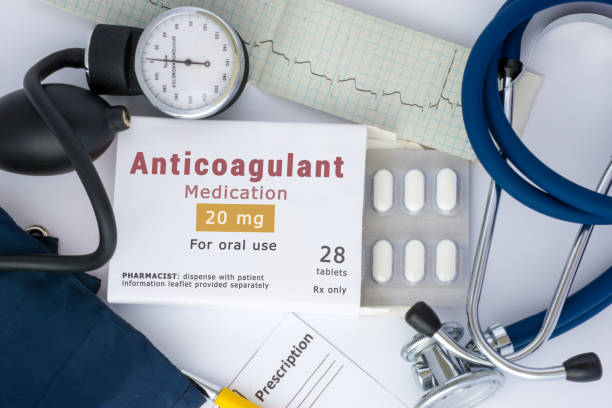
1. Blood thinners (anticoagulants and antiplatelets)
Blood thinners is at the top in what medications to stop before colonoscopy
These are life-saving medications for patients with heart disease, atrial fibrillation, or previous clots. But they can significantly increase the risk of bleeding during a colonoscopy, especially if polyps are removed.
Examples include:
- Warfarin (Coumadin)
- Clopidogrel (Plavix)
- Apixaban (Eliquis), Rivaroxaban (Xarelto), Dabigatran (Pradaxa)
- Aspirin (high dose)
General advice:
- Warfarin is usually stopped 5 days before a colonoscopy.
- Newer anticoagulants (DOACs) are often stopped 2-3 days before.
- Aspirin is sometimes continued at low doses (e.g., 81 mg), but stopped at higher doses.
- Clopidogrel can be stopped 5-7 days in advance, but only after cardiology clearance.
Unique insight (clinical experience):
I often see patients worried about stopping blood thinners because of the risk of stroke. In practice, we sometimes “bridge” with short acting heparin injections if the risk of clots is high. This detail is rarely discussed in patient blogs but is very important for reassurance.
2. Diabetes medications (insulin and oral medications)
Fasting and bowel preparation make it difficult to control blood sugar. Some diabetes medications can cause dangerous lows if not adjusted.
Examples:
- Metformin
- Sulfonylureas (gliclazide, glimepiride)
- Insulin (short and long acting)
General advice:
- Metformin: often stopped the morning of the procedure (uncommon risk of lactic acidosis with dehydration).
- Sulfonylureas: usually stopped the day before and the day of the procedure.
Insulin: long term dose can be reduced. Short acting stopped during fasting.
Always consult your endocrinologist for personal advice.
Case example:
One of my patients, a 58 year old diabetic, fainted during the preparation because he took his usual dose of insulin without eating. Since then, I have been more insistent on medication adjustments than ever.

3. Blood pressure and heart medications
These are generally safe to continue, but there are exceptions.
- Beta blockers (Metoprolol, Atenolol): Usually continued to prevent heart strain.
- Diuretics (Furosemide, Hydrochlorothiazide): Sometimes stopped the morning of the colonoscopy to prevent dehydration.
- ACE inhibitors (Lisinopril, Enalapril): Can be continued as long as blood pressure is not unstable.
Unique insight:
In patients with kidney disease, I recommend stopping diuretics during preparation to prevent electrolyte imbalances a detail that is often overlooked.
4. NSAIDs and pain medications
Nonsteroidal anti inflammatory drugs (NSAIDs) are widely used OTC medicines and also in the list of what medications to stop before colonoscopy
Nonsteroidal anti inflammatory drugs (NSAIDs) can increase the risk of bleeding.
Examples: Ibuprofen, Naproxen, Diclofenac.
Usually stopped 2-3 days before the colonoscopy.
Safer Alternative: Acetaminophen (Paracetamol).

5. Iron Supplements
Iron pills can darken the colon and hide small polyps.
Stopped 5-7 days before the procedure.
Multivitamins with iron also need to be stopped.
6. Herbal and Over-the-Counter Supplements
Patients often forget to mention these, but they are important in the list of what medications to stop before colonoscopy.
- Ginkgo Biloba, Garlic, Ginseng → May increase bleeding.
- Fish Oil (Omega-3) → Mild blood thinning effect.
- St. John’s Wort → Interferes with anesthesia.
Stop herbal supplements 7 days before the colonoscopy.
7. Seizure and neurological medications
Examples: Phenytoin, carbamazepine, valproic acid, levetiracetam.
Important note: These are usually not stopped completely, as skipping a dose can cause seizures. Instead, your gastroenterologist and neurologist will coordinate to ensure that the dose is given with a sip of water, or to adjust the timing around the colonoscopy.
8. Steroids and immunosuppressants
Examples: Prednisone, Azathioprine, Methotrexate, Tacrolimus.
These are rarely stopped because abrupt withdrawal can cause adrenal crisis or immune flare-ups. Your doctor may adjust the dose or give “stress dose steroids” if needed during the procedure.
When stopping certain medications can be dangerous: What patients should know.
Not all medications can be safely stopped before a colonoscopy. Some are truly life-saving, and stopping them abruptly can be more dangerous than the procedure itself. In such cases, doctors carefully weigh the risk of bleeding against the risk of stopping the medication.
The best approach is to never stop these medications on your own – always follow your doctor’s instructions. Here are some important categories:
1. Blood thinners (anticoagulants and antiplatelets)
Examples: Warfarin, apixaban, rivaroxaban, dabigatran, clopidogrel, aspirin.
Risk of stopping: Serious complications such as stroke, heart attack, or blood clots can occur.
What doctors do instead:
- Sometimes go on blood thinners (heparin bridging) just before a colonoscopy.
- In low risk procedures, doctors may also allow aspirin to be continued.
The decision is made based on the reason for the blood thinner (e.g., atrial fibrillation vs. recent stent).
2. Insulin and Diabetic Medications
Examples: Insulin, metformin, sulfonylureas.
Risk of stopping: Can cause uncontrolled blood sugar, especially dangerous during fasting.
What doctors do instead:
- Adjust the insulin dose instead of stopping completely.
- Some oral medications (such as metformin) can be stopped on the day of the procedure, but insulin is usually continued with dose adjustments.
- Blood sugar monitoring is advised during preparation.
3. Blood Pressure and Heart Medications
Examples: Beta blockers, ACE inhibitors, ARBs.
Risk of stopping: Abrupt withdrawal can cause high blood pressure, arrhythmia, or heart attack.
What doctors do instead:
- Most blood pressure medications are continued, even on the day of the procedure.
- Only some diuretics may be stopped to avoid dehydration during bowel preparation.
4. Seizure and neurological medications
Examples: Antiepileptics such as phenytoin, levetiracetam.
Risk of stopping: May trigger seizures.
What doctors do instead:
- Usually continued without interruption.
- If oral use is contraindicated, IV alternatives may be arranged.
5. Steroids and immunosuppressants
Examples: Prednisone, Azathioprine.
Risk of stopping: May cause adrenal crisis or flare-up of underlying disease.
What doctors do instead:
- Continue medication, sometimes adjusting timing or dosage.
- Inform your gastroenterologist about your long-term steroid use.
Key medical insights :
“In my experience, patients often fear that stopping their medications before a colonoscopy could put their health at risk and in some cases, they are right. That’s why the safest step is to always coordinate with both your gastroenterologist and the doctor prescribing the medication. Colonoscopies can almost always be planned in a way that balances both safety and effectiveness.”
What medications to stop before a colonoscopy (when in doubt)
If you are unsure, always bring your medication list to your pre procedure visit.
General rules:
- Avoid blood thinners unless cleared by a doctor.
- Skip NSAIDs, iron, and herbal products.
- Adjust diabetes medications as directed by your doctor.
- Continue most heart medications unless otherwise directed.
Read my Details Article to clear your all doubts about colonoscopy:
[Colonoscopy Screening Guidelines]
What Happens During a Colonoscopy
How to Prepare for a Colonoscopy
References:
Mayo Clinic – Preparing for a Colonoscopy
CDC – Colorectal Cancer Screening Facts
Final Takeaway
Knowing what medications to stop before colonoscopy is just as important as colonoscopy preparation. By managing your medications properly, you reduce your risk of bleeding, avoid dangerous drug interactions, and make the procedure go more smoothly.
Call to Action:
Have questions about your medications before a colonoscopy? Leave them in the comments below or discuss them with your doctor for a personalized plan. Your safety is always our top priority.
FAQS
Yes, small sips of water are allowed for most essential medicines (like blood pressure tablets), unless instructed otherwise.
Low-dose aspirin (81 mg) is often continued, but higher doses or combined therapies may need adjustment. Ask your doctor for tailored advice.
Most blood pressure drugs are continued, but diuretics may be skipped to prevent dehydration.
Yes, especially iron-containing vitamins and herbal supplements. Stop them at least 5–7 days before the procedure.
Inform your doctor immediately. In most cases, the procedure can still proceed, but adjustments may be needed.
Blood thinners, NSAIDs, iron supplements, and some diabetes drugs may need to be stopped. Always confirm with your doctor, since timing depends on your condition.
🧑⚕️ About the Author
Dr. Asif, MBBS, MHPE
Dr. Asif is a licensed medical doctor and qualified medical educationist with a Master’s in Health Professions Education (MHPE) and 18 years of clinical experience. He specializes in gut health and mental wellness. Through his blogs, Dr. Asif shares evidence-based insights to empower readers with practical, trustworthy health information for a better, healthier life.
⚠️ Medical Disclaimer
This blog is intended for educational and informational purposes only. It is not a substitute for professional medical advice, diagnosis, or treatment. Always seek the advice of your physician or another qualified healthcare provider with any questions you may have regarding a medical condition. Never disregard or delay medical advice based on content you read here.
Leave a Reply