

Introduction
What happens during a colonoscopy is a question I often hear from patients, usually with a hint of anxiety in their voice. For many, the idea of a flexible tube with a camera inserted into the colon sounds scary. But as a physician, I assure them that a colonoscopy is a safe, routine, and life saving procedure.
A colonoscopy allows us to directly visualize the inside of the colon, detect abnormalities such as polyps, ulcers, inflammation, or cancer, and often treat them at the same time. In fact, according to the CDC, regular colonoscopy screening can reduce colorectal cancer deaths by 60 percent by removing cancerous polyps before they turn into cancer.
In this guide, I’ll walk you through what happens during a colonoscopy from preparation to sedation to the procedure to recovery using my own medical experience to make it clear and less scary.
Why is a colonoscopy recommended?
Before diving into the details of what happens during a colonoscopy, it’s important to know why doctors recommend it.
Medical reasons for a colonoscopy
- Colorectal cancer screening (especially after age 45).
- Bleeding from the rectum
- Chronic constipation or diarrhea
- Unexplained abdominal pain
- Unexplained anemia (low hemoglobin).
- Monitoring for conditions such as ulcerative colitis or Crohn’s disease.
- Follow up of abnormal imaging tests.
Stat: The American Cancer Society estimates that about 153,020 new cases of colorectal cancer will be diagnosed in the United States in 2024, making colonoscopy an essential preventive measure. (Source: ACS).
Preparing for a Colonoscopy
When patients ask me what happens during a colonoscopy, I emphasize that the most important part is the preparation. A clean colon is essential for accurate results.
Bowel preparation process
- Dietary restrictions: Patients are asked to stop eating high fiber foods 3-4 days before. The day before, only clear liquids (water, broth, tea, apple juice) are allowed.
- Laxative solution: A polyethylene glycol (PEG) solution is usually given to drink in divided doses. This causes multiple bowel movements to clear the colon.
- Medication Adjustments: Blood thinners or diabetes medications may need to be adjusted under medical guidance.
Unique Insight (Medical Perspective): I always remind my patients to chill their laxative drink in the refrigerator and sip it with a straw it makes the taste more tolerable. Also, applying petroleum jelly around the anus helps prevent frequent bowel movements.
“Read in details How to prepare for Colonoscopy”
What Happens on the Day of the Colonoscopy.
On the day of the procedure, patients are often nervous. Here’s what happens before the colonoscopy begins:
- Arrival at the Hospital/Clinic, Patients check in, change into a hospital gown.
- Insertion of an IV Line, For sedation and fluids.
- Consent and Vital Signs, The doctor explains the risks and benefits, and the nurse monitors blood pressure, heart rate, and oxygen levels.
- This is also when I assure my patients: “You won’t feel any pain; the sedation will keep you calm and relaxed.”
What happens during a colonoscopy procedure.
This is the part that most people are worried about, so I’ll explain in detail what happens during a colonoscopy step by step:
Sedation or Anesthesia
- Most patients are sedated (they are asleep but not completely unconscious).
- Some centers use propofol anesthesia, which puts you completely asleep.
Colonoscope insertion
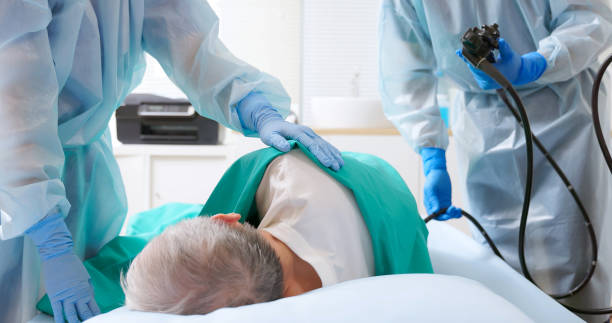
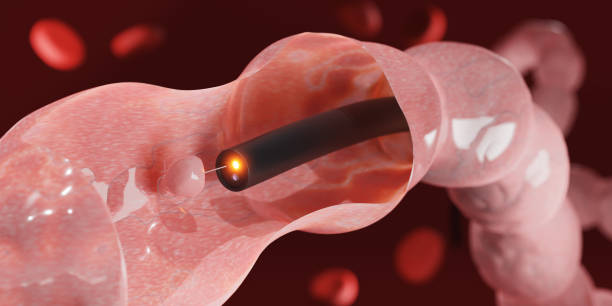
- The doctor inserts a thin, flexible tube with a camera (colonoscope) into the rectum and slowly advances it through the colon.
- Air or carbon dioxide is gently pumped into the colon to dilate it, improving visibility.
Colonoscopy
- The doctor examines the lining of the colon on a screen.
- If abnormalities such as polyps, ulcers, diverticula, or tumors are found, they are documented.
Polyp removal and biopsy
- Polyps can be removed immediately using special tools through the scope.
- Small tissue samples (biopsies) can be taken for laboratory analysis.
Completion
- The scope is slowly withdrawn, carefully examining the lining of the colon.
- The entire procedure usually takes 20-40 minutes.
The doctor’s unique perspective: Many patients are surprised when I tell them that colonoscopy is not only diagnostic but also therapeutic. For example, I once removed a bleeding polyp in a patient that could have turned into cancer within a few years. The colonoscopy saved his life before the disease even started.
Recovery after colonoscopy
After the procedure, patients are moved to the recovery room. Here’s what happens:
- You may feel mild bloating or pain due to the air used during the procedure.
- Nurses monitor your vital signs until the sedation wears off.
- Most patients can eat and drink within a few hours.
- You can’t drive home. Someone should accompany you.
Possible minor side effects
- Frequent passing of gas (a common side effect of the air used).
- Temporary drowsiness from the sedation.
- Very rare: Light bleeding if polyps were removed.
Read details about THE RISKS AND COMPLICATIONS OF COLONOSCOPY
Risks and complications
Although colonoscopy is very safe, like any procedure, it does have some risks.
- Bleeding (especially after polyp removal).
- Hole in the wall of the colon (rare, less than 1 in 1,000).
- Reaction to the sedative.
According to the Mayo Clinic, the overall risk of serious complications is extremely low, and the benefits far outweigh the risks (Mayo Clinic Colonoscopy).
Understanding the results
After the colonoscopy, your doctor will explain the results:
- Normal: No abnormalities were found.
- Polyps removed: Sent to a lab for analysis.
- Inflammation: May suggest colitis or Crohn’s disease.
- Tumors/masses: May require further testing.
Unique insight: I always give my patients a printed colonoscopy report with pictures from inside their colon. Many people find it fascinating to see their own intestines!
Medical reasons for a colonoscopy
Many patients ask me not only what happens during a colonoscopy but also why it’s necessary. Colonoscopy has three main roles: screening, diagnosis, and treatment.
1. Colonoscopy as a screening tool
Colorectal cancer screening: Colonoscopy is the gold standard test for early detection of colorectal cancer and precancerous polyps.
Screening is generally recommended for average risk adults (American Cancer Society) starting at age 45.
It can prevent cancer by removing polyps before they become malignant.
Read complete colonoscopy screening guideline here
2. Colonoscopy as a diagnostic tool
Doctors recommend colonoscopy to investigate symptoms such as:
- Persistent abdominal pain or bloating.
- Blood in the stool or unexplained rectal bleeding.
- Chronic constipation or diarrhea.
- Unexplained iron deficiency anemia (due to hidden blood).
- Abnormal results from a CT scan, ultrasound, or stool test.
3. Colonoscopy as a Treatment
- Colonoscopy is not just for diagnosis it can treat problems during a single session:
- Polypectomy: Prevents the growth of cancer.
- Bleeding control: Special instruments can seal bleeding vessels.
- Diligation: Narrowed spaces in the intestines can be widened.
- Foreign body removal: Rarely, swallowed objects can be retrieved.
Unique insight (doctor’s note): I often explain to my patients that colonoscopy is like a “repair and checkup service” for the colon. Not only do we look inside, but we can also fix problems right away without any further surgery.
How long does a colonoscopy take?
One of the most common questions I get is, “Doctor, how long will my colonoscopy take?”
The colonoscopy procedure usually lasts 20 to 40 minutes.
However, you should expect to spend 2-3 hours in the hospital or clinic, including:
- Preparation and sedation.
- The actual procedure.
- Recovery and observation until the sedation wears off.
Doctor’s Tip: The most time consuming part is actually the bowel preparation at home, not the procedure itself. Many of my patients tell me afterward that the colonoscopy was much quicker and easier than they expected.
Lifestyle and Diet After Colonoscopy
If polyps are removed or if you are at high risk for colon disease, your doctor may recommend lifestyle changes such as:
- A high fiber diet (fruits, vegetables, whole grains).”Read in details Fiber Rich Foods“
- Regular exercise.
- Avoid smoking and excessive alcohol.

Final Thoughts: What Happens During a Colonoscopy
So, what happens during a colonoscopy? Simply put: It’s a safe, short, and highly effective test that not only helps diagnose conditions but also prevents colorectal cancer by removing polyps early.
In my experience, patients who were initially worried often tell me later, “Doc, it wasn’t as bad as I thought.”
Call to Action
If you’re scheduled for or considering a colonoscopy, I encourage you not to delay. It could save your life or catch disease at an early, treatable stage.
Have questions about your upcoming colonoscopy? Leave them in the comments below or consult your doctor for personalized guidance.
FAQS
The colonoscopy itself typically takes about 30 to 60 minutes. However, you should plan to be at the clinic or hospital for a total of 2 to 3 hours. This includes the time needed for pre-procedure preparation, the exam itself, and a recovery period while the initial effects of the sedation wear off.
If normal, usually every 10 years after age 45. If polyps or risk factors are present, your doctor may recommend earlier follow-ups.
No, the procedure itself is generally not painful. You’ll receive a sedative or anesthesia to help you relax and feel comfortable, and most patients don’t remember the procedure afterward. You might experience some mild cramping or a feeling of bloating after the exam is finished, but this usually subsides quickly.
Recovery is usually quick. After the procedure, you’ll rest in a recovery area until the sedation starts to wear off. You might feel a bit groggy, bloated, or gassy. Because of the sedation, you are not allowed to drive, so you must have someone to take you home. Most people feel back to normal by the next day.
🧑⚕️ About the Author
Dr. Asif, MBBS, MHPE
Dr. Asif is a licensed medical doctor and qualified medical educationist with a Master’s in Health Professions Education (MHPE) and 18 years of clinical experience. He specializes in gut health and mental wellness. Through his blogs, Dr. Asif shares evidence-based insights to empower readers with practical, trustworthy health information for a better, healthier life.
⚠️ Medical Disclaimer
This blog is intended for educational and informational purposes only. It is not a substitute for professional medical advice, diagnosis, or treatment. Always seek the advice of your physician or another qualified healthcare provider with any questions you may have regarding a medical condition. Never disregard or delay medical advice based on content you read here.
Leave a Reply