

Introduction
What causes high bilirubin in adults? As a doctor, I often see patients who come in with lab reports that say ‘high bilirubin’ and a look of concern on their faces.”
Bilirubin is a yellow pigment produced when red blood cells break down. Your liver plays a key role in processing it and excreting it through bile. When bilirubin builds up, it can cause jaundice a yellowing of the skin and eyes which is often the first visible sign that something may be wrong.
In this guide, we’ll explore what are the causes of high bilirubin in adults, the symptoms of high bilirubin, the diagnostic process, treatment options, and when to seek immediate care all explained in simple, patient-friendly language but grounded in medical accuracy.
1. Understanding Bilirubin and Its Types
Before discussing what causes high bilirubin in adults, it is important to understand what bilirubin is and how it is processed.
Bilirubin is formed when old blood cells are broken down in the spleen. This process produces unconjugated (indirect) bilirubin, which travels to the liver. There, it is converted into conjugated (direct) bilirubin, which is water-soluble and can be excreted into the intestines through bile.
Types of bilirubin in a blood test:
- Total bilirubin: The sum of direct and indirect bilirubin.
- Direct bilirubin (conjugated): Processed by the liver and ready for excretion.
- Indirect bilirubin (unconjugated): Not yet processed by the liver.
Clinical note: Knowing which type is elevated helps identify the cause.
2. Causes of high bilirubin in adults – main categories
Causes of high bilirubin in adults can result from problems before the liver, within the liver, or after the liver. Doctors often group them into:
A. Prehepatic causes (before the liver)
This occurs when bilirubin production increases faster than the liver can process it.
Common causes:
- Hemolytic anemia – rapid destruction of red blood cells.
- Sickle cell disease
- Malaria (in endemic areas)
- G6PD deficiency – an inherited enzyme defect.
- Autoimmune hemolytic anemia – the immune system attacks RBCs.
For example: I once treated a 35 year old man whose eyes suddenly turned yellow after eating fava beans – a classic G6PD crisis. His bilirubin increased due to the rapid destruction of RBCs.
B. Hepatic causes (within the liver)
These are due to injury to liver cells or hereditary problems that affect bilirubin processing.
Common causes:
- Hepatitis (viral, alcoholic, autoimmune)
- Cirrhosis
- Non-alcoholic fatty liver disease (NAFLD)
- Gilbert syndrome – a harmless genetic condition with mild bilirubin elevation.
- Drug-induced liver injury (e.g., from certain antibiotics, paracetamol overdose)
- Liver cancer
WHO figures: Worldwide, viral hepatitis affects more than 350 million people and remains a major cause of jaundice (WHO).[Read Hep B vaccine schedule for adults]
C. Post-hepatic causes (post-hepatic)
This occurs when bilirubin is unable to be excreted due to a blockage in the bile duct.
Common causes:
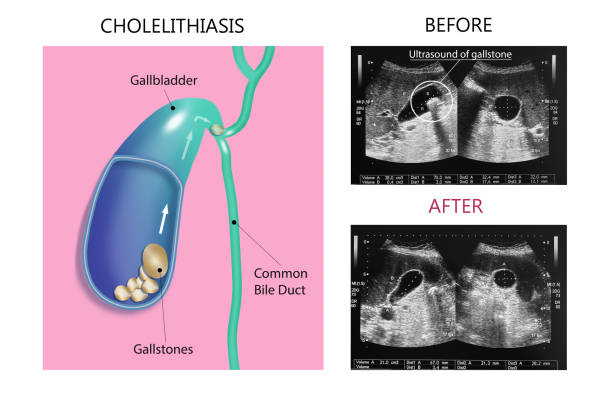
- Bile duct stones.
- Pancreatic cancer compressing the bile duct.
- Bile duct strictures (scarring from previous surgery or infection).
- Primary sclerosing cholangitis (rare autoimmune disease).
3. Symptoms of high bilirubin
Although jaundice is the most obvious symptom, the underlying cause determines other symptoms of high bilirubin.
Common symptoms:
- Yellow skin and eyes
- Dark urine
- Yellow or clay colored stools
- Fatigue
- Abdominal pain (especially in cases of gallstones or hepatitis)
- Nausea or vomiting
- Itchy skin (common in bile duct obstruction)
Unique medical insight: In my practice, I have seen patients with mild bilirubin elevations but no jaundice only raised on routine blood work. This shows that high bilirubin can be a silent finding.
4. Diagnosis – How doctors find the cause.
If you are wondering what is causing high bilirubin levels in adults in your case, the diagnosis starts with:
A. Medical history and physical exam
- Travel history (risk of malaria, hepatitis)
- Family history (genetic liver disorders)
- Medication history (drug-induced injury)
- Alcohol use
- Duration of symptoms
B. Laboratory tests
- Liver function tests (LFTs) – measure AST, ALT, ALP, and bilirubin.
- Complete blood count (CBC) – detects anemia or infection.
- Viral hepatitis panel.
- Coombs test for autoimmune hemolysis.
C. Imaging
- Ultrasound – first choice for stones or bile duct obstruction.
- CT or MRI – for tumors or complicated liver disease.
- MRCP – a specialized MRI of the bile ducts.
For more details, see Mayo Clinic – Bilirubin Test.
5. Treatment – Addressing the underlying cause
There is no “one-size-fits-all” treatment for high bilirubin. We treat the cause.
Examples:
- Hemolytic anemia: Treat the underlying disease, transfuse if severe.
- Hepatitis: Supportive care, antivirals for hepatitis B/C.
- Gallstones: Surgical removal (cholecystectomy) or ERCP to remove gallstones.
- Gilbert’s syndrome: Usually no treatment needed.
- Liver failure: May require a transplant.
CDC Fact: Chronic liver disease is the leading cause of death, with more than 50,000 deaths annually in the United States alone (CDC).
6. When high bilirubin is an emergency.
Seek immediate medical attention if you have:
- Sudden jaundice with severe abdominal pain
- Fever + jaundice (possible cholangitis – a life-threatening infection)
- Confusion, drowsiness (possible liver failure)
- Bleeding gums or easy bruising (poor clotting)
7. Unique clinical perspective – risk of misdiagnosis
One thing I often see in practice is the ignoring of mild bilirubin elevations in patients with vague symptoms. Some are attributed to “just fatigue” when early liver disease develops. This is why I recommend baseline liver tests in adults with risk factors such as obesity, alcohol use, or exposure to hepatitis.
8. Prevention and Liver Health Tips
While not all causes can be prevented, you can protect your liver and biliary system by:
- Avoiding unnecessary medications and supplements.
- Getting vaccinated against hepatitis B.
- Maintaining a healthy weight and avoiding fatty liver disease.
- Limiting alcohol.
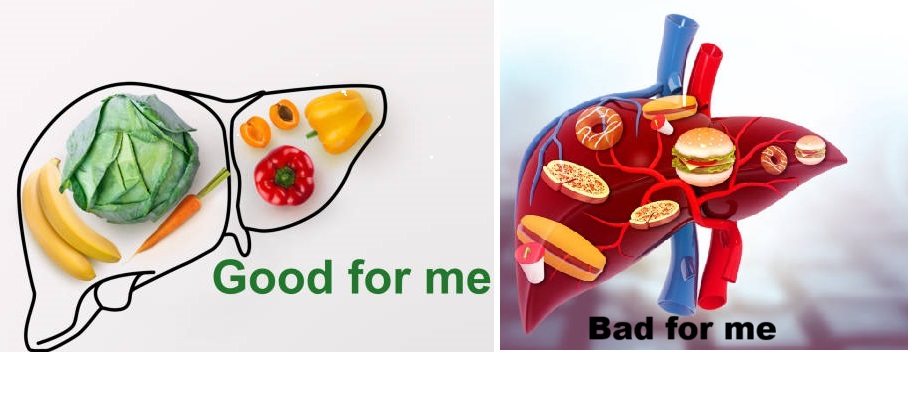
- Eating a balanced diet rich in fruits, vegetables, and fiber.
- Staying hydrated.
[Read about Liver Cleansing Diet Plan]
Foods and Lifestyle Changes to Help Lower Bilirubin Naturally
High bilirubin levels are often linked to underlying liver or bile duct problems, so dietary and lifestyle changes should focus on supporting liver health, improving digestion, and reducing inflammation. While these measures cannot replace medical treatment for serious conditions, they can complement your doctor’s advice and help promote recovery.
1. Liver-Friendly Foods
Leafy Greens (Spinach, Kale, Mustard Greens): Rich in chlorophyll and antioxidants, these help neutralize toxins and support liver detoxification.
Beetroot: Contains betalains that help protect the liver and improve bile flow.
Citrus Fruits (Oranges, Lemons, Grapefruit): High in vitamin C, which supports antioxidant activity and boosts immunity.
Carrots and Sweet Potatoes: Excellent sources of beta-carotene, which protects liver cells from oxidative stress.
Fatty Fish (Salmon, Mackerel, Sardines): Rich in omega-3 fatty acids that reduce inflammation in liver tissues.
Garlic and Onions: Contain sulfur compounds that help activate liver detox enzymes.
Green Tea: Packed with catechins, which improve liver function and reduce oxidative stress.
Turmeric: Contains curcumin, a potent anti-inflammatory compound that supports bile flow.
2. Hydration
Drink Plenty of Water: Adequate hydration helps the body flush out toxins and supports healthy bile consistency.
Herbal Teas (Dandelion Root, Milk Thistle): May support liver detoxification and improve bile flow.
3. Foods to Limit or Avoid
Alcohol: Even small amounts can worsen liver function and raise bilirubin.
Fried and Fatty Foods: Increase liver strain and may cause fat buildup in the liver.
Highly Processed Foods: Contain additives and preservatives that can burden the liver.
Sugary Drinks and Snacks: Excess sugar can worsen fatty liver and inflammation.
4. Lifestyle Changes
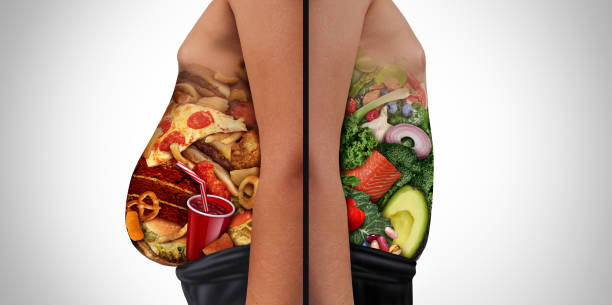
Maintain a Healthy Weight: Being overweight increases the risk of fatty liver, which can affect bilirubin levels.
Exercise Regularly: Aim for at least 150 minutes of moderate activity per week to improve liver function and bile flow.
Get Adequate Sleep: Poor sleep can affect liver metabolism and hormone balance.
Avoid Unnecessary Medications: Some drugs can elevate bilirubin; always consult your doctor before starting or stopping any medication.
Manage Stress: Chronic stress can worsen inflammation and liver strain; practice relaxation techniques such as yoga or meditation.
5. When to Seek Medical Advice
If bilirubin levels remain persistently high, or if you notice symptoms like yellowing of the skin/eyes, dark urine, pale stools, or fatigue, seek medical evaluation promptly. Lifestyle changes help, but identifying and treating the root cause is essential.
Conclusion
If you’ve ever asked yourself “What causes high bilirubin in adults?”, the answer is: It depends on where the problem is occurring before, in, or after the liver. While some causes are harmless, others require immediate medical attention.
As a doctor, I encourage you to never ignore unexplained jaundice or abnormal liver tests. The sooner we find the cause, the better the outcome.
Your turn – let’s talk!
Have you or someone you know experienced jaundice or high bilirubin levels? Share your story or questions in the comments below. If you’re experiencing symptoms right now, don’t wait see your doctor for a proper diagnosis.
FAQS
While certain lifestyle changes can support liver health, they are not a substitute for medical treatment. A doctor should always be consulted to determine the cause of high bilirubin. Maintaining a healthy diet, limiting alcohol intake, and staying hydrated are generally good practices for liver health.
The treatment for high bilirubin depends entirely on the underlying cause.
- If the cause is a blood disorder, treatment may involve managing the anemia or blood cell breakdown.
- If the cause is a liver disease, treatment focuses on managing the specific condition (e.g., antiviral medications for hepatitis, lifestyle changes for alcoholic liver disease).
- If the cause is a blockage, treatment may involve surgery or endoscopic procedures to remove the obstruction.
Not necessarily. While high bilirubin can be a sign of a serious underlying disease, it can also be a benign condition. For example, Gilbert’s syndrome is a common, harmless genetic condition that causes mildly elevated bilirubin levels, often without any symptoms.
The most noticeable symptom of high bilirubin is jaundice, a yellowish discoloration of the skin and whites of the eyes. Other symptoms can include:
- Dark urine (tea-colored)
- Pale or clay-colored stools
- Itching (pruritus)
- Fatigue and weakness
- Abdominal pain or swelling (depending on the cause)
- Nausea and vomiting
Normal total bilirubin levels in adults are typically between 0.3 and 1.2 mg/dL. Levels above this range are considered high, a condition known as hyperbilirubinemia.
🧑⚕️ About the Author
Dr. Asif, MBBS, MHPE
Dr. Asif is a licensed medical doctor and qualified medical educationist with a Master’s in Health Professions Education (MHPE) and 18 years of clinical experience. He specializes in gut health and mental wellness. Through his blogs, Dr. Asif shares evidence-based insights to empower readers with practical, trustworthy health information for a better, healthier life.
⚠️ Medical Disclaimer
This blog is intended for educational and informational purposes only. It is not a substitute for professional medical advice, diagnosis, or treatment. Always seek the advice of your physician or another qualified healthcare provider with any questions you may have regarding a medical condition. Never disregard or delay medical advice based on content you read here.
Leave a Reply