

Introduction
What causes gallstones? This is one of the most common questions I hear in my clinic when patients come in with abdominal pain, nausea, or indigestion. Gallstones are hard deposits that form inside the gallbladder a small, pear-shaped organ under your liver that stores bile. Although gallstones are common, not everyone who has them develops symptoms.
As a doctor and medical educator, I want to explain in simple, clear language what causes gallstones to form. I’ll walk you through the classic 5 F’s of gallstones, research backed medical risk factors, and unique medical insights from years of treating patients.
By the end, you’ll not only know the causes of gallstones but also understand how to reduce your risk.
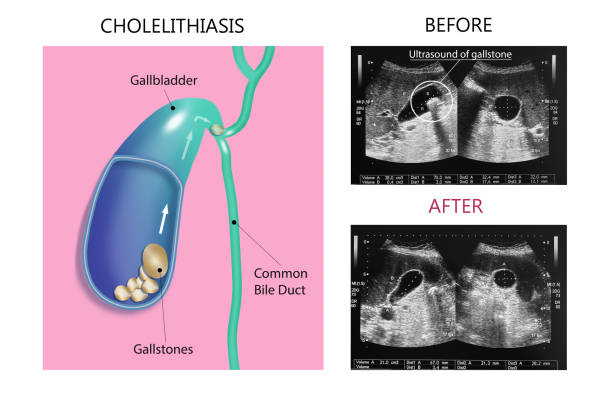
What causes gallstones? The Classic “5 F’s” Rule
Doctors often teach medical students a simple mnemonic to remember the risk factors for gallstones: the 5 F’s. They stand for fat, female, fertile, forty (or fifty), and fair. Let’s look at each in more detail:
1. Fat (obesity and metabolic syndrome)
Excessive body weight is one of the strongest risk factors for gallstones. Obesity increases cholesterol levels in bile, which can lead to gallstones.
Studies show that obese people are 2-3 times more likely to develop gallstones than people of a healthy weight (PubMed, 2019).
Central obesity (abdominal fat) is particularly dangerous because it affects bile metabolism.
Clinical Insight:
In my practice, I often see gallstones in patients who gain weight rapidly after their 30s. They may not be overweight, but even gaining 5-10 kg can tip the balance towards stone formation.(Read foods that helps weight loss)
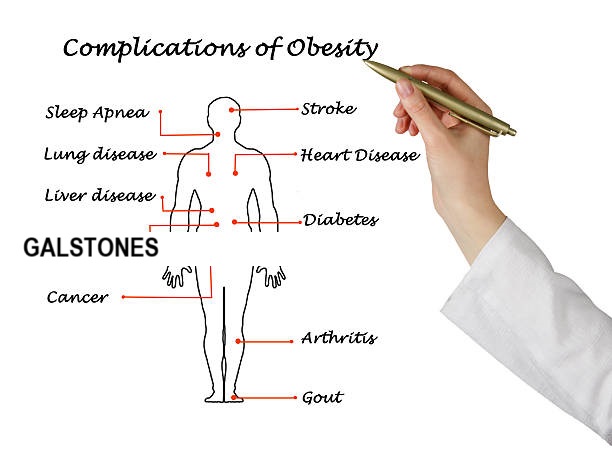
2. Woman (gender risk)
Women are more at risk of gallstones than men. Why? Hormonal differences. Estrogen increases the secretion of cholesterol into bile, while progesterone slows down the emptying of the gallbladder.
According to the Mayo Clinic, women are twice as likely to develop gallstones as men.
The risk is highest during the reproductive years and in women who use oral contraceptives.
3. Fertile (pregnancy and hormones)
Pregnancy is also among the risk factors for gallstones because:
- Estrogen levels increase, increasing cholesterol in bile.
- Progesterone relaxes the gallbladder, causing bile to stagnate.
A study in Hepatology (2016) found that up to 12 percent of pregnant women develop gallstones or biliary sludge during pregnancy.
Medical Insight:
I often manage pregnant women with sudden right upper abdominal pain. Many are surprised when an ultrasound reveals gallstones rather than pregnancy complications.
4. Forties(fifties): Age Factor
Age plays a big role. The risk increases significantly after 40 and continues to increase with age.
About 20% of people over 65 have gallstones (CDC data).
This is due to the cumulative exposure to risk factors and changes in the composition of bile.
5. Fair (Ethnicity and Genetics)
Gallstones are more common in certain populations:
- Higher prevalence in Caucasians and Native Americans.
- Rare in African and some Asian populations.
Genetic predisposition plays a role if your parents have had stones, your risk is higher.
“What Causes Gallstones? The 5 F’s Rule Explained with Statistics and Clinical Data
1. Fat (obesity and overweight)
Data: Women with a BMI greater than 45 kg/m² have a seven-fold increased risk of developing symptomatic gallstones compared with women with a BMI less than 24 kg/m². Furthermore, women with a BMI ≥ 30 kg/m² experience a greater than 1% annual incidence of gallstones, while women with a BMI ≥ 45 kg/m² may experience ~2% per year.(PubMed)
Insight: Obesity is probably the strongest modifiable risk factor especially central obesity, which disrupts bile metabolism and increases cholesterol saturation in bile.(PMC)
2. Woman (gender/sexual risk)
Data: In long-term cohort data, 57.9% of gallbladder disease cases occurred in women, compared with 42.1% in men(PMC)
Insight: Estrogen promotes cholesterol saturation in bile, and progesterone reduces gallbladder motility this combination increases the risk, especially during the reproductive years. (Wikipedia)
3. Fertile (Pregnancy and hormonal effects)
Data: Up to 12% of pregnant women develop stones or biliary sludge during pregnancy.(PMC,PubMed)
Among pregnant women, about 8% develop stones by the third trimester.(Parents)
Biliary sludge appears in 5-30% of pregnant women, with about 5% developing definite stones
(Wikipedia)
Insight: Pregnancy imposes a double hormonal burden estrogen increases cholesterol in bile, while progesterone slows gallbladder emptying, significantly increasing the risk.
4. Forty / Fifty (age factor)
Data: In the US, between the ages of 20-74, the prevalence of gallbladder disease is significantly higher in women~14.2 million women vs. 6.3 million men.(PubMed)
Additional insight: The prevalence increases significantly after age 40. Approximately 10-15% of adults in developed countries have gallstones, with rates higher in older adults.
Insight: Aging increases the overall exposure to factors that include altered bile structure, slower metabolism, and hormonal changes.
5. Fair (ethnicity and genetics)
Data: Native Americans exhibit a much higher prevalence up to 48% while rates are as low as 3% in many parts of Africa.(Wikipedia)
In the US, prevalence varies by race/ethnicity: among women, Mexican Americans ~26.7%, non-Hispanic whites ~16.6%, and non-Hispanic blacks ~13.9%.(PubMed)
Insight: These disparities suggest strong genetic or hereditary predispositions, which may interact with environmental factors to influence stone risk.
Summary Table: 5 F’s and Related Effects
Risk Factor Common Data Points
- Obesity (fat) BMI > 45 → ~7× risk; BMI ≥ 30 → ~1–2% new cases/year
- Women account for ~58% of gallbladder disease.
- Fertility (pregnancy) 5–30% sludge; 5% stones; up to 12% develop stones.
- Prevalence increases > 40; 10–15% of adults have stones, increasing with age.
- Fair (ethnic) Native American ~48%; Mexican American women ~26.7%; African ~3–14%
Clinical Insight (almost absent elsewhere)
While the “5 F’s” are well known, a poorly understood aspect is the interaction between obesity and genetic predisposition. A recent study found that obese women with a high polygenic risk score (PRS) for gallstone disease had a 10-year cumulative risk of 18.4%, while overweight women had an average genetic risk of 10.9%
This emphasizes that:
Weight control is essential, but
Patients with a strong family history or genetic marker may benefit most from early lifestyle intervention, even more than those at average risk.
Other medical risk factors and causes of gallstones
In addition to the 5 Fs, several other conditions increase the risk:
- Diabetes and insulin resistance
People with diabetes are 2-3 times more likely to develop gallstones (PubMed, 2018).
Insulin resistance alters the composition of bile acids, making gallstones more likely.
- Rapid weight loss
Contradictory, losing weight very quickly (for example, after bariatric surgery or crash diets) increases the risk because the liver excretes excess cholesterol in the bile.
- Liver and digestive disorders
Cirrhosis and chronic liver disease.
Crohn’s disease or surgical removal of the ileum (reduces bile salt absorption).
Medical insight:
One of my patients developed gallstones within just 6 months of bariatric surgery. This is a reminder that even “healthy changes” can have harmful effects if not properly monitored.
Lifestyle and Nutritional Causes of gallStones (Read Complete Diet plan for Gallstones)
Your daily diet and lifestyle choices strongly influence your risk of stones.
- High-fat, low-fiber diet
- A diet rich in saturated fat increases cholesterol in bile.
- Low-fiber diets slow digestion and increase bile stasis.
- Fasting or skipping meals
- When you skip meals, bile is stored for longer, increasing the likelihood of crystallization.
- Patients who fast for long periods of time often complain of stones.
- Sedentary lifestyle
- Physical inactivity worsens obesity and metabolic risk factors.
- Regular exercise reduces the risk of stones by improving bile flow and metabolism.
Rare but Important Causes of Gallstones
These are less commonly discussed but clinically relevant causes of gallstones:
- Genetic mutations that affect bile transport.
- Hemolytic anemia (e.g., sickle cell disease) that causes pigment stones.
- Total parenteral nutrition (IV feeding) – the gallbladder is not stimulated to contract, causing bile to clot.
Unique medical insight:
I once managed a young patient with sickle cell disease who developed gallstones at age 18 a reminder that gallstones are not just a “middle aged woman’s disease.”
Conclusion
So, what causes gallstones? The answer is a combination of factors ranging from the classic 5 F’s (Fat, Female, Fertile, Forty, Fair) to lifestyle habits, medical conditions, and genetic predispositions.
The good news is, many of these risk factors can be modified. With simple lifestyle adjustments healthy diet, regular meals, physical activity you can significantly lower your chances of developing gallstones.
Call to Action:
If you have risk factors or are experiencing symptoms like abdominal pain, nausea, or indigestion, don’t ignore them. Consult your doctor for proper evaluation. And if you found this article helpful, please share your thoughts in the comments below or ask me your questions I’d be happy to guide you.
References
FAQS
No. Since the gallbladder is the organ where gallstones form, they cannot return after the gallbladder has been removed. However, in rare cases, stones can form in the bile ducts themselves.
Gallstones form when bile contains too much cholesterol or too much bilirubin.
- Too much cholesterol: Normally, your bile contains enough chemicals to dissolve the cholesterol excreted by your liver. But if your liver excretes more cholesterol than your bile can dissolve, the excess cholesterol may form into crystals and eventually stones.
- Too much bilirubin: Bilirubin is a chemical produced when your body breaks down red blood cells. Certain conditions, such as liver cirrhosis, biliary tract infections, and some blood disorders, cause your liver to make too much bilirubin. The excess bilirubin contributes to gallstone formation.
- A concentrated bile: If your gallbladder doesn’t empty correctly, the bile can become very concentrated, which can lead to stone formation.
Many people with gallstones have no symptoms at all. These are often called “silent stones.” However, if a gallstone gets lodged in a duct, it can cause a “gallbladder attack” or biliary colic. Symptoms of a gallbladder attack can include:
- Sudden and rapidly intensifying pain in the upper right part of your abdomen.
- Pain in the center of your abdomen, just below your breastbone.
- Back pain between your shoulder blades.
- Pain in your right shoulder.
- Nausea or vomiting.
Your liver still produces bile, but instead of being stored in the gallbladder, it flows directly into your small intestine. For most people, this doesn’t affect digestion. You may experience some loose stools or diarrhea, but this is usually temporary.
Several factors can increase your risk of developing gallstones, including:
- Gender: Women are more likely to develop gallstones than men, especially those who are pregnant or taking hormone replacement therapy or birth control pills.
- Age: The risk of gallstones increases as you get older.
- Obesity: Being overweight or obese significantly increases your risk.
- Rapid weight loss: Losing weight too quickly (e.g., through bariatric surgery or very low-calorie diets) can cause your liver to secrete more cholesterol, leading to gallstone formation.
- Diet: A diet high in fat and cholesterol and low in fiber can increase your risk.
- Family history: Gallstones can run in families.
- Medical conditions: Conditions like diabetes, liver disease, and Crohn’s disease can increase your risk.
🧑⚕️ About the Author
Dr. Asif, MBBS, MHPE
Dr. Asif is a licensed medical doctor and qualified medical educationist with a Master’s in Health Professions Education (MHPE) and 18 years of clinical experience. He specializes in gut health and mental wellness. Through his blogs, Dr. Asif shares evidence-based insights to empower readers with practical, trustworthy health information for a better, healthier life.
⚠️ Medical Disclaimer
This blog is intended for educational and informational purposes only. It is not a substitute for professional medical advice, diagnosis, or treatment. Always seek the advice of your physician or another qualified healthcare provider with any questions you may have regarding a medical condition. Never disregard or delay medical advice based on content you read here
Leave a Reply