

Introduction
Medicines to Dissolve Gallstones- Do They Really Work?
Gallstone dissolving medications are often considered by patients who want to avoid surgery. As a doctor, I often see the concern in patients’ eyes when they are first told they have gallstones. The first question is almost always: “Do I really need surgery?”
For many people, surgery (removing the gallstone) is indeed the most reliable option. But not everyone can or should have the operation. Elderly patients, those with serious health conditions, or those who simply prefer non-surgical methods may benefit from medical treatment.
For example, one of my patients, a 55 year old woman with heart disease, had gallstones but was too high risk for anesthesia. In her case, gallstone dissolving medications were a safe and effective option, helping her stone size decrease over 12 months.
In this blog, you will discover:
- What medications are available to dissolve gallstones?
- How they work, their recommended doses, and possible side effects
- How long you may need to take them.
- The role of diet and lifestyle in supporting treatment
- When surgery is necessary despite medical treatment.
By the end, you will know if medical treatment may be a realistic option for you.
What are gallstones? (Quick refresher)
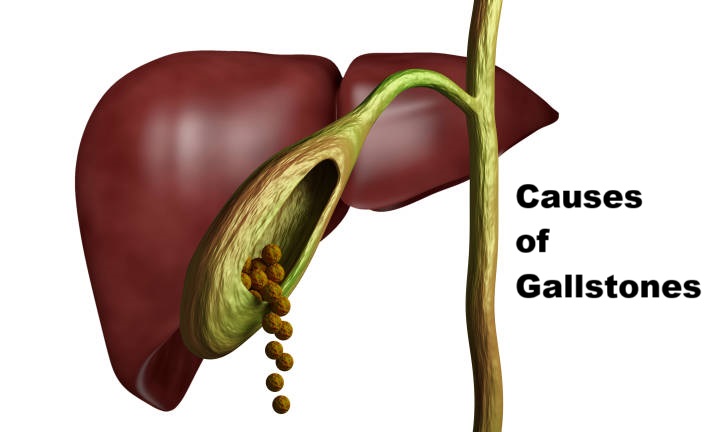
Gallstones are solid deposits that form inside the gallbladder, often made of cholesterol or bile pigments. According to the World Health Organization (WHO), gallstones affect 10-20% of adults worldwide, but only a fraction cause symptoms.
Cholesterol stones – most common (about 80%)
Gel stones – associated with liver disease or infection
Most stones are silent, but they can sometimes cause abdominal pain, nausea, or dangerous complications.
Read more: Causes of stones (internal link)
Can Medicines to Dissolve Gallstones Replace Surgery?
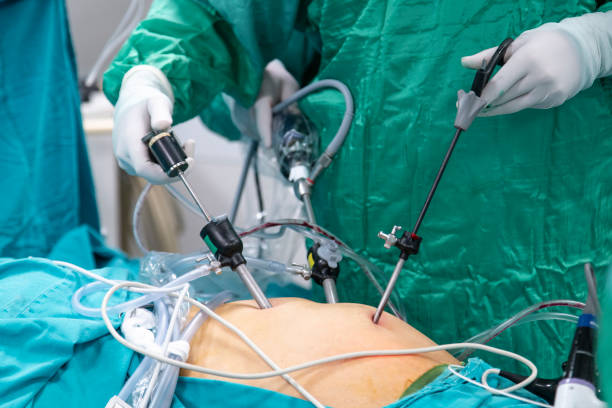
Surgery (laparoscopic cholecystectomy) remains the gold standard for treating gallstones because it is fast, permanent, and prevents recurrence.
But gallstones may be considered when:
- Surgery is too risky due to age or other health conditions.
- Patients refuse surgery.
- The stones are small (≤5 mm), soft, and cholesterol-based.
- The gallbladder is still functioning normally.
Important: Medical therapy does not work for large, calcified, or pigmented stones.
Top 7 Medicines to Dissolve Gallstones
1. Ursodeoxycholic Acid (UDCA) is the key in medicines to dissolve gallstones
How it works:
- Reduces cholesterol in bile.
- Improves bile flow.
- Slowly dissolves cholesterol-rich stones.
Duration of use:
- 6-24 months (best for stones <5 mm).
Dosage:
- 8-10 mg/kg/day, divided into 2 doses.
Side effects:
- Mild diarrhea, nausea, weight gain (rare).
Clinical note: Compliance is key missing doses reduces effectiveness.
2. Chenodeoxycholic Acid (CDCA)
How it works:
- Like UDCA, reduces cholesterol saturation in bile.
Duration of use:
- 6-24 months.
Dosage:
- 13–15 mg/kg/day, divided into 2 doses.
Side effects:
- Diarrhea, liver toxicity, high cholesterol, menstrual irregularities.
Rarely used today because UDCA is safer.
3. Combination therapy (UDCA + shock wave lithotripsy)
How it works:
- Shock waves break stones into smaller pieces.
- UDCA dissolves the pieces.
Duration of use:
- Lithotripsy + UDCA once for 6-12 months.
Side effects:
- Abdominal discomfort, mild bleeding after ESWL, side effects of UDCA.
Limitations: Expensive, not widely available
4. Statins (cholesterol-lowering drugs)
How they work:
- Reduce cholesterol production in the liver.
- May prevent the development of gallstones or shrink gallstones.
Duration of use:
- 6-12 months (usually prescribed for cholesterol problems).
Dosage:
- Varies (for example, simvastatin 20-40 mg daily).
Side effects:
- Muscle pain, increased liver enzymes, rare rhabdomyolysis.
Clinical tip: Good for patients who need cholesterol treatment anyway.
5. Herbal medicines (adjunctive, limited evidence)
Milk thistle (silymarin):
- Improves liver function, supports bile secretion.
- Dosage: 140-420 mg per day.
- Side effects: Mild stomach upset.
Turmeric (Curcumin):
- Anti-inflammatory, improves bile flow.
- Dosage: 500-1000 mg per day.
- Side effects: Upset stomach in high doses.
Artichoke extract:
- Promotes bile secretion, reduces cholesterol in bile.
- Dosage: 320-640 mg per day.
- Side effects: Gas, mild diarrhea.
Use only as adjunctive therapy under medical supervision.
6. Omega-3 fatty acids (fish oil supplements)
How they work:
- Reduce cholesterol in bile
- Improve bile structure
- Reduce the risk of stone formation.
Duration of use:
- Long-term (months to years).
Dosage:
- 1000–2000 mg/day EPA + DHA.
Side effects:
- Fishy aftertaste, mild GI upset, unusual risk of bleeding with high doses.
Clinical tip: Beneficial in patients with fatty liver or high triglycerides with gallstones.
7. Traditional Chinese Medicine (TCM) formulas.
How they work:
- Herbal formulas like “Lidan Tablets” promote bile flow and soften gallstones.
Duration of use:
- 3-12 months.
Side effects:
- Varies; unregulated products may be unsafe.
Clinical tip: Consider only when products are standardized and under medical supervision.
How long does it take for medicines to dissolve gallstones?
Unlike surgery, which removes gallstones immediately, medications take time.
- Small stones: 6-12 months
- Large stones (still cholesterol): Up to 24 months
- Stones > 15 mm: Very low chance of success
A Mayo Clinic study (2020) found that UDCA dissolved 50% of stones <5 mm but less than 10% of stones >15 mm.
Diet with lifestyle and medication
Medications work best when combined with healthy lifestyle changes.
Dietary tips for stone patients:
- Increase fiber: fruits, vegetables, whole grains
- Choose healthy fats: olive oil, nuts (in moderation)
- Avoid crash diets: Rapid weight loss triggers stones.
- Limit saturated fats: fried foods, butter, red meat
- Stay hydrated: Improves bile flow
Read more: Diet plan for gallstone patients
Read next: Foods that dissolve gallstones

Rarely discussed clinical insight
One thing I often emphasize in my clinic: psychological expectation and compliance.
Patients expect fast results, but gallstone medications do not relieve pain immediately. Unlike painkillers, they work silently for months. Many patients quickly give up, realizing that the treatment is useless.
Another point of discussion:
Microlithiasis (small stones or sludge) often causes pancreatitis or biliary pain but responds very well to UDCA. Early detection and treatment of sludge can prevent serious complications.
Risks and limitations of drugs to dissolve gallstones
Drugs to dissolve gallstones has certain risks and limitations which include:
- Not suitable for all types of stones.
- Long term treatment is required.
- High recurrence rate (up to 50% after stopping therapy)
- More expensive than one-time surgery in the long term
According to the CDC, gallstones cause more than 700,000 hospitalizations each year in the U.S. Surgery remains the mainstay of treatment.
Evidence from Clinical Studies
UDCA Success Rates
Studies have shown that 30–60% of small cholesterol gallstones (<15 mm) can be dissolved with UDCA when the gallbladder is still functioning.
Dissolution usually requires 6–24 months of continuous treatment.
Stone Recurrence
Unfortunately, up to 50% of patients experience recurrence within 5 years after stopping UDCA.
This makes long-term lifestyle modifications (diet, weight management) important even after successful dissolution.
Combination Therapy
Some studies suggest that combining UDCA with chenodeoxycholic acid (CDCA) may increase dissolution rates, but side effects are more common.
UDCA is generally preferred due to better tolerance.
Limitations
Works only for cholesterol stones, not pigment stones.
Ineffective for large stones (>20 mm) or in patients with a non-functioning gallbladder.
Reference:
National Institute of Diabetes and Digestive and Kidney Diseases (NIDDK)
Clinical studies from journals like Gut and Hepatology report 30–60% success in carefully selected patients.
When to seek immediate medical attention.
Even if you are taking medication, seek immediate help if you have:
- Severe abdominal pain
- Yellowing of the eyes/skin (jaundice)
- Fever with chills
- Recurrent vomiting.
These can signal life-threatening complications such as cholangitis or pancreatitis.
Conclusion: Are Medicines to Dissolve Gallstones Truly Worth It?
Medicines to dissolve gallstones particularly ursodeoxycholic acid (UDCA) can be effective, but only in specific situations. Research shows they work best in patients with small, cholesterol based gallstones, a functioning gallbladder, and no complications like infection or obstruction. In these cases, UDCA may gradually dissolve stones over several months, providing relief without surgery.
However, the reality is that gallstone-dissolving drugs are not a quick fix. They often require long-term use (6–24 months), strict compliance, and even then, there is a chance of gallstones returning after treatment stops. Side effects such as diarrhea, abdominal pain, or liver enzyme elevation also limit their use in some patients.
In comparison, surgical removal of the gallbladder (cholecystectomy) remains the most reliable and permanent solution. It eliminates not only the stones but also the risk of recurrence. That said, not every patient is an ideal surgical candidate. For people who cannot undergo surgery due to age, medical conditions, or personal preference, medications provide a valuable alternative option under close medical supervision.
As a practicing doctor, I often remind my patients that while medications can help certain individuals, they are not a universal cure. The choice between medicines and surgery should be personalized, based on stone type, size, symptoms, and overall health status.
Bottom line: Medicines to dissolve gallstones may work for a carefully selected group of patients, but surgery remains the gold standard for long-term relief. Always consult your healthcare provider before starting any treatment self-medicating or delaying care can lead to serious complication
Call to Action
If you have been told you have gallstones, don’t panic. The right treatment depends on the type of stone, its size, and your overall health.
I’d love to hear from you!
- Do you want to avoid surgery and try medication?
- Are you already on UDCA and thinking about upgrading?
Leave your questions in the comments or consult your doctor for appropriate medical advice.
References
Mayo Clinic. Gallstones – Symptoms and Causes. Link
FAQS
No, they only work on cholesterol stones, not pigment (bilirubin or calcium-based) stones.
Yes, recurrence rates are 30-50% within 5 years.
It may take 6 months to 2 years of continuous use, depending on stone size.
Ursodiol: Mild diarrhea, indigestion.
Chenodiol: Diarrhea, liver enzyme changes, rarely liver toxicity.
Ursodeoxycholic acid (UDCA/ursodiol) and chenodeoxycholic acid (CDCA/chenodiol) are the primary medications used to dissolve cholesterol gallstones.
🧑⚕️ About the Author
Dr. Asif, MBBS, MHPE
Dr. Asif is a licensed medical doctor and qualified medical educationist with a Master’s in Health Professions Education (MHPE) and 18 years of clinical experience. He specializes in gut health and mental wellness. Through his blogs, Dr. Asif shares evidence-based insights to empower readers with practical, trustworthy health information for a better, healthier life.
⚠️ Medical Disclaimer
This blog is intended for educational and informational purposes only. It is not a substitute for professional medical advice, diagnosis, or treatment. Always seek the advice of your physician or another qualified healthcare provider with any questions you may have regarding a medical condition. Never disregard or delay medical advice based on content you read here.
Leave a Reply