

Introduction
Symptoms of Hepatitis C in Males can be tricky to recognize because the infection often hides silently for years. Unlike illnesses that show dramatic early warning signs, hepatitis C tends to creep in quietly, damaging the liver without making much noise. As a licensed physician and medical educator, I have seen many male patients who only discovered the infection through a routine blood test or after liver damage had already advanced.
This article will guide you step-by-step through the symptoms of hepatitis C in males, explained in simple, patient-friendly language, with clinical accuracy and real medical insight. My goal is to help you recognize early red flags and understand when to seek medical attention.
What are the symptoms of hepatitis C in men?
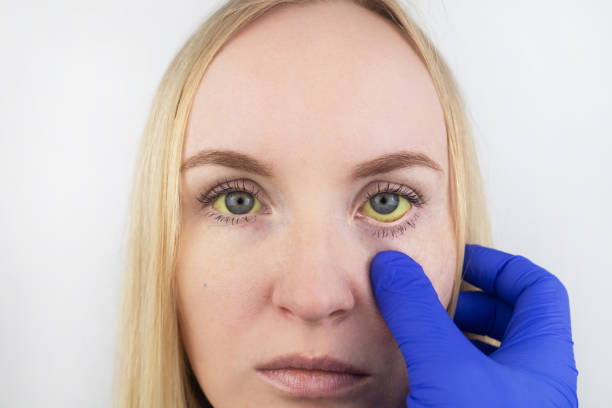
Symptoms of hepatitis C in males often include fatigue, joint pain, muscle pain, stomach discomfort, loss of appetite, nausea, and jaundice (yellowing of the eyes/skin). Many men also report dark urine, easy bruising, itchy skin, and brain fog due to liver inflammation. However, up to 70-80% of men with hepatitis C may not have any noticeable symptoms in the early stages, which is why routine screening and blood tests are so important for early detection (CDC, WHO).
Understanding hepatitis C in men
Why hepatitis C affects men differently
Although hepatitis C can affect both sexes, research shows that men are more likely to progress to liver scarring (fibrosis and cirrhosis) more quickly than women. This difference is linked to hormonal protection (estrogen benefits women) and lifestyle factors such as alcohol consumption, which are usually higher in men.
Doctor’s insight: I often see male patients with more advanced disease than women, one reason being that they ignore mild symptoms and delay medical check-ups.
Early symptoms of hepatitis C
Most men don’t feel sick in the early stages. But if symptoms do appear, they are often vague and can easily be mistaken for the flu or fatigue.
Fatigue the most common red flag
- Persistent fatigue is not explained by work or lack of sleep.
- It feels like your body’s battery is always running low.
- Many patients dismiss it as “age” or “stress,” delaying diagnosis.
Muscle and joint pain
- Joint and muscle pain, sometimes similar to arthritis.
- Men often push through the pain rather than seek medical help.
Low-grade fever and flu-like symptoms
- Mild fever, chills, or body aches.
- Symptoms go away within a few days, leading men to think it was “just the flu.”
Advanced symptoms of hepatitis C in males
As the infection progresses, liver damage becomes more obvious.
Jaundice (yellow eyes and skin)
- Due to a buildup of bilirubin.
- Friends or family often notice it before the patient does.
Dark urine and pale stools
- A classic sign of liver involvement.
- Dark tea-colored urine and clay-like stools.
Abdominal pain and swelling
- Pain in the upper right abdomen.
- Swelling (skin) in advanced cases due to fluid accumulation.
Easy bruising and bleeding
- Men notice that they bruise more easily after exercise or after a minor bump.
- Due to decreased production of clotting factors by the liver.
Cognitive changes (Hepatic Encephalopathy)
- Memory impairment, confusion, difficulty concentrating (“brain fog”).
- Especially for men of working age.
Rarely discussed symptoms of hepatitis C in males
These insights are often missing from other blogs, but I have seen them clinically.
- Itchy and flaky skin: Caused by bile salt deposits in the skin.
- Gynecomastia (enlargement of male breasts): Hormonal imbalance from liver dysfunction.
- Spider angiomas (small clusters of red blood vessels on the skin).
- Decreased libido and erectile dysfunction: Hormonal changes due to chronic liver damage.
Unique insight: Many men are hesitant to report changes in sexual health, yet these are often among the earliest signs of liver related hormone dysfunction.
How to confirm hepatitis C symptoms in men.
Symptoms of hepatitis C alone are not enough. Diagnosis requires:
- Blood test (HCV antibody test) – detects exposure.
- HCV RNA test – confirms active infection.
- Liver function tests (LFTs) – measures enzymes.
- Ultrasound or fibroscan – checks for scarring/fibrosis.

Risk factors that increase symptoms of hepatitis c in males.
Not every man with hepatitis C experiences severe symptoms right away. However, certain risk factors can accelerate liver damage and make symptoms appear earlier or more severe. Understanding these can help men take preventive measures.
Alcohol use
- Alcohol acts like “fuel on the fire” for an already inflamed liver with hepatitis C.
- Men who drink regularly develop cirrhosis 3 times faster than those who don’t.
- Even moderate drinking can cause fatigue, jaundice, and increased abdominal pain.
Doctor’s insight: In my practice, I have seen men who continued to drink alcohol after diagnosis progress to liver failure more quickly than those who quit immediately.

Co-infection (HIV, hepatitis B)
- Having another viral infection weakens the immune system and accelerates liver scarring.
- Men with hepatitis C and HIV first show symptoms such as weight loss and weakness.
- Hepatitis B co-infection increases the risk of liver cancer.
Obesity and fatty liver (NAFLD)
Excess fat in the liver worsens inflammation, making symptoms such as abdominal swelling, fatigue, and joint pain more pronounced.
- Obesity in men doubles the risk of developing cirrhosis.
Age and duration of infection
- Men infected at a young age may remain asymptomatic for years.
- But after the age of 40-50, symptoms appear more quickly as the liver loses its elasticity.
Smoking and substance use
- Toxic substances in tobacco and recreational drugs put additional stress on the liver.
- Intravenous drug use increases viral load and makes infection difficult to control.
Poor diet and sedentary lifestyle
- Processed foods, sugar, and fatty foods increase metabolic stress.
- Lack of exercise worsens insulin resistance, a common complication in patients with hepatitis C.
Unique insight: Many men believe that their liver is “safe” if they don’t drink alcohol. But I have treated several patients where obesity, poor diet, and smoking were equally damaging factors that caused hepatitis C symptoms to worsen rapidly.
Why many men miss early symptoms of hepatitis C.
- Social tendency to ignore mild health problems.
- Mistaking symptoms for stress or aging.
- Lack of routine check ups until complications develop.
Case story example: A 42 year old male patient came in for a general check-up and was surprised to learn that his mild fatigue and joint pain were related to hepatitis C. He had been unknowingly infected with the virus for over 10 years.
Complications if symptoms of hepatitis c are ignored
- Cirrhosis (permanent scarring of the liver).
- Liver cancer (hepatocellular carcinoma).
- Liver failure requiring a transplant.
According to the World Health Organization, hepatitis C causes 290,000 deaths worldwide annually, most of which are from cirrhosis and liver cancer.
When to see a doctor.
Seek immediate medical advice if you experience:
- Persistent fatigue + joint pain.
- Jaundice or dark urine.
- Abdominal swelling.
- Confusion or forgetfulness.
Read in Detail: Learn more about [How to keep your liver healthy] to avoid complications.
Treatment outlook for men with hepatitis C
- Antiviral drugs (DAAs) cure more than 95 percent of cases.
- Duration of treatment: 8-12 weeks in most patients.
- Lifestyle adjustments: Avoid alcohol, manage weight, eat a liver-friendly diet.
Check out our [Liver Cleanse Diet Plan] to support your liver during recovery.
References:
Conclusion and Call to Action
Hepatitis C is a silent but dangerous condition, especially for men who may dismiss or ignore its subtle warning signs. By recognizing the symptoms of hepatitis C in men from fatigue and joint pain to jaundice and cognitive changes you can take proactive steps to protect your liver health.
As a doctor, my advice is simple: Don’t wait for symptoms to become severe. Early testing and treatment can completely cure hepatitis C in most men.
If you found this guide helpful, please share your thoughts in the comments, ask questions, or reach out for medical advice. Your health matters and action today could save your tomorrow.
FAQS
Indirectly, yes. Chronic infection and poor nutrition due to liver dysfunction may cause hair thinning, though it is not a direct symptom.
Transmission through saliva is extremely rare but possible in cases with blood exposure.
No. Many men never develop jaundice until very late stages, which is why early testing is critical.
Yes. Hormonal changes, fatigue, and liver dysfunction can reduce libido and cause erectile issues.
Fatigue is the most common symptom but also very non-specific. It must be confirmed with blood tests.
🧑⚕️ About the Author
Dr. Asif, MBBS, MHPE
Dr. Asif is a licensed medical doctor and qualified medical educationist with a Master’s in Health Professions Education (MHPE) and 18 years of clinical experience. He specializes in gut health and mental wellness. Through his blogs, Dr. Asif shares evidence-based insights to empower readers with practical, trustworthy health information for a better, healthier life.
⚠️ Medical Disclaimer
This blog is intended for educational and informational purposes only. It is not a substitute for professional medical advice, diagnosis, or treatment. Always seek the advice of your physician or another qualified healthcare provider with any questions you may have regarding a medical condition. Never disregard or delay medical advice based on content you read here.
Leave a Reply