

Introduction
Laparoscopic Gallbladder Surgery Recovery Time can feel uncertain for many patients, especially if it’s your first major abdominal surgery. Some are concerned about pain, dietary restrictions, or how long it will take to get back to normal life.
As a physician and medical educator, I have guided numerous patients through this journey. Recovery after laparoscopic cholecystectomy is usually faster than open surgery, but it requires careful planning, monitoring, and gradual adaptation.
This 10-step guide provides patients with a practical roadmap to recover comfortably, manage symptoms, and confidently resume normal life.
Step 1: Pre-Surgery Preparation
Proper preparation lays the foundation for a smooth recovery.
- Medical evaluation: Blood tests, imaging, and consultation with your surgeon.
- Medications: Talk to your doctor about blood thinners or chronic medications.
- Dietary adjustments: Some surgeons may recommend fasting or eating a light meal before surgery.
- Mental preparation: Understanding what to expect reduces anxiety.
Clinical insight: Patients who understand their procedure and recovery timeline often experience less stress and a faster recovery.

Step 2: Understanding the procedure
Laparoscopic gallbladder removal uses small incisions and a camera, allowing the surgeon to remove the gallbladder without making large cuts in the abdomen.
Benefits:
- Less pain
- Shorter hospital stay
- Faster return to normal activities.
- Time: Surgery usually lasts 1-2 hours under general anesthesia.
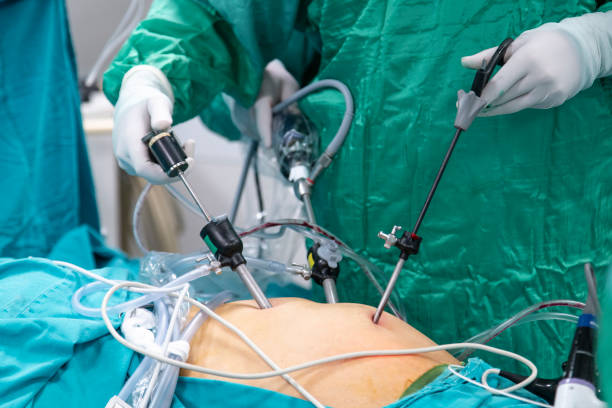
Comparison:
Open surgery requires a larger incision, longer recovery, and an increased risk of complications.
Step 3: Immediate care after surgery
Recovery begins immediately after surgery:
Hospital stay: Most patients go home the same day or after an overnight stay.
Pain management: Mild to moderate pain is common; oral pain medications are usually sufficient.
Wound care: Keep the incision clean and dry; monitor for redness, swelling, or discharge.
Patient story: Sarah, 34, went home the same day and managed her pain with OTC medications, walking short distances until the evening.
Step 4: Pain Management During Laparoscopic Gallbladder Surgery Recovery Time
Symptom Management Roadmap:
Mild Pain: OTC or Prescription Pain Medications
Shoulder Tip Pain: Due to surgical gas; usually resolves in 2-3 days.
Bloating/Indigestion: Eat small, frequent meals.
Diarrhea: Common in the first few weeks; Gradually increase fiber
Tip: Keeping a symptom diary helps identify triggers and guides dietary adjustments.
Verywell Health – Gallbladder Surgery Recovery
Step 5: Gradual Return to Activity
Week 1: Focus on rest and light walking.
Week 2: Gradually increase activity; avoid heavy lifting
Week 3-4: Most patients resume normal home and work activities.
Strenuous activity: Avoid for 2-3 weeks.
Patient story: One of my patient 50 years old a construction worker, returned to light activity in week 2 but waited 3 weeks before heavy lifting to avoid complications.
Step 6: Lifestyle & Diet Changes That Support Laparoscopic Gallbladder Surgery Recovery Time
Recovery from laparoscopic gallbladder surgery isn’t just about the procedure – it also involves smart dietary and lifestyle changes that support healing and long-term digestive health. Making these adjustments before and after surgery can reduce complications, improve comfort, and help you get back to your normal life faster.
Dietary Adjustments
Before Surgery:
Bland, low-fat diet: Reduces gallbladder stimulation and can help reduce pain and inflammation caused by gallstones.
High-fiber foods: Fruits, vegetables, and whole grains promote better digestion and bowel regularity, preparing the intestines for post-surgery recovery.
Hydration: Adequate water intake supports overall metabolism and can reduce constipation or bloating before surgery.
After surgery:
Small, frequent meals: Helps your digestive system adjust to the absence of a gallbladder and reduces bloating or diarrhea.
Gradual reintroduction of fats: Healthy fats (olive oil, avocado, nuts) are better tolerated initially than fried or fatty foods.
Probiotics and fermented foods: Yogurt, kefir, and fermented vegetables support gut microbiome balance, which can be temporarily disrupted after surgery.
Lifestyle adjustments
Physical activity:
- Before surgery: Light walking or stretching helps maintain circulation, which can reduce the risk of blood clots and help you recover faster after surgery.
- After surgery: A light walk in the first few days can help prevent complications like blood clots and improve digestion, while gradually increasing activity helps with muscle strength and overall energy.
Sleep and stress management:
- Before surgery: Adequate sleep and stress-reduction techniques (such as meditation or deep breathing) can boost immune function and reduce surgical anxiety.
- After surgery: Sleep helps tissue repair and recovery, while stress management reduces the chances of digestive upset after surgery.
Avoiding harmful habits:
- Smoking and alcohol can harm healing and should be minimized or avoided before and after surgery.
- Limiting caffeine or very spicy foods early on can also help prevent digestive irritation.
Medical Insight:
These dietary and lifestyle adjustments work together: A fiber-rich, balanced diet improves bowel function, while regular exercise, hydration, and stress management speed recovery and reduce post-surgery discomfort. Patients who adopt these habits before and after surgery often see an easier recovery, fewer complications, and a quicker return to normal life.
Read Here About: Diet Plan for Stone Patients | Foods That Dissolve Stones
Step 7: Monitor for complications
Watch for:
- Persistent or increasing pain
- Fever
- Jaundice (yellowing of the skin/eyes)
- Nausea/vomiting
Patient story: One of my Patient, developed a mild infection at the incision site. Prompt treatment prevented further complications.
Advice: Early intervention improves outcomes and prevents long-term problems.
Step 8: Real-Life Recovery Stories from My Patients
In my clinical practice, I often see that recovery after laparoscopic gallbladder removal looks different for each patient. Here are three examples that reflect the range of experiences:
Case 1: Patient 1– A Quick, Smooth Recovery
One of my patient a 32-year-old teacher, had an uncomplicated surgery. She followed her dietary advice closely, took short walks from day one, and listened to her body. Within two weeks, she felt well enough to return to teaching with only minimal tiredness by the end of the day.
Case 2: Patient 2 – Gradual Return to Physical Work
One of my patient, a 45-year-old construction worker, needed a little more time. While his surgery went smoothly, his job required heavy lifting. He experienced some swelling around his incision site when he tried to do too much too soon. With rest and gradual reintroduction of activity, he was back at work in about 4 weeks without further issues.
Case 3: Patient 3 – Extended Recovery with a Minor Setback
One of my patient, a 50-year-old office manager, developed a mild wound infection about a week after surgery. With antibiotics and careful follow-up, she recovered well but needed about 5 weeks before she was fully comfortable resuming her regular office routine.
Clinical Insight:
From these cases, one thing is clear—recovery is highly individual. Age, type of work, existing health conditions, and how closely patients follow post-surgery advice all make a difference. That’s why I always emphasize the importance of personalized monitoring and guidance rather than comparing your recovery timeline with someone else’s.
Step 9: Long-term changes and life after surgery
Comparison: Life after surgery vs. life before
Before: Frequent abdominal pain, nausea, indigestion.
After: Significant improvement in symptoms; occasional mild diarrhea or bloating
Can we live a normal life?
Yes, most patients resume normal activities, including work, exercise, and social life. Some minor dietary adjustments may be needed initially.
Long-term effects
Post-cholecystectomy syndrome in 10-15% of patients
Mild changes in bile flow affect the digestion of fats.
Problems with absorption of rare nutrients (fat-soluble vitamins)
Life expectancy
Laparoscopic gallbladder removal does not reduce life expectancy. It prevents complications such as inflammation of the gallbladder or pancreatitis.
Read: Causes of Gallstones
Step 10: Laparoscopic Gallbladder Surgery Recovery Time vs. Open Surgery
| Aspect | Laparoscopic Surgery | Open Surgery |
|---|---|---|
| Hospital Stay | Same day or 1 night | 3–5 days |
| Return to Light Activity | 3–5 days | 2–3 weeks |
| Return to Work | 1–2 weeks | 4–6 weeks |
| Pain Level | Mild to moderate | Moderate to severe |
| Scarring | Small incisions | Larger incision |
| Risk of Complications | Lower | Higher |
Clinical Insight: Laparoscopic surgery generally offers faster recovery, less pain, and smaller scars, but open surgery may be necessary for complex cases.
Conclusion
Laparoscopic Gallbladder Surgery Recovery Time varies from patient to patient, but with proper guidance, symptom management, and gradual lifestyle adjustments, most individuals can recover quickly and resume a normal, healthy life. From immediate post-surgery care to long-term dietary changes, understanding each stage of recovery helps patients navigate the challenges with confidence.
Following a 10-step roadmap — which includes pain management, gradual activity, monitoring for complications, and dietary adjustments — ensures a smooth healing and reduces postcholecystectomy complications. Patient journeys show that even those with minor setbacks can make a full recovery and return to work and daily life within weeks.
Long-term outcomes are generally excellent: Most patients experience relief from gallstone-related symptoms, maintain normal digestion with minor adjustments, and see no negative impact on life expectancy. By combining medical guidance, personal awareness, and healthy habits, life after gallbladder removal can be comfortable and fulfilling.
Takeaway: Understanding the recovery time from your laparoscopic gallbladder surgery, following a structured plan, and getting help when needed are key to achieving the best results.
Call to Action
If you or a loved one are preparing for laparoscopic gallbladder surgery, use this 10-step guide as a roadmap, track your recovery, and consult your doctor for personalized care. Share your questions or experiences in the comments below—we’re here to support your journey to better digestive health.
FAQS
Most people don’t experience long-term side effects. The liver continues to produce bile, which flows directly into the small intestine. This can lead to loose stools or diarrhea in some cases, especially after eating fatty foods. This usually resolves over time as your body adjusts, but for a small number of people, it can persist. Eating a high-fiber diet and avoiding fatty foods can help manage these symptoms.
Most people don’t experience long-term side effects. The liver continues to produce bile, which flows directly into the small intestine. This can lead to loose stools or diarrhea in some cases, especially after eating fatty foods. This usually resolves over time as your body adjusts, but for a small number of people, it can persist. Eating a high-fiber diet and avoiding fatty foods can help manage these symptoms.
Yes, but introduce them gradually. Observe your body’s tolerance.
Most people can return to their normal daily activities within a week or two, but a full recovery may take up to 4 to 6 weeks. Recovery is typically much faster for laparoscopic surgery (minimally invasive) compared to open surgery.
Your return to work depends on the type of job you have.
- Desk jobs: Most people with sedentary jobs can return to work within a week.
- Physically demanding jobs: If your job involves heavy lifting or strenuous activity, you’ll likely need to wait 3 to 4 weeks or more before returning.
You should avoid strenuous activities, heavy lifting (anything more than 10-15 pounds), and high-impact exercise for at least 2 to 4 weeks. Light activities like walking are encouraged from the first day.
🧑⚕️ About the Author
Dr. Asif, MBBS, MHPE
Dr. Asif is a licensed medical doctor and qualified medical educationist with a Master’s in Health Professions Education (MHPE) and 18 years of clinical experience. He specializes in gut health and mental wellness. Through his blogs, Dr. Asif shares evidence-based insights to empower readers with practical, trustworthy health information for a better, healthier life.
⚠️ Medical Disclaimer
This blog is intended for educational and informational purposes only. It is not a substitute for professional medical advice, diagnosis, or treatment. Always seek the advice of your physician or another qualified healthcare provider with any questions you may have regarding a medical condition. Never disregard or delay medical advice based on content you read here.
Leave a Reply