

Introduction
Irritable Bowel Syndrome (IBS) is a common gastrointestinal disorder that affects millions of people worldwide. Characterized by symptoms like abdominal pain, bloating, gas, diarrhea, and constipation, IBS can significantly impact your daily life. In fact, Irritable bowel syndrome affects about 11% of the global population, with higher rates in women and those under 40 years old. If you or someone you know struggles with unpredictable gut symptoms, understanding IBS, its triggers, and natural relief strategies can make a world of difference.
What is Irritable Bowel Syndrome ?
Irritable bowel syndrome is a chronic functional gastrointestinal disorder characterized by abdominal pain or discomfort associated with altered bowel habits (diarrhea, constipation, or both), without any structural or biochemical abnormalities on routine examination.
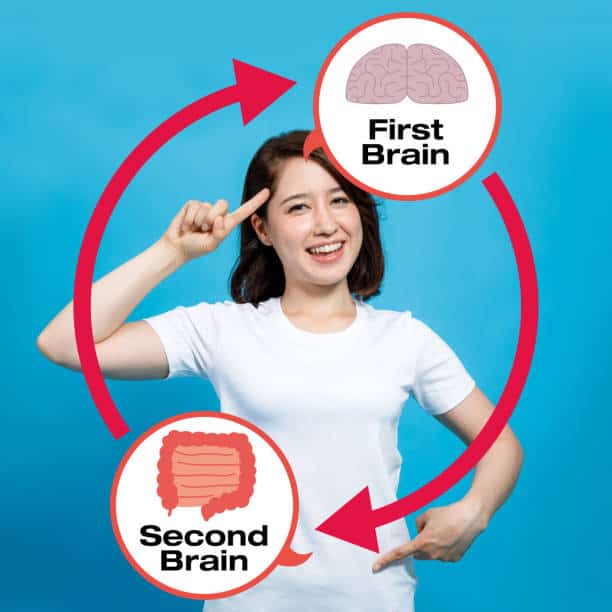
It is part of the disorder of gut-brain interaction (DGBI), meaning that symptoms arise from abnormal communication between the gut, brain, and enteric nervous system rather than from an overt structural disease.
Pathophysiology of IBS (Step by Step)
The pathophysiology of IBS is multifactorial, involving disruption of the gut-brain axis, sensory hypersensitivity, altered motility, microbiota imbalance, immune activation, and psychological factors. Let’s break it down:
1. Gut-brain axis disruption
The gut and brain communicate via the enteric nervous system, the vagus nerve, and neurohormonal pathways.
In IBS, this communication is disorganized, resulting in an exaggerated response to normal gut stimuli.
Example: A small meal may be perceived as bloating and pain due to abnormal signaling.
2. Visceral Hypersensitivity
IBS patients often have a low pain threshold in the intestines.
Normal stimuli (such as gas or stool) are perceived as painful.
Mechanism:
Overactive afferent sensory neurons.
Central sensitization in the spinal cord and brain amplifies pain signals.
3. Altered gastrointestinal motility
IBS is associated with abnormal motility patterns:
- IBS-D (diarrhea-predominant): rapid colonic transit → frequent loose stools.
- IBS-C (constipation-predominant): delayed colonic transit → hard stools.
- IBS-M (mixed): alternating constipation and diarrhea.
Dysmotility is influenced by abnormalities in serotonin (5-HT) signaling in the gut.
4. Gut microbiota dysbiosis
IBS patients show an altered composition of the gut flora:
- Reduced diversity of beneficial bacteria (e.g., Lactobacillus, Bifidobacterium).
- Overgrowth of gas-producing organisms.
- This contributes to bloating, flatulence, and immune activation.
- Post-infectious IBS (post-gastroenteritis) is caused by persistent low-grade inflammation and an imbalance of the microbiota.
5. Immune system and low-grade inflammation
IBS patients often have mild immune activation:
- Increased mast cells, T lymphocytes, and inflammatory cytokines in the colonic mucosa.
- Mast cell mediators (histamine, tryptase) stimulate nearby interneurons → hypersensitivity and pain.
6. Altered serotonin (5-HT) signaling
95% of the body’s serotonin is in the gut.
In IBS:
- IBS-D: Increased serotonin → hypermotility and diarrhea.
- IBS-C: Decreased serotonin → hypomotility and constipation.
7. Food sensitivities and FODMAPs
Certain foods (high in FODMAPs: fermentable oligo-, di-, monosaccharides, and polyols) trigger symptoms.
These poorly absorbed carbohydrates are fermented by gut bacteria → gas, bloating, diarrhea.
8. Psychological factors (stress, anxiety, depression)
Stress worsens IBS via the hypothalamic-pituitary-adrenal (HPA) axis.
Cortisol and stress hormones alter bowel motility, barrier function, and immune function.
High rates of anxiety, depression, and somatization disorder are reported in IBS patients.
Common Symptoms of IBS
- Abdominal pain and cramping (often relieved by bowel movements)
- Bloating and excess gas
- Diarrhea, constipation, or alternating between both
- Changes in stool appearance or frequency
- Mucus in the stool
- A sensation of incomplete evacuation
- Nausea and increased urgency to use the bathroom
Symptoms can vary from person to person and may fluctuate in severity over time.
Common IBS Triggers
Identifying and avoiding personal triggers is key to managing Irritable bowel syndrome. Common triggers include:
Stress and anxiety
High-fat foods
Dairy products
Caffeine and alcohol
Carbonated drinks
Certain fruits and vegetables (like onions, garlic, broccoli, cabbage)
Artificial sweeteners (such as sorbitol and aspartame)

Natural Relief: 10 Proven Tips to Manage IBS and Improve Gut Health Fast
While Irritable bowel syndrome is a chronic condition, many people find significant relief through natural strategies and lifestyle changes. Here are 10 proven tips to help you manage IBS naturally and boost your gut health:
1. Adopt a Low-FODMAP Diet
Reduce foods high in fermentable carbohydrates (FODMAPs) such as certain fruits(Bananas (unripe), blueberries, oranges, kiwi, strawberries, grapes), vegetables(Carrots, zucchini, spinach, eggplant, bell peppers, cucumber), and grains. This diet is clinically proven to reduce bloating, gas, and abdominal pain in many IBS sufferers.
2. Increase Fiber Gradually
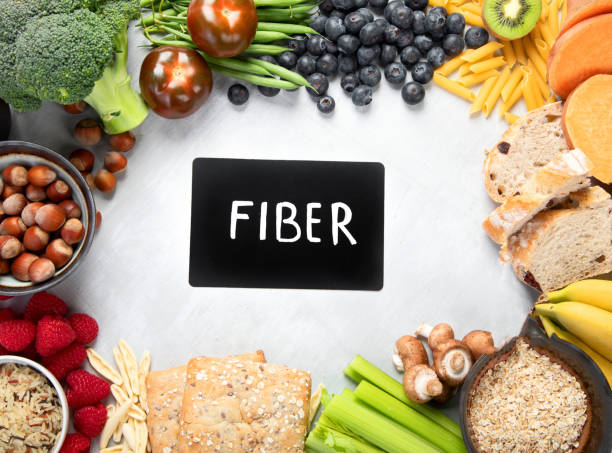
Fiber helps regulate bowel movements, but introduce it slowly to avoid excess gas or cramping. Soluble fiber (found in oats, bananas, and carrots) is often better tolerated than insoluble fiber.
3. Keep a Food Diary
Track what you eat and how you feel. This can help you identify and avoid personal trigger foods
4. Try Probiotics
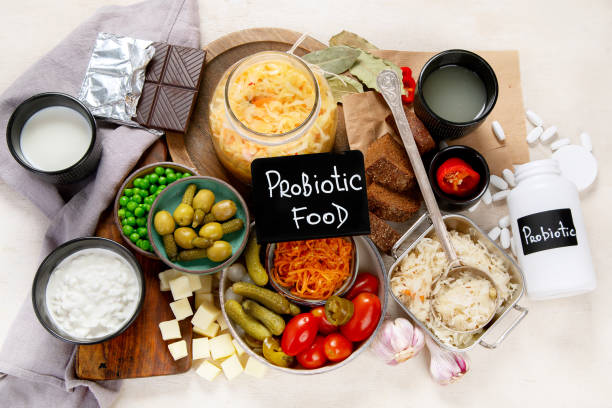
Probiotics are beneficial bacteria that support a healthy gut microbiome. They can help reduce IBS symptoms like bloating and irregularity.
5. Manage Stress
Practice stress-reduction techniques such as yoga, meditation, or deep breathing. Stress is a well-known trigger for IBS symptoms
6. Exercise Regularly
Physical activity helps keep your digestive system moving and reduces stress. Aim for at least 30 minutes of moderate exercise most days
7. Stay Hydrated
Drink plenty of water throughout the day to help prevent constipation and support overall digestive health.
8. Use Herbal Remedies
Peppermint oil capsules can relax intestinal muscles and reduce pain and bloating. Herbal teas like, Chamomile and fennel may also soothe the digestive tract.
9. Prioritize Sleep
Aim for 7-9 hours of quality sleep each night. Good sleep supports gut health and helps manage stress.
10. Apply Heat Therapy
A warm heating pad or hot water bottle on your abdomen can help relax muscles and ease discomfort during flare-ups.
Conclusion
IBS is a complex condition, but with the right knowledge and strategies, you can take control of your symptoms and improve your quality of life. By understanding your triggers, making targeted dietary and lifestyle changes, and using natural remedies, you can manage IBS more effectively and support a healthier gut. If your symptoms are severe or do not improve with these strategies, consult a healthcare professional for personalized advice and to rule out other conditions.
FAQS
There is currently no permanent cure for IBS. However, many people manage their symptoms successfully through diet, lifestyle changes, and stress reduction techniques.
IBS is usually diagnosed based on your symptoms and by ruling out other conditions through tests. Your doctor may use the Rome IV criteria, blood tests, stool tests, or colonoscopy if needed.
Treatment depends on the type and severity of symptoms. It may include diet changes (like the low-FODMAP diet), stress management, probiotics, and sometimes prescription medications such as antispasmodics, laxatives, or antidepressants. A personalized approach works best.
IBS doesn’t have one single cause. It is believed to result from a combination of factors including gut-brain interaction, stress, food sensitivities, gut microbiome imbalance, and abnormal muscle contractions in the intestines.
🧑⚕️ About the Author
Dr. Asif, MBBS, MHPE
Dr. Asif is a licensed medical doctor and qualified medical educationist with a Master’s in Health Professions Education (MHPE) and 18 years of clinical experience. He specializes in gut health and mental wellness. Through his blogs, Dr. Asif shares evidence-based insights to empower readers with practical, trustworthy health information for a better, healthier life.
⚠️ Medical Disclaimer
This blog is intended for educational and informational purposes only. It is not a substitute for professional medical advice, diagnosis, or treatment. Always seek the advice of your physician or another qualified healthcare provider with any questions you may have regarding a medical condition. Never disregard or delay medical advice based on content you read here.
Leave a Reply