

Introduction
Hypothyroidism causes are one of the most common but often misunderstood aspects of thyroid health. As a physician, I often see patients who are frustrated by unexplained fatigue, weight gain, or mood swings only to discover that their thyroid gland is at the root of the problem. Understanding the underlying causes of hypothyroidism is essential, not only for diagnosis but also for effective treatment. In this comprehensive guide, we will explore the medical causes of hypothyroidism, its symptoms, treatment options, and unique insights you won’t find in typical online articles.
In this blog, we’ll explore the hypothyroidism causes, symptoms of hypothyroidism, and treatment options for hypothyroidism, with special focus on why it is more common in females. You’ll also learn about the best vitamins, minerals, and supplements that support thyroid health, along with how hypothyroidism is diagnosed. By the end, you’ll have a clear understanding of this condition and the steps you can take to manage it effectively.
What are the underlying causes of hypothyroidism?
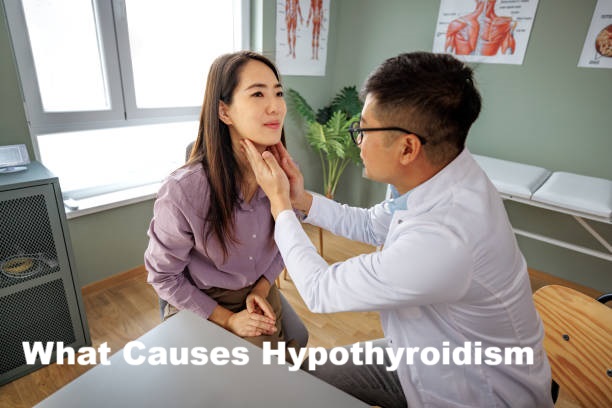
Hypothyroidism causes include autoimmune diseases (such as Hashimoto’s thyroiditis), iodine deficiency, thyroid surgery, radiation therapy, congenital thyroid disorders, and certain medications. The most common cause in developed countries is autoimmune thyroiditis, while iodine deficiency remains the leading cause worldwide. Less common causes include pituitary or hypothalamic disease, which reduces thyroid stimulating hormone (TSH) levels.
Understanding the Thyroid Gland
Before we dive into the specific hypothyroidism causes, it’s important to understand the role of the thyroid gland.
- The thyroid is a butterfly shaped gland in the neck, just below the Adam’s apple.
- It produces two important hormones: thyroxine (T4) and triiodothyronine (T3).
- These hormones control metabolism, heart rate, digestion, and body temperature.
- The production of thyroid hormones is controlled by the pituitary gland, which releases TSH (thyroid-stimulating hormone).
- When this balance is disrupted, hypothyroidism develops.
Causes of Hypothyroidism (Main Types)
Let’s break down the main Hypothyroidism causes into clear categories.
Autoimmune Thyroiditis (Hashimoto’s Disease)
- The most common cause in developed countries.
- The immune system mistakenly attacks thyroid cells.
- The gradual destruction of thyroid tissue reduces hormone production.
- More common in women and often associated with other autoimmune diseases.
Doctor’s Insight: In my practice, I have seen patients who initially presented with mild symptoms such as hair loss or constipation only to be diagnosed with Hashimoto’s later after routine blood work. This highlights the importance of early screening.
Iodine deficiency
- Remains the leading global cause of hypothyroidism, especially in developing countries.
- Iodine is essential for the synthesis of thyroid hormones.
- Both iodine deficiency and overconsumption can cause thyroid dysfunction.
Thyroid surgery or radiation
- Patients who undergo partial or total thyroidectomy often develop hypothyroidism.
- Radiation for head, neck, or breast cancer can damage thyroid tissue.
Drugs that affect thyroid function.
- Amiodarone (used for arrhythmias)
- Lithium (used in bipolar disorder)
- Interferon alpha (used in hepatitis)
Congenital hypothyroidism
Some infants are born with an absent or underdeveloped thyroid gland.
Incidence: ~1 in 2,000–4,000 newborns (CDC).
If left untreated, it can cause intellectual disability and stunted growth.
Read In Detail About: Link to hypothyroidism in children.
Pituitary or hypothalamic disorders
- A rare cause of secondary hypothyroidism.
- Occurs when the pituitary gland fails to produce TSH.
Transient hypothyroidism
Following thyroiditis (inflammation).
Postpartum thyroiditis is a common example, where thyroid function may be overactive, then underactive, before returning to normal.
Risk factors for hypothyroidism
Sex: Women are 5-8 times more likely to have hypothyroidism.
Age: Risk increases after age 50.
Family history: Strong genetic link.
Pregnancy/postpartum: Hormonal shifts can trigger thyroid problems.
Autoimmune conditions: Type 1 diabetes, vitiligo, rheumatoid arthritis.
Symptoms of hypothyroidism
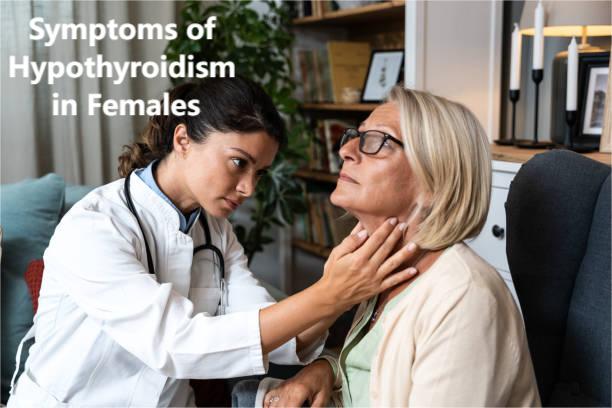
Symptoms of hypothyroidism often develop gradually and can be mistaken for normal aging or stress.
Common symptoms
- Fatigue and lethargy.
- Weight gain despite dietary changes
- Constipation
- Dry skin and brittle nails
- Hair loss or thinning
- Cold intolerance
- Puffy face
Psychological and neurological symptoms
- Depression, low mood
- Poor memory or “brain fog”
- Slow reflexes
Advanced symptoms (untreated cases)
- Hoarseness of voice
- Swelling of the hands, feet, and legs (myxedema)
- Slow heart rate
- In severe cases, myxedema can lead to coma, a medical emergency.
Hypothyroidism in Pregnancy
Hypothyroidism in pregnancy is a major concern because thyroid hormones are essential for the healthy development of both mother and baby. During pregnancy, the body’s demand for thyroid hormones increases, and if the thyroid gland cannot keep up, this can lead to complications.
Hypothyroidism causes in pregnancy often include Hashimoto’s thyroiditis, iodine deficiency, or pre-existing untreated hypothyroidism.
The risks of untreated hypothyroidism can be serious miscarriage, premature birth, preeclampsia, anemia, and even delays in the baby’s brain development. That’s why early diagnosis and treatment are essential.
Hypothyroidism treatment in pregnancy usually involves levothyroxine, with careful monitoring and dosage adjustments throughout pregnancy. Most women with well-managed hypothyroidism can have healthy pregnancies and babies.
For a detailed guide, see my separate blog on treating hypothyroidism in pregnancy

Diagnosis of hypothyroidism
Early and accurate diagnosis is crucial to avoid complications such as heart disease, infertility, and severe fatigue.
Clinical diagnosis
- Doctors start by noting symptoms such as weight gain, constipation, hair loss, and fatigue. However, these symptoms are nonspecific.
Blood tests
- TSH (thyroid-stimulating hormone): Elevated in hypothyroidism.
- Free T4: Usually low in overt hypothyroidism.
- Anti-TPO antibodies: Positive in autoimmune causes (Hashimoto’s).
Imaging
- A thyroid ultrasound may be recommended if nodules or goiter are suspected.
Read In Detail About: [How to Maintain Normal TSH Levels]
Hypothyroidism Treatment Options
While the focus of this blog is on the cause of hypothyroidism, it is important to address how it is treated.
Standard hypothyroidism Treatment – Levothyroxine
- A synthetic form of the T4 hormone.
- Dosage adjusted based on TSH levels.
- Safe and effective when taken consistently.
Lifestyle and Nutritional Support
- Adequate iodine intake (but avoid excess).
- Selenium and zinc support thyroid hormone metabolism.
- Balanced diet and exercise.
Read In Detail About: Iodine-rich foods and
Monitoring and Follow-up
TSH should be tested initially, then every 6-12 weeks annually.
Dosage adjustments may be needed with pregnancy, aging, or changes in medication.
Complications of Untreated Hypothyroidism
- Infertility
- Goiter (enlarged thyroid)
- Heart disease (due to high LDL cholesterol)
- Myxedema coma (rare but life-threatening)
Rare insights from a doctor (what blogs miss)
Many blogs only discuss textbook causes. Here’s what I’ve seen in real patients:
- Subclinical hypothyroidism: Patients have mildly elevated TSH but normal T4. They often feel unwell despite being “borderline.” Early intervention can help.
- Drug interactions: Patients taking proton pump inhibitors (for acid reflux) or iron supplements may not absorb levothyroxine properly. The timing of medications is important.
- Gender effects: In women, hypothyroidism often manifests as heavy menstrual periods or fertility problems the latter of which are often overlooked.
Why is hypothyroidism more common in women?
Hypothyroidism affects women 5 to 8 times more often than men (American Thyroid Association). Several biological and hormonal factors play a role in this gender difference.
The influence of hormones
Fluctuations in estrogen during puberty, pregnancy, and menopause can affect thyroid hormone regulation.
Autoimmune thyroid disorders (such as Hashimoto’s thyroiditis) are significantly more common in women due to a stronger immune response.
Pregnancy and postpartum risk
During pregnancy, the thyroid must produce 50% more thyroid hormone to support the growing fetus.
Postpartum thyroiditis affects about 5-10% of women, sometimes progressing to long-term hypothyroidism.
Genetic predisposition
A family history of thyroid disease, especially in mothers and sisters, increases the risk.
Read in Detail About: [Causes of hypothyroidism in women]
Prevention and Patient Education
- Use iodized salt in daily cooking.
- Get regular screening if you have a family history.
- Pregnant women should have their thyroid function tested early.
- Inform patients about medication adherence – levothyroxine should be taken on an empty stomach.
Best Supplements for Hypothyroidism
While medication (levothyroxine) remains the gold standard treatment, supplements can support thyroid health and reduce symptoms. Always consult your physician before starting any supplement.
Essential Vitamins and Minerals
- Iodine: Key for thyroid hormone production. 👉 Internal Link: [Iodine-Rich Foods]
- Selenium: Supports thyroid hormone conversion (T4 → T3).
- Zinc: Boosts hormone activity and immune support.
- Vitamin D: Low levels are linked to autoimmune thyroid disease.
- Vitamin B12: Often deficient in hypothyroid patients, it causes fatigue.
- Omega-3 fatty acids
Help reduce inflammation in autoimmune thyroiditis.
- Probiotics
- Gut health strongly influences thyroid function, as 20% of the conversion of T4 to T3 occurs in the gut.
Read in Detail About: [Best Vitamins and Minerals for Hypothyroidism]
Conclusion and Call to Action
Hypothyroidism can be caused by anything from autoimmune disease to iodine deficiency, surgery, or rare pituitary disorders. Early recognition of symptoms and seeking timely treatment can dramatically improve quality of life.
As a doctor, my advice is:
- Don’t ignore persistent fatigue, constipation, or weight gain.
- If symptoms match, ask for a thyroid function test.
- Be consistent with treatment and follow-up.
Have questions or personal experiences about hypothyroidism? Share them in the comments below or feel free to reach out for a consultation. Your story may help others on the same journey.
References:
FAQS
Chronic stress does not directly cause it but can worsen autoimmune conditions and affect thyroid balance.
Low thyroid hormones disrupt ovulation, menstrual cycles, and increase miscarriage risk.
In most cases, yes—especially autoimmune and post-surgical cases. But some forms (postpartum or drug-induced) may be temporary.
If left untreated, hypothyroidism can lead to serious complications such as goiter, infertility, heart disease, peripheral neuropathy, and myxedema (a rare but life-threatening condition). In children, it may cause developmental delays and growth problems, while in pregnant women it can increase the risk of miscarriage, preterm birth, and cognitive issues in the baby. Early diagnosis and proper treatment help prevent most complications.
The standard treatment for hypothyroidism is levothyroxine, a synthetic thyroid hormone that restores normal hormone levels in the body. Treatment is lifelong in most cases, with regular blood tests to adjust the dose. Alongside medication, supportive measures like eating a balanced diet, managing stress, and addressing iodine or vitamin deficiencies may help improve overall thyroid health. With consistent treatment, most patients live normal, healthy lives.
Iodine-rich foods (seafood, dairy), selenium (nuts, fish), and zinc (meat, legumes) support thyroid health.
Hashimoto’s thyroiditis, an autoimmune disease, is the leading cause in iodine-sufficient countries.
🧑⚕️ About the Author
Dr. Asif, MBBS, MHPE
Dr. Asif is a medical doctor and medical educationist with expertise in simplifying complex health topics for the general public. With a passion for preventive health and evidence-based writing, he helps readers make informed choices about their well-being.
✅ Medically Reviewed By
Dr. T.G., MBBS, FCPS (Endocrinology)
Associate Professor, Endocrinology Ward, HMC Hospital
With over 20 years of clinical experience in managing endocrine disorders, Dr. T.G. ensures that the content is accurate, reliable, and clinically relevant.
⚠️ Medical Disclaimer
This blog is intended for educational and informational purposes only. It is not a substitute for professional medical advice, diagnosis, or treatment. Always seek the advice of your physician or another qualified healthcare provider with any questions you may have regarding a medical condition. Never disregard or delay medical advice based on content you read here.
Leave a Reply