

Introduction
How to keep your liver healthy is a question I often ask my patients because the liver is a vital organ responsible for many important bodily functions. Maintaining a healthy liver is essential for overall well being and the prevention of chronic diseases. In this comprehensive guide, we’ll explore why liver health matters, common causes of liver damage, prevention strategies, lifestyle changes, and diagnostic tests. We’ll also look at the effects of medications on the liver, vaccines that protect against liver disease, and supplements that support liver function.
Why is liver health important?
The liver is one of the largest and hardest working organs in the body. It performs over 500 essential functions, including:
- Metabolizing nutrients and drugs: It processes nutrients absorbed from the intestine and metabolizes drugs.
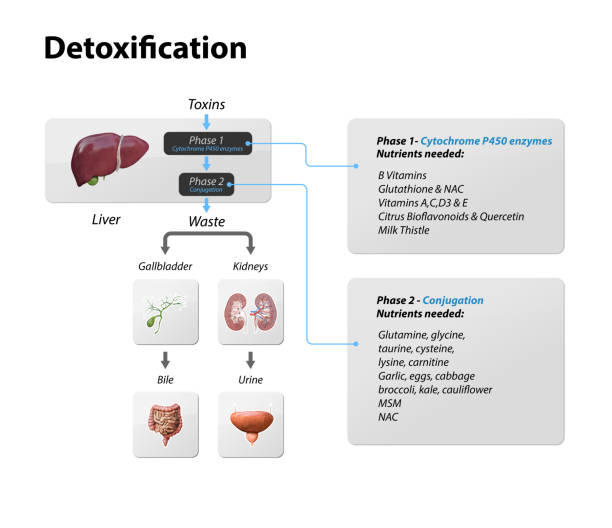
- Detoxification: The liver filters toxins, chemicals, and waste products from the blood.
- Bile production: It produces bile, which helps digest and absorb fats.
- Storage: Stores vitamins, minerals (such as iron), and glycogen for energy.
- Protein synthesis: Produces important proteins such as albumin and clotting factors.
When the liver is unhealthy or damaged, these functions are impaired, leading to serious health problems such as jaundice, bleeding disorders, and metabolic imbalances. Chronic liver disease can progress to cirrhosis, liver failure, or liver cancer.
What causes poor liver health?
Several factors can damage the liver over time:
1. Alcohol consumption
Excessive alcohol consumption is a major cause of liver disease worldwide. Alcohol metabolism produces toxic byproducts that cause inflammation and scarring (fibrosis) of liver tissue, resulting in alcoholic liver disease.
2. Viral hepatitis
Hepatitis B and C viruses cause chronic inflammation of the liver that can progress to cirrhosis or liver cancer if left untreated. According to the WHO, hepatitis B alone affects more than 250 million people worldwide.
3. Non-alcoholic fatty liver disease (NAFLD)
This condition, linked to obesity, diabetes, and metabolic syndrome, involves the accumulation of fat in liver cells without significant alcohol consumption. It is a growing cause of chronic liver disease worldwide.
4. Medications and toxins
Some medications, such as acetaminophen (paracetamol) in high doses, some antibiotics, and herbal supplements, can damage the liver. Exposure to environmental toxins also poses a risk.
5. Autoimmune liver diseases
Conditions such as autoimmune hepatitis, primary biliary cholangitis, and primary sclerosing cholangitis cause immune-mediated liver damage.
6. Genetic disorders
Diseases such as hemochromatosis and Wilson’s disease affect liver metabolism, causing damage.
How to Keep Your Liver Healthy: Effective Prevention Strategies
Limit alcohol intake
Avoid or limit alcohol consumption within recommended guidelines. For men, this usually means no more than 2 standard drinks per day, and for women, 1 drink per day.
Vaccinations
Vaccines are available for hepatitis A and B (Hep b Vaccine Schedule for Adults), which can prevent these viral infections and protect your liver. The CDC recommends vaccination for all adults at risk.
Maintain a healthy weight
Obesity is strongly associated with NAFLD. Losing excess weight through diet and exercise reduces liver fat and inflammation.
Healthy Diet
Eat a balanced diet rich in fruits, vegetables, whole grains, lean protein, and healthy fats. Avoid excess sugar, salt, and saturated fat.
Avoid risky behaviors.
To reduce your risk of hepatitis, avoid sharing needles, practice safe sex, and be careful with tattoos or piercings.
Use medications wisely.
Do not exceed the recommended dosage of medications, especially acetaminophen. Talk to your doctor about any supplements before using them.
Medications and their effects on liver health
Many medications undergo metabolism in the liver. While most are safe when used properly, some can cause liver toxicity:
- Acetaminophen overdose: The most common cause of acute liver failure worldwide. It produces toxic metabolites that damage liver cells.
- Antibiotics and antifungals: Some, such as isoniazid and ketoconazole, can cause liver enzyme elevations or injury.
- Statins: Generally safe but can rarely cause liver damage. Monitoring is advised.
- Herbal supplements: Some natural products contain hepatotoxic compounds. Medical monitoring is important.
Physicians should regularly evaluate liver function when prescribing potentially hepatotoxic medications. Patients should promptly report symptoms such as jaundice, fatigue, or dark urine.
Liver Diseases and Prevention
Viral Hepatitis
Vaccination: The hepatitis B vaccine is highly effective in preventing infection.
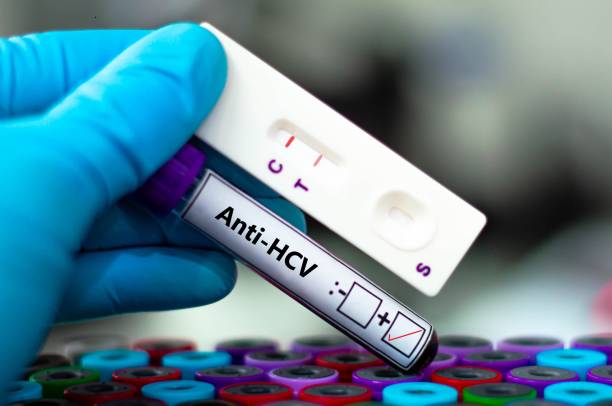
Screening and Treatment: Early diagnosis and antiviral therapy for hepatitis B and C can prevent complications.
Fatty Liver Disease.(Fatty liver disease explained)
Lifestyle Changes: Weight management, exercise, and controlling diabetes reduce the risk of developing it.
Cirrhosis and Liver Cancer
Regular Monitoring: Patients with chronic liver disease need monitoring for early detection of complications of cirrhosis and hepatocellular carcinoma.
Lifestyle changes to keep your liver healthy(Liver Cleansing or how to detox your liver)
When asked how to keep your liver healthy, lifestyle changes play a key role. The liver is resilient but vulnerable to damage from bad habits. By adopting a liver friendly lifestyle, you can support its vital functions, reduce your risk of liver disease, and improve your overall health. Below are key lifestyle changes backed by clinical evidence that you should consider:
1. Maintain a healthy weight
Excess body weight, especially abdominal obesity, is strongly linked to non-alcoholic fatty liver disease (NAFLD), a leading cause of liver damage worldwide. Losing even 5-10 percent of body weight through gradual and consistent efforts can significantly reduce liver fat and inflammation. Combine regular physical activity with dietary changes for best results.
2. Regular physical activity
At least 150 minutes of moderate aerobic exercise per week, such as brisk walking, swimming, or cycling. Exercise improves insulin sensitivity, helps burn liver fat, and reduces inflammation. Strength training 2-3 times a week also supports metabolic health.
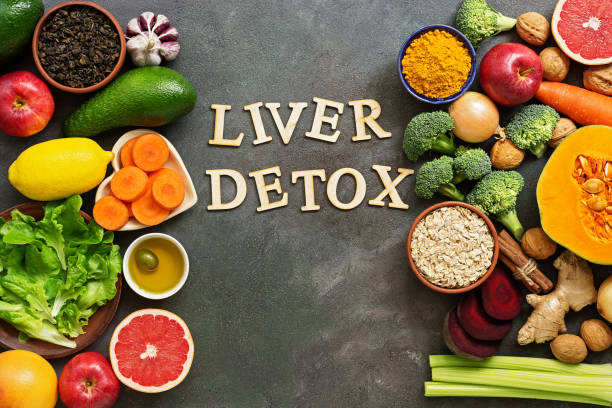
3. A balanced diet that includes liver-friendly foods.
A nutritious diet is essential for maintaining liver health. Focus on:
- Fruits and vegetables: Rich in antioxidants and fiber, they help protect liver cells from damage and improve digestion.
- Whole grains: Brown rice, oats, and quinoa help stabilize blood sugar and reduce fat buildup in the liver.
- Lean proteins: Skinless poultry, fish (especially fatty fish rich in omega-3 fatty acids like salmon and mackerel), legumes, and plant-based proteins support liver repair and function.
- Healthy fats: Include sources of unsaturated fats such as olive oil, avocado, nuts and seeds, which are beneficial for the liver.
- Hydration: Drinking adequate water helps the liver to effectively flush out toxins.
4. Avoid foods for liver health.
Certain foods and substances can stress or damage the liver and should be limited or avoided:
- Excessive alcohol: Alcohol metabolism produces harmful substances that cause inflammation and scarring of the liver. Limit or avoid eating them completely if you have liver risk factors.
- Sugary foods and drinks: High sugar intake, especially fructose and sugary drinks, promote fat accumulation in the liver and worsen NAFLD.
- Refined carbohydrates: White bread, pastries and other processed carbohydrates raise blood sugar and contribute to fatty liver.
- Fried and processed foods: These are high in unhealthy fats that can increase liver inflammation.
- Too much salt: High salt intake can lead to fluid retention and worsen liver conditions like cirrhosis.
5. Avoid toxins.
Minimize exposure to environmental toxins like pesticides, industrial chemicals, and aerosol sprays, which can damage the liver. If exposure is unavoidable, wear protective gear and ensure adequate ventilation indoors.
6. Quit smoking.
Tobacco smoke contains toxins that worsen liver inflammation and increase the risk of liver cancer. Quitting smoking benefits liver health as well as overall health.
7. Manage stress.
Chronic stress can negatively impact immune function and contribute to inflammation. Incorporate relaxation techniques like meditation, yoga, or deep breathing exercises to promote liver health.
8. Sleep hygiene
Aim for 7-8 hours of quality sleep every night. Poor sleep disrupts metabolic processes and can worsen fat accumulation in the liver.
Clinical Insight: How to Keep Your Liver Healthy in Today’s World
According to a 2023 report by the World Gastroenterology Organization, liver diseases are among the leading causes of death worldwide, with NAFLD affecting nearly 25% of the global population. Early intervention through lifestyle changes and medical management is critical to reducing this burden. As a clinician, I emphasize patient education and active liver health monitoring in my practice.
Tests to check liver health
If liver disease is suspected or for routine checkups, doctors may order:
- Liver function tests (LFTs): Measure enzymes (ALT, AST), bilirubin, albumin, and clotting factors to assess liver function.
- Ultrasound or elastography: Imaging to detect fatty liver, fibrosis, or tumors.
- Hepatitis serology: Blood tests to detect viral hepatitis infection.
- FibroScan: Specialized scan to assess liver stiffness that indicates fibrosis or cirrhosis.
- Liver biopsy: Occasionally necessary for a definitive diagnosis.
Regular monitoring can help detect liver damage early and guide treatment.
Supplements That Support Liver Function
Some supplements that support liver function, although evidence varies:
- Milk thistle (silymarin): Has antioxidant properties and may help regenerate liver cells.
- Vitamin E: Used to reduce inflammation in some cases of fatty liver disease.
- Omega-3 fatty acids: May reduce liver fat in NAFLD.
Always consult your doctor before starting supplements to avoid interactions or side effects.
For further reading and authoritative guidelines:
World Health Organization: Hepatitis B Vaccine
American Liver Foundation: Preventing Liver Disease
Conclusion
Maintaining liver health is essential for overall vitality and longevity. By understanding the liver’s important role, recognizing risk factors, adopting a healthy lifestyle, and being vigilant with medical checkups, you can protect this remarkable organ. If you experience symptoms such as jaundice, persistent fatigue, or abdominal pain, seek immediate medical attention. As your doctor, I recommend regular liver function screenings, especially if you have risk factors such as diabetes, obesity, or a history of alcohol abuse.
Your liver works tirelessly for you give it the care it deserves!
FAQS
Chronic stress can negatively impact your entire body, and the liver is no exception. Stress can lead to unhealthy coping mechanisms like poor eating habits and increased alcohol consumption, which directly harm the liver. Managing stress through techniques like meditation, yoga, or spending time in nature is beneficial for both your mind and your liver.
The liver is an amazing self-detoxifying organ. As long as you’re supporting it with a healthy diet and lifestyle, it doesn’t need special “detox” products. In fact, many of these cleanses and supplements are not scientifically proven and some may even be harmful. Consult a doctor before taking any supplements, especially if you have a pre-existing liver condition.
Staying well-hydrated is essential for all bodily functions, including liver health. Water helps the liver flush out toxins and waste products. A general guideline is to drink around 8 glasses (64 ounces) of water per day, but individual needs can vary based on activity level and climate.
To keep your liver healthy, limit or avoid alcohol, sugary drinks, processed foods, fried foods, and excessive salt. These can contribute to inflammation, fat buildup, and liver damage over time.
A liver-friendly diet emphasizes whole, unprocessed foods. Excellent choices include leafy greens (spinach, kale), cruciferous vegetables (broccoli, cauliflower), garlic, grapefruit, berries, and nuts. Healthy fats from sources like avocados and olive oil are also beneficial.
🧑⚕️ About the Author
Dr. Asif, MBBS, MHPE
Dr. Asif is a licensed medical doctor and qualified medical educationist with a Master’s in Health Professions Education (MHPE) and 18 years of clinical experience. He specializes in gut health and mental wellness. Through his blogs, Dr. Asif shares evidence-based insights to empower readers with practical, trustworthy health information for a better, healthier life.
⚠️ Medical Disclaimer
This blog is intended for educational and informational purposes only. It is not a substitute for professional medical advice, diagnosis, or treatment. Always seek the advice of your physician or another qualified healthcare provider with any questions you may have regarding a medical condition. Never disregard or delay medical advice based on content you read here.
Leave a Reply