

Introduction
Hepatitis B symptoms and treatment are topics that concern millions of people around the world, and for good reason. Hepatitis B is more than just a “liver infection” it’s a silent condition that can silently damage the liver for years before showing obvious symptoms. As a licensed physician and medical educator, I often see patients who come to me after the disease has progressed, simply because they didn’t recognize the early warning signs.
Understanding the hepatitis B symptoms,diagnosis of hepatitis b and knowing the available treatment options, can truly be life saving. This blog will guide you through the important aspects of hepatitis B, using simple language, relevant examples, and medically accurate information so that you or your loved ones can make informed decisions about their health.
What are the symptoms and treatment of hepatitis B?
Hepatitis B is a viral infection that affects the liver. Symptoms can range from early, mild symptoms such as fatigue, nausea, and loss of appetite to more serious features such as jaundice (yellow skin and eyes), dark urine, and abdominal pain. Many people may not show symptoms, which is why screening is important. Treatment depends on whether the infection is acute (short-term) or chronic (long-term). Acute cases often resolve on their own with rest, hydration, and supportive care. Chronic hepatitis B may require antiviral medications such as tenofovir or entecavir to reduce liver damage and prevent complications such as cirrhosis or liver cancer. Vaccination is the most effective way to prevent infection.
What is hepatitis B?
Hepatitis B is a viral infection that attacks the liver, caused by the hepatitis B virus (HBV). It can present as an acute infection, lasting a few weeks to months, or it can become chronic, lasting for years or a lifetime.
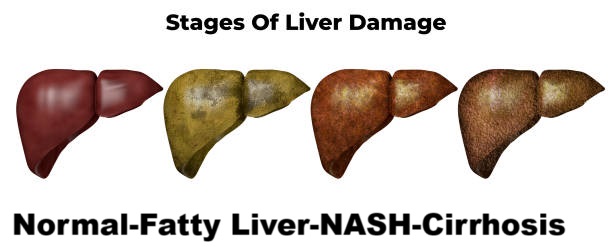
To make this easier to picture: Think of your liver as your body’s “filter.” It cleans your blood, processes nutrients, and removes toxins. When hepatitis B attacks, it inflames this filter, making it less effective. Over time, inflammation can cause scarring (fibrosis), hardening (cirrhosis), and even cancer.
According to the World Health Organization (WHO), about 296 million people worldwide are living with chronic hepatitis B, and about 820,000 deaths occur each year due to related complications such as cirrhosis and liver cancer [WHO, 2024].
Hepatitis B Symptoms
Hepatitis B symptoms can be tricky to spot sometimes they are very obvious, but often they are so subtle that patients ignore them until complications develop. Below, I have broken them down into early symptoms, advanced symptoms, and chronic symptoms.
Early Hepatitis B symptoms
These usually appear 1-4 months after infection (the incubation period). However, some people never experience them.
- Fatigue and weakness – Feeling unusually tired even after rest.
- Loss of appetite – Food doesn’t taste good, or patients feel full too quickly.
- Nausea and vomiting – Similar to stomach bugs but can last for days.
- Fever – Low-grade fever with no apparent cause.
- Joint pain or body aches – Some patients describe this as flu like symptoms.
Doctor’s Note: In my clinical experience, these early symptoms are often dismissed as “just stress” or “seasonal flu,” which delays diagnosis.
Read in Detail About: [Early Symptoms of Hepatitis B]
Advanced hepatitis B symptoms
More noticeable symptoms appear when the virus begins to significantly affect the liver:
- Jaundice – yellowing of the skin and eyes due to a buildup of bilirubin.
- Dark urine – often compared to the color of cola or tea.
- Clay-colored stools – yellow or gray stools due to bile flow.
- Abdominal pain – usually in the upper right side, where the liver is located.
- Itchy skin – due to bile salt deposits under the skin.
Chronic hepatitis B symptoms
If the infection becomes chronic, symptoms may remain mild for years until serious liver damage occurs. Patients may experience:
- Persistent fatigue – ongoing weakness that does not go away with rest.
- Swelling in the abdomen (belly) – fluid buildup due to liver failure.
- Easy bruising or bleeding – because the liver produces clotting proteins.
- Swelling (edema) in the legs and ankles – due to poor liver function.
- Confusion or memory problems (hepatic encephalopathy) – when toxins build up in the brain.
According to a CDC report, about 2 out of 3 people with chronic hepatitis B do not show any symptoms until serious liver damage occurs [CDC, 2023].
Diagnosis of hepatitis B
The diagnosis of hepatitis B includes the following tests:
Common Tests
HBsAg (Hepatitis B surface antigen): shows current infection.
Anti-HBs: indicates immunity (after recovery or vaccination).
HBV DNA: measures viral load.
Liver function tests: check enzyme levels.
Ultrasound or FibroScan: evaluate liver damage.
Liver biopsy: rarely needed, for severe cases.
Mayo Clinic – Hepatitis B Diagnosis & Treatment
Hepatitis B treatment
Acute hepatitis B
Most people recover without medication.
- Supportive care includes rest, fluids, and a healthy diet.
- Close monitoring of liver function.
Chronic hepatitis B
Treatment focuses on controlling the virus and preventing complications:
- Antiviral drugs such as tenofovir or enkephalin.
- Regular monitoring with blood tests and imaging.
- Liver transplant in case of severe liver failure.
Doctor’s note: Not every patient with chronic hepatitis B needs immediate treatment. The decision depends on viral load, liver health, and risk factors.
Complications of untreated hepatitis B
Complications of untreated hepatitis B are:
- Cirrhosis (liver scarring)
- Liver cancer (hepatocellular carcinoma)
- Liver failure
- Kidney disease and blood vessel problems
Preventing hepatitis B transmission
- Get vaccinated (most effective).
- Practice safe sex (use condoms).
- Avoid sharing needles, syringes, or razors.
- Screen blood products.
- Pregnant women should get HBV screening.
- Health care workers should follow standard precautions.
Hepatitis B Vaccine: Your Best Defense
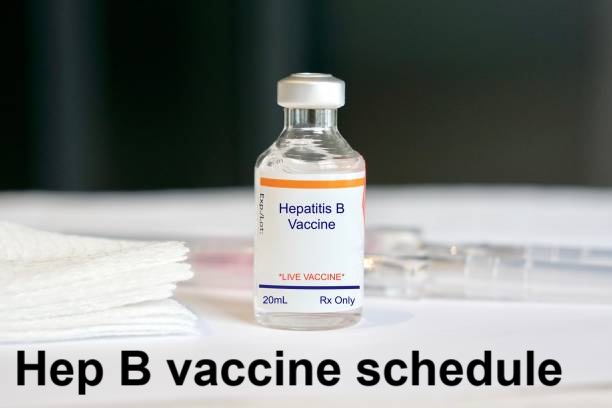
- The hepatitis B vaccine is safe, effective, and provides lifelong protection for most people.
- It is given in 2-3 doses on a schedule.
- Recommended for all newborns, unvaccinated adults, and high-risk individuals.
Read in Detail About: [Hepatitis B Vaccine Schedule for Adults] and [Hepatitis B Booster for Adults]
Living with Hepatitis B: Lifestyle and Self-Care
- Eat a balanced, liver friendly diet (low fat, high fiber).
- Avoid alcohol and unnecessary medications that put stress on the liver.
- Stay physically active to maintain general health.
- Have regular follow up checkups with your doctor.
- Seek support from counseling or patient groups if needed.
Read in Detail About: [Liver Cleanse Diet Plan]
Myths vs Facts About Hepatitis B
Myth: Hepatitis B spreads through casual contact like hugging or sharing food.
Fact: It only spreads through infected blood and body fluids.Myth: If you feel fine, you don’t need treatment.
Fact: Many patients feel healthy while the virus damages their liver silently.Myth: Hepatitis B can be cured with home remedies.
Fact: Only medical treatment can suppress the virus and prevent complications.
How is hepatitis B spread (transmission)
Hepatitis B is spread when infected blood or body fluids enter another person’s body.
Common ways of transmission
- Unprotected sex with an infected partner.
- Sharing contaminated needles or syringes.
- Mother to child transmission during childbirth.
- Direct contact with open wounds or blood.
- Sharing razors, toothbrushes, or nail clippers contaminated with blood.
- Blood transfusions or organ transplants (rare today due to strict screening).
Read in Detail About: [Can Hepatitis B Be Spread Through Saliva?]
Who is at risk?
- Health care workers exposed to blood.
- People on long term dialysis.
- People with multiple sexual partners.
- Babies born to HBV positive mothers.
- People traveling to areas with high prevalence.

Prognosis and Outlook
- Acute Hepatitis B: Most people make a full recovery.
- Chronic Hepatitis B: With appropriate treatment and lifestyle care, patients can lead normal lives.
Regular monitoring is key to preventing complications such as cirrhosis or cancer.
Can hepatitis B be cured permanently?
One of the most common questions patients ask me is, “Can hepatitis B be cured permanently?” The honest answer is that while hepatitis B cannot yet be completely eliminated from the body, modern treatments can suppress the virus to very low or undetectable levels, protecting the liver and preventing complications.
In acute hepatitis B, most healthy adults recover completely within 6 months and develop lifelong immunity. However, in chronic hepatitis B, the virus usually remains in the body. Antiviral drugs such as tenofovir and entecavir help control the infection, reduce the risk of liver damage, and improve long-term survival.
Research is ongoing, and new treatments such as immune modulating therapies are showing promise as an active cure in the future. Until then, vaccination, early detection, and regular surveillance remain the most powerful weapons in the fight against hepatitis B.
Read in Detail About: [Can Hepatitis B Be Cured Permanently]
Conclusion
Hepatitis B is one of the most worrisome global health concerns, but the good news is that it is both preventable and manageable. Understanding the symptoms and treatment options gives you the power to take control of your health. Early testing, vaccination, and timely medical care can protect your liver from long-term complications such as cirrhosis and liver cancer.
As a physician, I often remind my patients: Hepatitis B is not just a diagnosis, it is a journey where awareness, prevention, and consistent medical follow up can make all the difference. With the right lifestyle, treatment, and professional guidance, people living with hepatitis B can enjoy long, healthy, and fulfilling lives.
Call to Action (CTA)
If you found this article helpful, I’d love to hear from you. Leave your questions or experiences in the comments below, and let’s help each other raise awareness about liver health.
If you’re concerned about hepatitis b symptoms or risks, don’t wait see your doctor today. Your liver will thank you.
FAQS
Yes, it prevents infection in more than 95% of cases.
Yes, the vaccine is safe and often recommended to protect both mother and baby.
Avoid alcohol, fried foods, red meat excess, and processed sugar.
🧑⚕️ About the Author
Dr. Asif, MBBS, MHPE
Dr. Asif is a licensed medical doctor and qualified medical educationist with a Master’s in Health Professions Education (MHPE) and 18 years of clinical experience. He specializes in gut health and mental wellness. Through his blogs, Dr. Asif shares evidence-based insights to empower readers with practical, trustworthy health information for a better, healthier life.
⚠️ Medical Disclaimer
This blog is intended for educational and informational purposes only. It is not a substitute for professional medical advice, diagnosis, or treatment. Always seek the advice of your physician or another qualified healthcare provider with any questions you may have regarding a medical condition. Never disregard or delay medical advice based on content you read here.
Leave a Reply