

Introduction
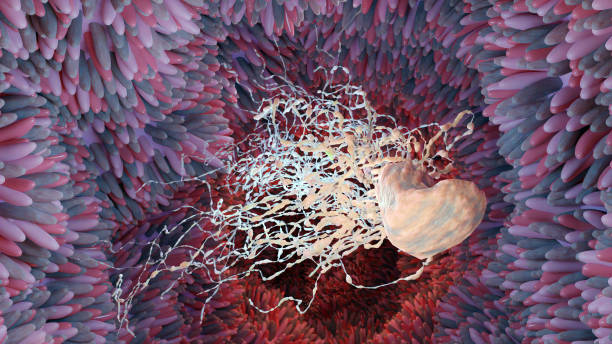
H pylori infection is one of the most common bacterial infections worldwide, affecting about half of the global population. As a doctor, I see many patients who are concerned about persistent stomach pain, heartburn, or indigestion often without realizing that a small spiral-shaped bacterium could be the hidden cause.
It is important to understand Helicobacter pylori infection because it often causes no symptoms, and in some cases, if left untreated, it can lead to gastritis, ulcers, or stomach cancer. The good news is that with proper diagnosis and treatment, most patients make a full recovery.
In this blog, I will share with you 10 important facts about Helicobacter pylori(h pylori) infection, including its causes, symptoms, diagnosis, treatment, dietary recommendations, and prevention strategies. My goal is to explain everything in a clear, patient friendly way, while also reflecting my clinical experience.
What is H pylori infection?
H pylori infection is caused by a bacterium called Helicobacter pylori that lives in the lining of the stomach. It is very common and is often spread through close contact, such as contaminated food, water, or saliva. Many people with H. pylori never develop symptoms, but in some, it increases the risk of stomach inflammation (gastritis), ulcers, or stomach cancer. The infection is usually diagnosed with a breath test, stool test, or endoscopy. Treatment includes antibiotics and acid-suppressing medications. With proper care, most people make a full recovery.
1. Overview of H. pylori infection
H. pylori is a spiral-shaped bacterium that lives in the mucous layer of the stomach. It was first discovered in 1982 by Australian scientists Barry Marshall and Robin Warren, who later won the Nobel Prize. Before that, doctors believed that ulcers were mainly caused by stress or spicy foods.
Today, we know that H pylori infection is the leading cause of peptic ulcers and a significant risk factor for gastric cancer.
Statistical fact: According to the World Health Organization (WHO), more than 50% of people worldwide are infected with H. pylori, but only 10-20% develop clinical disease. [WHO]
2. How is H. pylori spread?
Transmission routes:
- From person to person through saliva or vomit
- Contaminated food and water
- Poor sanitation and overcrowding
Clinical insight In my practice, I have seen multiple family members test positive for H. pylori infection especially in households that share food and utensils. This shows how easily it spreads among close contacts.
3. Symptoms of H pylori infection
Many people never experience symptoms. When they do appear, they often mimic simple indigestion.
Common symptoms include:
- Heartburn
- Bloating
- Frequent heartburn
- Nausea or vomiting
- Loss of appetite
- Unexplained weight loss
Read Detail about: H. pylori Symptoms and Treatment blog
Rare but serious symptoms may include black stools or vomiting blood, which require immediate medical attention.
4. Complications: When H. pylori becomes dangerous.
Although most infections remain silent, untreated H pylori infection can lead to serious complications:
- Gastritis (stomach inflammation)
- Peptic ulcers (sores in the stomach or duodenum)
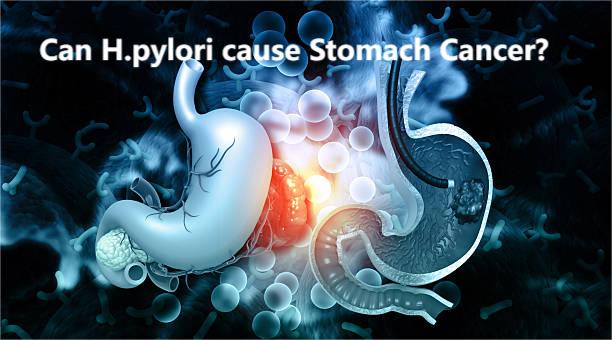
- Stomach cancer – H. pylori is classified by the WHO as a Group 1 carcinogen.
- MALT lymphoma – a rare stomach cancer associated with chronic infection.
Read in detail: H pylori and stomach cancer
Statistical fact: The CDC notes that people infected with H. pylori have a 6-fold increased risk of developing gastric cancer.
5. How is H. pylori diagnosed?
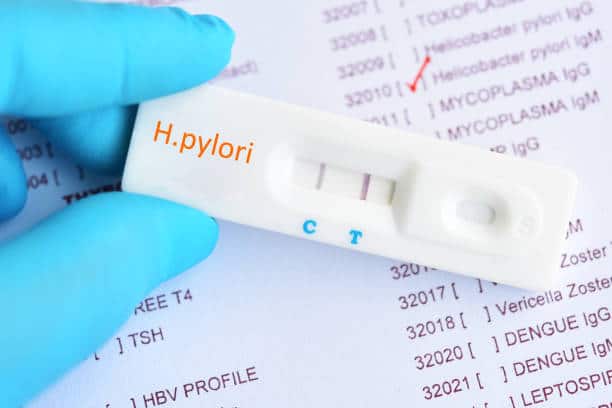
Tests doctors use:
- Urea breath test (non-invasive, highly accurate)
- Stool antigen test (detects bacterial proteins)
- Endoscopy with biopsy (for complex cases)
- Blood antibody test (less reliable, not for active infection)
Clinical insight: I generally recommend the urea breath test as the first-line diagnostic method for most patients, because it is simple and accurate.
6. Treatment of H pylori infection
The standard treatment is called triple therapy:
- Two antibiotics (for example, clarithromycin + amoxicillin or metronidazole)
- An acid-suppressing drug (PPI such as omeprazole)
Treatment usually lasts 10-14 days.
Quadruple Therapy
Recommended in areas with antibiotic resistance or after treatment failure, includes:
Two antibiotics
PPI
Bismuth subsalicylate
Challenges in treatment
- Increasing antibiotic resistance
- Side effects (diarrhea, metallic taste, nausea)
- Incomplete adherence (patients stopping the drug too early)
Read in details about: H. pylori Antibiotics Side Effects
7. Diet plan during H pylori infection treatment
Diet can help with recovery but alone cannot cure the infection.
Helpful foods:
- Probiotics (yogurt, kefir)
- High fiber fruits and vegetables
- Green tea and broccoli sprouts (contain anti H. pylori compounds)
Foods to avoid:
- Spicy, fried, or acidic foods
- Alcohol and coffee
- Processed meats
Read in detail about: Diet plan during H. pylori treatment
Clinical tip I tell patients to think of their stomach as a healing wound bland, comforting foods help, while the irritation slows down.

8. Asymptomatic H. pylori – Silent Infection
Not every patient with H. pylori infection shows symptoms. In fact, most cases are silent.
- Asymptomatic carriers can still spread the infection.
- Some are discovered incidentally during tests for unrelated conditions.
Read in detail about: Should i treat Asymptomatic H. pylori
Clinical Perspective: I often see patients who have no stomach complaints but whose routine endoscopy reveals H. pylori.
9. Preventing H pylori Infection
Simple steps:
- Wash hands thoroughly.
- Eat clean, well cooked food.
- Drink safe water.
- Avoid sharing utensils in high prevalence areas.
Public Health Note: Helicobacter pylori infection rates are very low in communities with good sanitation.
10. What Happens If You Don’t Treat Helicobacter pylori (h pylori) Infection?
Leaving H. pylori infection untreated can have serious long term consequences. The bacteria continue to damage the stomach lining, leading to chronic gastritis and a higher risk of stomach ulcers. In some cases, untreated infection has also been linked to stomach cancer.
That’s why timely diagnosis and treatment are so important. If you want to learn more, check out my detailed guide on stomach cancer and its risk factors.
Ignoring persistent stomach pain, bloating, or acidity is never safe always consult a doctor for proper evaluation and care.
Conclusion: Taking Charge of H pylori Infection
H pylori infection may be one of the most common stomach problems worldwide, but the good news is that it’s also one of the most treatable. From understanding its causes and symptoms to getting the right diagnosis and treatment, every step you take helps protect your stomach health and reduce your risk of ulcers or cancer.
As a doctor, I remind my patients that small lifestyle changes eating a balanced diet, practicing good hygiene, and following prescribed treatments can make a big difference in recovery. Remember, ignoring persistent stomach pain or heartburn is never a solution. Prompt medical care can protect you from long term complications.
Call to Action
If you’re struggling with persistent indigestion, heartburn, or stomach pain, don’t ignore it it could be more than just “gas” or heartburn. H. pylori infection is common, but with timely diagnosis and treatment, it can be completely cured.
I’d love to hear your experiences have you or someone you know dealt with an H. pylori infection? Share your thoughts in the comments below.
And if you suspect you have symptoms, please see a qualified doctor for proper diagnosis and care. Your stomach health is worth it.
FAQS
No, diet alone cannot cure H. pylori infection. Antibiotics are necessary to eradicate the bacteria. However, diet plays an important supportive role during treatment. Eating probiotics, fiber-rich foods, and anti-inflammatory ingredients like green tea or broccoli sprouts can help soothe symptoms and support gut healing. Avoiding spicy foods, alcohol, and caffeine also reduces stomach irritation. Think of diet as a partner to treatment—it won’t replace antibiotics, but it can improve comfort and recovery.
No, H. pylori infection rarely goes away without treatment. In most cases, the bacteria persist in the stomach for years if untreated. While some people never develop symptoms, the infection can silently cause damage to the stomach lining, leading to ulcers or even cancer. That’s why it’s important to consult a doctor if you have persistent digestive issues or if you test positive. With proper antibiotics and acid-reducing medications, the infection can be completely eradicated.
Treatment usually lasts 10 to 14 days, depending on the antibiotics prescribed. Doctors typically use triple or quadruple therapy to eliminate the infection. It’s very important to take all medicines as directed and not stop early, even if you feel better. Stopping treatment prematurely may lead to antibiotic resistance and treatment failure. After completing the course, a follow-up test is often recommended 4–6 weeks later to confirm the infection is fully cleared.
Yes, H. pylori can spread from person to person, especially through saliva, vomit, or contaminated food and water. Close family members often test positive if one person is infected. That’s why maintaining good hygiene, washing hands regularly, and avoiding sharing eating utensils in high-risk settings are important. Although contagious, it’s not as easily spread as a cold or flu. Most people acquire the infection during childhood in areas with poor sanitation.
If left untreated, H. pylori infection can cause chronic gastritis, stomach or duodenal ulcers, and in some cases increase the risk of gastric cancer or lymphoma. Not everyone will develop complications, but those who do may experience severe pain, bleeding, or even life-threatening issues. According to the CDC, people with H. pylori are several times more likely to develop stomach cancer. That’s why timely diagnosis and treatment are crucial, even if symptoms seem mild at first.
🧑⚕️ About the Author
Dr. Asif, MBBS, MHPE
Dr. Asif is a licensed medical doctor and qualified medical educationist with a Master’s in Health Professions Education (MHPE) and 18 years of clinical experience. He specializes in gut health and mental wellness. Through his blogs, Dr. Asif shares evidence-based insights to empower readers with practical, trustworthy health information for a better, healthier life.
⚠️ Medical Disclaimer
This blog is intended for educational and informational purposes only. It is not a substitute for professional medical advice, diagnosis, or treatment. Always seek the advice of your physician or another qualified healthcare provider with any questions you may have regarding a medical condition. Never disregard or delay medical advice based on content you read here.
Leave a Reply