

Introduction
Gallbladder stones symptoms causes and treatment are topics that affect millions of people worldwide. Let me share an example from my own clinical practice. Mrs. S., a 45-year-old teacher, came to me with repeated episodes of abdominal pain after eating fried foods. She described it as “stab-like pain under the ribs, radiating to the back.” After a simple ultrasound, we confirmed gallstones as the culprit.
Such stories are common. Gallstones affect nearly 10–15% of adults worldwide (WHO estimate). What’s concerning is that many people don’t realize they have them until painful symptoms or dangerous complications develop. If left untreated, gallstones can progress from mild discomfort to life-threatening conditions.
This blog will guide you step by step through the causes of gallstones, symptoms, complications of gallstones, and treatment options for gallstones. The content is written in simple, patient friendly language, but backed by medical evidence and my own experience as a doctor so you can trust the information.
What are gallstones?
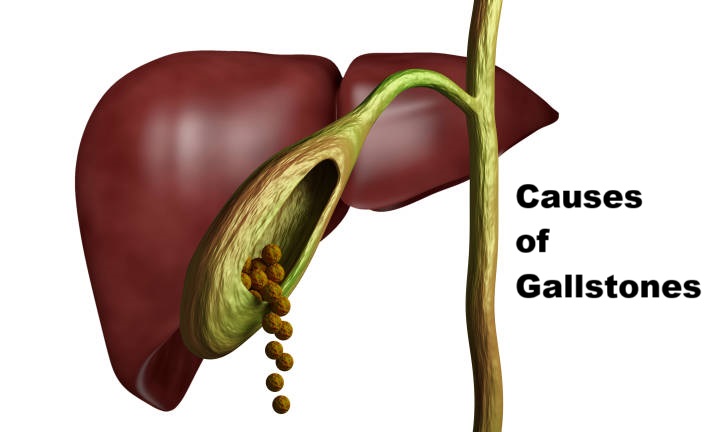
The gallbladder is a small, pear shaped organ located under the liver. It stores and releases bile a digestive fluid that helps break down fats.
Gallstones (gallstones) are solid particles that form inside the gallbladder when bile contains too much cholesterol, bilirubin, or bile salts.
Types of stones:
- Cholesterol stones – most common (80%).
- Pigment stones – made of bilirubin, often associated with liver disease or infection.
- Mixed stones – a combination of both.
Global prevalence:
- About 20 million Americans have gallstones (CDC data).
- More common in women, especially after pregnancy.
- Risk increases with age, obesity, and family history.
Key Symptoms of Gallbladder Stones
Not all gallstones cause problems. In fact, about 70-80% are asymptomatic (silent stones). But when symptoms do occur, they can be bothersome.
Classic Symptoms of gallbladder stones:
- Biliary Colic: Sudden, severe pain in the upper right abdomen, often after a heavy meal.
- Pain radiating to the shoulder or back.
- Nausea, vomiting, bloating, indigestion.
Red Flag Symptoms of gallbladder stones (Needing Immediate Care):
- Jaundice (yellow skin/eyes).
- Fever with chills → may suggest infection (cholangitis).
- Persistent severe abdominal pain.
Clinical Example: One of my patients experienced severe abdominal pain after eating fried food at a wedding dinner. Ultrasound confirmed a gallstone blocking the bile duct.
Gallbladder stones symptoms causes and treatment: main causes and risk factors
Stones form when there is an imbalance in bile chemistry.
Main Causes of gallstones: [Causes of gallstones]
Stones don’t form overnight. They develop slowly when bile a fluid made up of water, cholesterol, bile salts, and bilirubin becomes unbalanced. Normally, bile remains liquid, but when one component becomes too concentrated, crystals begin to form. Over time, these crystals form stones.
1. Excess cholesterol in bile
The most common in causes of gallstones.
- When bile contains too much cholesterol, it becomes supersaturated.
- Cholesterol begins to form stones instead of dissolving.
Example: A diet rich in fatty foods or obesity increases cholesterol levels in bile.
2. Too much bilirubin
Bilirubin is a yellow pigment produced when red blood cells break down.
Conditions such as cirrhosis of the liver, bile duct infection, or blood disorders (such as sickle cell anemia) cause high bilirubin.
Excess bilirubin thickens bile, encouraging the formation of pigment stones.
3. Gallbladder congestion (improper emptying)
- The gallbladder normally squeezes bile during meals.
- If it cannot empty properly, bile stagnates → crystals accumulate and form stones.
- This often occurs with prolonged fasting, rapid weight loss, or pregnancy.
4. Age and gender factors
Age and Gender play a vital role in causes of gallstones.
- Age: The risk of stones increases with age. By age 60, 1 in 3 women and 1 in 5 men may have stones (NIH data).
- Gender: Estrogen increases the secretion of cholesterol into bile. Women, especially during pregnancy or hormone therapy, are at higher risk.
5. Obesity and metabolic syndrome
- Excess body weight increases cholesterol production.
- Insulin resistance in diabetes also changes the composition of bile.
6. Family history and genetics
- Family history and genetics also play a key role in causes of gallstones.
- If your parents had gallstones, your risk is significantly higher.
- Genetic factors are associated with a higher prevalence in certain ethnic groups (Native Americans, Hispanics).
7. Rapid weight loss or crash diets
- Losing weight too quickly causes the liver to excrete excess cholesterol into the bile.
- At the same time, the contractions of the gallbladder slow down → gallstones form.
In short: Gallstones form when bile becomes “too thick” with cholesterol or bilirubin, or when the gallbladder fails to effectively excrete bile.
Risk factors (“4 Fs” doctors often mention):
- Females – hormonal influences.
- Forties – common after age 40.
- Fat – obesity and a high-fat diet.
- Fertile – pregnancy increases the risk.
Other factors: diabetes, rapid weight loss, family history, sedentary lifestyle.
Statistics: A Mayo Clinic study shows that obese women are 2–3 times more likely to develop gallstones than non-obese women.
[Diet plan for gallstone patients], [Foods that dissolve gallstones]
How are gallstones diagnosed?
1. Ultrasound – Gold Standard; detects stones and gallbladder wall thickening.
2. Blood tests – Liver function tests, CBC, bilirubin.
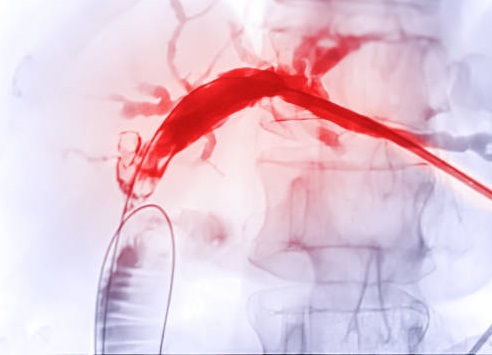
3. ERCP (Endoscopic Retrograde Cholangiopancreatography) – Both diagnostic and therapeutic.
4. MRCP (Magnetic Resonance Cholangiopancreatography) – Non-invasive imaging of the bile ducts.
Unique Insight: Many gallstones are discovered incidentally during routine ultrasound scans for other problems. Some patients only realize they have them years later.
Gallbladder stones symptoms causes and treatment: Possible Treatment Options
Treatment depends on symptoms and stone size.
1. Watchful waiting
- For asymptomatic stones.
- Regular monitoring with ultrasound.
2. Medications
- Ursodeoxycholic acid (Ursodiol) – dissolves small cholesterol stones.
- Dosage: 8-10 mg/kg/day (usually for 6-12 months).
- Works only for certain stones; high recurrence after stopping.
(Medicine that dissolve Gallbladder stones)
3. Nonsurgical options
- Extracorporeal Shock Wave Lithotripsy (ESWL) – rarely used.
- Endoscopic removal (ERCP) – for stones in the bile ducts.
4. Surgery (cholecystectomy)
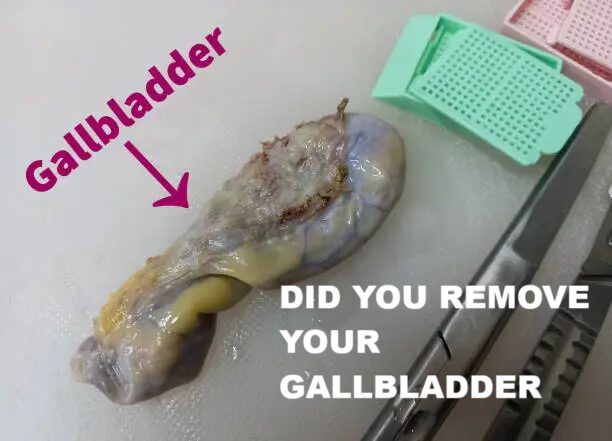
- Laparoscopic cholecystectomy (minimally invasive, gold standard).
- Open surgery for complex cases. Short recovery time, safe in most patients.
[Recovery time from laparoscopic gallbladder surgery]
PubMed: Gallstone treatment strategies
What are the possible complications of gallstones?
Gallstones can be silent, but once they block the flow of bile, complications of gallstones arise. The mechanism is simple but dangerous: A stone can slip out of the gallbladder and get stuck in the ducts, which can cause pain, infection, or organ damage.
Let’s break them down:
1. Acute Cholecystitis (inflammation of the gallbladder)
Acute Cholecystitis is the most common among complications of gallstones.
- How it happens: A stone blocks the cystic duct (the outlet for bile). Bile gets stuck inside → pressure builds up → gallbladder wall swells → inflammation.
- Symptoms: Severe, constant pain in the upper right abdomen, fever, nausea.
- Danger: Without prompt treatment, gallbladder infection and even gangrene can occur.
2. Choledocholithiasis (stones in the bile ducts)
- How it happens: A stone passes from the gallbladder and gets stuck in the common bile duct. Bile flow is blocked → bile backs up into the liver → jaundice occurs.
- Symptoms: Yellow eyes/skin, dark urine, pale stools, severe pain.
- Complication: Cholangitis (a life-threatening infection) can occur if bacteria infect the blocked bile.
3. Acute pancreatitis
- How it happens: A stone gets stuck where the bile duct and pancreatic duct meet. It blocks the flow of pancreatic enzymes → the enzymes are “digested” by the pancreas itself.
- Symptoms: Sudden, severe pain in the upper abdomen, radiating to the back, vomiting.
- Danger: Can be life-threatening if left untreated. The WHO estimates that 40% of pancreatitis cases worldwide are caused by gallstones.
4. Gallbladder perforation
- How it happens: If cholecystitis is left untreated, pressure and infection can cause the gallbladder wall to rupture.Leakage of bile and infection into the abdominal cavity → peritonitis (a life-threatening infection of the abdomen).
- Symptoms: Sudden worsening of pain, severe tenderness, shock.
5. Gallbladder cancer (rare but serious)
- Long-standing, untreated gallstones irritate the gallbladder wall.
- Chronic inflammation over years can lead to gallbladder cancer.
- While rare, 80% of gallbladder cancer patients have a history of gallstones (PubMed data).
- Symptoms: unexplained weight loss, persistent pain, jaundice often late in the disease.
Summary of complications:
- Stones block the bile ducts → causing pain.
- If the blockage persists → risk of infection, organ inflammation, or cancer.
- Prompt diagnosis and treatment prevents these outcomes.
Life after gallbladder removal (cholecystectomy)
After surgery, most patients lead normal, healthy lives.
Common recovery experiences:
- Mild diarrhea or bloating in the first few weeks.
- Occasional indigestion with fatty foods.
- Rare condition: Post Cholecystectomy Syndrome
- Persistent pain, bloating, or indigestion even after surgery. Further evaluation is needed.
Case Insight: A patient returned 3 months later with mild diarrhea. Simple dietary adjustments (low fat foods, probiotics) resolved the problem.
Can gallstones recur after surgery or treatment?
- After surgical removal of the gallbladder, stones cannot form again in the gallbladder (because they have been removed).
- Rarely, stones can form in the bile ducts (called “secondary stones”).
- After medical treatment (ursodiol), the recurrence rate within 5 years is 30-50%.
Diet and Lifestyle in Stone Management
Diet and lifestyle play a key role in preventing stones and reducing painful flare-ups in people who already have them. While surgery is the definitive treatment for symptomatic stones, many patients find that simple healthy eating and lifestyle adjustments can significantly improve their quality of life.
Recommended Diet for Gallstone Management
High-Fiber Foods
Include plenty of fruits, vegetables, and whole grains in your daily diet.
Fiber helps improve digestion, supports healthy bowel movements, and reduces cholesterol in bile – one of the main contributors to stone formation.
Lean Protein
Choose skinless chicken, fish, beans, and lentils instead of fatty red meat.
These options provide essential protein without the heavy saturated fats that stress the gallbladder.
Healthy fats
Small amounts of olive oil, avocado, and foods rich in omega-3 fatty acids (such as salmon, flaxseed, and walnuts) are actually beneficial.
These fats encourage the gallbladder to contract gently and empty regularly, preventing bile from building up.
Plenty of fluids
Staying well hydrated helps maintain the right consistency of bile, which reduces the risk of gallstones.
Foods to avoid for gallstones
- Fried and fatty foods (fried potatoes, fries, fast food) – These put a lot of strain on the gallbladder and trigger painful attacks.
- High-fat dairy (butter, cheese, cream) – High in saturated fat, which worsens gallstone symptoms.
- Red meat – Difficult to digest and often associated with high cholesterol in the bile.
- Processed snacks and refined sugars (cakes, pastries, sugary drinks) These promote obesity and insulin resistance, both major risk factors for gallstones.
Lifestyle habits that help.
- Eat small, frequent meals: Instead of skipping meals or eating large, fatty portions, eat small meals throughout the day. This keeps bile flowing and prevents pressure on the gallbladder.
- Maintain a healthy weight: Rapid weight loss or crash diets can actually increase the risk of gallstones, so aim for gradual, stable weight management.
- Stay active: Regular exercise supports overall digestive health and helps reduce the risk of obesity-related gallstones.
- Limit alcohol and smoking: Both can worsen liver and gallbladder health over time.
Unique insight (from my clinical experience): Many of my patients experience fewer gallstones after switching to small, balanced meals and incorporating good fats like olive oil or nuts in moderation. This simple change often reduces their need for pain medication while they wait for surgery or opt for conservative management.
Prevention and long-term management
- Maintain a healthy weight.
- Exercise regularly.
- Stay hydrated (at least 8 glasses of water daily).
- Manage diabetes and cholesterol.
- Avoid crash diets and rapid weight loss.
Conclusion and Doctor’s Advice
Gallstones are common but can be serious if untreated. Knowing Gallbladder Stones symptoms causes and treatment helps you recognize warning signs early, seek timely care, and make informed decisions about surgery or lifestyle changes.
My advice as a doctor: If you experience repeated abdominal pain, bloating, or jaundice, don’t ignore it. Early diagnosis and treatment prevent complications.
Call to Action:
Have you or someone you know suffered from gallstones? Share your experience in the comments below, ask your questions, and most importantly consult a qualified doctor if you suspect gallstones.
FAQS
While some medications can dissolve small cholesterol stones over a long period, most popular “natural remedies” and cleanses lack scientific evidence and can be dangerous. Attempting to flush or dissolve stones at home can cause a stone to become lodged in a bile duct, leading to a serious medical emergency. Always consult a healthcare professional before trying any alternative treatments.
Diagnosis typically begins with a physical exam and a review of your symptoms. The most reliable and common diagnostic tool is an abdominal ultrasound, which uses sound waves to create images of your gallbladder and detect stones. Your doctor might also order blood tests to check for signs of infection or complications, or a CT scan for a more detailed view.
No, surgery is not always required. If you have “silent stones” that cause no symptoms, your doctor will likely recommend a “watch and wait” approach. Treatment is typically reserved for individuals who experience pain, inflammation, or other complications. The decision to have surgery is based on the frequency and severity of your symptoms and the risk of future problems.
The most frequent symptom is a sudden, intense pain in the upper right abdomen, often called a gallbladder attack. This pain can radiate to your back or shoulder. Other common symptoms include nausea, vomiting, bloating, indigestion, and discomfort, especially after eating fatty or greasy foods. Symptoms can last from a few minutes to several hours.
To help manage symptoms and prevent gallbladder attacks, it’s best to avoid foods high in saturated fat and cholesterol. This includes fried foods, processed meats, full-fat dairy products like cheese and butter, and rich, creamy sauces or desserts. These foods can cause the gallbladder to contract, which may trigger pain if stones are present.
🧑⚕️ About the Author
Dr. Asif, MBBS, MHPE
Dr. Asif is a licensed medical doctor and qualified medical educationist with a Master’s in Health Professions Education (MHPE) and 18 years of clinical experience. He specializes in gut health and mental wellness. Through his blogs, Dr. Asif shares evidence-based insights to empower readers with practical, trustworthy health information for a better, healthier life.
⚠️ Medical Disclaimer
This blog is intended for educational and informational purposes only. It is not a substitute for professional medical advice, diagnosis, or treatment. Always seek the advice of your physician or another qualified healthcare provider with any questions you may have regarding a medical condition. Never disregard or delay medical advice based on content you read here.
Leave a Reply