

Introduction
Foods to Avoid in Lactose Intolerance if someone is diagnosed. OR
“Doc, whenever I drink milk, my stomach goes to war. if someone is new “This is something I hear often in my clinic”.
If you are lactose intolerant, your body struggles to digest lactose the natural sugar in milk and dairy products. The result? Bloating, cramping, diarrhea, and discomfort that can ruin your day.
In this detailed guide, we’ll explore foods to avoid in lactose intolerance , why it happens, and how you can live a normal, symptom-free life with the right food choices. As a doctor, I’ll also share a lactose free foods and lactose free diet plan, emergency pain relief strategies, and market options for safe, lactose free products.
Understanding Lactose Intolerance
Lactose intolerance occurs when your small intestine doesn’t produce enough lactase the enzyme that breaks lactose down into simple sugars for absorption.
Without enough lactase, lactose isn’t digested in your intestines, where bacteria ferment it, producing gas and triggering symptoms.
According to (CDC, 2023):
About 68% of the world’s population has some degree of lactose intolerance.
Rates are higher in Asian, African and Hispanic populations.
Diagnosis of Lactose Intolerance
If you suspect lactose intolerance, your doctor may use a combination of history, dietary review, and specific tests:
1. Medical History & Symptom Diary
Your doctor will ask when symptoms occur (e.g., after milk or dairy products) and how long they last.
Keeping a food and symptom diary for 1–2 weeks can help identify patterns.
2. Elimination Diet
You avoid lactose-containing foods for 2 weeks and monitor if symptoms improve.
Then reintroduce lactose to see if symptoms return.
3. Hydrogen Breath Test (most common)
Measures hydrogen in your breath after drinking a lactose solution.
High hydrogen levels indicate poor lactose digestion.
4. Lactose Tolerance Blood Test
Measures blood glucose before and after drinking lactose.
A small rise in glucose means poor absorption.

5. Stool Acidity Test (used in children)
Detects lactic acid in stool caused by undigested lactose fermentation.
Treatment of Lactose Intolerance
There’s no fixed treatment of lactose intolerance so to increase natural lactase production, but symptoms can be controlled with diet and lifestyle:
1. Dietary Management
Avoid or limit high-lactose foods (milk, soft cheeses, ice cream).
Choose lactose-free or low-lactose alternatives (lactose-free milk, almond milk, hard cheeses).
Check labels for hidden lactose in processed foods.
2. Lactase Enzyme Supplements
Available as tablets or drops (e.g., Lactaid).
Taken before consuming dairy to help digest lactose.
3. Gradual Reintroduction
Some people can tolerate small portions of dairy spread throughout the day.
Hard cheeses and yogurt may cause fewer symptoms.
4. Gut Health Support
Probiotics may improve digestion and tolerance over time (some studies suggest this, but results vary).

5. Nutritional Support
If avoiding dairy, ensure calcium and vitamin D intake from fortified foods or supplements.
6. Managing Acute Symptoms
Hydration to replace fluids lost from diarrhea.
Warm compress for cramps.
Light walking to relieve bloating.
When to See a Doctor:
- If symptoms persist despite avoiding lactose.
- If you experience weight loss, severe pain, or blood in stool (may indicate another condition).
Foods to Avoid in Lactose Intolerance
There are certain foods to avoid in lactose intolerance that can significantly improve your quality of life.
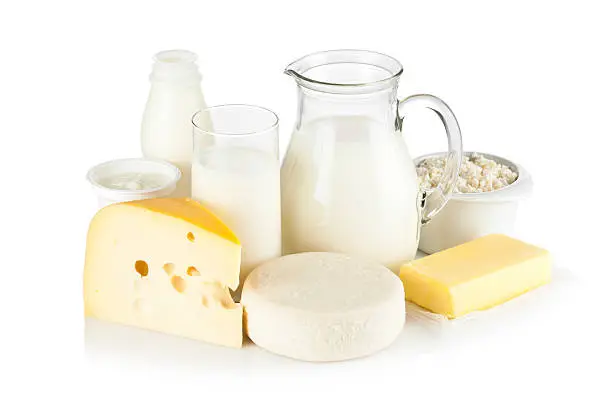
Dairy products with high lactose content
These are the main culprits:
- Milk (cow, goat, or sheep) – 12 grams of lactose per cup
- Cream – higher fat but still contains lactose.
- Evaporated and condensed milk – also high in lactose
- Ice cream – 4-6 grams of lactose per ½ cup
- Soft cheeses (ricotta, cream cheese, cottage cheese) – 2-5 grams per serving
Hidden sources of lactose
Many processed foods contain lactose as an additive, even when they are not “dairy” foods and are hidden sources of lactose:
- Instant soups and sauces
- Breads and baked goods
- Breakfast cereals
- Processed meats (sausages, deli meats)
- Salad dressings
Tip: Always check ingredient labels for terms like whey, yogurt, milk solids, casein, milk powder.
Table of foods containing lactose with lactose content
Average lactose of foods (g per serving)
- Cow’s milk (1 cup) 12g
- Goat’s milk (1 cup) 11g
- Ice cream (½ cup) 4-6g
- Yogurt (1 cup) 4-5g
- Cream cheese (30g) 2g
- Butter (1 tbsp) 0.1–0.5g
- The same protein powder varies – check the label.
- Evaporated milk (½ cup) 12-15g
Why am I suddenly lactose intolerant?
Many patients tell me, “Dr., I used to drink milk every day, but now it makes me sick.”
Why this could be:
- Age related decrease – lactase production often decreases after childhood.
- Intolerance after infection – Stomach flu or intestinal infections (such as gastroenteritis) can damage the lining of the intestines, temporarily reducing lactase.
- Underlying gut conditions – Celiac disease, Crohn’s disease, or Irritable Bowel Syndrome can affect lactase production.
- Surgery or injury – Surgery to the small intestine can suddenly trigger lactose intolerance.
Unique insight (clinical experience):
I have seen several cases where stress and lack of sleep have worsened symptoms. While stress does not cause lactose intolerance, it can make the intestines more sensitive, increasing discomfort.
How to Stop Lactose Intolerance Pain Immediately.
When symptoms appear after eating a food containing lactose, you can:
- Hydration: Drink water to help flush the colon.
- OTC lactase supplements: Lactase enzyme tablets can help with digestion if taken before eating dairy.
- Warm compresses: Relieve pain.
- Gentle exercise: A brisk walk helps move trapped gas.
- Probiotics: May help restore the balance of gut bacteria over time (PubMed, 2022).
Important: Seek immediate medical attention if the pain is severe, persistent, or accompanied by fever or blood in the stool.
Week Lactose Free Diet Plan
Here is a complete week lactose free diet plan you should follow to be symptoms free.
Day 1:
Breakfast: Oatmeal with almond milk and banana
Lunch: Grilled chicken salad with olive oil dressing
Dinner: Stir-fried vegetables and tofu with brown rice
Day 2:
Breakfast: Smoothie with soy milk, spinach and berries
Lunch: Lentil soup with whole grain bread (dairy-free)
Dinner: Quinoa with roasted vegetables and chickpeas
Day 3:
Breakfast: Peanut butter on dairy-free bread + herbal tea
Lunch: Grilled fish with steamed vegetables
Dinner: Sweet potato and black bean chili
Day 4:
Breakfast: Chia pudding with coconut milk
Lunch: Turkey wrapped in lactose-free cheese.
Dinner: Baked salmon with asparagus
Day 5:
Breakfast: Scrambled eggs with spinach
Lunch: Dairy free hummus wrap
Dinner: Rice noodles with stir fried vegetables
Day 6:
Breakfast: Smoothie bowl with oat milk
Lunch: Lentil curry with basmati rice
Dinner: Grilled chicken with roasted pumpkin
Day 7:
Breakfast: Gluten-free pancakes with maple syrup
Lunch: Salad with quinoa, beans and avocado
Dinner: Baked tofu with vegetable soup
Lactose free foods available on the market.
If you are avoiding dairy, you will be relieved to know that there are many safe options and lactose free foods available:
- Lactose-free milk (e.g., Lactaid, Fairlife)
- Plant-based milks – almond, soy, oat, coconut
- Lactose-free yogurt – made with coconut or almond milk.
- Lactose-free cheese – cheddar, mozzarella substitute
- Non-dairy ice cream – coconut milk or almond milk-based
- Lactase enzyme drops/tablets – added to dairy before consumption.
Pro tip: Look for products labeled “0 grams of sugar from lactose” to be safe.
Rarely discussed insight – partial tolerance
Not everyone reacts the same to lactose intolerance. Some can tolerate small amounts of dairy without symptoms especially hard cheeses (cheddar, Swiss, Parmesan) and butter, which are very low in lactose.
From my practice: I have advised patients to gradually test their tolerance levels rather than completely eliminating dairy from day one, which can make meal planning easier.
Trusted Resources
Mayo Clinic – Lactose Intolerance
CDC – Lactose Intolerance Facts
Last Words – Your Health, Your Choices
Living with lactose intolerance doesn’t mean living without delicious food. By knowing what foods to avoid with lactose intolerance, understanding your body’s tolerance, and making smart dietary changes, you can enjoy food without discomfort.
If you are unsure if you have lactose intolerance or your symptoms are worsening, don’t self-diagnose talk to a qualified doctor.
Call to Action:
Have questions about lactose intolerance or meal planning? Leave them in the comments below or schedule an appointment with your healthcare provider today.
FAQS
No, eggs do not contain lactose. Lactose is a sugar found in milk and other dairy products that come from mammals (like cows, goats, and sheep). Eggs come from birds, such as chickens, and are not a dairy product.
Foods with the highest concentration of lactose are typically those made with milk or milk products. This includes:
- Milk: All types of cow’s milk, goat’s milk, and other animal milks. This also includes powdered, condensed, and evaporated milk.
- Soft cheeses: Varieties like cottage cheese, cream cheese, ricotta, and mozzarella generally have more lactose than hard cheeses.
- Ice cream and frozen yogurt: These are often high in lactose.
- Yogurt: While some yogurts, particularly those with live and active cultures, can be easier to digest, many still contain significant amounts of lactose.
- Butter and margarine: While butter contains only trace amounts, some margarines may contain lactose as an additive.
- Cream: Sour cream, heavy cream, and whipped cream.
Naturally Lactose-Free Foods:
- Fruits and Vegetables: All fresh, frozen, and canned fruits and vegetables are naturally lactose-free (just be sure to check the labels on canned vegetables to ensure no milk products have been added).
- Meat, Poultry, and Fish: Unprocessed meats, chicken, turkey, fish, and other seafood are all free of lactose.
- Eggs: Eggs are naturally lactose-free.
- Grains: Most whole grains like rice, oats, barley, quinoa, and corn are lactose-free. This includes many breads, crackers, and cereals, but always check the ingredients for hidden milk products like whey, casein, or milk solids.
- Legumes: Beans, lentils, chickpeas, and other legumes are excellent sources of protein and fiber and are completely lactose-free.
- Nuts and Seeds: All nuts and seeds, as well as nut butters (like peanut butter, almond butter, etc.) are lactose-free.
- Fats and Oils: Vegetable oils, olive oil, coconut oil, and most margarines (check the label) are lactose-free.
- Beverages: Water, fruit juices, tea, coffee (without milk or cream), and most soft drinks are lactose-free.
Lactose intolerance is a common digestive issue where the body has difficulty digesting lactose, a sugar found in milk and dairy products. This is because the small intestine doesn’t produce enough of the enzyme lactase, which is needed to break down lactose for absorption. This is different from a milk allergy, which is an immune system reaction to the proteins in milk.
🧑⚕️ About the Author
Dr. Asif, MBBS, MHPE
Dr. Asif is a licensed medical doctor and qualified medical educationist with a Master’s in Health Professions Education (MHPE) and 18 years of clinical experience. He specializes in gut health and mental wellness. Through his blogs, Dr. Asif shares evidence-based insights to empower readers with practical, trustworthy health information for a better, healthier life.
⚠️ Medical Disclaimer
This blog is intended for educational and informational purposes only. It is not a substitute for professional medical advice, diagnosis, or treatment. Always seek the advice of your physician or another qualified healthcare provider with any questions you may have regarding a medical condition. Never disregard or delay medical advice based on content you read here.
Leave a Reply