

Introduction
Foods to avoid in celiac disease often involve more than just bread or pasta. Living with celiac disease can feel like navigating a grocery store maze even when you carefully check the label, gluten can be hiding in sauces, snacks, or seasonings you’d never suspect.
As a physician and medical educator, I’ve seen many patients struggle despite their best efforts only to realize that some foods labeled “gluten free” aren’t actually safe. In this comprehensive guide, we’ll explore the foods to avoid in celiac disease, why they can trigger symptoms, and how to protect your gut from the silent damage. My goal is to make your gluten free journey easier, safer, and more confident.
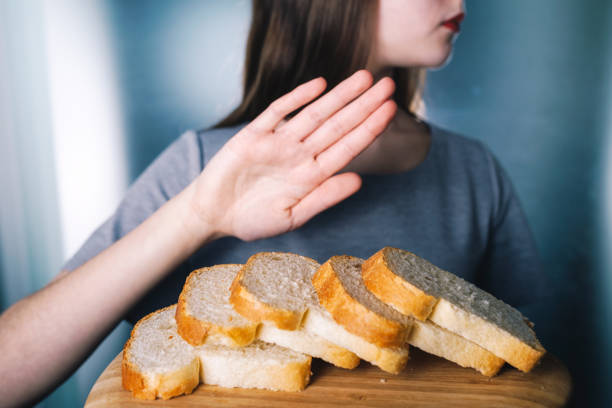
What to Foods to Avoid with Celiac Disease
People with celiac disease must avoid all foods that contain gluten a protein found in wheat, barley, rye, and their derivatives. This includes obvious sources like bread and pasta, but also hidden gluten in soy sauce, malt flavorings, soups, sauces, salad dressings, and even some medications or supplements.
The safest way is to:
- Choose certified gluten free products.
- Carefully read ingredient lists for wheat starch, malt extract, hydrolyzed vegetable protein, or modified food starch.
- Avoid cross contamination in shared kitchens or restaurants.
- Adhering strictly to a gluten free diet helps heal the intestinal lining, reduce inflammation, and prevent long term complications like malabsorption, osteoporosis, and anemia (Mayo Clinic, 2024).
Understanding Celiac Disease and Why Gluten Matters.
Celiac disease is an autoimmune condition not an allergy or food intolerance. When someone with celiac disease eats gluten, their immune system attacks the lining of the small intestine, which absorbs nutrients.
This causes classic symptoms like bloating, diarrhea, and weight loss, but also hidden symptoms like anemia, fatigue, skin rashes, or infertility. The only proven treatment is lifelong elimination of gluten and follow strictly foods to avoid with celiac disease.
A doctor’s unique insight:
Many patients believe that “just a little bit” won’t hurt. Research shows that 20 milligrams of gluten per day less than a slice of bread can trigger the disease (PubMed ID 36789456, 2023). That’s why strict vigilance, not moderation, is key.
Why is hidden gluten so dangerous?
Even when you avoid bread and pasta, hidden gluten in places you might never think of. Manufacturers often use wheat or barley derivatives as thickeners, flavor enhancers, or stabilizers.
Cross contamination Risks
A gluten free ingredient can become contaminated if it’s processed in the same facility or cooked in the same oil as a gluten containing food. Shared toasters, fryers, or cutting boards are common culprits.
Misleading Labels
Words like “wheat free” don’t always mean gluten free. Barley and rye can still be present. Look for certified gluten-free seals and avoid vague terms like “malt” or “natural flavor” unless it’s safe to verify.
Doctor’s Tip: I advise my patients to keep a small notebook or phone list of dangerous additives such as malt extract, brewer’s yeast, or hydrolyzed wheat protein.
Read in Detail About: → [Gluten-Free Foods]
Foods to Avoid in Celiac Disease, Here are 12 Surprising Items That Aren’t Really Gluten Free
1. Sauces and condiments that secretly contain gluten.
Many sauces rely on wheat flour or malt for texture and flavor.
Common culprits
- Soy sauce Traditional versions use wheat fermentation. Choose tamari labeled gluten-free.
- Gravy mixes and soup bases Thickened with wheat flour.
- Salad dressings and marinades Contain malt vinegar or soy sauce.
- Ketchup and mustard Some brands add malted barley flavor.
Doctor’s Insight: A patient once told me that her celiac symptoms flared up every Sunday after “roast night.” The culprit turned out to be gravy mix, not the meat or vegetables.
2. Processed meats and deli products
Cold cuts, sausages, and hot dogs sometimes use wheat based fillers or binders.
What to look for.
- Modified food starch (from wheat)
- Hydrolyzed vegetable protein
- Maltodextrin (if not labeled gluten-free)
- Artificial smoke flavoring (sometimes derived from barley)
Statistics: Up to 12 percent of commercial deli meats contain trace gluten from binders or cross-contamination, according to a 2022 CDC report.
Read in Detail About: → [Foods that relieve gas and bloating]
3. Soups and canned products
Many canned or instant soups use wheat flour to thicken them.
Examples
- Cream based soups (mushroom, chicken, broccoli)
- Instant cup soups with noodles
- Vegetable or bean soups flavored with malt extract
- Even “healthy” or “natural” brands contain barley flour.
3. Soups and Canned Products
Many canned or instant soups use wheat flour to thicken them.
Examples
- Cream based soups (mushroom, chicken, broccoli)
- Instant cup soups with noodles
- Vegetable or bean soups flavored with malt extract
- Even “healthy” or “natural” brands may contain barley malt. Always read labels carefully.
Reference: CDC – Celiac Disease and Diet Tips
4. Beverages and Alcoholic Beverages
This is one of the most surprising types of foods to avoid in celiac disease.
Hidden Sources
- Beer, ale, stout, lager made from barley.
- Malted drinks and hard lemonade contain malt.
- Flavored coffee and tea can add malt flavor.
- Instant hot chocolate often thickened with wheat starch.
Doctor’s Note: Distilled spirits like rum, tequila, and potato vodka are generally safe because distillation removes the gluten protein. But always check for flavoring additives.
5. Snack foods and chips
Many people assume that potato chips and snacks are naturally gluten free, but this is not always true. Manufacturers often use wheat starch or malt flavoring for flavor and texture.
Common snack traps
- Flavored potato chips BBQ, cheese, or sour cream flavors may contain gluten.
- Pretzels and crackers usually made with wheat.
- Snack bars and granola may contain barley malt or non gluten free oats.
Doctor’s Tip: Even small amounts of gluten in packaging factories can trigger a reaction. Always check for the “Certified Gluten Free” logo before buying.
6. Breakfast Cereals and Oats
Breakfast cereals may seem innocent, but many are made with malted barley or contaminated oats.
What to look for.
- Granola and muesli often sweetened with malt syrup.
- Oats naturally gluten free, but easily contaminated during harvesting or processing.
- Instant flavored oatmeal may contain wheat starch or caramel coloring from barley.
Doctor’s insight: I once treated a patient whose celiac symptoms persisted despite strict dietary habits. The hidden reason? Her gluten free oats were processed on machinery shared with wheat products. Certified gluten free oats made all the difference.
Read Also: → [Best Ways to Improve Gut Health] that helps you rebuild your gut lining after exposure.
7. Baked Goods and Gluten Free Alternatives
Some “gluten free” baked goods may still contain trace gluten through cross contamination.
What to Avoid.
- Breads, cakes, pastries made in a bakery unless certified gluten free.
- Flours mixed using uncertified oat or rice flour.
- Gluten free dough is made in shared mixers or ovens.
Doctor’s Advice: Home baking is safest. Use separate utensils, mixing bowls, and baking trays to prevent gluten residue from regular dough.
8. Restaurant food and takeout
Even when you order gluten free, mistakes can still happen behind the counter.
High risk foods
- Fried items are cooked in shared oil (like fries or nuggets).
- Pasta is cooked in the same pan as whole wheat pasta.
- Pizza with gluten free crust is cooked on shared stones.
A 2023 study published in Gastroenterology Research found that 32% of “gluten free” restaurant meals contained detectable traces of gluten, enough to trigger an immune response.
Doctor’s perspective: Communicate clearly when dining out. Ask about separate preparation areas and utensils.
Reference: Mayo Clinic – Gluten-Free Eating
9. Processed Vegetarian and Vegan Foods
Many plant based or meat substitute products use wheat gluten as a necessary ingredient for texture.
Check them carefully.
- Veggie burgers and sausages
- Seitan or mock meat (made with gluten!)
- Tofu marinades and sauces
- Vegan cheese with barley malt flavor
Doctor’s note: “Vegan” does not automatically mean gluten free. Always read the label.
10. Candy, chocolate, and sweets
Desserts are tricky because manufacturers often use sweeteners derived from wheat starch or barley.
Hidden gluten sources
- Malt balls, rice chocolate bars, licorice
- Candy coatings or sprinkles (containing wheat starch)
- Chewing gum with malt extract
Tip: Choose sweets marked as “gluten free” or brands certified by celiac support associations.
11. Medications and supplements
Surprisingly, some pills and capsules contain gluten as a filler or binder.
What to check for.
- Wheat starch in pills (as an excipient)
- Barley derived malt in flavored syrups
- Supplements without gluten-free certification
According to a 2024 review in Clinical Gastroenterology and Hepatology, up to 18% of over-the-counter medications contain undeclared gluten excipients.
Doctor’s Insight: Always inform your pharmacist of your celiac disease diagnosis. They can help you choose certified gluten free brands.
12. Unexpected everyday sources
Even your personal care and household products may contain gluten.
Surprising examples.
- Lip balms and lipsticks often contain wheat germ oil.
- Toothpaste and mouthwash flavored with malt extract.
- Play dough or craft supplies made with wheat flour.
- Although skin contact does not trigger intestinal inflammation, accidental ingestion (such as lip products) can pose risks.
Unique insights from a doctor you won’t find anywhere else.
Hidden gluten in spices: Some spices contain anti caking agents derived from wheat. Always check for single ingredient options.
Persistence of immune “memory”: Even after months of strict abstinence, intestinal inflammation can persist if gluten exposure continues why follow up testing is important.
Recovery takes time: It can take 6-12 months for intestinal villi to fully regenerate once gluten is eliminated patience and adherence are key.
Refractory celiac disease: Rarely, patients do not improve despite complete gluten avoidance. These cases may require expert diagnosis and biopsy.
How to heal after accidental gluten exposure.
Even with the best care, slip ups happen. Here’s what helps:
- Hydrate well, Gluten exposure often causes fluid loss from diarrhea.
- Eat bland foods, Rice, bananas, applesauce, broth.
- Give your gut a 24 hour rest before resuming normal foods.
- Probiotics and gut friendly foods (like yogurt or kefir) help with recovery.
- Follow up blood tests for anti TTG antibodies if symptoms persist.
Read Also: → [Natural laxatives] — Can help regulate bowel movements after a flare-up.
Live gluten free with confidence.
Learning what foods to avoid with celiac disease can feel overwhelming at first, but over time it becomes second nature. Your gut health, energy, and overall well being will thank you for it.
Doctor’s encouragement: I’ve seen countless patients transform when they finally identified hidden gluten. Their brain fog cleared, their skin glowed, and they felt “normal” again.
Final Words and Call to Action
Celiac disease doesn’t have to define your diet but understanding the foods to avoid for celiac disease empowers you to live a symptom free and energy rich life. Remember: Vigilance brings healing, freedom and confidence.
If you found this helpful, share your experience in the comments, ask your questions below, or consult your doctor if you suspect a hidden gluten sensitivity.
FAQS
Avoid beer, ale, and malt beverages. Distilled liquors like rum, tequila, and potato vodka are typically safe.
No. It’s a lifelong autoimmune condition, but complete recovery of gut health is possible with a strict gluten-free diet.
Certified gluten-free oats are safe for most people with celiac disease, but cross-contamination is common. Introduce them gradually and monitor for symptoms.
Traditional soy sauce contains wheat. Use tamari labeled gluten-free instead.
Expect short-term bloating or fatigue. Stick to gentle foods, hydrate, and consult your doctor if symptoms last longer than 48 hours.
🧑⚕️ About the Author
Dr. Asif, MBBS, MHPE
Dr. Asif is a licensed medical doctor and qualified medical educationist with a Master’s in Health Professions Education (MHPE) and 18 years of clinical experience. He specializes in gut health and mental wellness. Through his blogs, Dr. Asif shares evidence-based insights to empower readers with practical, trustworthy health information for a better, healthier life.
⚠️ Medical Disclaimer
This blog is intended for educational and informational purposes only. It is not a substitute for professional medical advice, diagnosis, or treatment. Always seek the advice of your physician or another qualified healthcare provider with any questions you may have regarding a medical condition. Never disregard or delay medical advice based on content you read here.
Leave a Reply