

Introduction
Foods that dissolve gallstones may offer a natural approach to managing this silent problem stones that slowly form in the gallbladder and cause discomfort, pain, or even serious complications. While surgery (cholecystectomy) is often recommended for recurrent or large stones, many people seek natural ways to manage milder cases.
As I have experienced in my clinical practice, many patients ask if there are foods that dissolve gallstones naturally. The good news? While not all stones can be completely dissolved through diet alone, certain foods can support bile flow, reduce cholesterol saturation, and potentially shrink or prevent stones especially cholesterol stones.
In this post, I will guide you from what are gallstones to science backed foods that dissolve gallstones, along with practical lifestyle tips, frequently asked questions, and when to seek medical attention.
What are gallstones, and can diet help?
Gallstones are hard deposits of cholesterol or bilirubin that form in the gallbladder. Most are cholesterol stones, and they develop when there is too much cholesterol in the bile and not enough bile salts to dissolve it.
In my daily practice, I often see patients who are found incidentally during imaging with “silent gallstones,” but there are also many who present with classic symptoms:
- Sudden pain in the upper right abdomen
- Nausea or vomiting after eating fatty foods
- Bloating or indigestion.
- Jaundice (in severe cases)
Diet cannot dissolve all types of gallstones especially pigment stones but for cholesterol stones, dietary changes can make a real difference in symptom control and long-term prevention.
Read my article on [ what causes gallstones ]that will help you prevented from gallstones
Foods That Dissolve Gallstones Naturally
Here are scientifically supported and doctor approved foods that may help dissolve cholesterol stones or reduce their formation:
1. Lemon juice and citrus fruits
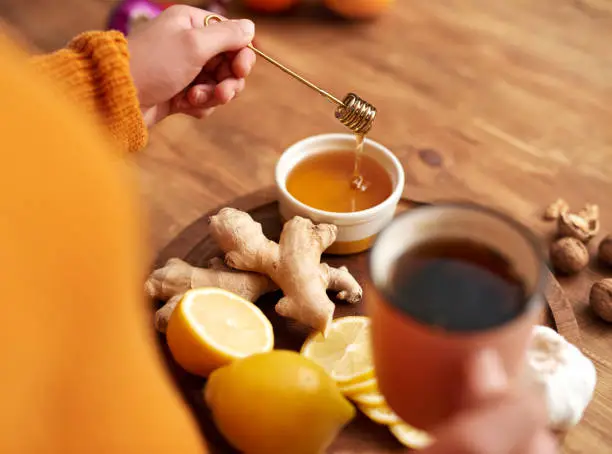
Citrus fruits are at the top in foods that dissolve gallstones as they are rich in vitamin C, which converts cholesterol into bile acids, which help keep bile less lithogenic (stone-forming).
A daily glass of warm water with lemon can stimulate bile flow.
Oranges, grapefruit, and kiwi are also helpful.
Clinical tip: I often recommend lemon water first thing in the morning for patients with early symptoms of gallbladder disease.
2. Apples and apple cider vinegar
Apples contain pectin, a soluble fiber that binds to cholesterol and helps flush it out. Apple cider vinegar can support digestion and promote healthy bile flow.
Eat 1 fresh apple a day (with the skin on).
Use diluted ACV (1 tsp in warm water before meals) but avoid GERD.
3. Beets
Beets contain betaines, which support liver detoxification and improve bile consistency, reducing the risk of stone formation.
Try beet juice or add roasted beets to your salad.
Supports liver and gallbladder harmony.
4. Healthy fats in moderation
Ironically, a small amount of good fats is essential. They stimulate bile flow and prevent bile stagnation a key factor in stone formation.
Use olive oil, flax seed oil, or avocado in moderation.
Avoid saturated fats like ghee, butter, and red meat.
5. Leafy greens and fiber-rich vegetables
They provide magnesium and fiber, both of which help regulate cholesterol metabolism and promote regular bile production.
Spinach, kale, collard greens, okra, and carrots are great choices.
Helps prevent bile sludge and cholesterol buildup.
6. Whole grains
Whole grains like brown rice, oats, and quinoa are high in insoluble fiber, which lowers LDL cholesterol and keeps digestion smooth.
Avoid refined carbohydrates (white bread, sugar, baked goods).
Supports weight control a key factor in gallstone prevention.
7. Turmeric
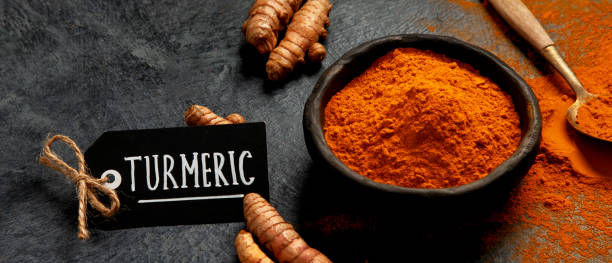
Curcumin, the active compound in turmeric, increases bile production and may improve gallbladder contractions.
Add half a teaspoon of turmeric to warm milk or food.
It also acts as a natural anti-inflammatory agent.
8. Coffee (in moderation)
Research shows that moderate coffee consumption stimulates gallbladder contractions, potentially preventing stone formation.
Limit to 1-2 cups per day.
Avoid if you have acid reflux or ulcers.
Learn more about gallstone prevention from the Mayo Clinic.
Foods to avoid if you have gallstones.
Foods to avoid if you have gallstones is as important as foods that dissolve gallstones, Even the most gallstone friendly foods won’t help if you continue to eat trigger items. Based on medical observations, these are the most common culprits for attacks:
- Fried and fatty foods (fried foods, fast food, etc.)
- High fat dairy (butter, cream, cheese)
- Fatty meats (mutton, beef, organ meats)
- Sugar desserts and refined flours
- Egg yolks (high in cholesterol)
These increase cholesterol in bile and reduce gallbladder function.
Sample 1-day gallstone friendly diet plan
Here is one day gallstone friendly diet plan, you can make a whole week plan by using more foods that dissolve gallstones and avoiding foods that triggers gallstones or put a massage in the comments will give you a complete gallstone friendly diet plan.
Breakfast:
Oatmeal with chia seeds, banana slices, and a cup of green tea with lemon.
Mid-morning:
Apple with a teaspoon of soaked flaxseeds.
Lunch:
Quinoa salad with grilled tofu, spinach, beetroot and olive oil.
Snack:
Handful of almonds and herbal tea with turmeric.
Dinner:
Brown rice with lentils, okra and steamed carrots.
Before bed:
Warm water with lemon (optional).
For a complete week diet plan Read this article
Lifestyle tips that support foods that dissolve gallstones.
While diet plays a major role in stone management, lifestyle changes are just as important. In my clinical experience, I often see patients overlook the impact of daily habits on gallbladder function. However, even small changes to your routine can improve bile flow, reduce cholesterol levels in bile, and help prevent stones from forming.
Below are doctor approved lifestyle tips that support natural stone relief and long term digestive health:
1. Lose weight gradually – avoid crash diets.
Rapid weight loss is a major risk factor for stone formation. When you lose weight too quickly, your liver secretes excess cholesterol into bile, which can lead to stone formation.
- Aim to safely lose 1-2 pounds (0.5-1 kg) per week.
- Follow a balanced, calorie-controlled diet.
- Avoid fasting or skipping meals.
Clinical Note: In my daily practice, I often advise patients to set realistic weight loss goals even a 5-10% loss in body weight can significantly improve gallbladder health.
2. Eat smaller, more frequent meals
Eating a large, heavy meal puts sudden pressure on your gallbladder to release bile, which can trigger a gallstone attack or pain.
- Eat 3 small meals and 1-2 light snacks throughout the day.
- Keep your portions moderate.
- Don’t eat too late at night – allow 2-3 hours before bedtime.
Small meals encourage consistent bile secretion and reduce bile stasis one of the key contributors to cholesterol stone formation.
3. Stay hydrated
Proper hydration is essential for healthy bile consistency and overall digestion.
- Drink at least 8-10 glasses of water daily.
- Add lemon or cucumber for flavour if needed.
- Limit sugary drinks and soda.
Water helps dilute bile, making it less likely to form stones. It also promotes regular bowel movements, which are important for bile recycling.
4. Get regular physical activity and weight loss is important.
A sedentary lifestyle is linked to a higher risk of gallstones. Exercise improves cholesterol metabolism and supports liver function, both of which are important for gallstone prevention.
- Aim for at least 30 minutes of physical activity most days of the week.
- Walking, yoga, cycling, and swimming are great options.
- Even light activity, such as stretching or gardening, can be beneficial.
Exercise also helps regulate weight, insulin sensitivity, and digestion all of which are linked to gallstone risk.
5. Avoid prolonged fasting or skipping meals.
When you go a long time without eating, your gallbladder doesn’t contract as often, which causes bile to concentrate and makes it more likely to form gallstones.
- Eat at regular intervals, ideally every 4-5 hours.
- Include a small, healthy snack if you are skipping meals.
This habit helps keep the gallbladder active and prevents bile stagnation a hidden cause of sludge and cholesterol crystal buildup.
6. Reduce stress and improve sleep
Chronic stress can disrupt digestive function, alter hormone levels, and indirectly affect gallbladder function.
- Practice mindfulness, meditation, or deep breathing daily.
- Prioritise 7-8 hours of restful sleep per night.
- Limit screen time before bed and maintain a bedtime routine.
Clinical insight: I often advise patients recovering from a gallbladder flare up to reduce stress and focus on gut friendly self-care. A calmer digestive system performs better and so does the gallbladder.
7. Limit alcohol and quit smoking.
Excessive alcohol can burden the liver and alter the composition of bile, while smoking contributes to oxidative stress and inflammation in the biliary system.
- If you drink alcohol, do so in moderation (no more than 1 drink per day for women, 2 for men).
- If you currently smoke, get help to quit.
Replace these habits with healthy alternatives like herbal teas or exercise.
8. Track your symptoms and food intake.
Keeping a food and symptom diary can help identify triggers that worsen your gallbladder symptoms. Common culprits include fatty foods, overeating, or certain medications.
Note what you eat, your portion sizes, and how you feel afterwards.
Bring this log to your doctor for more personalized advice.
Harvard Health also emphasises the role of hydration and weight control in gallstone prevention.
When to see a doctor.
Diet can help with small, uncomplicated cholesterol stones. But see a doctor if you experience:
- Persistent pain in the upper abdomen
- Fever or chills.
- Jaundice
- Vomiting or bloating after eating
You may need an ultrasound or liver function test. In some cases, URSODIOL, a bile acid medication, may be prescribed to dissolve cholesterol stones but only under medical supervision.
Conclusion: Food as a natural ally
While there is no magic cure, a diet focused on the right foods can help manage small stones, relieve symptoms, and prevent more from forming. As a doctor, I always recommend trying dietary and lifestyle strategies first for mild cases especially when patients are not ready for surgery.
Start by adding the foods above to your daily diet, stay active, and keep your digestive system happy. Your gallbladder will thank you!
Ready to take control of your gallbladder health?
If you found this guide helpful, share it with someone you care about.
Have questions or need a personalized plan? Leave a comment or contact us I’m here to help.
Stay informed. Stay safe. Let food be your gallbladder’s best friend.
FAQS
Not always. Small, asymptomatic cholesterol stones can often be managed with diet and monitoring.
No, but it may support digestion and bile health. It’s best used as part of a larger dietary strategy.
Improvements in symptoms may appear in a few weeks, but dissolving stones can take months — and may not work for all types.
Yes. Lemon water stimulates bile flow and provides vitamin C, which may help prevent stone formation.
Turmeric can enhance bile production and support gallbladder function, but it won’t dissolve large stones.
🧑⚕️ About the Author
Dr. Asif, MBBS, MHPE
Dr. Asif is a licensed medical doctor and qualified medical educationist with a Master’s in Health Professions Education (MHPE) and 18 years of clinical experience. He specializes in gut health and mental wellness. Through his blogs, Dr. Asif shares evidence-based insights to empower readers with practical, trustworthy health information for a better, healthier life.
⚠️ Medical Disclaimer
This blog is intended for educational and informational purposes only. It is not a substitute for professional medical advice, diagnosis, or treatment. Always seek the advice of your physician or another qualified healthcare provider with any questions you may have regarding a medical condition. Never disregard or delay medical advice based on content you read here.
Leave a Reply