

Introduction
Diet plan during H pylori treatment plays a vital role in recovery, comfort, and long term digestive health. While antibiotics and acid-reducing medications are the mainstay of therapy, what you eat (and avoid) can make a significant difference in reducing stomach irritation, supporting gut healing, and improving treatment success.
As a doctor, I often see patients ask, “Doc, what should I eat while on H. pylori treatment?” This is a valid concern, as diet directly impacts both symptoms and the effectiveness of therapy. A well structured diet plan during h pylori treatment not only helps reduce nausea, bloating, and acid reflux, but also promotes healthy gut bacteria that aid in healing.
In this blog, we’ll break down:
- The best foods to eat during H. pylori treatment.
- Foods to avoid during h pylori treatment
- A sample 7-day diet plan during H. pylori treatment.
- Lifestyle tips that complement medical treatment.
- Evidence based insights and my own clinical perspective.
What is the best diet plan during H pylori treatment?
A diet plan during H pylori treatment should focus on comfort foods like yogurt, fruits, vegetables, and whole grains, while avoiding spicy, acidic, fried, and processed foods. It helps reduce stomach irritation, improves gut health, and supports antibiotic therapy for faster recovery.
Understanding H. pylori and why diet matters.
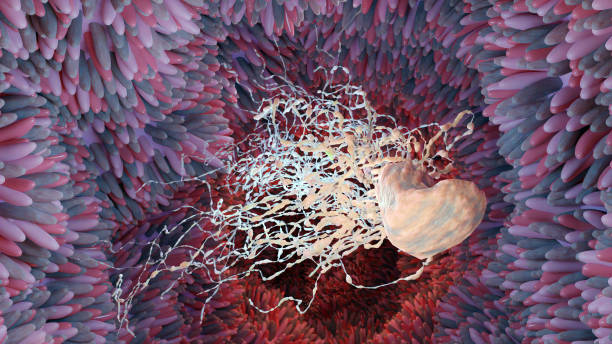
H. pylori is a spiral shaped bacterium that infects the lining of the stomach. According to the World Health Organization (WHO), about 50 percent of the world’s population is infected with H. pylori, although not everyone shows symptoms. It is strongly linked to:
- Chronic gastritis
- Peptic ulcers
- Stomach cancer (in long-term cases)
Treatment usually involves triple or quadruple therapy a combination of antibiotics, proton pump inhibitors (PPIs), and sometimes bismuth compounds.
However, antibiotics often cause nausea, bloating, diarrhea, and loss of appetite. This is where a supportive diet plan plays a key role reducing side effects, protecting the stomach lining, and restoring the gut flora.
Read what causes gastritis and peptic ulcer
Goals of a diet plan during H pylori treatment
A good diet doesn’t just mean avoiding “bad” foods. It should actively support healing. The goals are:
- Reduce stomach irritation → Avoid spicy, acidic, and fried foods.
- Support the gut microbiome → Eat probiotic-rich foods like yogurt.
- Boost immunity → Include vitamins C, E, and antioxidants.
- Enhance the effectiveness of treatment → Avoid substances that interfere with antibiotics (such as alcohol).
- Prevent relapse → Adopt a long-term healthy diet.
Medical Insight: I have seen patients who followed dietary guidance experience fewer antibiotic side effects and a faster recovery than those who ignored dietary advice.
Read side effects of H pylori antibiotics in detail
Foods to include in a diet plan during H pylori treatment.
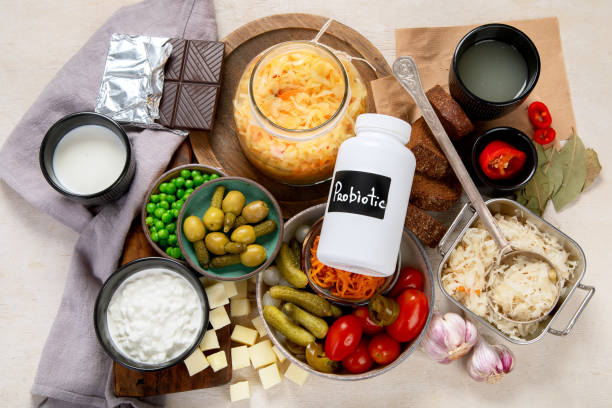
Probiotic-rich foods
- Yogurt with live cultures
- Kefir
- Sauerkraut, kimchi, miso (fermented foods)
Probiotics help restore healthy gut bacteria destroyed by antibiotics. A 2020 PubMed study found that probiotics reduced antibiotic-associated diarrhea by 42% in patients with H. pylori.
Fruits and vegetables
- High in antioxidants → berries, lemons, papaya
- Comforting options → bananas, melons, applesauce.
- High in fiber → carrots, spinach, broccoli (Read fiber rich foods in detail here)
- Vitamin C-rich foods can reduce bacterial load.
Whole grains and plant-based foods
- Brown rice, oats, quinoa
- Lentils, chickpeas, beans

These provide sustained energy, fiber, and reduce stomach irritation.
Lean protein
- Skinless chicken, turkey, fish
- Eggs (boiled or steamed, not fried)
Protein is essential for tissue repair and regeneration.
Soothing drinks
- Warm water or chamomile tea
- Ginger tea (light, not concentrated)
- Coconut water (hydrating and soothing)
Omega-3 and Omega-6 Fatty Acids in Your Diet Plan During H pylori Treatment
Including omega-3 and omega-6 fatty acids in your diet plan during H pylori treatment can promote gut healing and reduce inflammation. Omega-3s, found in foods like salmon, flaxseeds, and walnuts, have anti-inflammatory properties that can reduce the irritation of the stomach lining caused by H. pylori. Omega-6s, found in sunflower seeds and vegetable oils, help regulate immune function when consumed in moderation.
Best sources to include:
- Fatty fish (salmon, sardines, mackerel)
- Chia seeds, flaxseeds, and walnuts
- Sunflower oil and soybean oil (use in controlled amounts)
Balancing your intake of both omega-3 and omega-6 is key, as too much omega-6 without enough omega-3 can worsen inflammation. Always combine a nutritious diet for best results.
Honey in a diet plan during H pylori treatment
Honey is a natural food that has potential antibacterial properties against H. pylori. Research has shown that some types, especially Manuka honey, can inhibit the growth of H. pylori bacteria (PubMed, 2021). While honey cannot replace antibiotics, incorporating it into your meal plan during H. pylori treatment can help provide comfort and improve gut health.
How to use honey safely:
- Take 1-2 tablespoons of raw or Manuka honey daily.
- Mix with warm (not hot) water or herbal tea.
- Use it as a natural sweetener instead of refined sugar.
In my clinical experience, patients who replace sweet snacks with honey often report reduced acidity and better food tolerance during treatment.
Foods to avoid during H pylori treatment.
Foods to avoid during H pylori treatment include:
Spicy and oily foods
- Fried foods, chilies, heavy curries
- These increase acid production and worsen heartburn.
Acidic foods
- Citrus juices, tomatoes, vinegar
- Can worsen gastritis symptoms.
Processed and sugary foods
- Sodas, packaged snacks, pastries
- Encourage bacterial growth and inflammation.
Alcohol and caffeine
- Alcohol interferes with the absorption of antibiotics.
- Coffee/energy drinks increase acid secretion.
Unique tip from experience: Some patients unknowingly worsen symptoms with peppermint tea, assuming it calms digestion but peppermint can relax the lower esophageal sphincter, worsening reflux.
Sample 7-Day Diet Plan During H. pylori Treatment
This 7-day H. pylori friendly eating plan is designed to reduce stomach irritation, promote healing, and support the effectiveness of antibiotic treatment. Portions can be adjusted based on your individual needs and your doctor’s advice.
Day 1
Breakfast: Oatmeal with banana slices and a teaspoon of honey. Probiotic-rich yogurt with chia seeds
Snack: A handful of walnuts and chamomile tea
Lunch: Grilled salmon with steamed broccoli and quinoa
Dinner: Lentil soup with whole grain bread
Day 2
Breakfast: Smoothie with spinach, apple, flaxseeds, and almond milk. Carrot sticks with hummus.1 teaspoon of Manuka honey in lukewarm water
Lunch: Baked chicken breast with brown rice and steamed zucchini
Dinner: Vegetable stew with soft-cooked sweet potatoes
Day 3
Breakfast: Whole-grain toast with avocado and a drizzle of olive oil. A handful of sunflower seeds and herbal green tea
Lunch: Grilled sardines with quinoa and steamed asparagus
Snack: Kefir with a small pear
Dinner: Lentil and vegetable khichdi (soft-cooked rice + lentils)
Day 4
Breakfast: Rice porridge with honey and cinnamon. Apple slices with peanut butter
Lunch: Baked cod fish with mashed sweet potatoes and spinach
Snack: A few dates with hot chamomile tea.
Dinner: Vegetable soup with whole grain crackers
Day 5
Breakfast: Greek yogurt with blueberries and flax seeds. Probiotic drink (like kefir) with cucumber slices
Snack: A handful of almonds and a teaspoon of honey
Lunch: Grilled chicken with roasted carrots and brown rice
Dinner: Soft vegetable curry and whole grain chapati (lightly cooked)
Day 6
Breakfast: Hot oatmeal with chia seeds, banana and honey. Yogurt with papaya cubes
Snack: A handful of walnuts and ginger tea
Lunch: Steamed salmon with quinoa and sautéed spinach
Dinner: Rice and lentil soup with steamed vegetables
Day 7
Breakfast: Smoothie with oats, banana, flaxseed and almond milk
Snack: A handful of sunflower seeds with hot green tea
Lunch: Baked chicken with steamed broccoli and sweet potato
Snack: Honey + a slice of papaya in lukewarm water
Dinner: Vegetable stew with lentils and whole grain bread
Important notes:
- Avoid coffee, carbonated drinks, spicy fried foods, and processed snacks.
- Include probiotics daily (yogurt, kefir, fermented foods).
- Balance omega-3 and omega-6 fatty acids for gut healing.
- Use honey in moderation for its antibacterial benefits.
Lifestyle and preparation tips that enhance recovery.
A diet plan works best when combined with lifestyle measures:
- Eat small, frequent meals to avoid bloating.
- Stay hydrated with water and light herbal teas.
- Avoid lying down immediately after eating.
- Manage stress – stress worsens gastric symptoms.
Analogy: Think of your stomach as a healing wound if you keep scratching it (with spicy, acidic foods), it won’t heal.
A rarely discussed point – post-treatment diet to prevent recurrence
Most blogs stop at “what to eat during treatment”. But from clinical experience, I recommend that patients continue a gut-healing diet for at least 4-6 weeks after antibiotics:
- Rebuild the gut microbiome
- Heal residual gastric inflammation
- Lower risk of recurrence
- Include more fermented foods, soluble fiber (oats, apples), and green tea after treatment.
Final thoughts
A diet plan during H pylori treatment is not a substitute for antibiotics, but it is a powerful partner in recovery. By choosing comforting, probiotic rich, and nutrient dense foods while avoiding spicy, acidic, and processed foods that can irritate the stomach you give your stomach the best chance of healing.
As a doctor, I’ve seen patients who take their diet seriously recover faster and feel less burdened by the side effects of treatment. Think of food as medicine gentle support for your intestines while the antibiotics do their work.
Your turn:
Have you tried dietary changes during H. pylori treatment? Share your experience in the comments below, or ask me your questions I’d be happy to guide you. And if you are experiencing ongoing digestive problems, don’t delay in consulting your doctor.
References:
World Health Organization: H. pylori Fact Sheet
Mayo Clinic: H. pylori Infection Overview
FAQS
They are not mandatory but highly recommended, as they reduce diarrhea and gut imbalance caused by antibiotics.
No. Diet supports healing but cannot eradicate the infection. You need prescribed antibiotics. However, the right diet reduces side effects and improves outcomes.
It’s best to avoid coffee as caffeine increases stomach acid, which worsens irritation and slows healing.
At least throughout the 10–14 day antibiotic course, and ideally 4–6 weeks after to rebuild gut health.
Plain milk may temporarily soothe symptoms, but avoid excessive dairy or full-fat options as they can trigger acid production.
🧑⚕️ About the Author
Dr. Asif, MBBS, MHPE
Dr. Asif is a licensed medical doctor and qualified medical educationist with a Master’s in Health Professions Education (MHPE) and 18 years of clinical experience. He specializes in gut health and mental wellness. Through his blogs, Dr. Asif shares evidence-based insights to empower readers with practical, trustworthy health information for a better, healthier life.
⚠️ Medical Disclaimer
This blog is intended for educational and informational purposes only. It is not a substitute for professional medical advice, diagnosis, or treatment. Always seek the advice of your physician or another qualified healthcare provider with any questions you may have regarding a medical condition. Never disregard or delay medical advice based on content you read here.
Leave a Reply