

Introduction
Constipation in pregnancy is one of the most common and frustrating discomforts women experience. Between hormonal changes, the growing uterus, and dietary changes, your digestive system often slows down resulting in hard stools, bloating, and straining. The good news? With the right knowledge and gentle care, you can safely and effectively manage this condition throughout your pregnancy. In this article we will also explore the most safe home remedies for constipation in pregnancy and constipation in breastfeeding.
Understanding Constipation in Pregnancy
Constipation in pregnancy refers to infrequent, hard, or difficult bowel movements usually fewer than three per week. It affects up to 40% of pregnant women, especially in the second and third trimesters. Although usually harmless, constipation can cause discomfort, hemorrhoids, and additional straining.
What causes constipation in pregnancy?
Hormonal Changes
During pregnancy, the body produces more progesterone, a hormone that relaxes smooth muscles including those in the intestines. This slows down digestion and causes stool to move more slowly.
Growing uterus
As the uterus grows, it can put pressure on the intestines, further slowing down bowel movements and causing constipation.
Iron supplements
Prenatal vitamins often contain iron, which is essential for fetal development but can cause hard, dry stools.
Dehydration and low fiber intake
Pregnant women may not drink enough water or consume enough fiber, especially during nausea or morning sickness, which can lead to dry, hard-to-pass stools.
Symptoms of constipation in pregnancy
- Less than three bowel movements per week
- Hard, dry, or lumpy stools
- Straining during bowel movements
- Bloating and abdominal discomfort
- Feeling of incomplete evacuation
If these symptoms persist or worsen, consult your healthcare provider.
Safe home remedies for constipation in pregnancy
The most safe and effective home remedies for constipation in pregnancy include:
1. Increase dietary fiber.
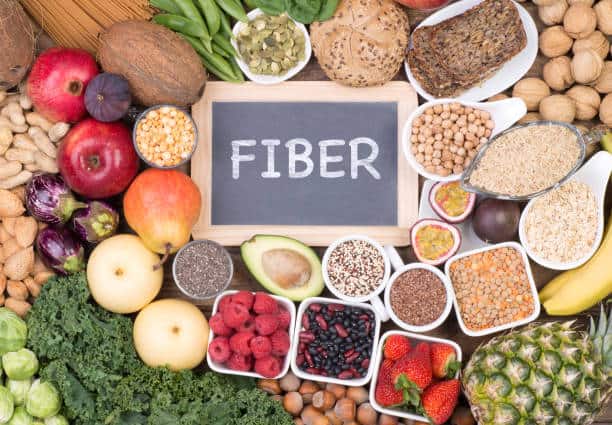
Eating a diet rich in fiber can help soften stools and promote regular bowel movements. Aim to get at least 25-30 grams of fiber daily from foods such as:
- Oats, bran, and whole grains
- Fruits such as pears, apples (with skin) and prunes
- Vegetables such as spinach, broccoli, and carrots
- Legumes including lentils, beans, and peas
2. Stay hydrated
Drink at least 8-10 glasses of water daily. Warm water, especially in the morning, can help speed up digestion. Herbal teas (such as ginger or peppermint) can also soothe the intestines.

3. Exercise regularly.
Light to moderate physical activity such as walking, prenatal yoga, or swimming improves bowel movements and helps reduce constipation.
4. Limit constipating foods.
Reduce your intake of processed foods, added dairy, and refined carbohydrates, which can slow down digestion.
5. Eat small, frequent meals.
Instead of three large meals, try five to six small meals throughout the day. This keeps digestion moving and prevents bloating.
6. Add probiotic foods.
Probiotics (like yogurt, kefir, sauerkraut) help maintain a healthy gut microbiome, which supports bowel regularity.
7. Try warm drinks.
Drinking a glass of warm lemon water or herbal tea in the morning can gently stimulate bowel movements.
8. Maintain a routine
Going to the bathroom at the same time every day especially after breakfast can help train your bowels to be regular.
9. Consider safe fiber supplements (only under medical guidance)
If lifestyle changes don’t work, your doctor may recommend psyllium husk or methylcellulose supplements, which are safe in pregnancy when taken properly.
Important: Always discuss persistent constipation with your doctor to rule out underlying conditions and ensure the safest management during pregnancy.
Medical Treatment for Constipation in Pregnancy
When lifestyle changes are not enough, your doctor may recommend safer options such as:
- Bulk-forming agents (e.g., psyllium husk, methylcellulose)
- Stool softeners (e.g., docusate sodium) – considered safe for short-term use
- Laxatives – only under medical supervision, as some types can stimulate uterine contractions.
Note: Avoid using stimulant laxatives or enemas during pregnancy unless prescribed.
When to see a doctor.
Seek medical advice if:
- You haven’t had a bowel movement for more than 4-5 days.
- You experience severe abdominal pain or bloating.
- Blood in your stool.
- You develop painful hemorrhoids or anal fissures.
Prevention of constipation in pregnancy.
Constipation is a common concern during pregnancy, affecting 40 percent of expectant mothers.
1. Increase your dietary fiber intake.
Fiber adds bulk to stool and helps it pass more easily.
Aim for 25-30 grams of fiber per day.
High-fiber foods:
- Whole grains (oats, brown rice, whole wheat bread)
- Fresh fruit (prunes, pears, apples with skin)
- Vegetables (broccoli, spinach, carrots)
- Legumes (lentils, chickpeas, beans)
Tip: Introduce fiber gradually to prevent gas and bloating.(Read here for details about fiber rich foods)
3. Stay well hydrated
Why it matters: Fiber works best when combined with adequate fluids.
Tip: Drink at least 8-10 glasses (about 2-2.5 liters) of water per day.
Bonus tip: Warm fluids in the morning, such as herbal tea or warm lemon water, can stimulate bowel movements.
4. Stay physically active
Movement stimulates bowel function.
Safe pregnancy exercises:
- Walking
- Prenatal yoga
- Swimming
- Low-impact aerobics
Guidelines: Aim for at least 20-30 minutes of moderate activity on most days, unless your doctor advises otherwise.
5. Manage side effects of iron supplements.
If iron supplements cause constipation:
Ask your doctor about iron or iron formulations that soften stools.
Include iron-rich foods (spinach, red meat, lentils) to reduce your dependence on supplements.
6. Establish a regular bowel routine.
- Listen to your body’s cues and don’t delay your bowel movements.
- Try to go to the toilet after breakfast when the gastrocolic reflex is strongest.
- Use a stool to slightly elevate your knees, which may make it easier to pass stool.
7. Consider safe, doctor-approved treatments.
If lifestyle changes aren’t enough:
Bulk-forming agents (such as psyllium husk) are usually safe.
Stool softeners such as docusate sodium can be used with medical guidance.
Avoid stimulant laxatives unless specifically prescribed.
8. When to seek medical advice.
Constipation in pregnancy is usually mild, but consult your doctor if you experience:
- Severe abdominal pain
- Blood in the stool
- No bowel movements for more than 5-7 days.
- Persistent nausea or vomiting
Key takeaway: A balanced diet rich in fiber, adequate hydration, and regular light exercise are the safest and most effective ways to prevent constipation during pregnancy. Always consult your healthcare provider before starting any supplements or medications.
Treatment for constipation in breastfeeding mothers
Constipation can continue after birth, especially in the postpartum period. For breastfeeding mothers, treatment should be gentle and safe for both mother and baby. the following tips will improve your constipation in breastfeeding.
- Hydration: Breastfeeding increases fluid requirements – drink plenty of water.
- Fiber-rich diet: Continue a high-fiber diet to maintain soft stools
- Warm fluids: A glass of warm water or herbal tea in the morning can help.
- Safe medications: Stool softeners such as docusate sodium are generally safe to take while breastfeeding.
- Rest and movement: Gentle postpartum exercise and short walks can stimulate digestion.
Always consult your doctor before taking any medication while breastfeeding.
Conclusion
Constipation in pregnancy can be uncomfortable, but it is usually manageable with simple lifestyle changes and safe medical treatment if necessary. If you are pregnant or breastfeeding and struggling with constipation, don’t hesitate to contact your healthcare provider for guidance. Your comfort and well-being are important and small steps can make a big difference.
Found this helpful?
Share this blog with others, and subscribe for more pregnancy and postpartum health tips from a licensed doctor!
FAQS
Constipation does not directly harm your baby, but excessive straining can cause discomfort and hemorrhoids for the mother.
Yes, constipation is very common due to hormonal and physical changes during pregnancy. However, it should be addressed early to prevent complications.
Some stool softeners and bulk-forming agents are safe, but stimulant laxatives should be avoided unless prescribed.
Fiber supplements, stool softeners like docusate, and dietary changes are considered safe. Always consult your doctor before using any laxatives.
Prunes, pears, apples, leafy greens, oats, and lentils are excellent natural remedies due to their high fiber content.
🧑⚕️ About the Author
Dr. Asif, MBBS, MHPE
Dr. Asif is a licensed medical doctor and qualified medical educationist with a Master’s in Health Professions Education (MHPE). He specializes in gut health and mental wellness. Through his blogs, Dr. Asif shares evidence-based insights to empower readers with practical, trustworthy health information for a better, healthier life.
⚠️ Medical Disclaimer
This blog is intended for educational and informational purposes only. It is not a substitute for professional medical advice, diagnosis, or treatment. Always seek the advice of your physician or another qualified healthcare provider with any questions you may have regarding a medical condition. Never disregard or delay medical advice based on content you read here.
Leave a Reply