

Introduction
Gastritis is a common but often misunderstood condition that affects millions of people worldwide. Whether it’s a sharp stomach ache after a spicy meal or a chronic ache that just won’t go away, gastritis can significantly impact your quality of life.
In this complete guide, I’ll tell you everything you need to know about gastritis from its causes and symptoms to the best dietary choices and treatment options. As a licensed physician and health blogger, my goal is to help you better understand your gut and take practical steps toward healing.
What is gastritis?
Gastritis is a medical condition that refers to inflammation or irritation of the lining of the stomach, medically known as the gastric mucosa. This inflammation can occur suddenly (called acute gastritis) or develop slowly over time (chronic gastritis).
The stomach lining plays an important role in producing stomach acid and digestive enzymes, both of which are necessary to break down food and kill harmful bacteria. It also secretes mucus to protect the stomach wall from its own acid. When this lining becomes inflamed or damaged, its ability to perform these functions is impaired, leading to digestive symptoms and complications.
Types of Gastritis
1. Acute Gastritis
Acute gastritis occurs suddenly and is often short-lived. It can be caused by:
- Infection (such as H. pylori)
- Excessive alcohol consumption
- Provoking foods
- Certain medications (especially NSAIDs)
The symptoms of acute gastritis can be severe but usually resolve after the trigger is removed or treated.
2. Chronic gastritis
Chronic gastritis develops slowly and can persist for months or years. It is often the result of:
- Ongoing H. pylori infection
- Autoimmune disorders
- Bile reflux
- Long-term use of irritating medications
Over time, chronic gastritis can lead to thinning (atrophy) of the stomach lining, decreased acid production, nutrient deficiencies (such as vitamin B12), and even an increased risk of gastric ulcers or cancer.
Pathophysiology: What happens inside the stomach?
When the stomach lining is irritated or infected:
Immune cells rush to the area, triggering inflammation.
This disrupts the balance of acidity and protective mucus.
As the lining becomes weakened, it cannot effectively protect itself from stomach acid.
This leads to pain, burning, and digestive problems.
In chronic cases, the damage accumulates, and the protective lining begins to atrophy, reducing the stomach’s ability to produce essential enzymes and intrinsic factor, which are necessary for the absorption of vitamin B12.
Common symptoms of gastritis
Gastritis can be silent, especially in its early stages, or it can cause a variety of digestive symptoms, such as:
- Pain or discomfort in the upper abdomen often described as a dull, gnawing, or burning sensation
- Nausea and vomiting
- Feeling full quickly after eating
- Loss of appetite
- Bloating and gas
- Indigestion or heartburn
- Black or tarry stools (a sign of bleeding in the stomach)
- Fatigue (due to anemia or lack of B12 absorption)
Note: Not everyone with gastritis experiences symptoms, especially in the case of chronic gastritis.

Common causes of gastritis
Understanding what can cause of gastritis is essential for both prevention and treatment.
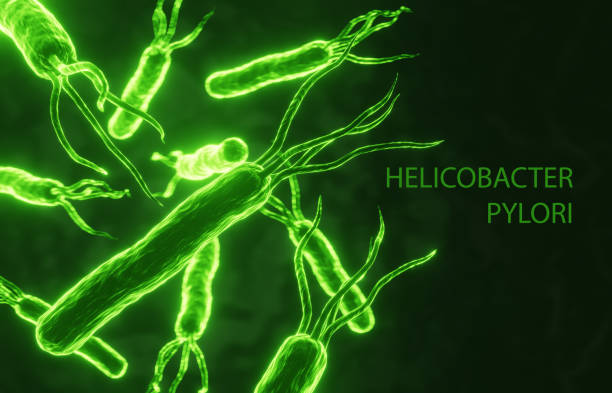
1. Helicobacter pylori (H. pylori) infection
This spiral-shaped bacterium infects the lining of the stomach and is the most common cause of chronic gastritis. It can weaken the mucus barrier, allowing acid to damage the tissue.
Affects more than 50% of the world’s population.
Often contracted in childhood
Can remain dormant for years before causing problems.
Can lead to ulcers and, if left untreated, can increase the risk of stomach cancer.
2. Nonsteroidal anti-inflammatory drugs (NSAIDs)
Drugs such as aspirin, ibuprofen, and naproxen reduce prostaglandins, which protect the stomach lining. Regular or long-term use can wear down the stomach lining, leading to gastritis and ulcers.
3. Excessive alcohol consumption
Alcohol irritates the mucosal lining and increases acid production. Over time, this can break down the protective barrier and cause inflammation.
4. Stress
Severe physical stress (such as surgery, trauma, burns, or serious illness) can cause gastritis due to stress, which can lead to bleeding ulcers. Chronic emotional stress can also worsen symptoms, although it is not a direct cause.
5. Spicy and acidic foods
Although not a direct cause, these foods can aggravate existing gastritis by irritating the already inflamed lining. They can worsen symptoms such as heartburn and indigestion.
6. Autoimmune gastritis
In some cases, the immune system mistakenly attacks the lining of the stomach, damaging the parietal cells that produce stomach acid and intrinsic factor. This can lead to pernicious anemia and an increased risk of cancer.
7. Bile reflux
The backflow of bile from the small intestine into the stomach can irritate and inflame the lining, causing chemical gastritis.
Who is at risk?
Certain people are more likely to develop gastritis, including:
- People over the age of 50
- People with a family history of gastritis or stomach cancer
- Smokers
- People with autoimmune diseases
- People who drink alcohol regularly
- Patients who frequently use painkillers or steroids
- People under chronic physical or emotional stress
Why Gastritis Matters
If left untreated, gastritis can lead to:
Stomach ulcers
Bleeding
Severe vitamin deficiencies (especially B12)
Anemia
Increased risk of gastric cancer
Early detection, proper treatment, and lifestyle modifications can prevent these complications and improve quality of life.
How Is Gastritis Diagnosed?
Diagnosing gastritis involves a combination of reviewing the patient’s symptoms, taking a thorough medical history, and using specific tests to confirm the inflammation and its cause—especially to check for H. pylori infection, bleeding, or damage to the stomach lining.
Here’s a closer look at the most commonly used diagnostic tools:
1. Medical History and Physical Examination
Your doctor will begin by asking detailed questions about your:
Symptoms (e.g., stomach pain, bloating, nausea)
Eating habits and medication use (especially NSAIDs)
Alcohol intake
Past medical history, including stress, autoimmune conditions, or prior ulcers
During the physical exam, the doctor may gently press on your abdomen to check for tenderness or signs of bloating and discomfort in the upper part of the stomach.
This initial assessment helps guide further testing.
2. Stool Test
A stool (feces) sample is analyzed in a laboratory to check for two important things:
Occult blood (hidden blood) — may indicate bleeding from the stomach lining, often due to erosion or ulceration.
H. pylori antigen — a non-invasive way to detect active H. pylori infection, one of the most common causes of gastritis.
Advantages: Simple, non-invasive, and effective.
3. Breath Test for H. pylori (Urea Breath Test)
In this test, the patient drinks a special liquid containing urea (a substance broken down by H. pylori). If H. pylori is present in the stomach:
It breaks down the urea and releases carbon dioxide, which is then detected in the patient’s exhaled breath.
This test is:
Highly accurate
Safe and non-invasive
Often used to confirm diagnosis or check if treatment was successful
4. Blood Test
A blood test can help identify:
Anemia – Low hemoglobin may suggest chronic bleeding from the stomach lining due to gastritis or ulcers.
H. pylori antibodies – Can suggest past or current infection, though it is less accurate than the stool or breath test for identifying active infection.
Markers of inflammation or infection – Like raised white blood cells or CRP.
While useful, blood tests are often combined with other tests for confirmation.
5. Upper Endoscopy (Esophagogastroduodenoscopy – EGD)
This is the most definitive test to evaluate the stomach lining:
A thin, flexible tube with a camera (endoscope) is passed through the mouth into the stomach.
The doctor can directly visualize the stomach lining for redness, swelling, ulcers, or erosions.
Tissue samples (biopsies) may be taken to:
Confirm H. pylori infection
Check for chronic gastritis, atrophy, or intestinal metaplasia
Rule out stomach cancer in high-risk patients
It’s especially important if the patient has warning signs like bleeding, weight loss, or difficulty swallowing.
Foods that help:
- Bananas and apples (gentle on the stomach)
- Oatmeal and brown rice
- Lean proteins (chicken, turkey, tofu)
- Steamed or boiled vegetables
- Probiotic-rich foods such as yogurt and kefir
For a complete list of safe foods: Gastritis-friendly foods
Avoid eating:
- Fried and spicy foods
- Caffeinated beverages (coffee, energy drinks)
- Alcohol and carbonated beverages
- Acidic foods such as citrus fruits and tomatoes
- Chocolate and mint
Natural remedies for gastritis
In addition to medical treatments, several natural methods can support healing.
1. Ginger
Helps reduce inflammation and reduce nausea.

2. Chamomile Tea
Soothes digestion and reduces bloating.
3. Licorice Root
Creates a protective coating in the stomach.
4. Slippery Elm
Traditionally used to coat and protect the GI lining.
Read more: Natural remedies for peptic ulcers
Gastritis Treatment
The best gastritis treatment depends on the cause:
Medications:
- Antibiotics (for H. pylori infection)
- Proton pump inhibitors (PPIs) (e.g., omeprazole)
- H2 blockers (e.g., ranitidine, famotidine)
- Antacids (for quick relief of symptoms)
Important: Long-term PPI use can have side effects. Learn more: Omeprazole side effects and how to stop taking omeprazole.
Lifestyle changes:
- Quit smoking.
- Limit alcohol.
- Manage stress through mindfulness or therapy.
- Eat smaller, more frequent meals.
Complications of Untreated Gastritis
If not managed properly, gastritis can cause:
- Peptic ulcers
- Stomach bleeding
- Atrophic gastritis (thinning of the stomach lining)
- Increased risk of stomach cancer.
How to Prevent Gastritis
While not all causes can be prevented, you can significantly reduce your risk by taking a few key steps:
- Wash your hands to avoid infection.
- Avoid long-term use of NSAIDs unless prescribed.
- Eat a balanced, anti-inflammatory diet.
- Limit alcohol and caffeine.
- Manage stress effectively
Final Thoughts
Gastritis can be painful, but with the right information, it is a manageable condition. From identifying triggers to following a gastritis-friendly diet and considering both medical and natural treatments, there’s a lot you can do to feel better.
Don’t ignore your symptoms if they persist. Early diagnosis and treatment can prevent complications and help you recover faster.
Stay healthy and listen to your gut it often tells you more than you think.
FAQS
Yes, dietary changes can significantly alleviate symptoms. Eating smaller, more frequent meals, avoiding spicy, acidic, or greasy foods, and including soothing options like bananas, oats, and yogurt can reduce irritation. Staying hydrated and avoiding caffeine or carbonated drinks also helps. Proper nutrition supports healing and minimizes discomfort.
Yes, gastritis can often be cured, especially if the underlying cause is identified and treated promptly. Treatment involves medications to reduce stomach acid, eradicate infections like H. pylori with antibiotics, and making lifestyle changes. In many cases, symptoms improve within weeks, and long-term management can prevent recurrence. Chronic cases require ongoing care and monitoring.
While often manageable, untreated gastritis can lead to complications such as stomach ulcers, bleeding, or increased risk of stomach cancer in chronic cases. Severe gastritis may cause significant discomfort and health issues. Prompt diagnosis and treatment are essential to prevent these complications and ensure proper healing.
Symptoms of gastritis vary but often include a gnawing or burning sensation in the upper abdomen, nausea, vomiting, bloating, and indigestion. Some individuals may experience loss of appetite, black stools, or vomiting blood if bleeding occurs. However, some people may be asymptomatic. Recognizing these signs early is important for diagnosis and treatment to prevent complications.
Treatment depends on the cause but generally includes medications like proton pump inhibitors (PPIs) or H2 blockers to reduce stomach acid. If H. pylori infection is present, antibiotics are prescribed. Antacids can provide quick relief. Additionally, lifestyle modifications such as avoiding irritants, eating smaller meals, and reducing stress are important to promote healing and prevent future episodes.
🧑⚕️ About the Author
Dr. Asif, MBBS, MHPE
Dr. Asif is a licensed medical doctor and qualified medical educationist with a Master’s in Health Professions Education (MHPE) and 18 years of clinical experience. He specializes in gut health and mental wellness. Through his blogs, Dr. Asif shares evidence-based insights to empower readers with practical, trustworthy health information for a better, healthier life.
⚠️ Medical Disclaimer
This blog is intended for educational and informational purposes only. It is not a substitute for professional medical advice, diagnosis, or treatment. Always seek the advice of your physician or another qualified healthcare provider with any questions you may have regarding a medical condition. Never disregard or delay medical advice based on content you read here.
Leave a Reply